
Macro rail
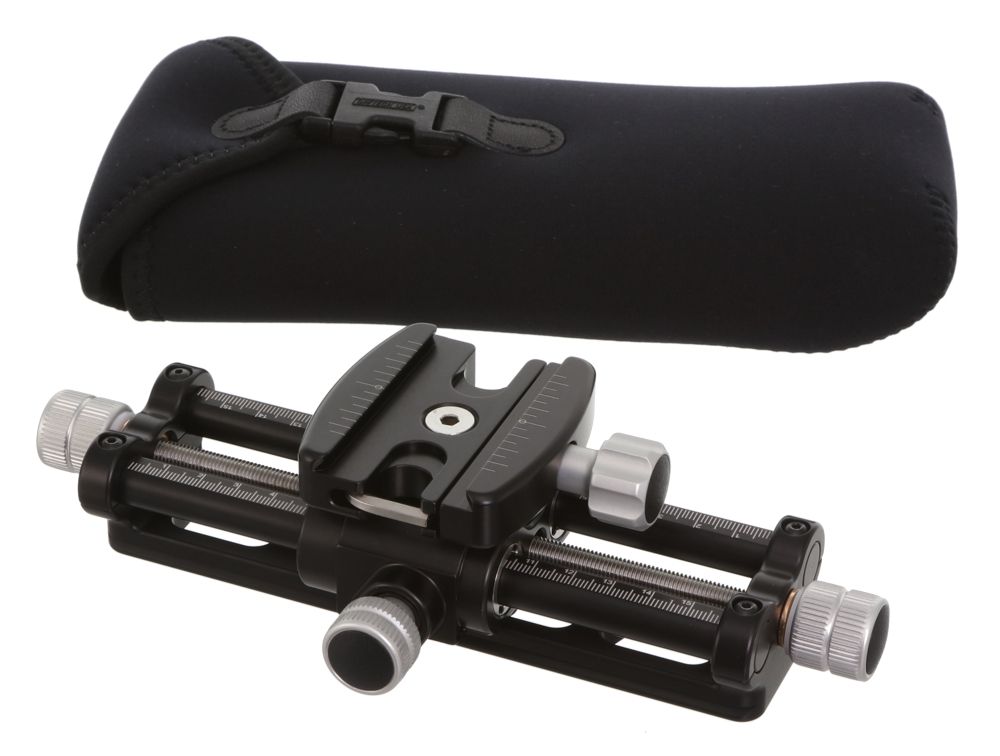
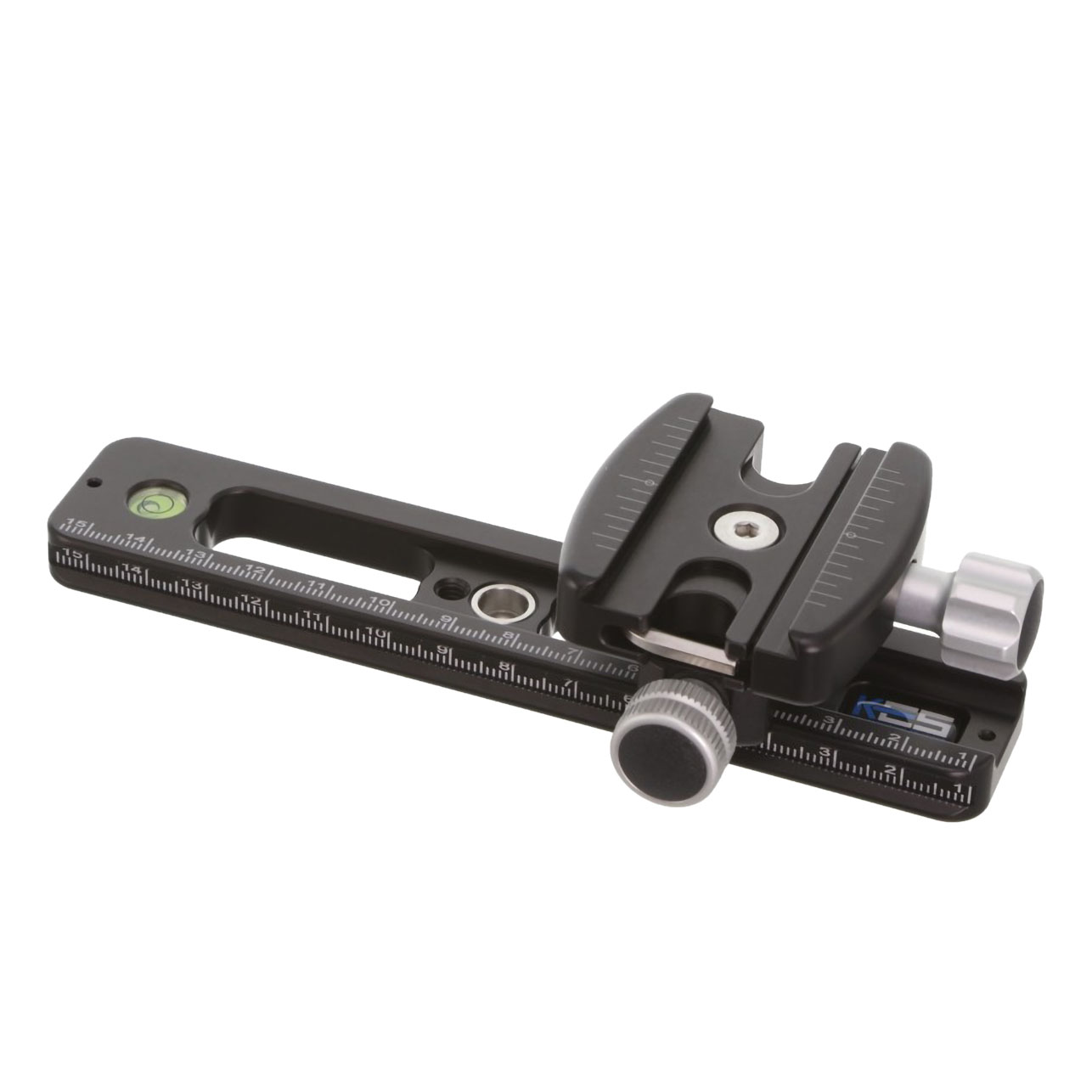
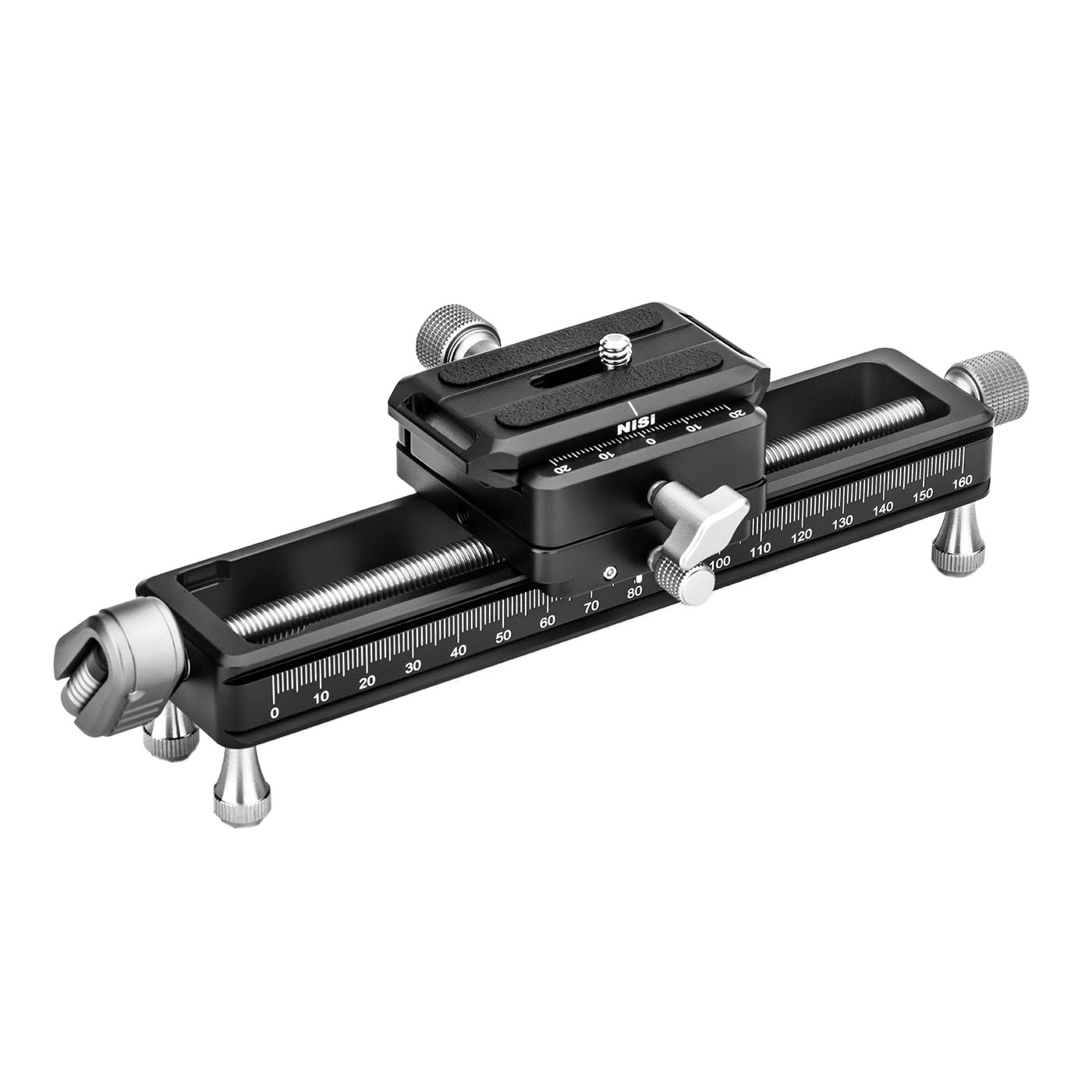
Macro rails, precise control for your macro photography
Anyone who has ever tried to photograph a tiny blossom, an insect, or a coin to really fill the frame and still be tack sharp quickly notices: at some point, simply turning the focus ring is no longer enough. This is exactly where macro rails come into play. A macro rail moves your camera in minimal steps forwards and backwards, often also sideways, without you having to touch your tripod. This keeps the framing stable and lets you set the plane of focus within a millimetre range. Or half a millimetre. Depending on the model, even finer.
In macro photography, repro photography, and product photography, macro rails are therefore almost something like the secret basic tool. You mount the macro rail on a stable tripod head, place your camera on it, and control the position using a fine adjustment screw or a rack-and-pinion drive. The result is repeatable, controlled steps that are almost impossible to achieve freehand. Especially when you are working with high magnification ratios and every tiny shake becomes immediately visible.
Focus stacking, maximum sharpness with minimal depth of field
As soon as you move closer to your subject, the depth of field shrinks almost dramatically. That’s exactly why focus stacking is so fascinating. With focus stacking, you take a series of images with slightly shifted planes of focus that are later merged into one overall image that is sharp throughout. And this is where it becomes clear why macro rails and focus stacking work so well together. With a macro rail, you don’t change the focus setting in the lens, but move the entire camera. The magnification ratio remains the same, as does the angle of view. This makes the later software work for focus stacking significantly cleaner and more reliable.
For focus stacking in macro photography, fine, reproducible movement is crucial. Macro rails allow you to choose exactly the same increment in distance with each step. This creates a series of images that can be processed very well in programs like Helicon Focus or Photoshop. Many photographers only realise during their first serious focus stacking project how much more relaxed the workflow becomes with a solid macro rail. Especially when you are planning dozens or even hundreds of shots, this level of control really pays off.
Arca-style, compatible macro rails for flexible setups
In modern setups, Arca-style compatibility is almost standard. A macro rail with an Arca-style profile can be quickly mounted on and removed from common tripod heads. Many high-quality heads from manufacturers such as Sirui or Rollei rely on exactly this system. If your macro rail is Arca-style compatible, you can flexibly combine camera, L-bracket, and rail without constantly having to mount new quick-release plates. That saves time, nerves, and in everyday use simply a lot of fiddling.
Arca-style compatible macro rails offer you stable guidance, often made from robust aluminium, which safely supports even heavier cameras with macro lens. In a cross-rail configuration, movements along two axes are possible. This allows you not only to move forwards and backwards, but also sideways, and to set up your framing very precisely in repro photography or product photography. Especially with focus stacking series involving complex subjects, this combination of macro rail and Arca-style system is a major advantage.
Macro rails in practice, from idea to sharp image
In a typical application, you mount the macro rail on a stable tripod, roughly align your subject, and set the foremost point of focus. Then you move the camera step by step backwards using the macro rail and take one image at each position. This creates a series that is perfect for focus stacking. Whether you want to document fine structures on a postage stamp, the surface of a mineral, or a technical component, a precise macro rail makes the difference between a lucky hit and a reproducible result.
We see macro rails as quiet but extremely effective helpers in the background. Not a spectacular gadget, but rather a tool that allows you to lift your macro photography, repro photography, and product photography to a clearly more professional level. And once macro rails, focus stacking, and the Arca-style system are working together smoothly, even a tiny subject suddenly appears large, clear, and impressively detailed on the screen.
BLOG posts

Somehow the camera gear has to be carried.
But how do you attach the camera strap to your camera or your lens?
Traditionally, a carrying strap is attached to two lugs on the camera; with heavy lenses, a carrying strap is attached via lugs on the tripod collar.
This is often annoying,...
not in stock, the item will be ordered for you
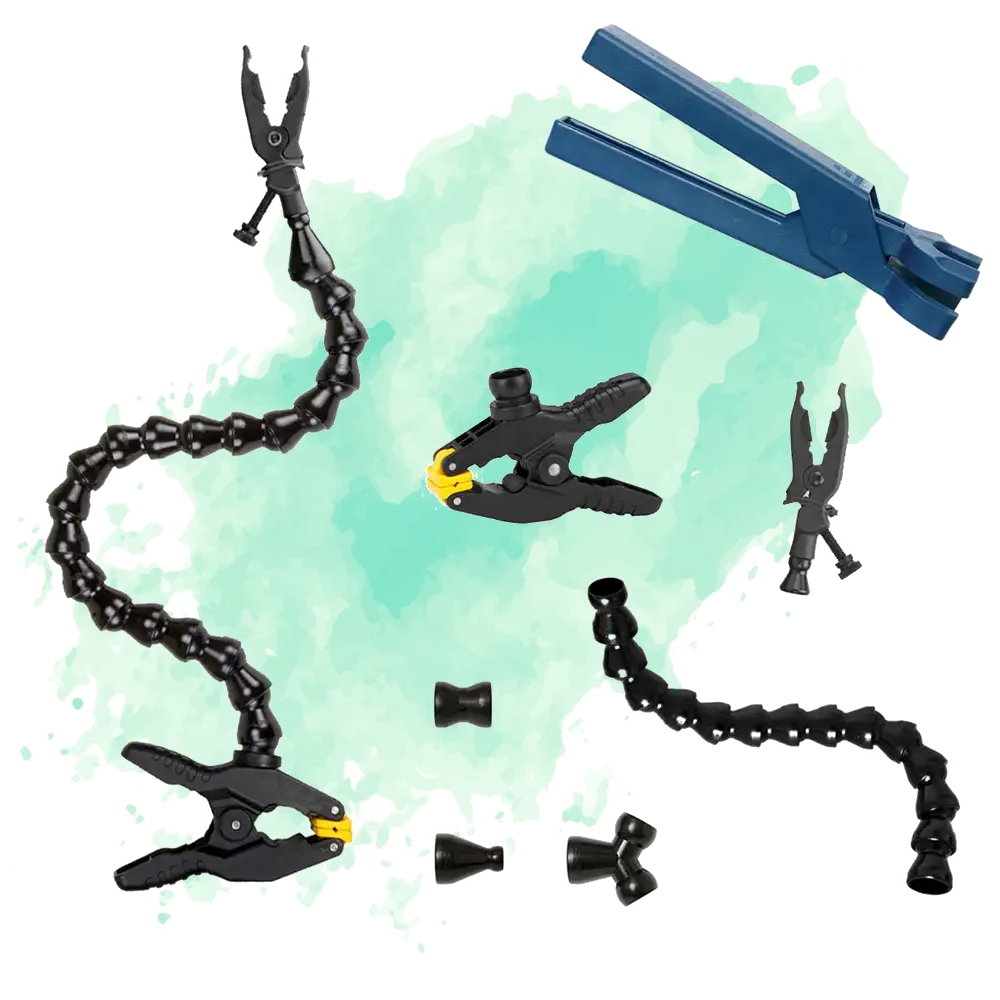
Macro accessories from Wimberley, the Plamp Family for precise macro photography Anyone who seriously engages in macro photography sooner or later stumbles over the same situation: the subject is beautiful, but the light isn’t right, a light breeze tugs at the blossom, and the diffuser is lying some...
not in stock, the item will be ordered for you
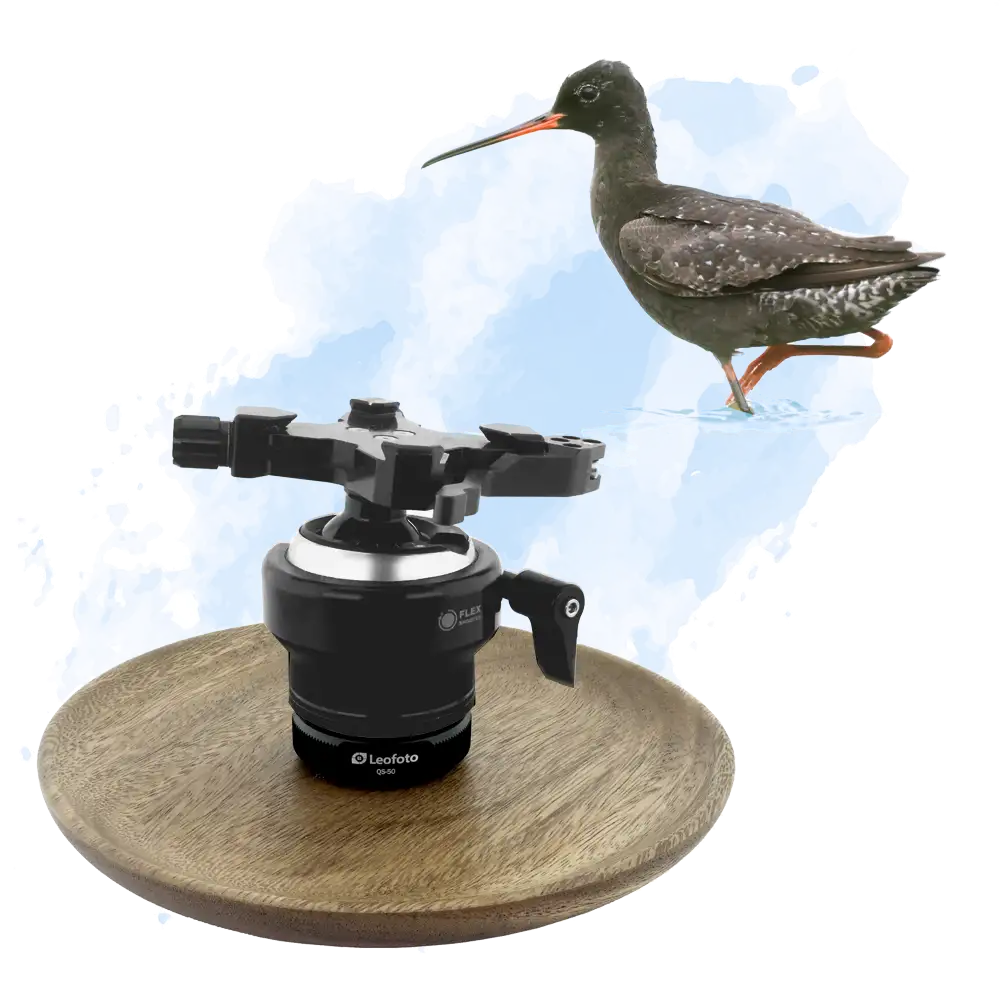
The bird migration has begun...
At the Baltic Sea, I have the opportunity to photograph waders both on the beach and at waters with shallow shorelines or flooded meadows.
On the beach, it is often enough to lie on your stomach and wait for the animals to come within photo distance.
It's quite differen...
not in stock, the item will be ordered for you
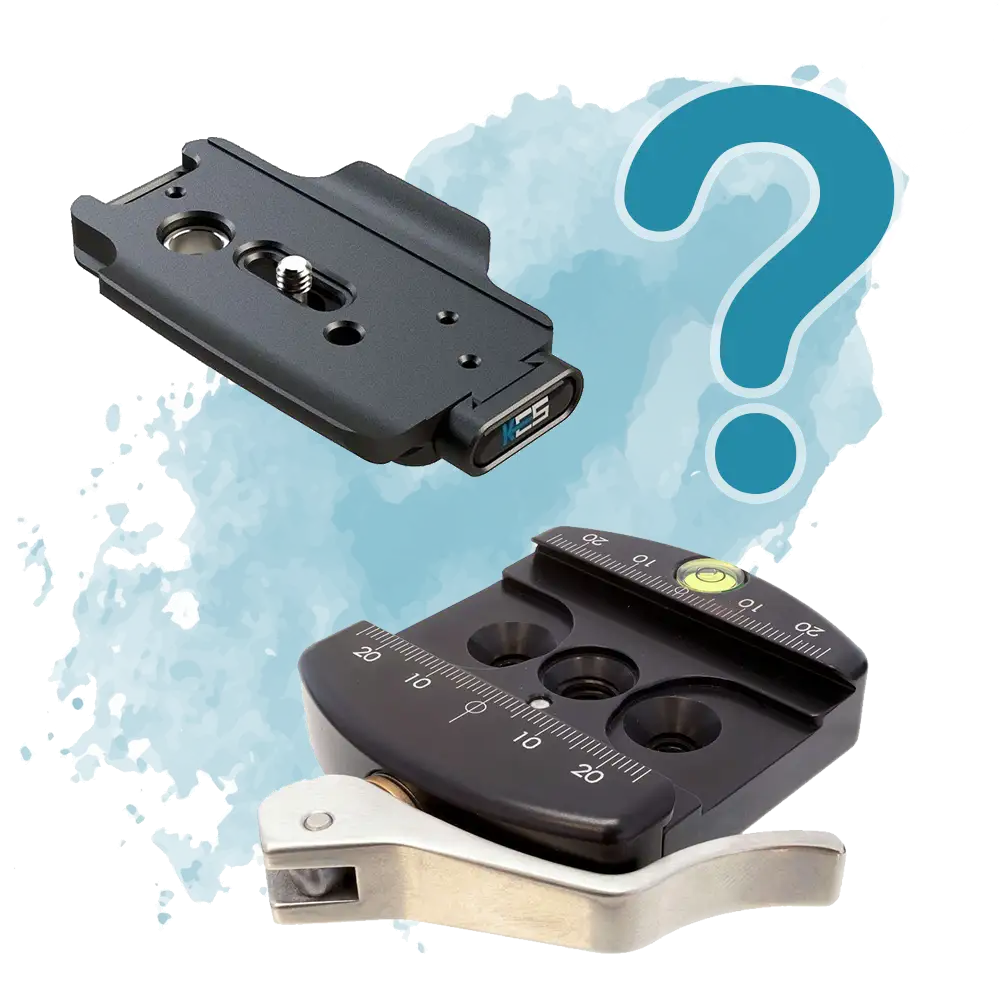
…unfortunately not very much.
In this post, we will gradually test and publish the compatibility of quick release components from various manufacturers.
Listed below, you will find which 38 mm dovetail systems are compatible with each other and which do not fit together.
For this, one must look f...
not in stock, the item will be ordered for you
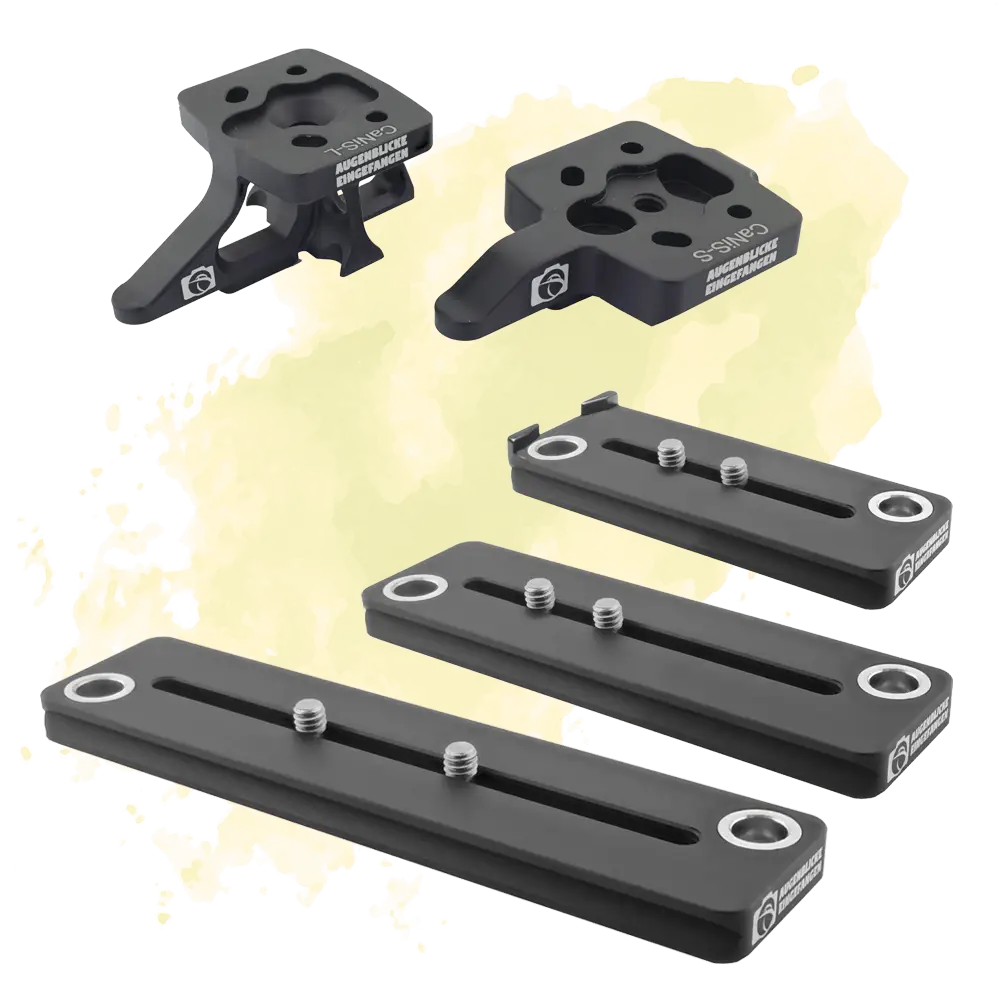
Discover the innovationModular replacement feet for telephoto lenses from Augenblicke-eingefangen
For ambitious photographers who are always looking for the perfect balance between stability and flexibility, the modular replacement feet from Augenblicke-eingefangen offer a modern solution.
These in...
not in stock, the item will be ordered for you
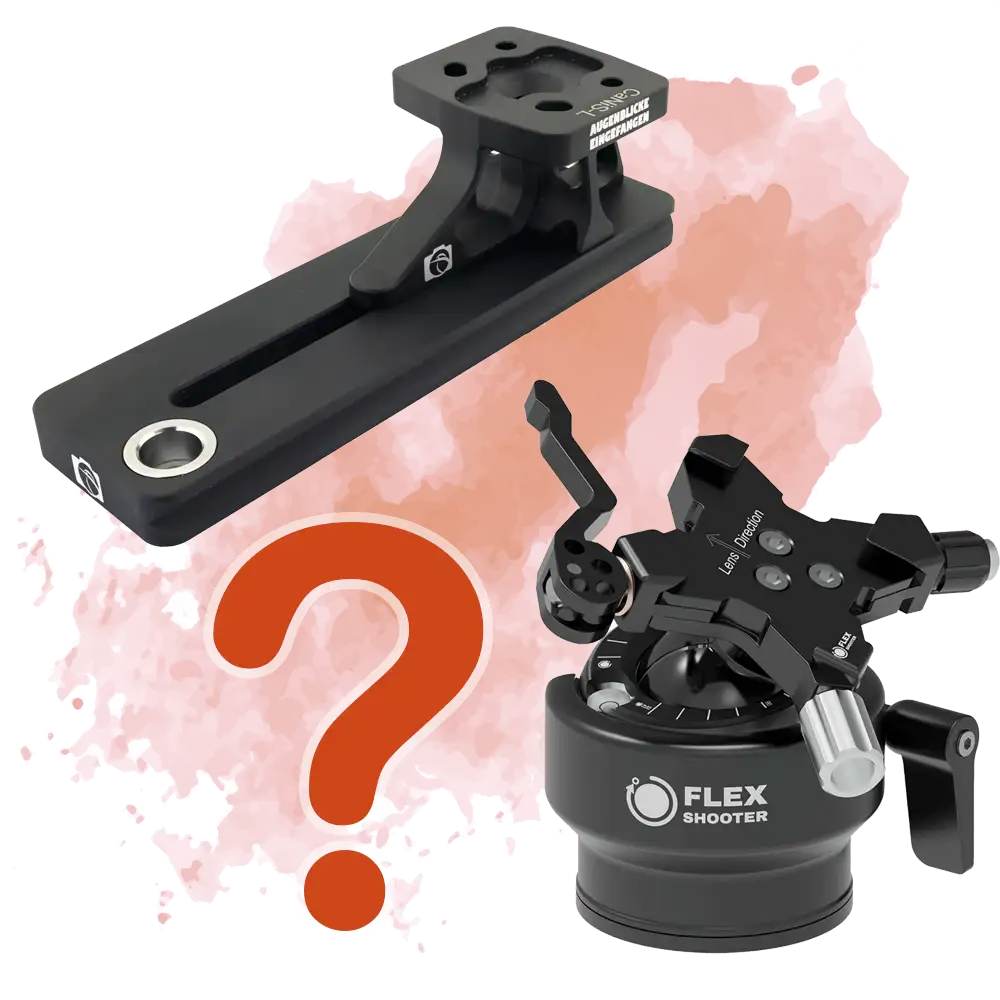
The Flexshooter tripod headsaccept almost all camera plates and L-brackets, lens plates and replacement feet with Arca-compatible profile with a width of 38 mm.
Flexshooters with lever clamp are a bit more tolerant; here you can readjust the clamp width so that your camera or lens sits really firmly ...
not in stock, the item will be ordered for you

FAQ about the Flexshooter tripod head
When you start looking into the Flexshooter tripod head, the question usually isn’t whether to get one, but rather the famous “Yes, but which one exactly?
”.
In this FAQ about the Flexshooter tripod head we’ve collected the typical questions we get more frequen...
not in stock, the item will be ordered for you