
Thread locker
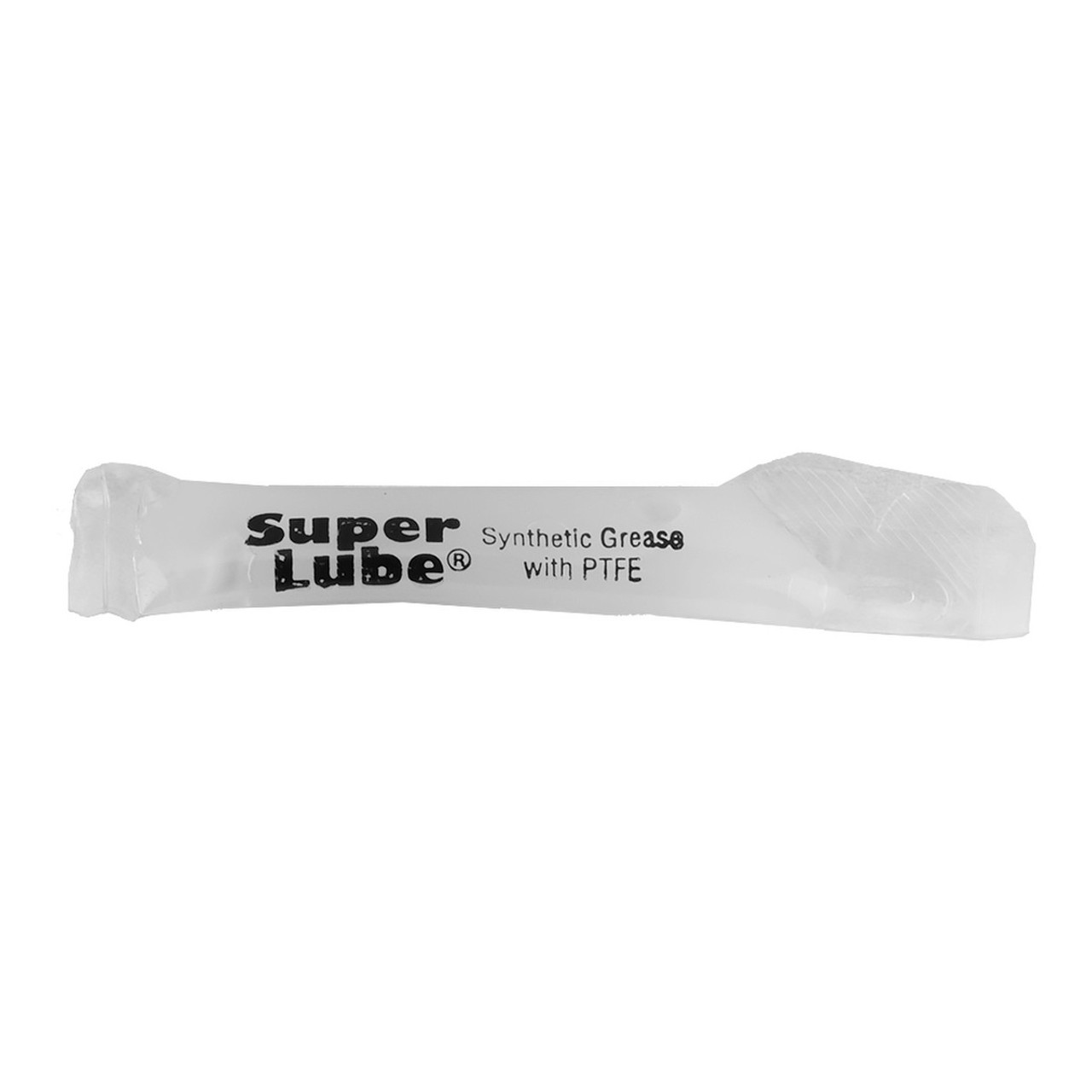
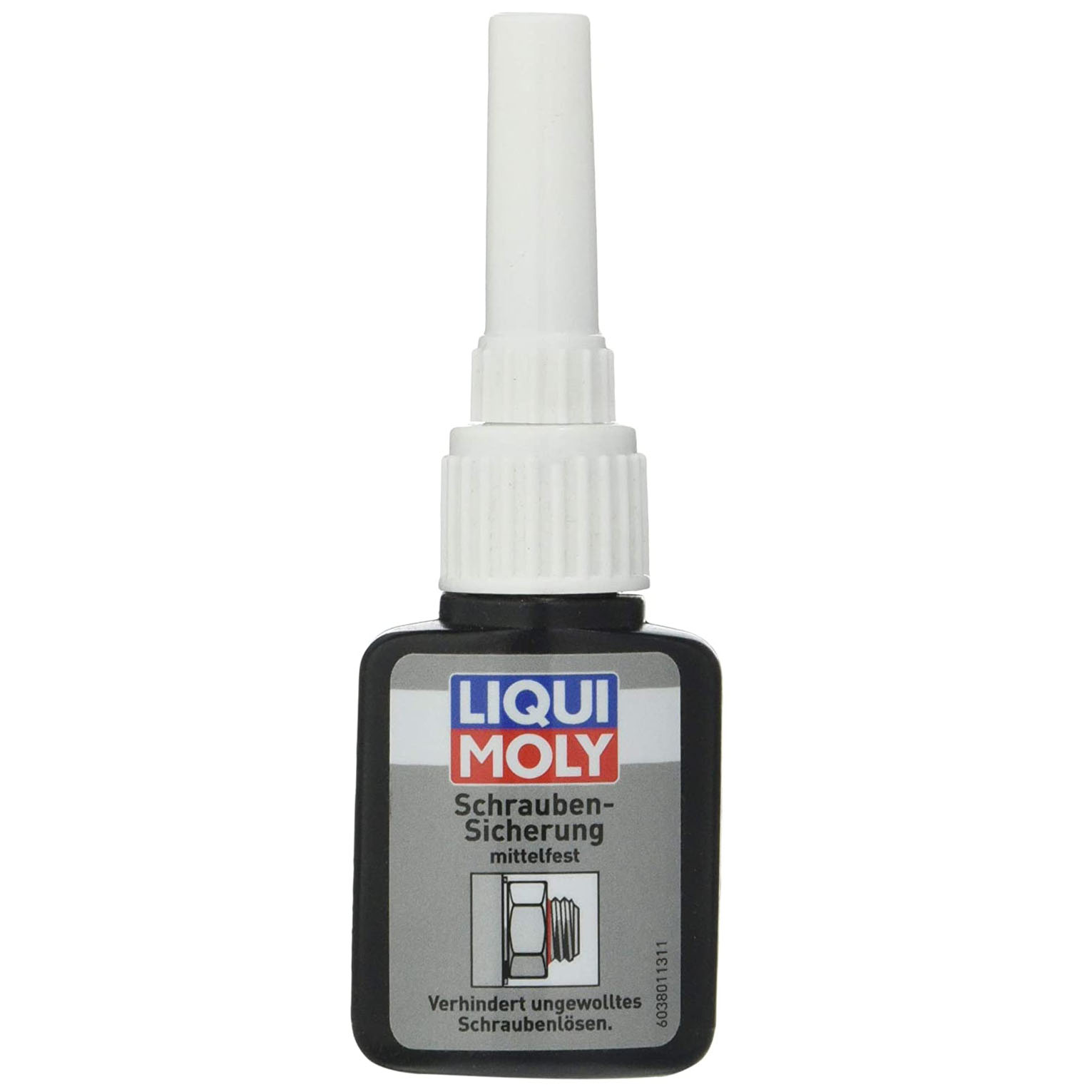
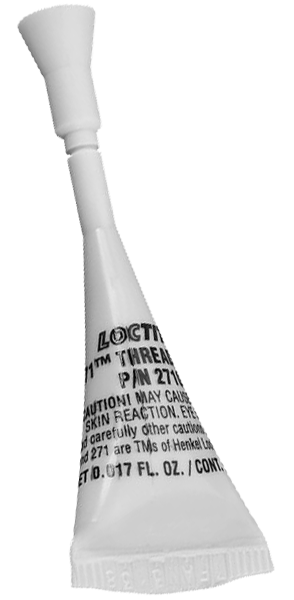
Thread lockers for photo accessories – small drops, big impact
Sometimes it’s not the camera, not the lens and not the tripod that determines whether a shot is secure, but a tiny screw with a photo thread. And that’s exactly where thread lockers come into play. With a few well‑placed drops you make sure that threaded connections on quick‑release plates, ball heads, rails or adapters don’t simply loosen on their own while you’re on the move – whether in the studio, in the forest, or somewhere between the airport and a mountain peak.
Why thread lockers are so important in photography
Especially with photo and video equipment there are many small threads that are regularly put under stress. Quick‑release components are constantly loosened and tightened again, cameras rotate on tripod heads, sliders vibrate away, gimbals are finely adjusted. Over time, such connections can loosen unnoticed. And then? In the worst case, the camera slowly but surely works its way out of the mount.
With a suitable thread locker you significantly reduce exactly this risk. You stabilize screw connections without bonding them permanently, and you ensure that photo threads don’t loosen by themselves. This keeps your gear where it belongs and lets you focus on image composition instead of loose screws.
More safety for camera, tripod and quick‑release systems
Thread lockers really pay off on frequently used connections, such as between camera and quick‑release plate, tripod head and tripod, monitor mount and cage. You minimize the risk of components gradually loosening due to vibrations, temperature fluctuations or frequent repositioning. This noticeably increases work safety, especially when you’re working with expensive gear, heavy setups or overhead.
We repeatedly see supposedly “tight” screw connections develop play after a few uses. A suitable thread locker acts here like an additional safety layer – not visible, but clearly noticeable in handling.
The right thread locker for your use case
Not every locker is the same. There are variants with low, medium and high strength, and especially in the photo sector the right choice is crucial. For many applications on photo threads, a medium‑strength thread locker is sufficient – it reliably secures connections but can be loosened again with normal tools if needed. For temporary setups or accessories that you change more frequently, a weaker locker can make sense so that you remain flexible.
What’s important: always use only the appropriate locker. Products that are too strong can “pull” screw connections together so tightly that they can later only be loosened with considerable force or even only by applying heat. With fine photo threads, lightweight aluminum parts or delicate cages, this can quickly do more harm than good.
Typical applications involving photo threads
In practice, thread lockers are used in many places you probably don’t consciously think about all the time. For example:
- for securing 1/4‑inch and 3/8‑inch photo threads on quick‑release plates and tripod heads
- on screws of camera cages, grips, monitor and microphone mounts
- on rails, clamps and magic arms that are regularly moved or loaded
- on adapters, reducer bushings and spigots that are in permanent use
Especially if you work a lot on location – in day‑to‑day reportage, at weddings, events or outdoors – these small helpers make a noticeable difference. Your equipment becomes more robust against shocks, transport and quick reconfigurations.
How to use thread lockers effectively
Handling thread lockers is basically straightforward, but requires a bit of care. The threads should be clean, dry and free of grease or dust so that the locker can adhere well. A small amount is usually enough; an extra drop is quickly wasted and brings no additional benefit.
After applying it, screw the connection together and let it cure. Depending on the product, it takes a while until full strength is reached. We recommend not putting important connections under load immediately, but giving everything a short moment to “settle”. This way you get the maximum level of security without putting unnecessary stress on the material.
Balancing a firm connection and flexibility
In photography, it’s rarely about making connections permanently unremovable. Instead, you’re usually looking for a good balance: stable enough so that nothing loosens by itself, but flexible enough to adapt, rebuild or expand setups. This is exactly where high‑quality thread lockers show their strengths.
Chosen and dosed correctly, they ensure that screws still sit reliably even after many uses, transports and shooting days. And if you do want to change something, you can loosen the connection again with the right tool without damaging the thread.
Conclusion: Small helpers with a big impact on your equipment’s safety
Thread lockers are inconspicuous but extremely helpful in the everyday use of photo and video equipment. They secure photo threads, prevent unwanted loosening of screw connections and help ensure that your gear doesn’t suddenly slip or, in the worst case, fall down. With the right product for your application, the appropriate strength and clean application, you get more safety out of every screw connection.
So if you want to make your camera, tripod or quick‑release components a bit more reliable, thread lockers are a surprisingly simple yet very effective solution.
BLOG posts

Somehow the camera gear has to be carried.
But how do you attach the camera strap to your camera or your lens?
Traditionally, a carrying strap is attached to two lugs on the camera; with heavy lenses, a carrying strap is attached via lugs on the tripod collar.
This is often annoying,...
not in stock, the item will be ordered for you
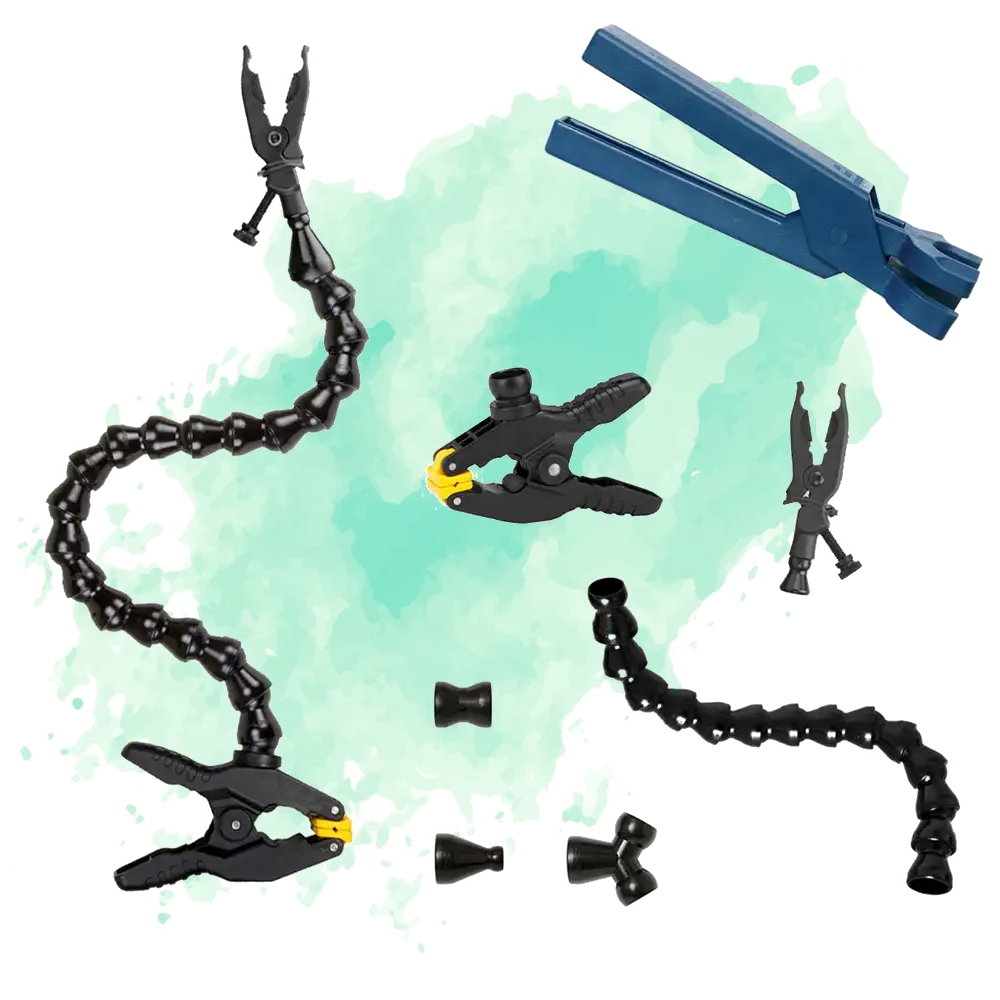
Macro accessories from Wimberley, the Plamp Family for precise macro photography Anyone who seriously engages in macro photography sooner or later stumbles over the same situation: the subject is beautiful, but the light isn’t right, a light breeze tugs at the blossom, and the diffuser is lying some...
not in stock, the item will be ordered for you
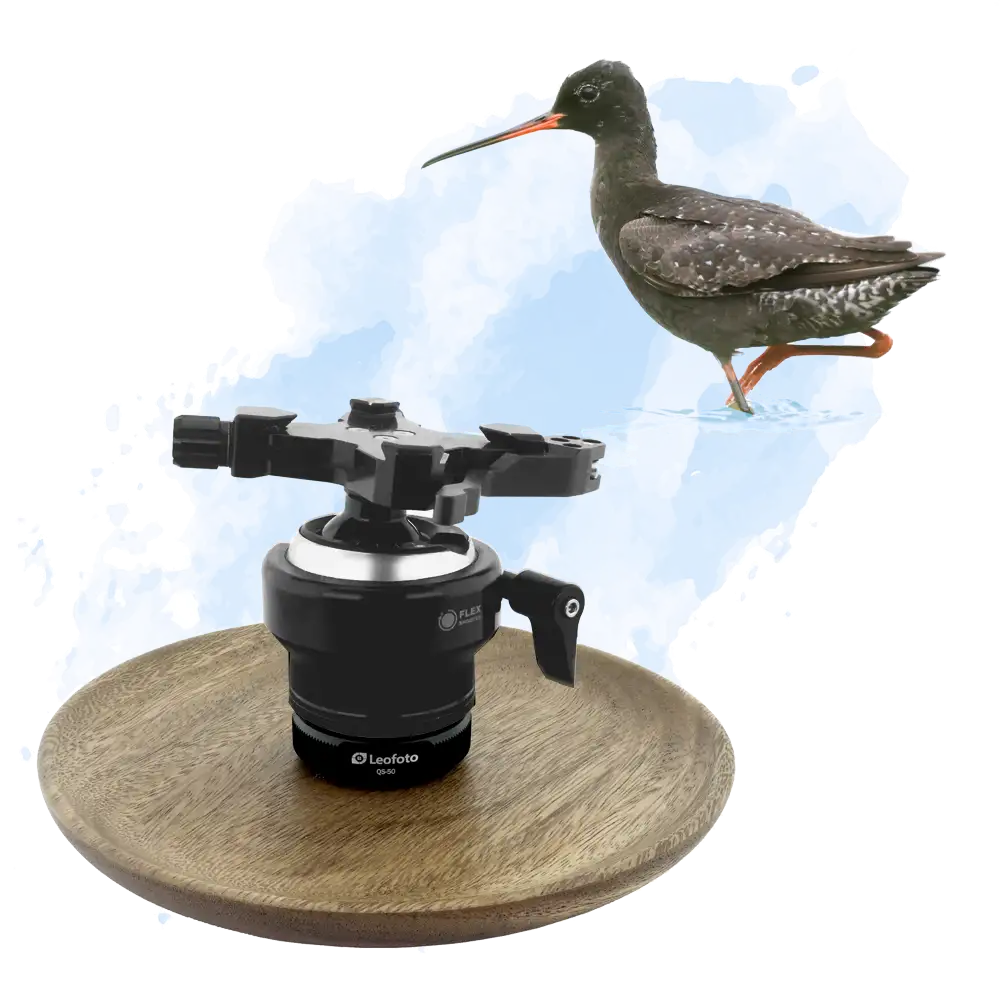
The bird migration has begun...
At the Baltic Sea, I have the opportunity to photograph waders both on the beach and at waters with shallow shorelines or flooded meadows.
On the beach, it is often enough to lie on your stomach and wait for the animals to come within photo distance.
It's quite differen...
not in stock, the item will be ordered for you
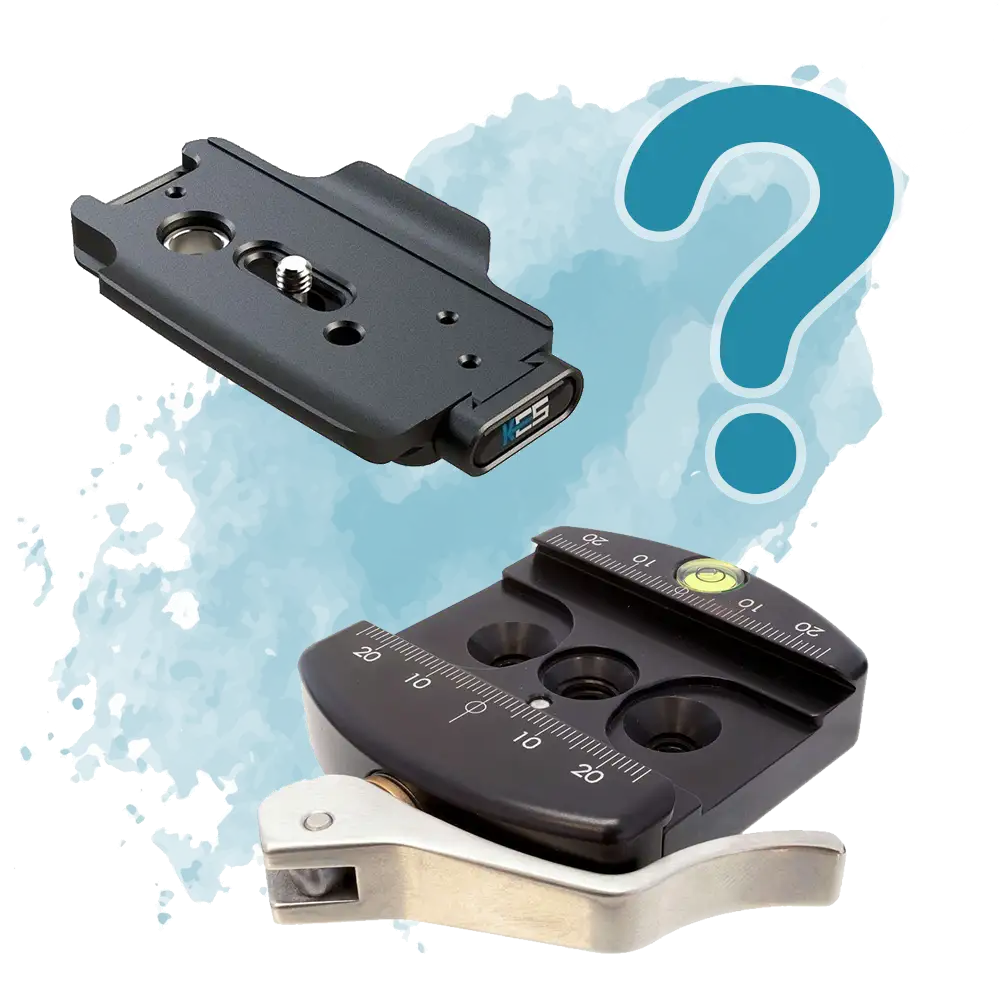
…unfortunately not very much.
In this post, we will gradually test and publish the compatibility of quick release components from various manufacturers.
Listed below, you will find which 38 mm dovetail systems are compatible with each other and which do not fit together.
For this, one must look f...
not in stock, the item will be ordered for you
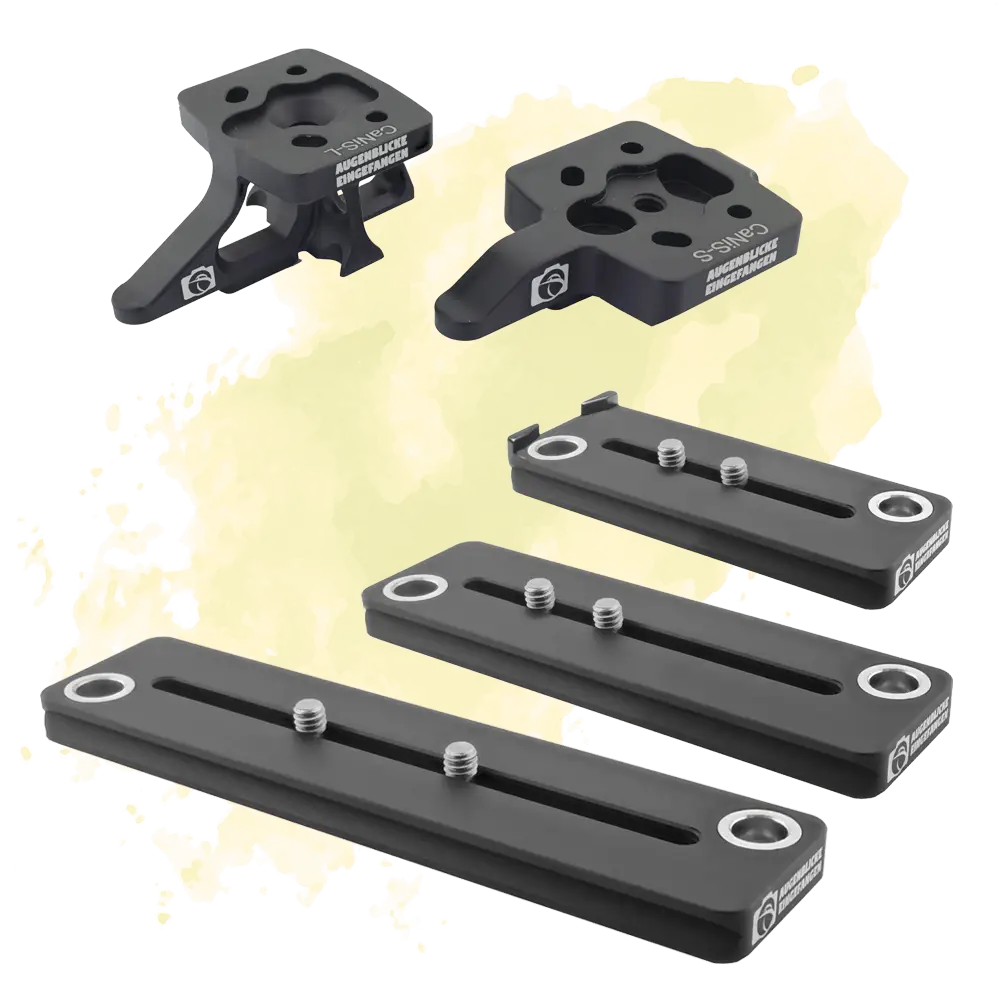
Discover the innovationModular replacement feet for telephoto lenses from Augenblicke-eingefangen
For ambitious photographers who are always looking for the perfect balance between stability and flexibility, the modular replacement feet from Augenblicke-eingefangen offer a modern solution.
These in...
not in stock, the item will be ordered for you
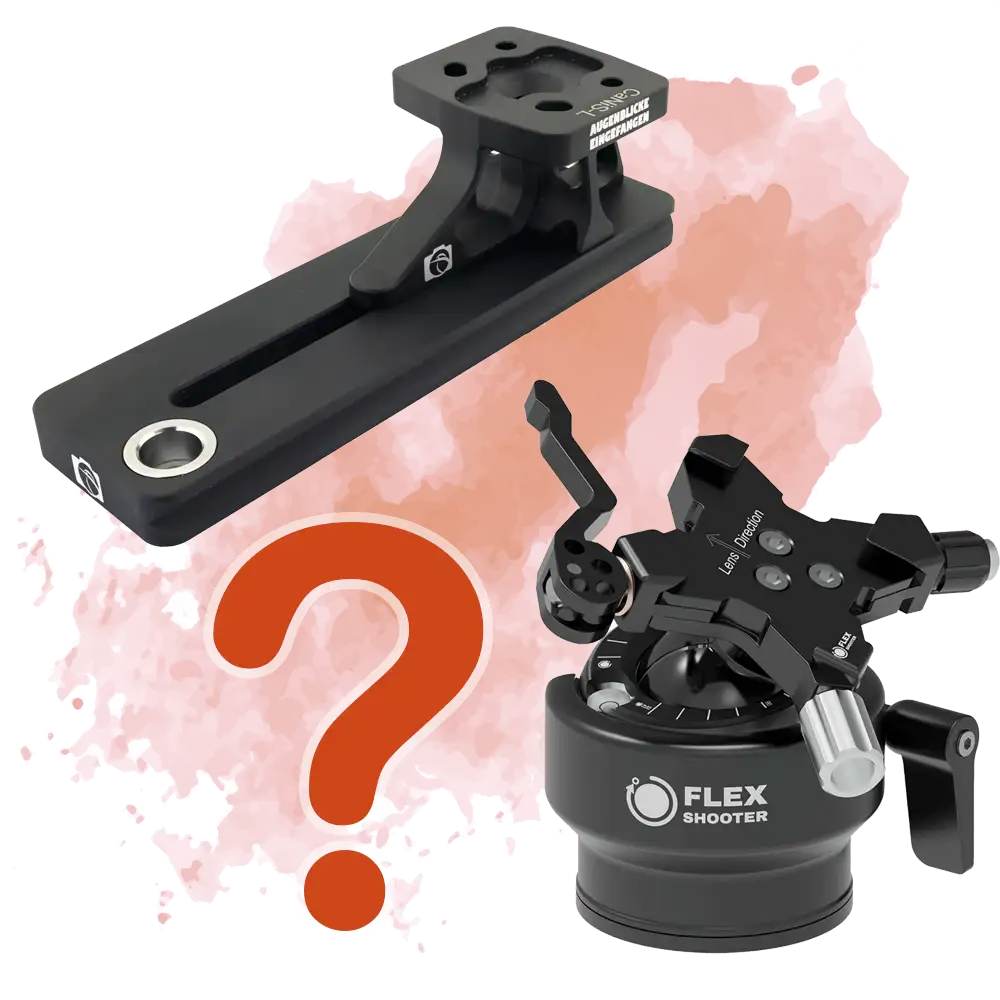
The Flexshooter tripod headsaccept almost all camera plates and L-brackets, lens plates and replacement feet with Arca-compatible profile with a width of 38 mm.
Flexshooters with lever clamp are a bit more tolerant; here you can readjust the clamp width so that your camera or lens sits really firmly ...
not in stock, the item will be ordered for you

FAQ about the Flexshooter tripod head
When you start looking into the Flexshooter tripod head, the question usually isn’t whether to get one, but rather the famous “Yes, but which one exactly?
”.
In this FAQ about the Flexshooter tripod head we’ve collected the typical questions we get more frequen...
not in stock, the item will be ordered for you