
for other lenses
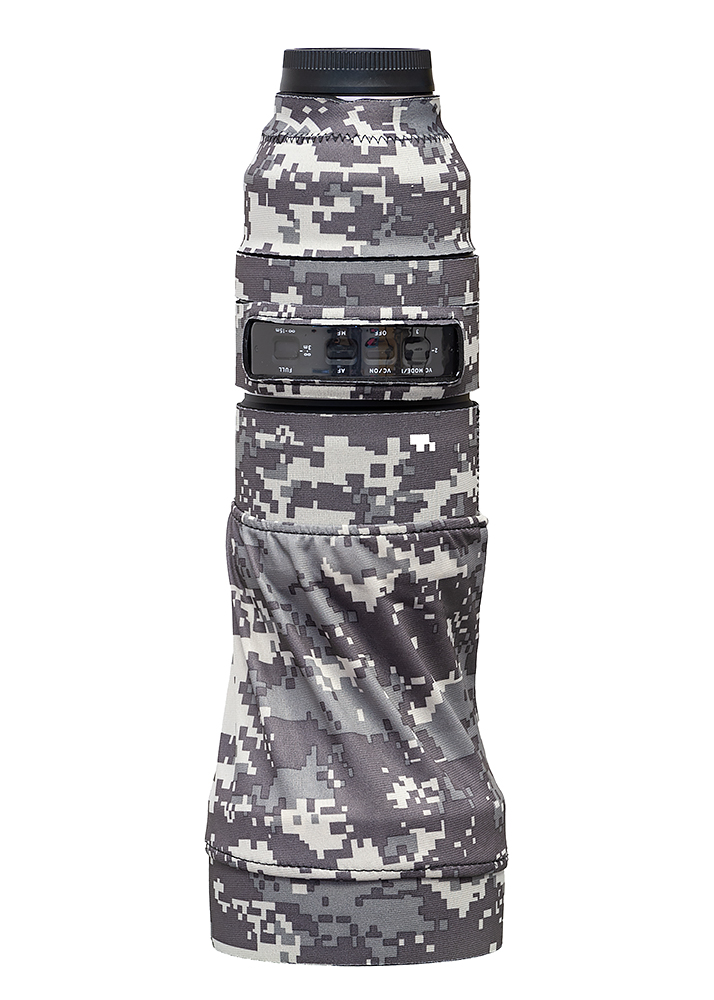

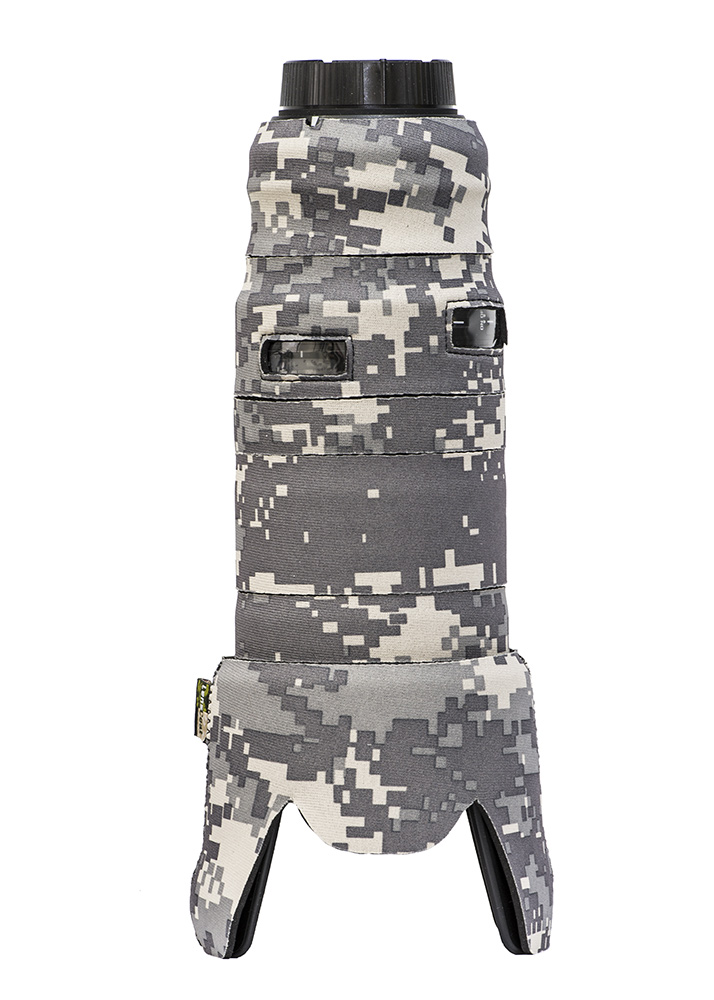
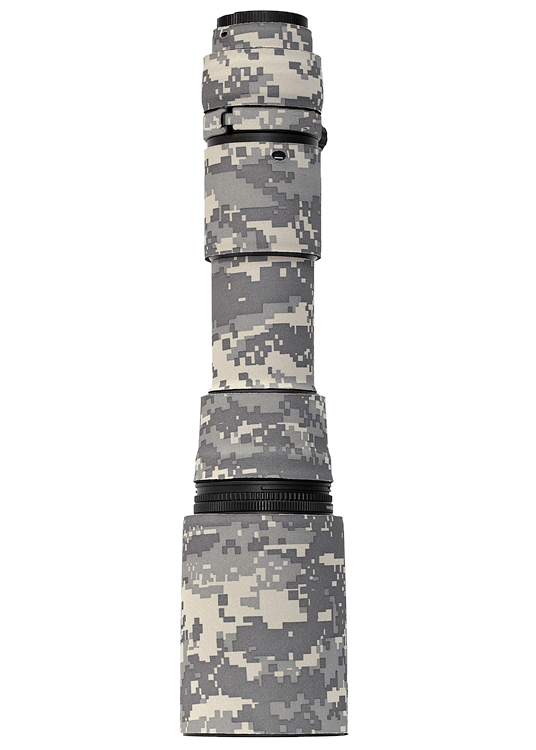
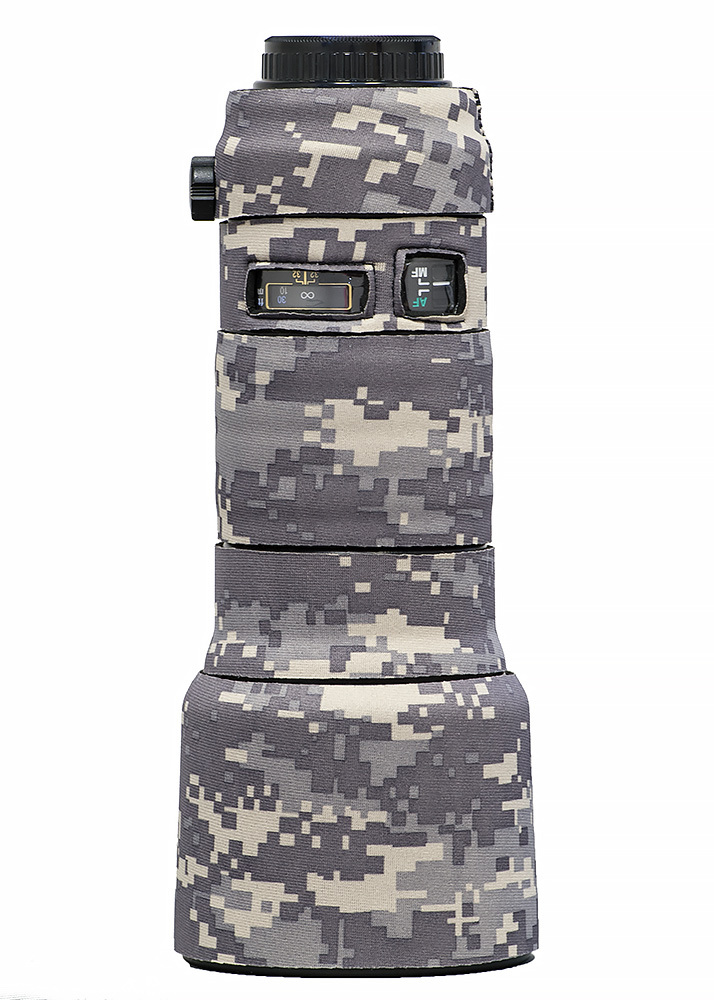
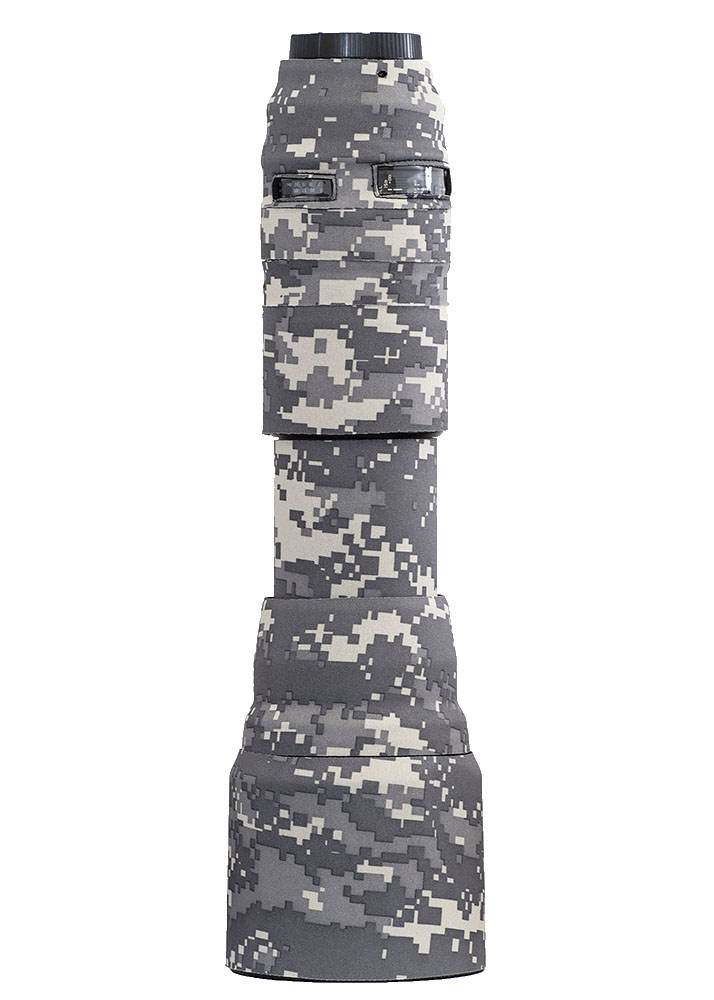
![LensCoat lens cover for Panasonic Leica DG 200 mm f/2.8 Power O.I.S. [H-ES200] - Digital Camo - LensCoat Color/Pattern: Digital Camo LensCoat](https://www.augenblicke-eingefangen.de/media/10/47/b4/1673876215/lenscoat_lcpa200dc_tm_fuer_panasonic_leica_dg_200_mm_f_28_power_ois_h_es200_ae212594_augenblicke_eingefangen.jpg?ts=1758112720)
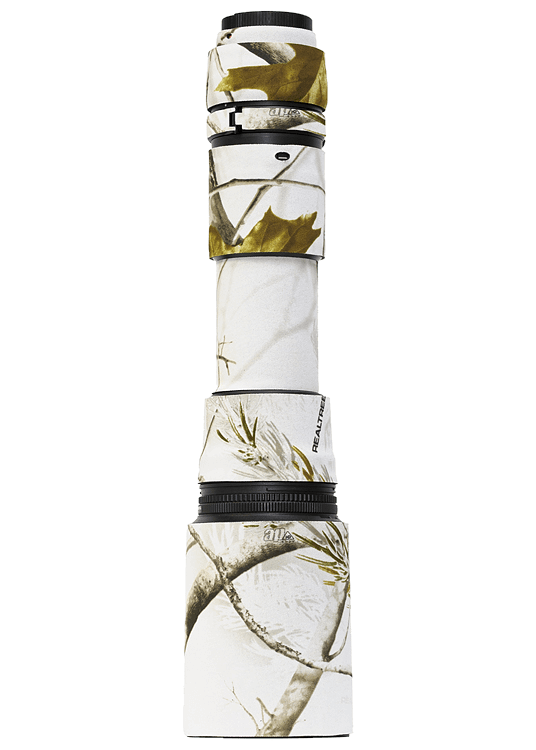
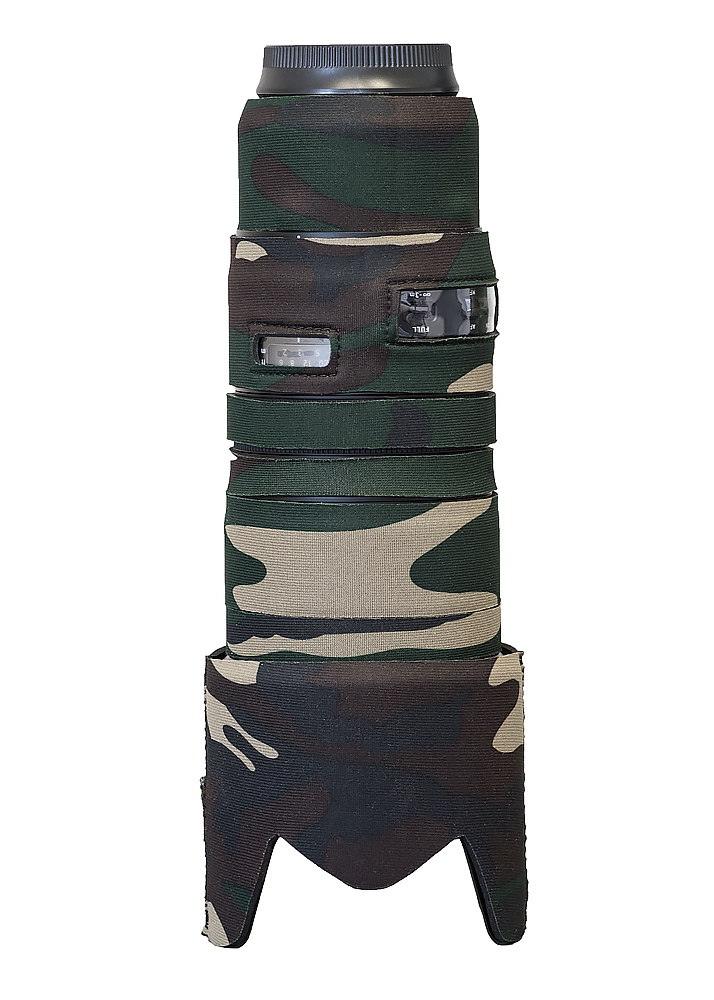
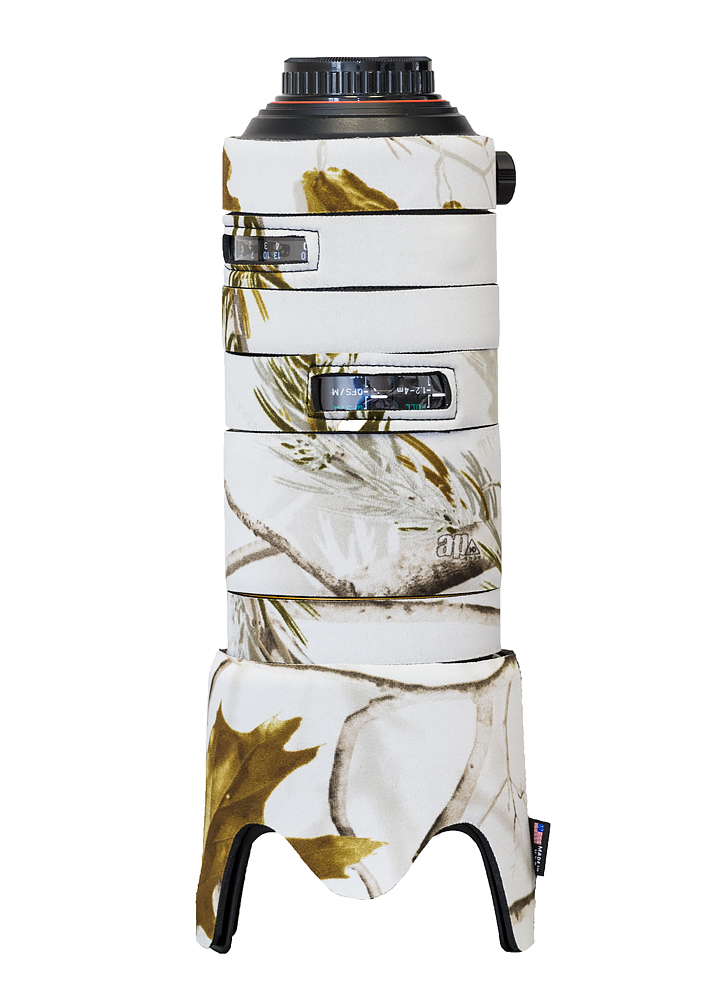
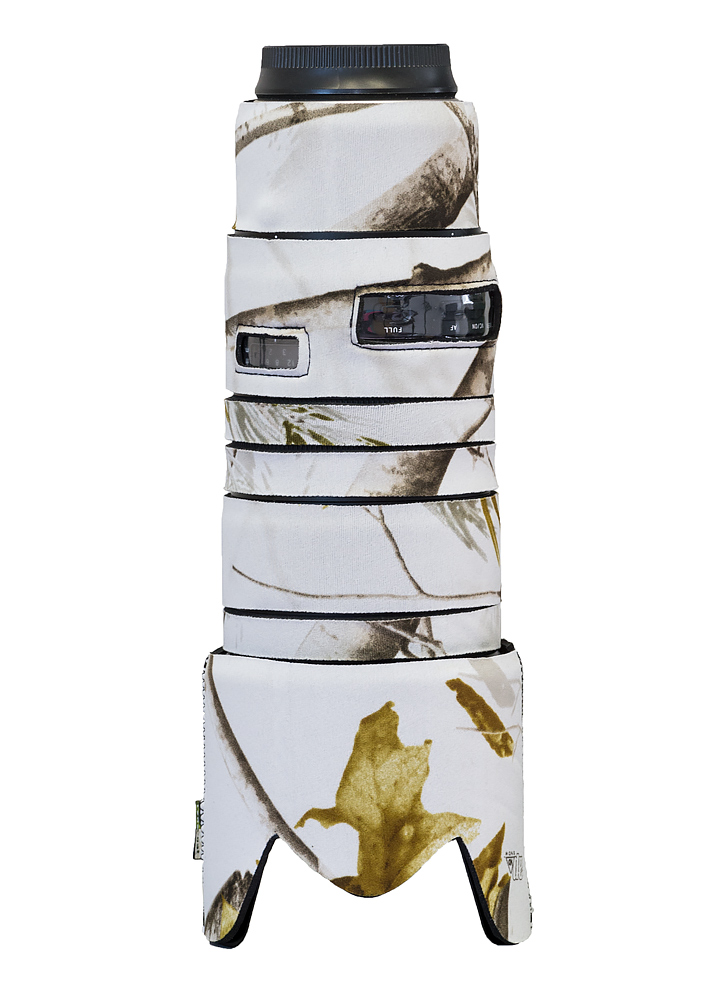
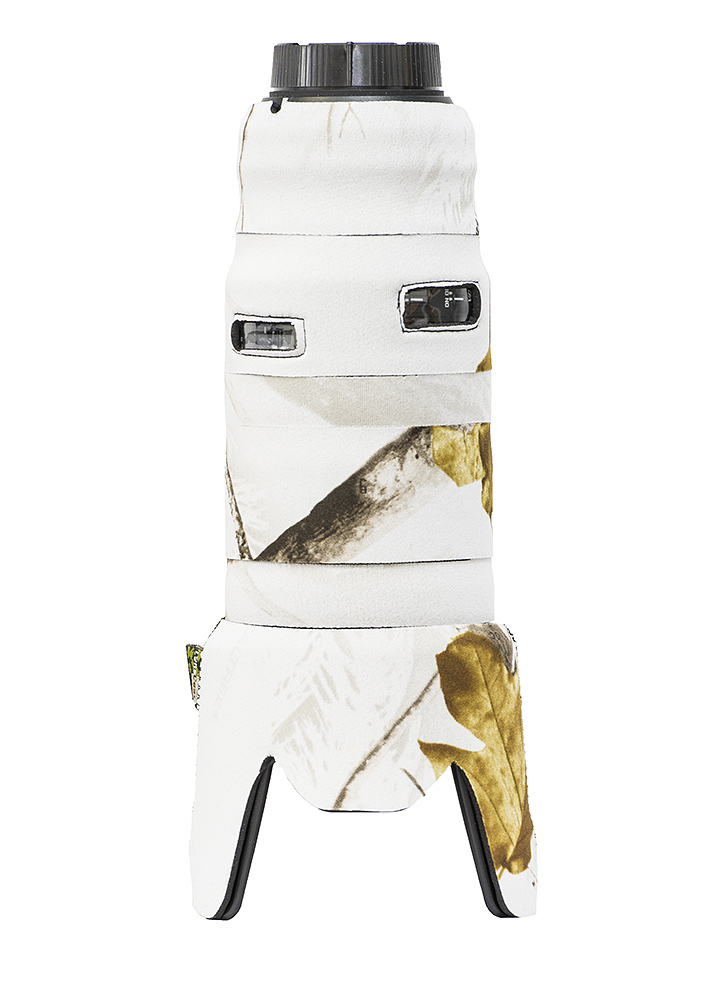
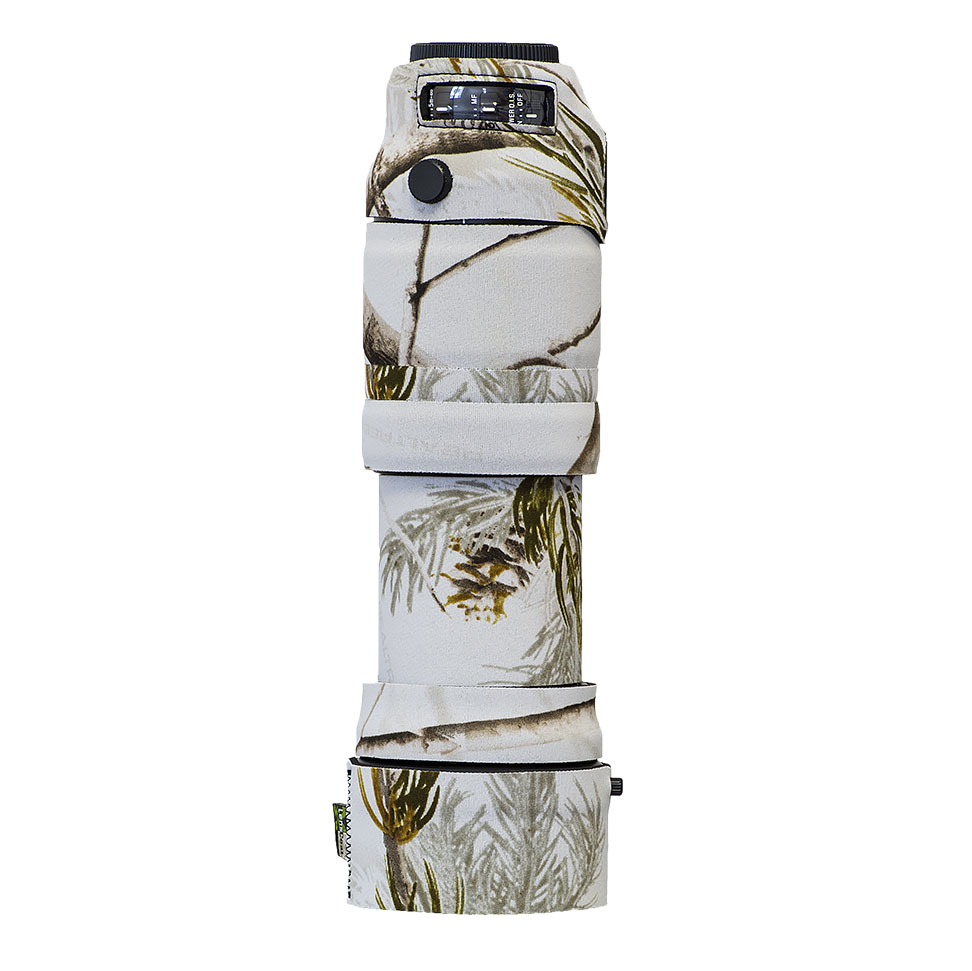
![LensCoat lens protection for Panasonic Leica DG 200 mm f/2.8 Power O.I.S. [H-ES200] - Realtree AP Snow - LensCoat Color/Pattern: Realtree AP Snow LensCoat](https://www.augenblicke-eingefangen.de/media/g0/2c/ca/1673876200/lenscoat_lcpa200sn_tm_fuer_panasonic_leica_dg_200_mm_f_28_power_ois_h_es200_ae212593_augenblicke_eingefangen.jpg?ts=1758112721)
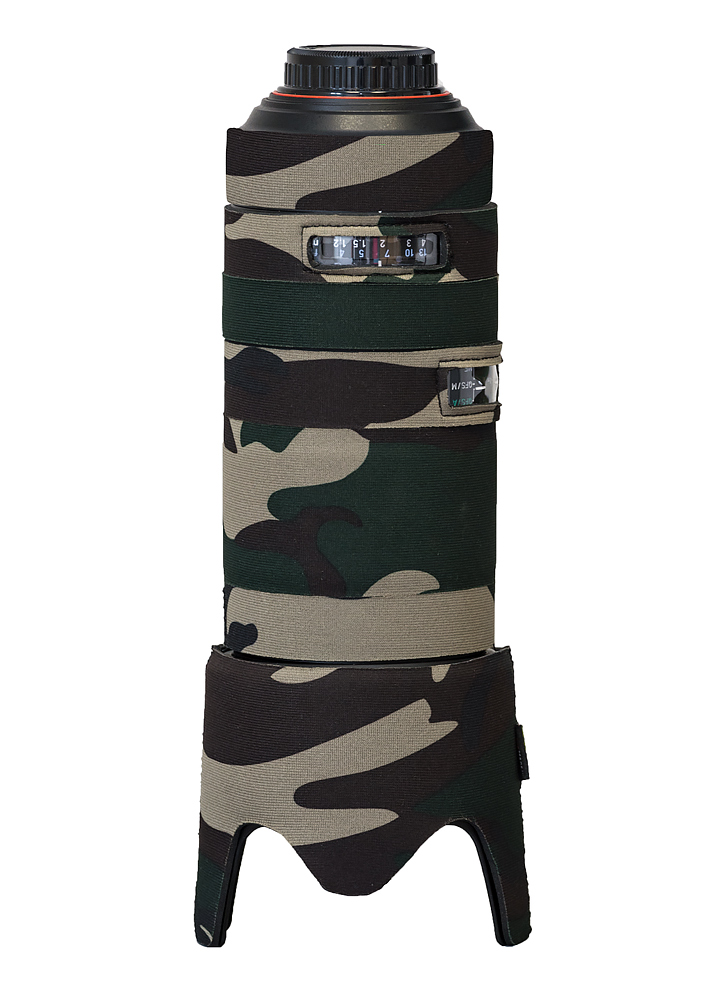
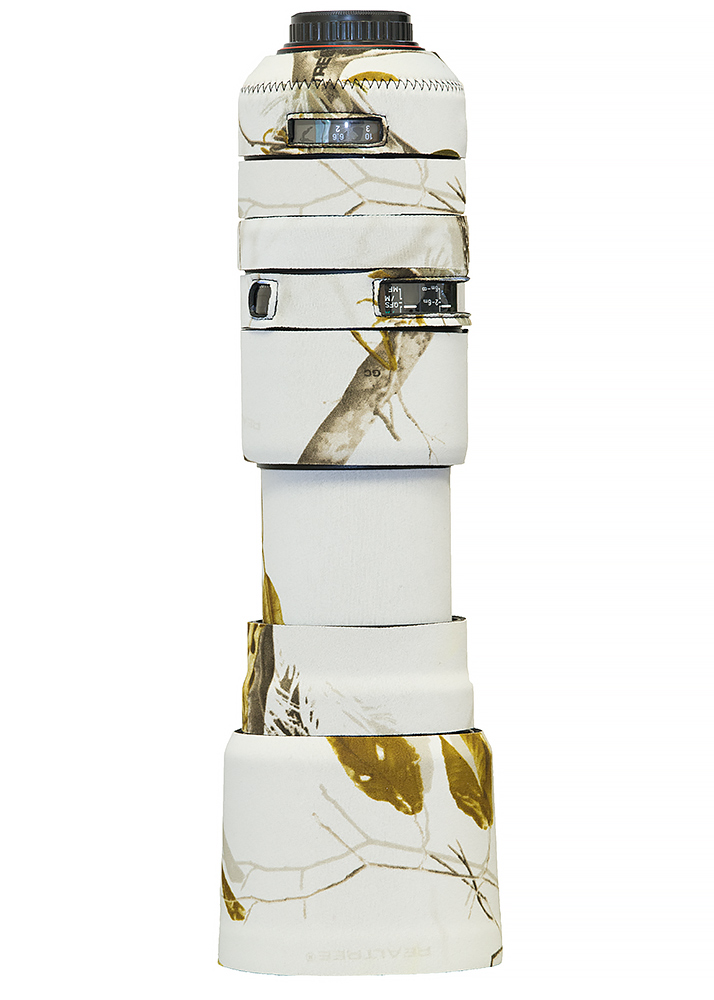
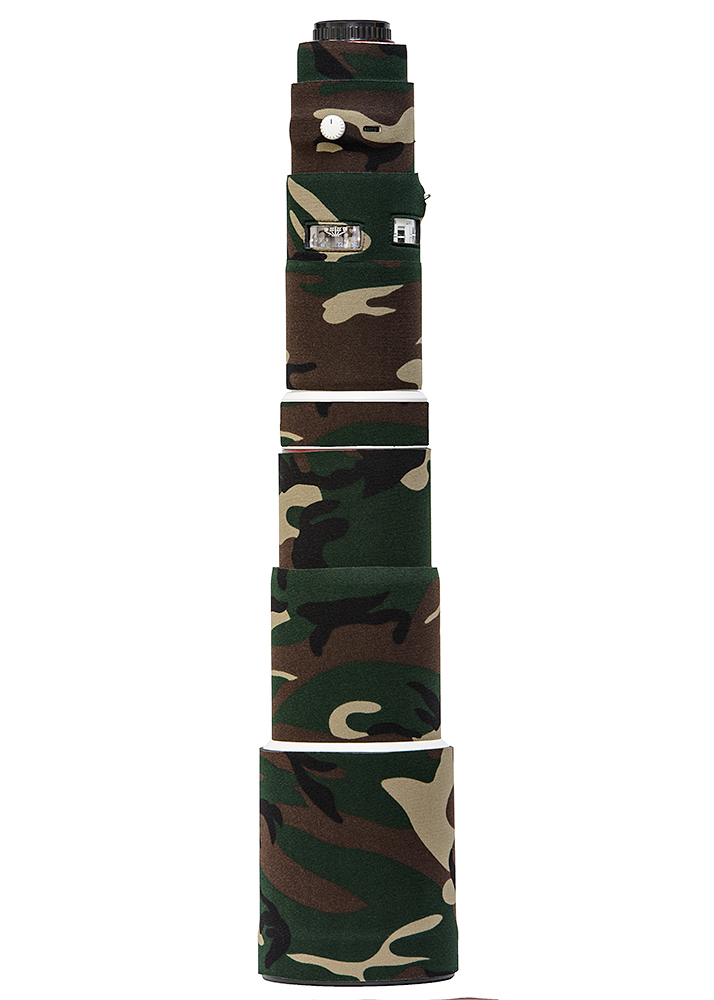
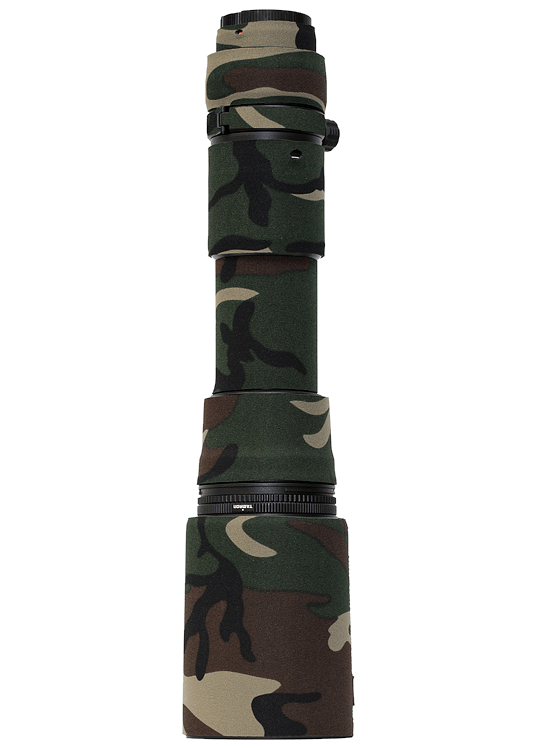
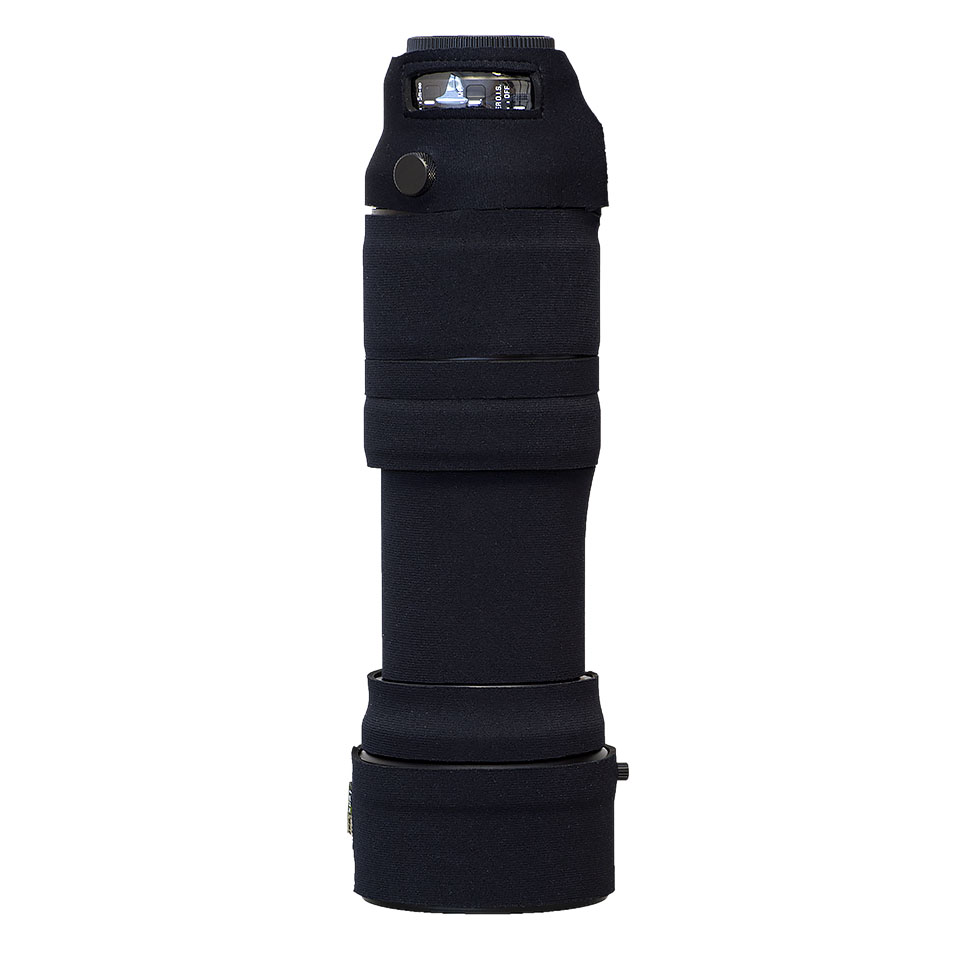
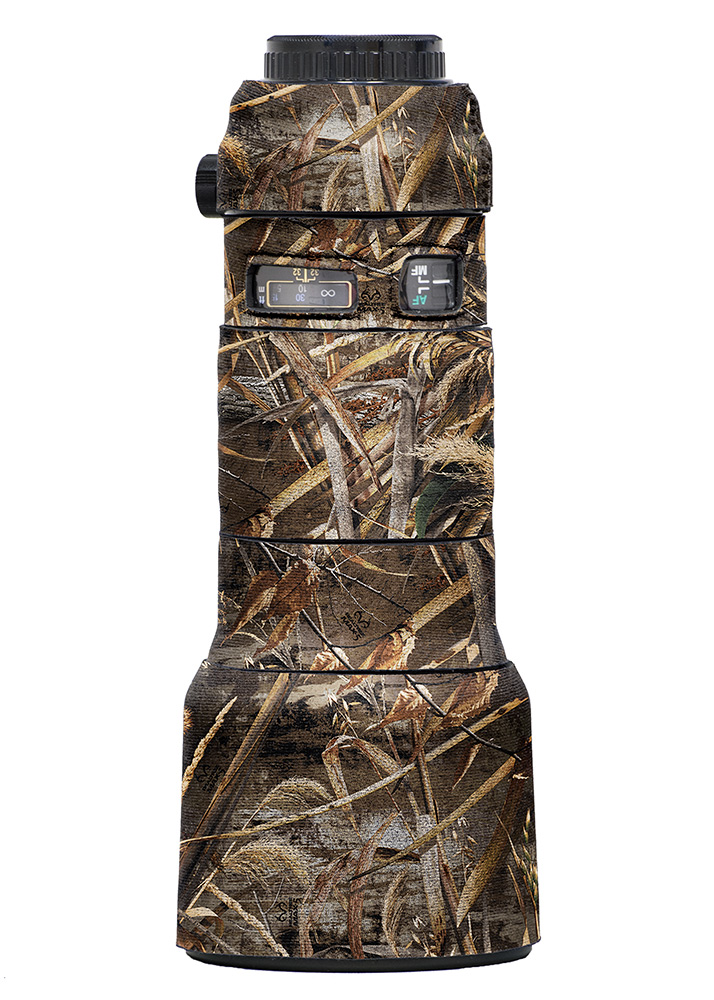
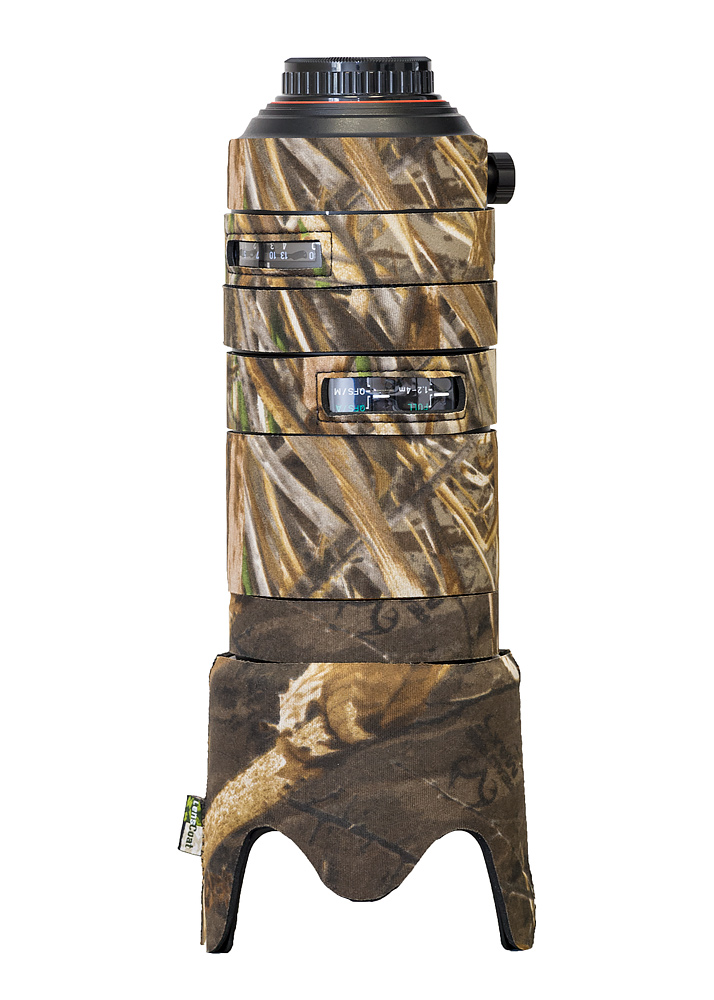
![LensCoat lens cover for Panasonic Leica DG 200 mm f/2.8 Power O.I.S. [H-ES200] - Realtree Max5 - LensCoat Color/Pattern: Realtree Max5 LensCoat](https://www.augenblicke-eingefangen.de/media/44/0f/85/1673876229/lenscoat_lcpa200m5_tm_fuer_panasonic_leica_dg_200_mm_f_28_power_ois_h_es200_ae212592_augenblicke_eingefangen.jpg?ts=1758112722)
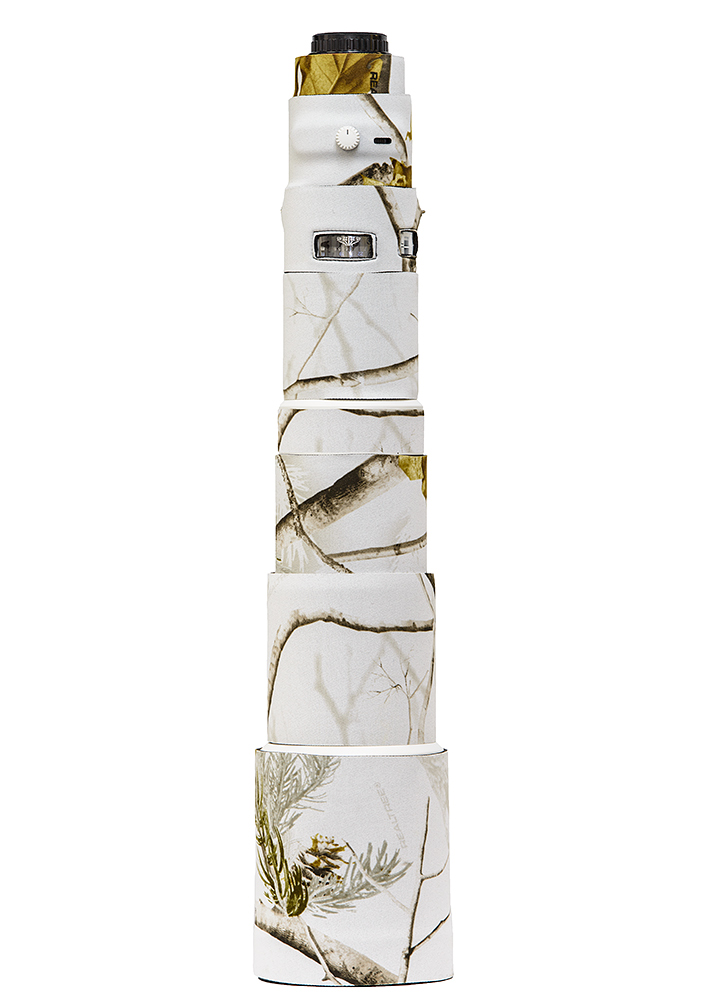
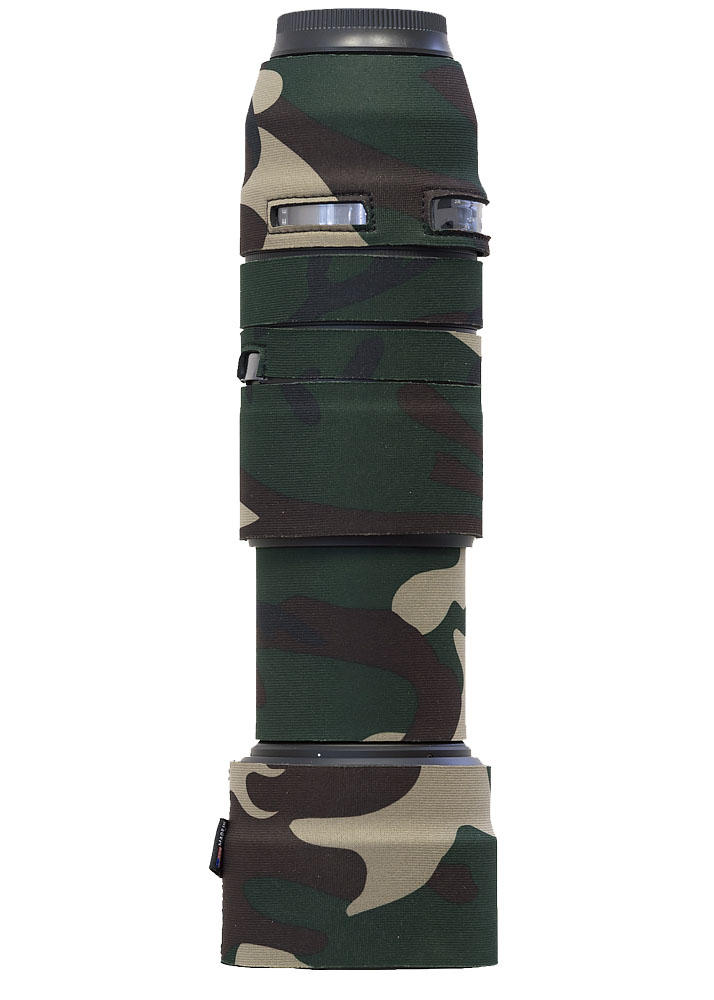
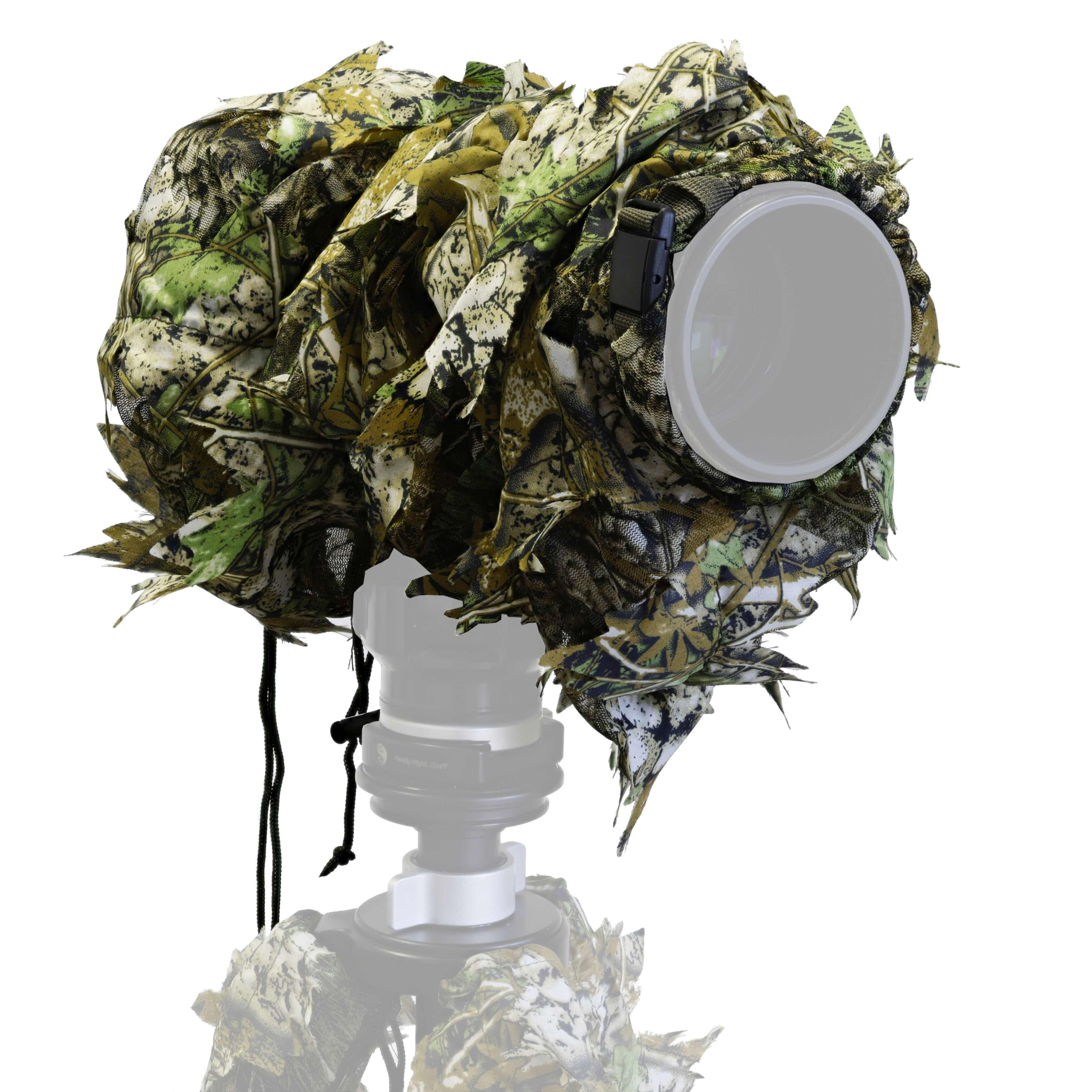
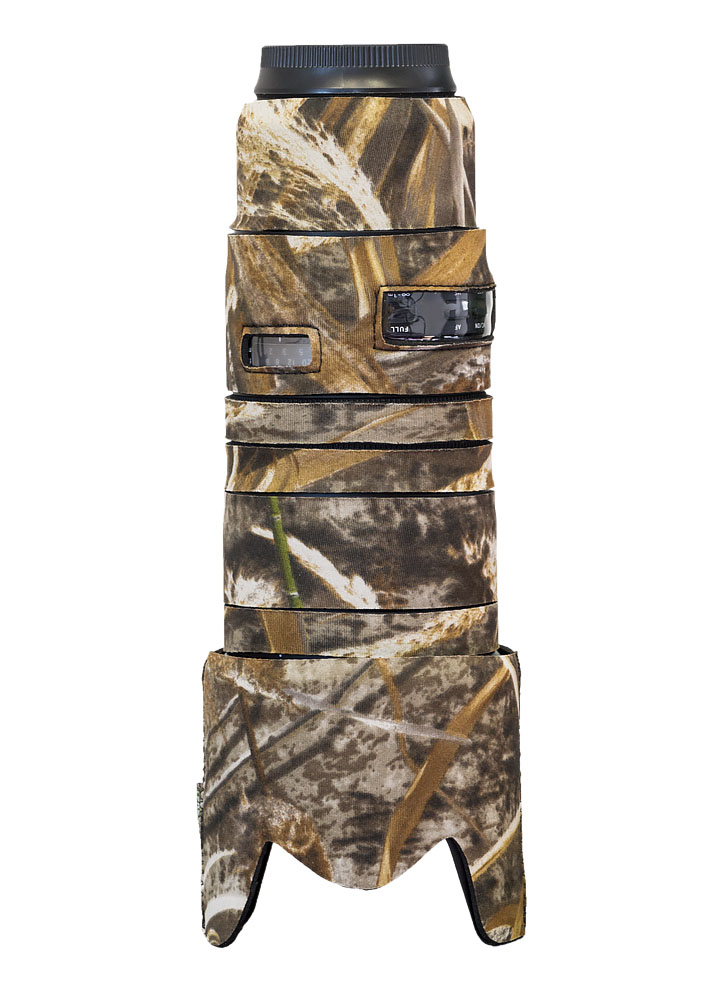
Lens camouflage for other lenses, custom-fit protection
Sometimes it’s like this: you have a great lens, but it simply doesn’t appear in the usual lists. No Canon, no Nikon, no Sony, and yet you want to camouflage and protect your glass as if it were an expensive wildlife flagship. This is exactly where our lens camouflage for other lenses comes into play. For all those Pentax, Panasonic, Tamron or Leica models that otherwise tend to fall under the radar.
We deliberately kept this category open so that you can find a clean, functional camouflage solution even for less common or older lenses. No DIY chaos, no duct-tape experiments that peel off again after two trips in your backpack. Just well-fitting lens covers that stay in place, hold up, and don’t get in the way out in the field.
Neoprene lens protection for Pentax, Panasonic, Tamron and Leica
If you spend a lot of time outdoors, you know this: a small bump against a rock, the camera briefly swinging on the strap into a tripod leg, and your lens already has its first dings. It doesn’t have to be that way. Neoprene lens protection from manufacturers like Lenscoat or Easycover wraps around your lens like a flexible second skin and reliably cushions exactly these everyday impacts.
Neoprene is light, stretchy and surprisingly robust. It protects against scratches, reduces reflections and also provides a pleasantly grippy surface, especially in the cold. This is particularly practical when you’re out with Pentax, Panasonic, Tamron or Leica and can’t fall back on the standard solutions of the big brands. We make sure the segments are designed so that zoom and focus rings remain fully operable and switches are not covered. Sounds obvious, but unfortunately it isn’t always.
Segmented lens covers with two material layers and precise fit
For anyone who prefers something a bit more structured and dimensionally stable, there are segmented lens covers made from two material layers. These models from manufacturers like Rolanpro/Camshield are designed to hug the contours of the lens very closely while providing noticeable protection against impacts and abrasion. Ideally, after a few outings you’ll almost forget there’s a cover mounted at all.
By combining an inner protective layer with an outer camouflage or protective layer, you get lens protection that is convincing both visually and functionally. This segmented design is especially helpful for longer focal lengths or unusual lens shapes, because it is divided into several parts that you can attach individually. This way, access to zoom and focus rings is maintained, and tripod collars or mounts can still be used. You could say your lens remains fully operational, just much better padded.
Lens camouflage as ghillie or 3D camouflage fabric for flexible use
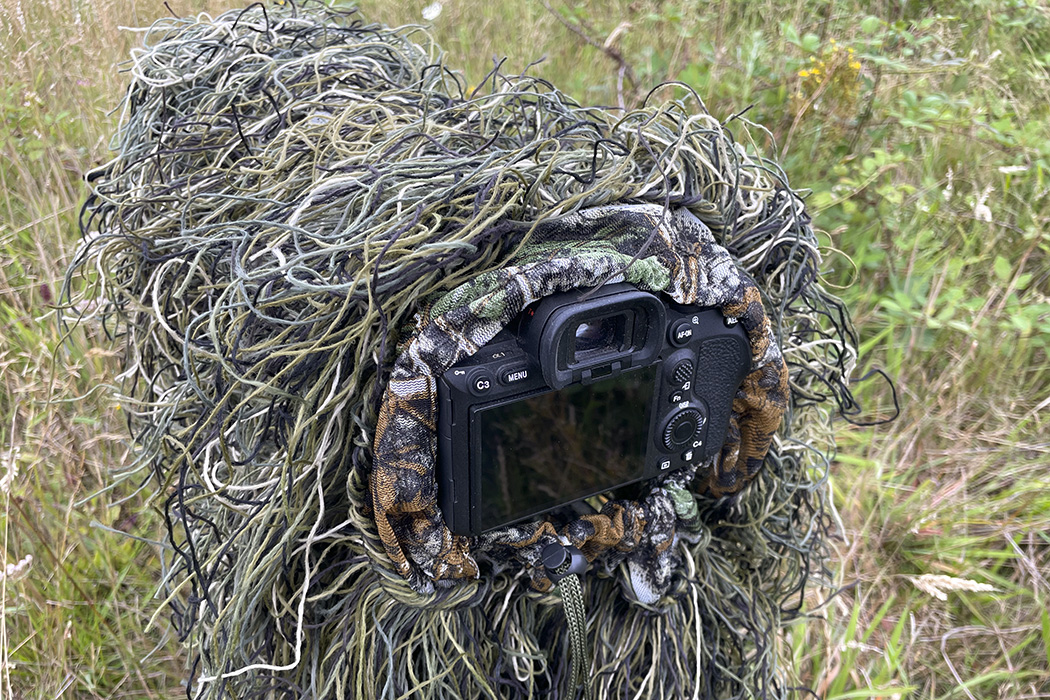
When you really want to blend into your surroundings, simple camouflage colors are sometimes not enough. In situations where birds, wildlife or even very observant people quickly react to shiny or smooth surfaces, 3D lens camouflage comes into its own. Ghillie-like camouflage solutions and 3D camouflage fabrics break up the outline of your lens and ensure that it disappears into the background instead of standing out like a foreign object.
Such camouflage is particularly suitable for hide photography, wildlife in forests, at bodies of water or in open landscapes. Thanks to the three-dimensional structure, light is broken up irregularly, reflections are reduced and the lens appears less like a technical device and more like part of the environment. Admittedly, it sometimes looks a bit like an improvised camouflage net, but that’s exactly what makes the effect so strong.
Which lenses is this category actually suitable for?
This category is aimed at everyone whose lenses do not appear in the classic, brand-specific camouflage lists. So if you’re out with Pentax K-mount, Panasonic MFT, Tamron zooms on different mounts or Leica optics and can’t find a precisely named cover, you’re pretty much in the right place here. Many of the solutions offered here are based on length, diameter and design, not just the brand name.
It’s worth taking a quick measurement. Length of the lens with lens hood, largest diameter, position of zoom and focus rings. With this information you can specifically search for lens protection that fits your model, even if it doesn’t officially appear in every product description. We believe that this slightly more flexible approach is exactly what ensures that less common lenses can also be properly protected and camouflaged.
Why lens camouflage is more than just a camouflage pattern
Lens camouflage sounds at first like it’s purely about looks. Camouflage pattern here, camo there. In practice, however, it’s about three things at once: protection, camouflage and handling. Good lens protection reduces scratches and paint damage, cushions minor impacts, prevents distracting reflections and ideally even improves the grip of the lens. You’ll really notice the difference in rain, cold or when wearing gloves.
In addition, well-thought-out lens camouflage helps you work more discreetly in the field. Animals react less to conspicuous light reflections, and even in urban situations a camouflaged lens often appears less obtrusive. It’s not about hiding completely, but about not attracting unnecessary attention. A little less bling, a bit more focus on the subject.
How to choose the right lens camouflage for your model
The easiest way is to briefly think about how and where you primarily shoot. If you hike a lot, travel, or frequently carry your gear in a backpack, segmented neoprene lens protection is often the most practical solution. It’s light, quick to mount and reliably protects against typical signs of everyday use. For longer wildlife sessions or stationary setups, 3D or ghillie camouflage can be useful because it breaks up the contours of your lens more strongly.
When choosing, pay attention to information about lens length, diameter and compatibility with lens hoods or tripod collars. If you’re torn between two sizes, it’s sometimes better to choose the slightly tighter option so the cover doesn’t slip later. There’s a bit of trial and error involved, but once the camouflage fits, it usually stays in use for a long time.
Conclusion for your lenses off the mainstream
Just because your lens doesn’t belong to the usual suspects doesn’t mean you have to go without professional lens protection and effective lens camouflage. In this category you’ll find neoprene solutions, segmented covers with two material layers and flexible ghillie or 3D camouflage fabrics that are suitable for a wide range of Pentax, Panasonic, Tamron and Leica lenses, as well as for other, less common models.
If you want to protect your lens in the long term, work more discreetly in the field and at the same time enjoy more pleasant handling, you’re in very good hands here. Take your time to look around, compare lengths, diameters and designs, and choose the lens camouflage that fits your style, your field of use and, of course, your lens.
BLOG posts

Important note about the previous Monostat foot and its replacement
Everything that characterized the Monostat foot can also be done by this new tripod foot, and some things even better, since it was designed from the outset for easier mounting with a 3/8" standard thread.
What made the Monostat foo...
not in stock, the item will be ordered for you

Precise focus bracketing for later stacks
Exact macro focus brackets for later calculation of a stack are easy to create...
.
.
Important basics for clean results
...
.
if you follow some fundamental requirements.
Equipment used in macro photography
For macro photography I work with the Canon EOS R5, ...
not in stock, the item will be ordered for you

Reliable protective cap for the sensitive front lens
The front lens of a lens is one of the most sensitive and at the same time most important components of your camera equipment.
Even small scratches, dust particles or impacts can impair image quality in the long term or make expensive repairs nece...
not in stock, the item will be ordered for you

Protective solution for the safe transport of large telephoto lenses
LensCoat TravelCoat, secure transport protection for large telephoto lenses
Large telephoto lenses are among the most valuable components of many photography kits.
Especially in
wildlife, nature and sports photography, long foca...
not in stock, the item will be ordered for you

How to find the right tripod leg protector
It is relatively easy to find the right tripod leg protector for your tripod.
The LensCoat Wraps are available in two different versions (apart from the many sizes and camouflage patterns).
Measuring diameter and length
The sizes
You measure the diamete...
not in stock, the item will be ordered for you

Wintry extreme cold as a photographic opportunity
Due to the frost that has persisted for a longer period this year, at times with double-digit sub-zero temperatures, this winter is very interesting for us nature photographers.
Icy scenes: rare subjects with a downside
There are subjects that are o...
not in stock, the item will be ordered for you

Telephoto Lens Covers in Everyday Wildlife Use: LensCoat vs.
Rolanpro (Tragopan) Compared
In professional wildlife photography, the telephoto lens is the central tool, but at the same time the most sensitive and expensive element of the equipment.
Super-telephoto lenses with focal lengths of 4...
not in stock, the item will be ordered for you

Weatherproof protection for camera and lens, suitable solutions for outdoor and wildlife photography
Anyone who regularly shoots outdoors knows: the weather rarely sticks to your plans.
Especially in
wildlife, nature and sports photography, many of the most exciting images are created in rain, f...
not in stock, the item will be ordered for you
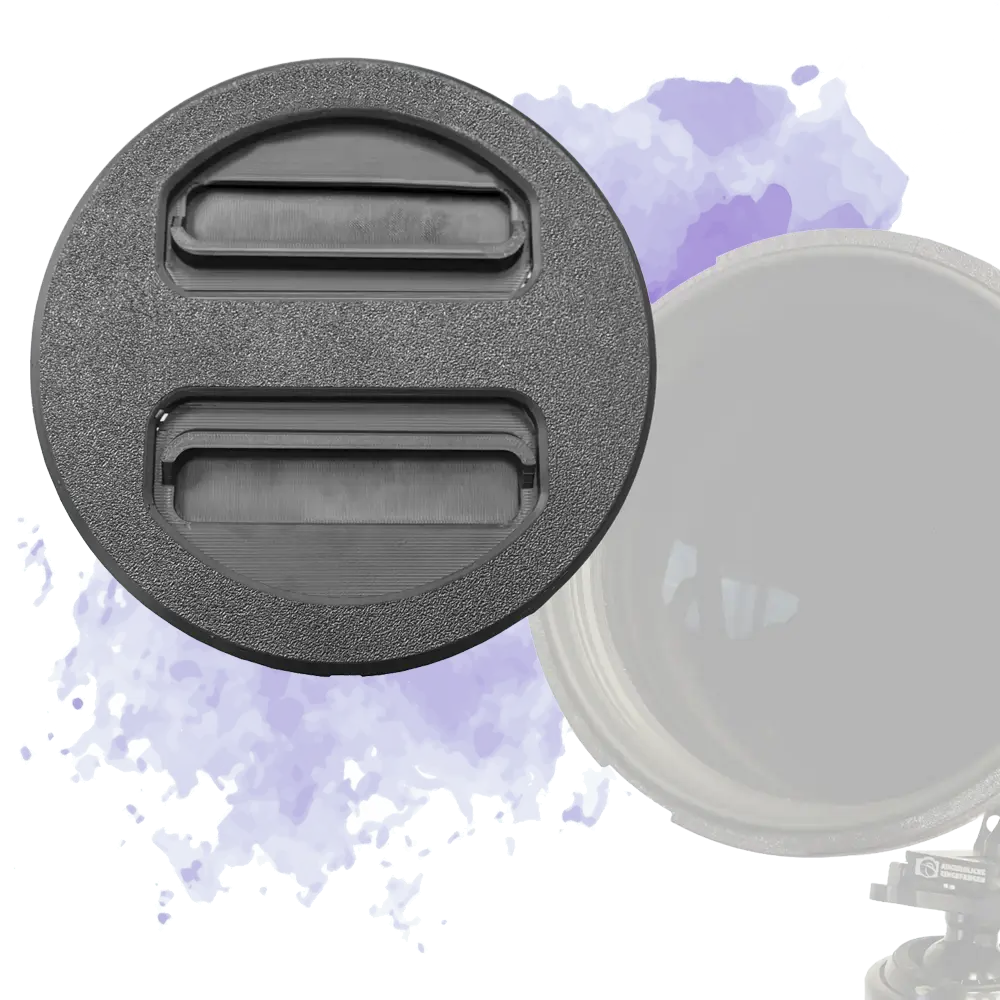
Snap-on lens caps for large telephoto lenses: BigLensCaps as a precisely fitting front element protection Anyone who photographs with large telephoto lenses, for example in wildlife, sports or nature photography, knows the problem: The front element of a super-telephoto lens is large, delicate an...
not in stock, the item will be ordered for you
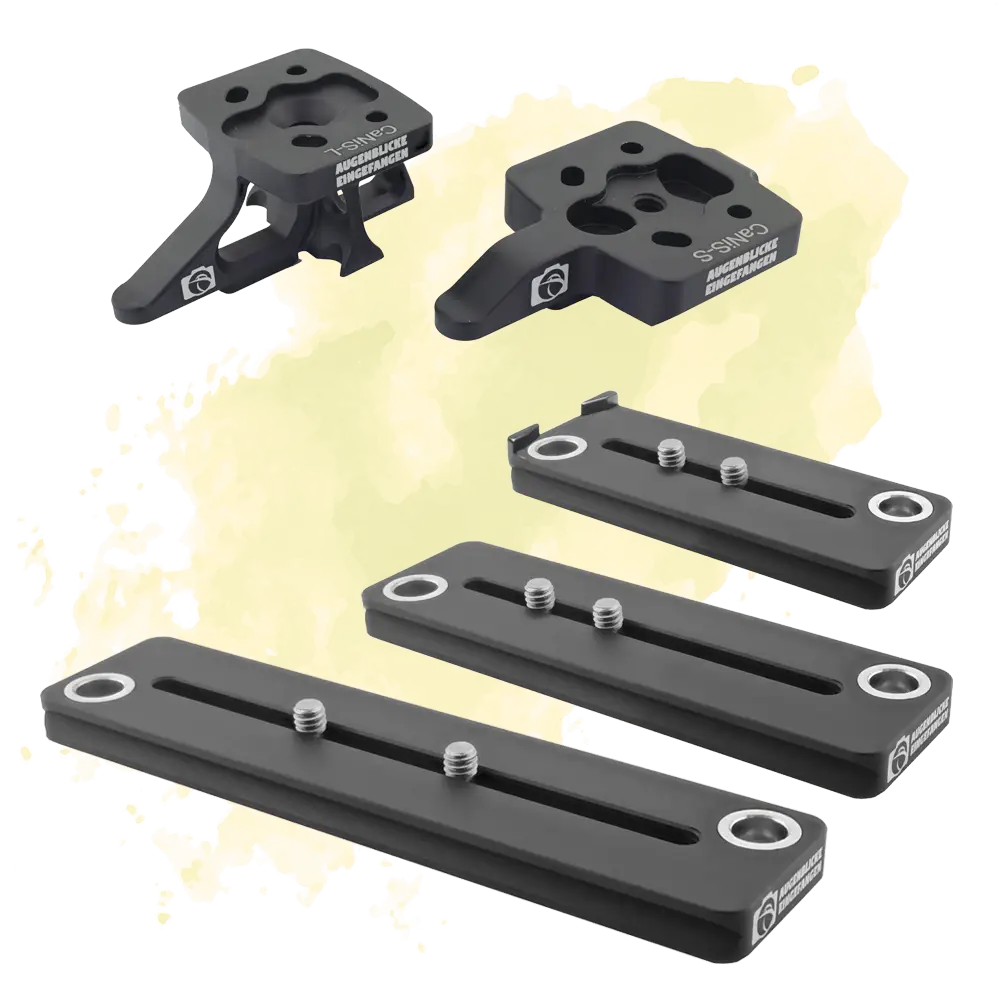
Discover the innovationModular replacement feet for telephoto lenses from Augenblicke-eingefangen
For ambitious photographers who are always looking for the perfect balance between stability and flexibility, the modular replacement feet from Augenblicke-eingefangen offer a modern solution.
These in...
not in stock, the item will be ordered for you

FAQ about the Flexshooter tripod head
When you start looking into the Flexshooter tripod head, the question usually isn’t whether to get one, but rather the famous “Yes, but which one exactly?
”.
In this FAQ about the Flexshooter tripod head we’ve collected the typical questions we get more frequen...
not in stock, the item will be ordered for you

Modular mounting system for camera backpacks
The MOLLE system on camera backpacks – modularity for photographers
The MOLLE system (Modular Lightweight Load-carrying Equipment) has also become established in the field of
photography in recent years.
Originally developed for the military, this modu...
not in stock, the item will be ordered for you

Somehow the camera gear has to be carried.
But how do you attach the camera strap to your camera or your lens?
Traditionally, a carrying strap is attached to two lugs on the camera; with heavy lenses, a carrying strap is attached via lugs on the tripod collar.
This is often annoying,...
not in stock, the item will be ordered for you
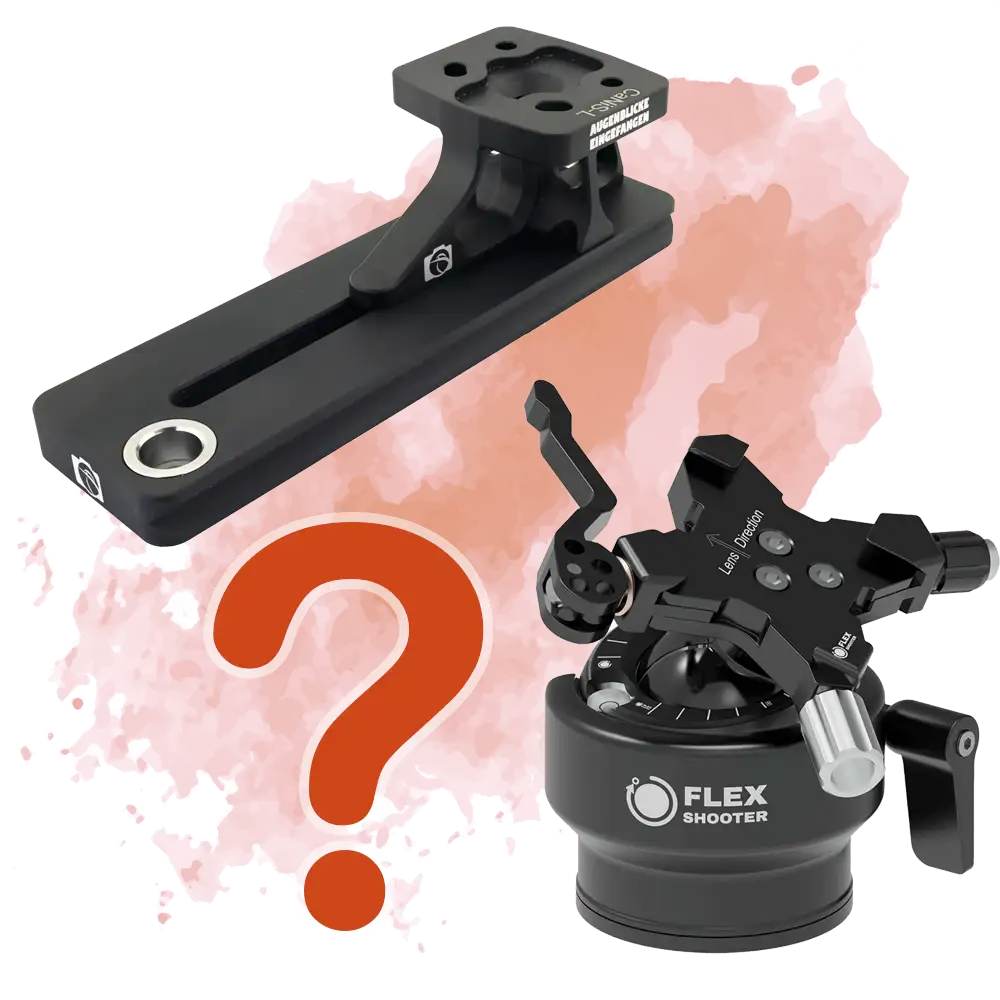
The Flexshooter tripod headsaccept almost all camera plates and L-brackets, lens plates and replacement feet with Arca-compatible profile with a width of 38 mm.
Flexshooters with lever clamp are a bit more tolerant; here you can readjust the clamp width so that your camera or lens sits really firmly ...
not in stock, the item will be ordered for you
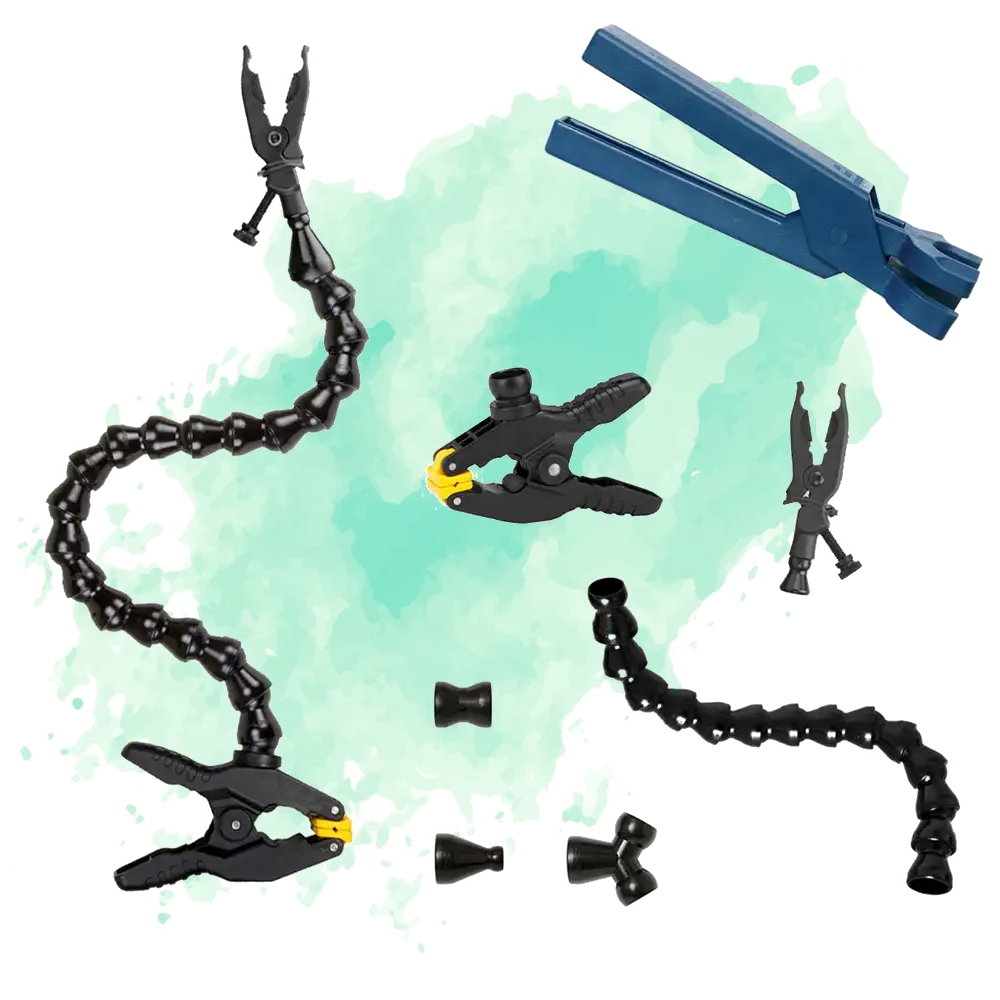
Macro accessories from Wimberley, the Plamp Family for precise macro photography Anyone who seriously engages in macro photography sooner or later stumbles over the same situation: the subject is beautiful, but the light isn’t right, a light breeze tugs at the blossom, and the diffuser is lying some...
not in stock, the item will be ordered for you
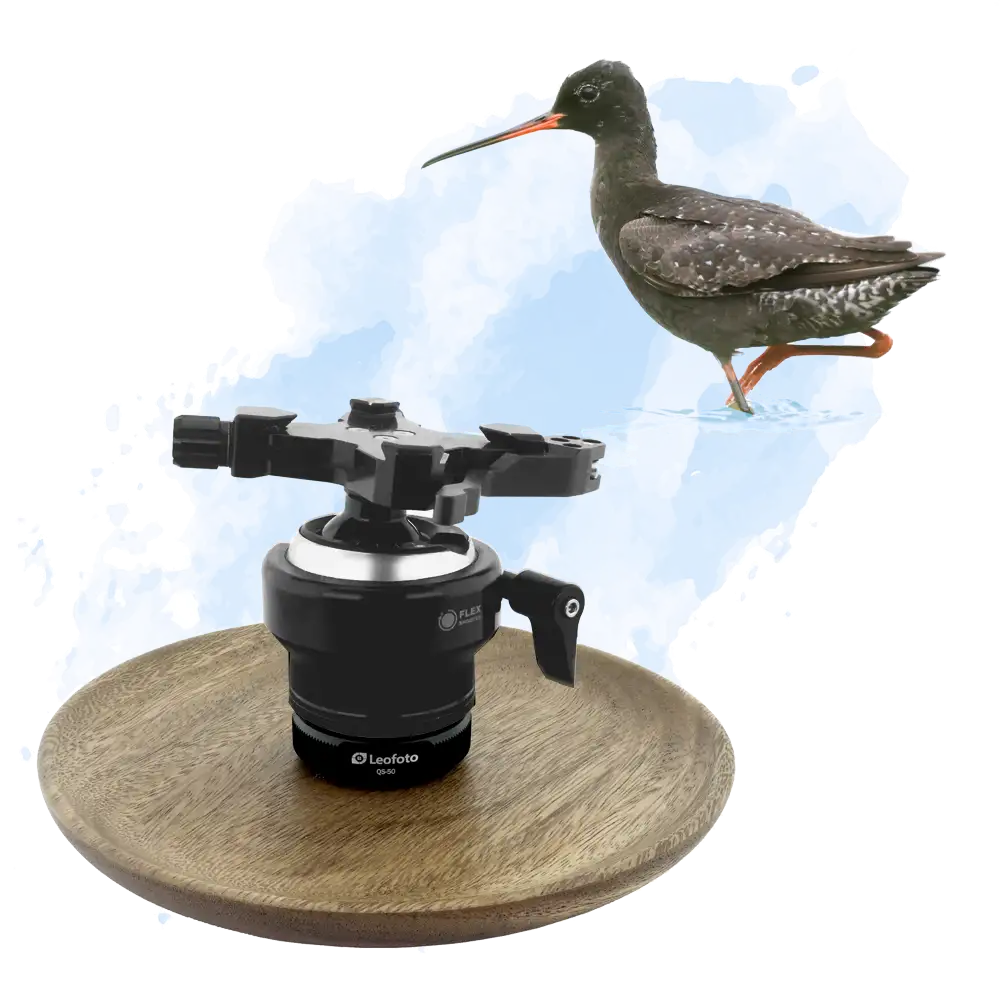
The bird migration has begun...
At the Baltic Sea, I have the opportunity to photograph waders both on the beach and at waters with shallow shorelines or flooded meadows.
On the beach, it is often enough to lie on your stomach and wait for the animals to come within photo distance.
It's quite differen...
not in stock, the item will be ordered for you
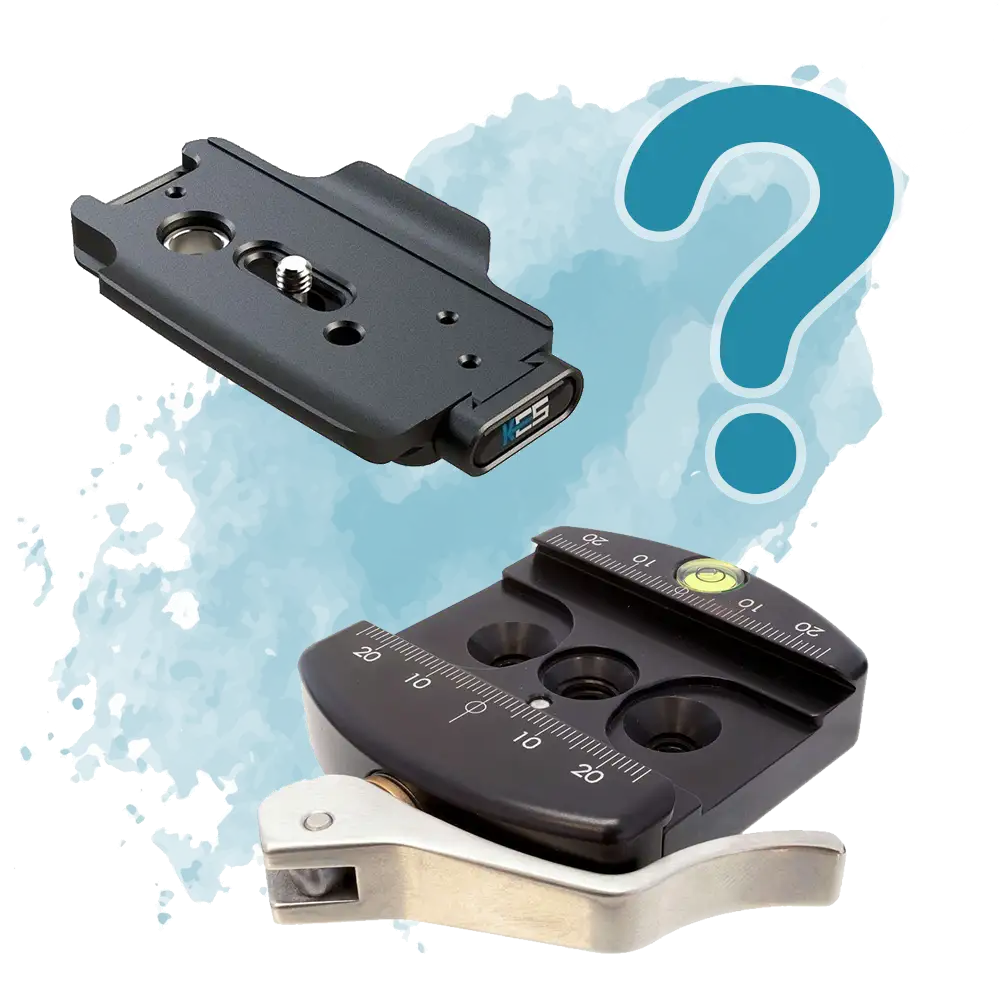
…unfortunately not very much.
In this post, we will gradually test and publish the compatibility of quick release components from various manufacturers.
Listed below, you will find which 38 mm dovetail systems are compatible with each other and which do not fit together.
For this, one must look f...
not in stock, the item will be ordered for you