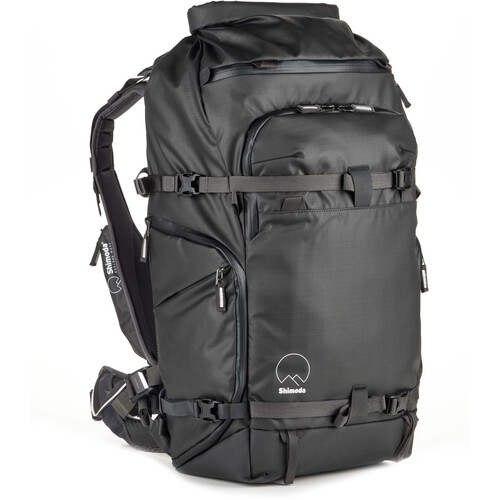
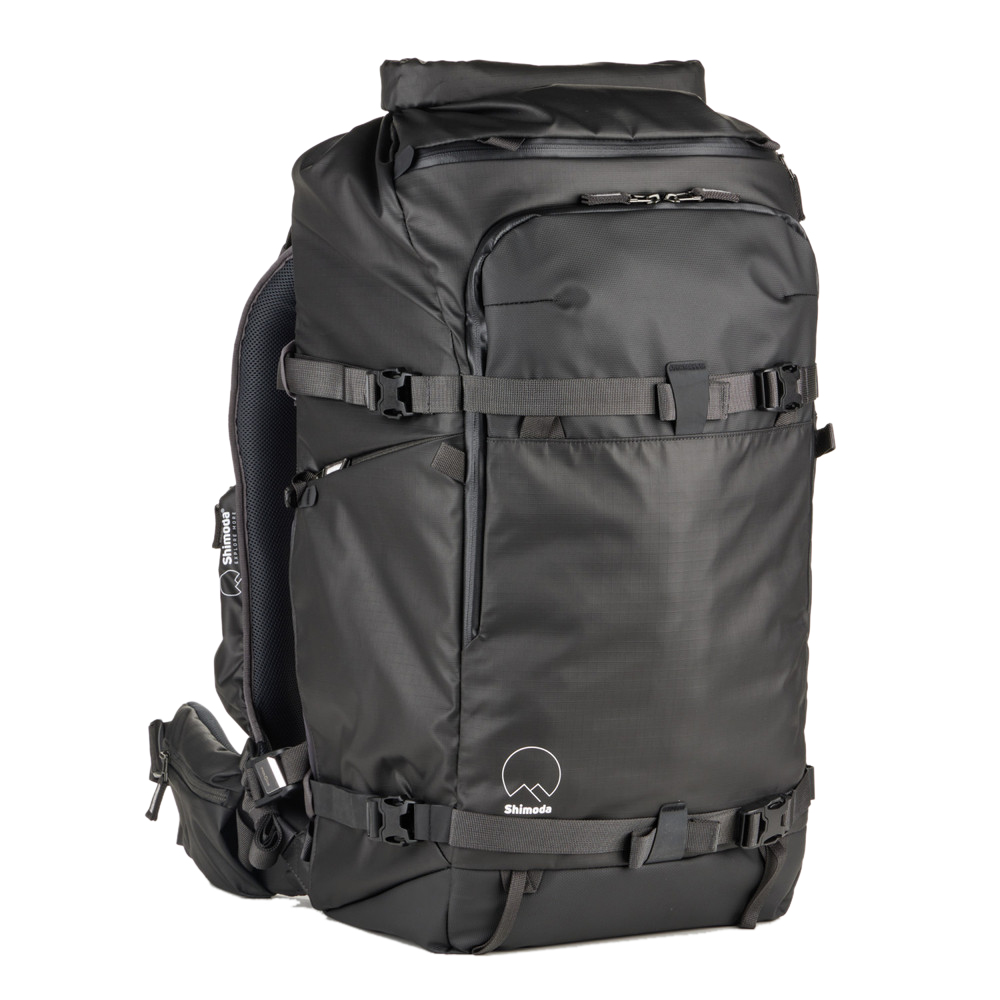
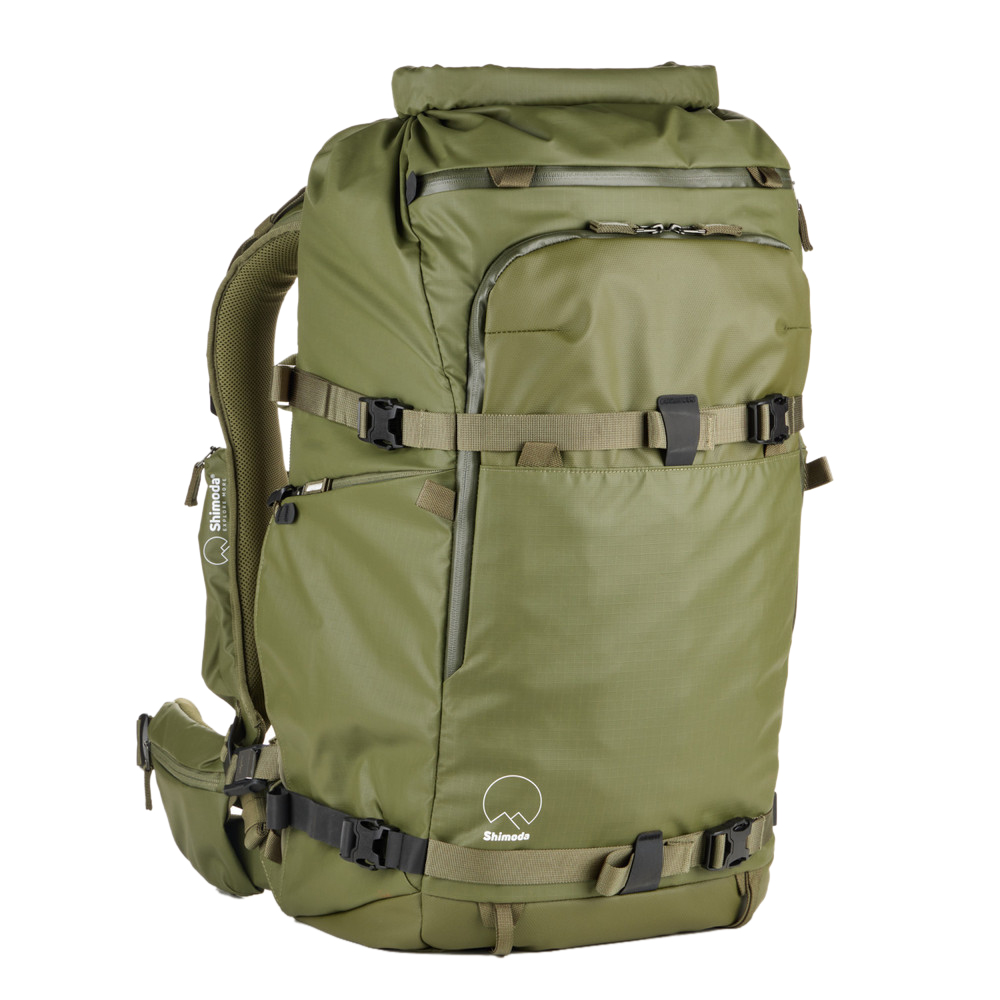
You notice it immediately with Shimoda backpacks: they’re not designed for leisurely strolls in the city park, but for days when the alarm goes off way too early, the coffee stays half-finished, and you’re still standing there grinning on the ridge in the first light. Since 2017, Shimoda has been developing well‑thought‑out camera backpacks and camera bags that are built precisely for those moments. Robust, ergonomic, surprisingly flexible and, honestly, far less fiddly than much of what you might be used to.
Shimoda Designs was founded in 2017 by photographers Ian Millar and Peter Waisnor. So, by people who know exactly what a fully packed backpack feels like after an eight‑hour ascent. The focus is on durable, modular camera backpacks for outdoor, travel and adventure photography. Series like Action X and Explore are designed to combine camera gear, outdoor gear and personal items so that you don’t have to constantly repack just because your plan changes.
We keep finding that Shimoda bags almost seem a bit underchallenged in everyday life. They’re built for changeable weather, rough terrain and long travel days. So if you’re the type who turns around at the first puddle, they might be a bit overkill. For everyone else, they’re a pretty solid solution.
Especially with photo equipment, the weight adds up quickly. That’s why Shimoda relies on very ergonomic carrying systems with adjustable shoulder straps, wide hip belts and cleverly positioned load control straps. It sounds technical, but in everyday use it’s the difference between “still just about okay” and “okay, that really was too much.”
Many models can be adjusted to different torso lengths. This way the backpack sits closer to the body and wobbles less, which is a real advantage especially when climbing, ski touring or on the bike. We’d say it feels more like a good trekking backpack with a camera insert, not like a camera bag with straps tacked on.
The Shimoda Action X series is aimed at everyone who is constantly on the move. If you’re out with skis, snowboard, bike or on foot and still want your camera always within easy reach, you’re in the right place here. The backpacks are weather‑resistant, very robust and designed for quick access.
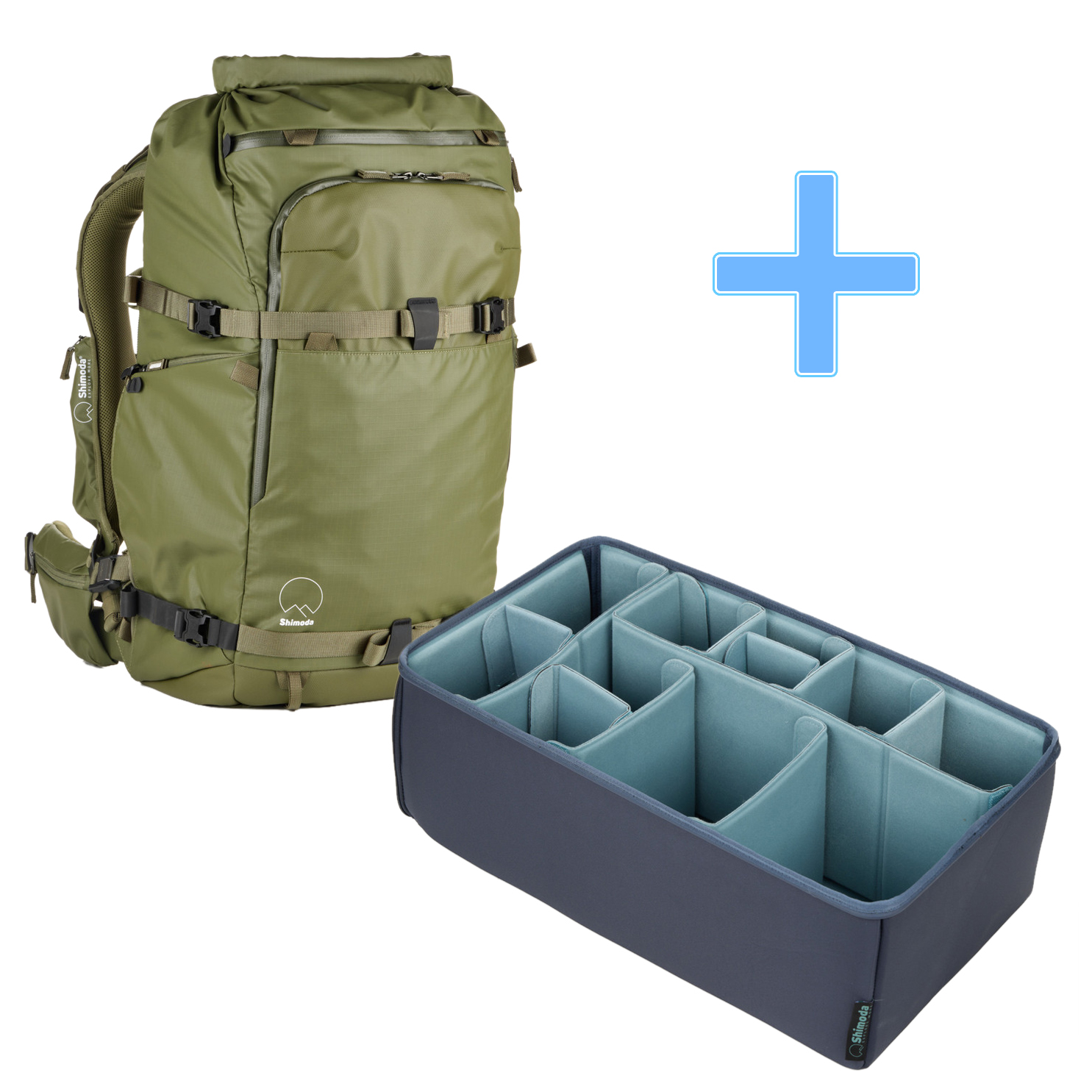
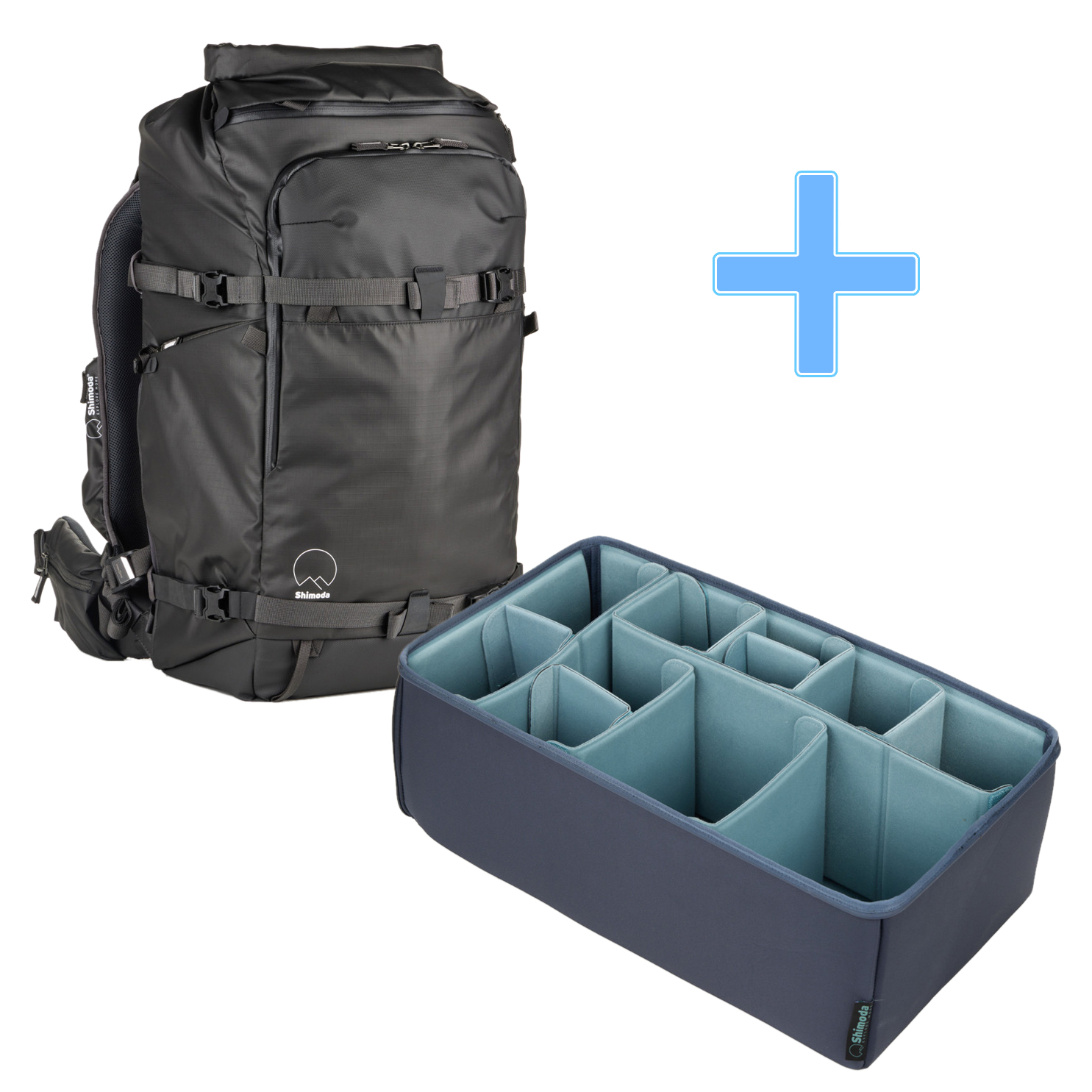
Typical for Action X are the side camera access and the ability to flexibly organize the interior with Core Units. For example, you can store camera and lenses at the bottom and clothing, drone or provisions at the top. If you’re carrying less photo gear, you simply use the backpack as a full‑fledged outdoor pack. That’s practical because you don’t need a different system for every trip.
The Explore series is a bit more understated in design, but no less well thought out. It’s aimed at travel and landscape photographers who are on the road a lot, often by plane, train or bus, and who are looking for a balanced mix of comfort, protection and organization.
Thanks to the modular interior layout, Explore backpacks adapt very well to different setups. Sometimes with two camera bodies and several lenses, sometimes with just one camera and more clothing for a weekend trip. Many models are sized to work as carry‑on luggage, which simply saves nerves on longer journeys.
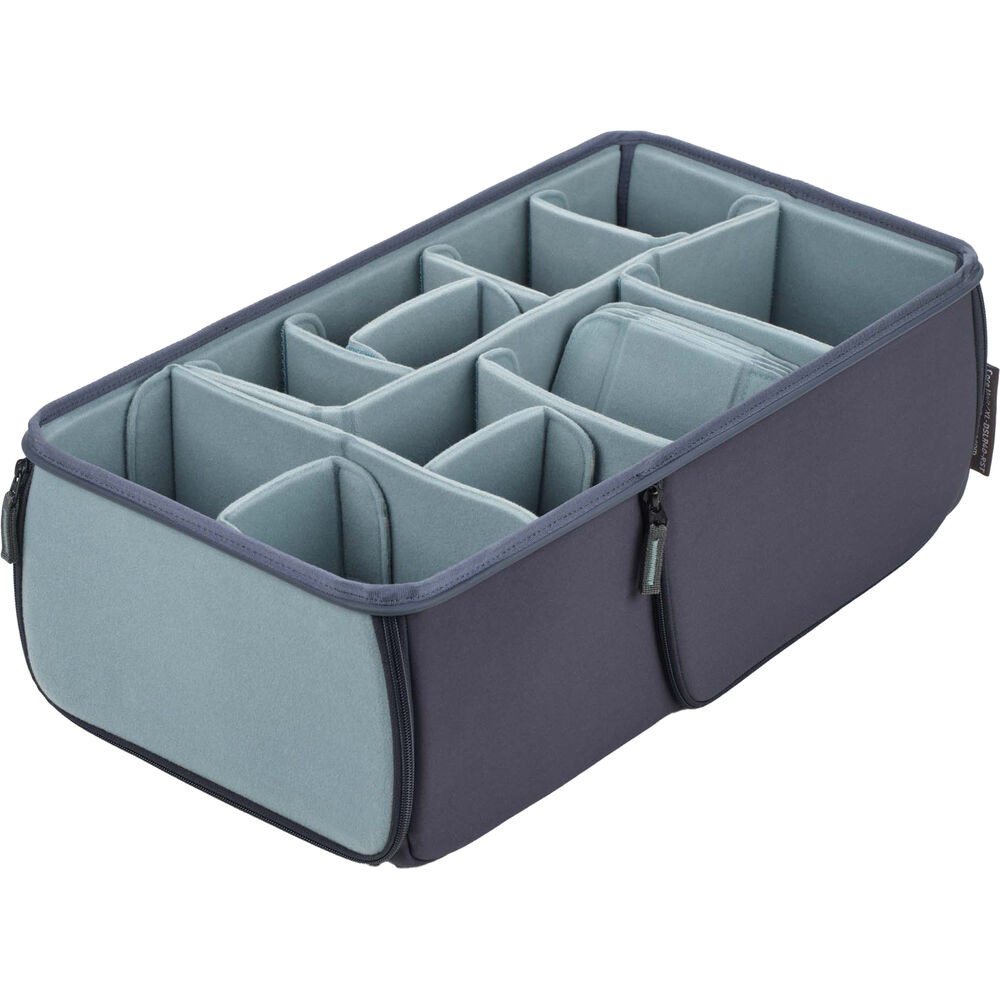
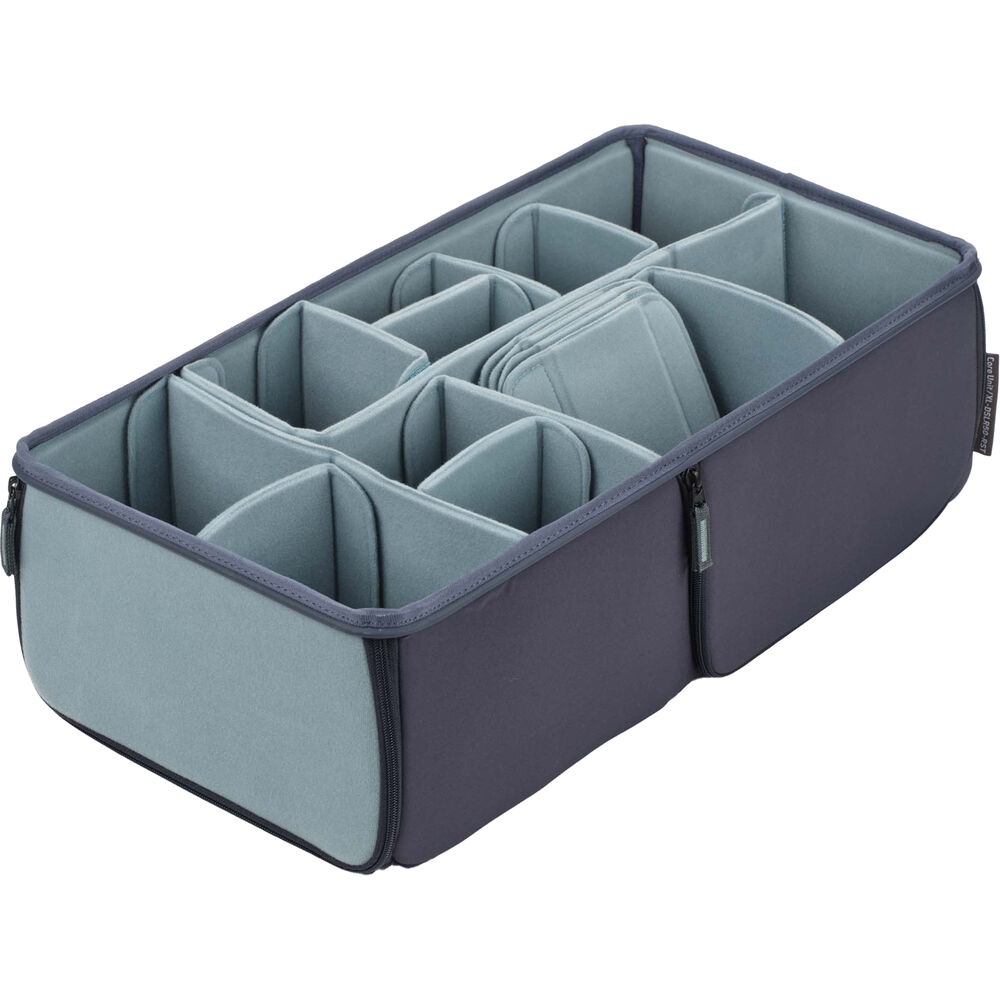
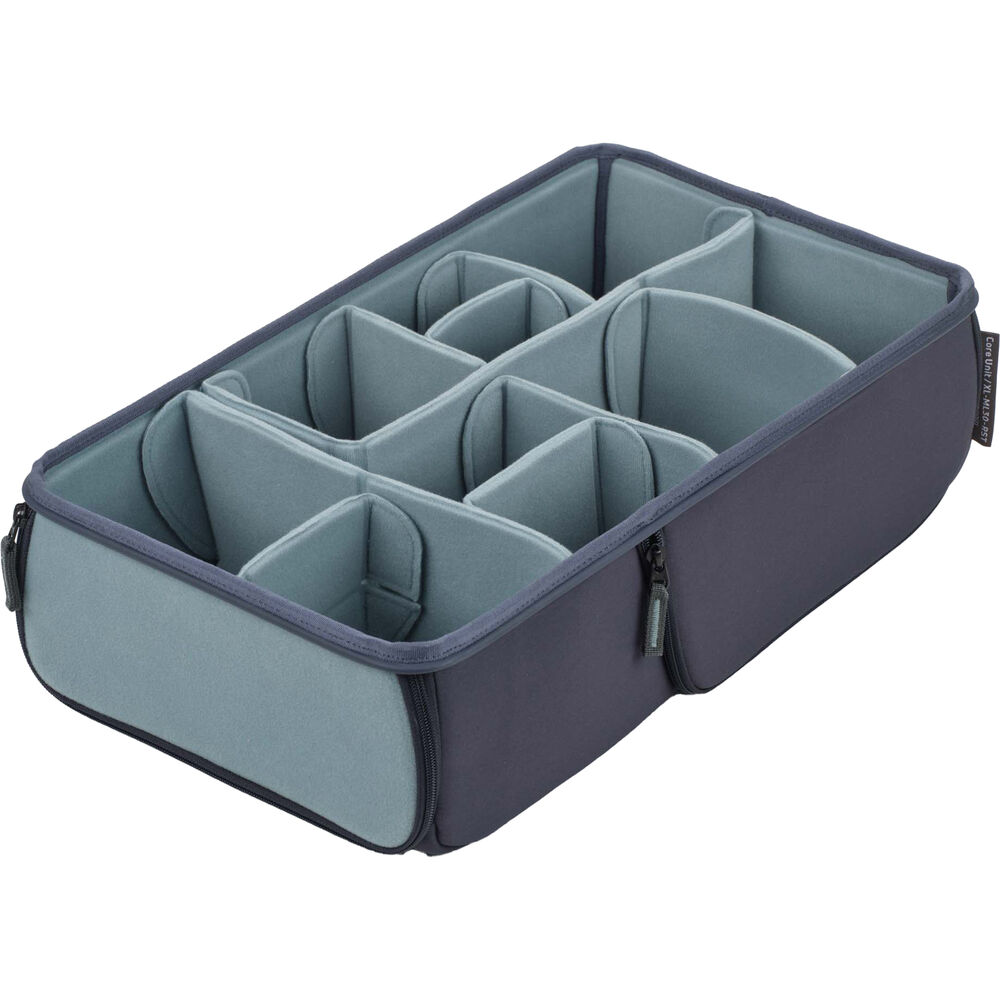
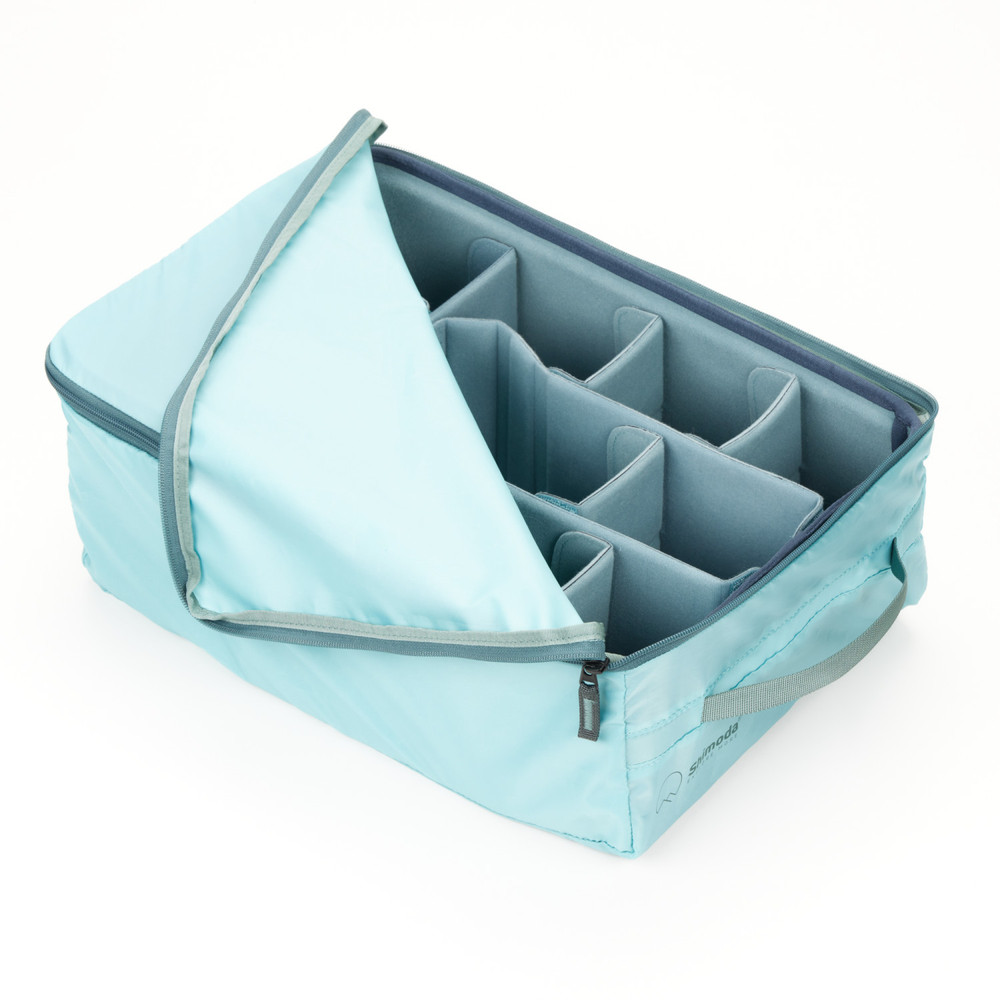
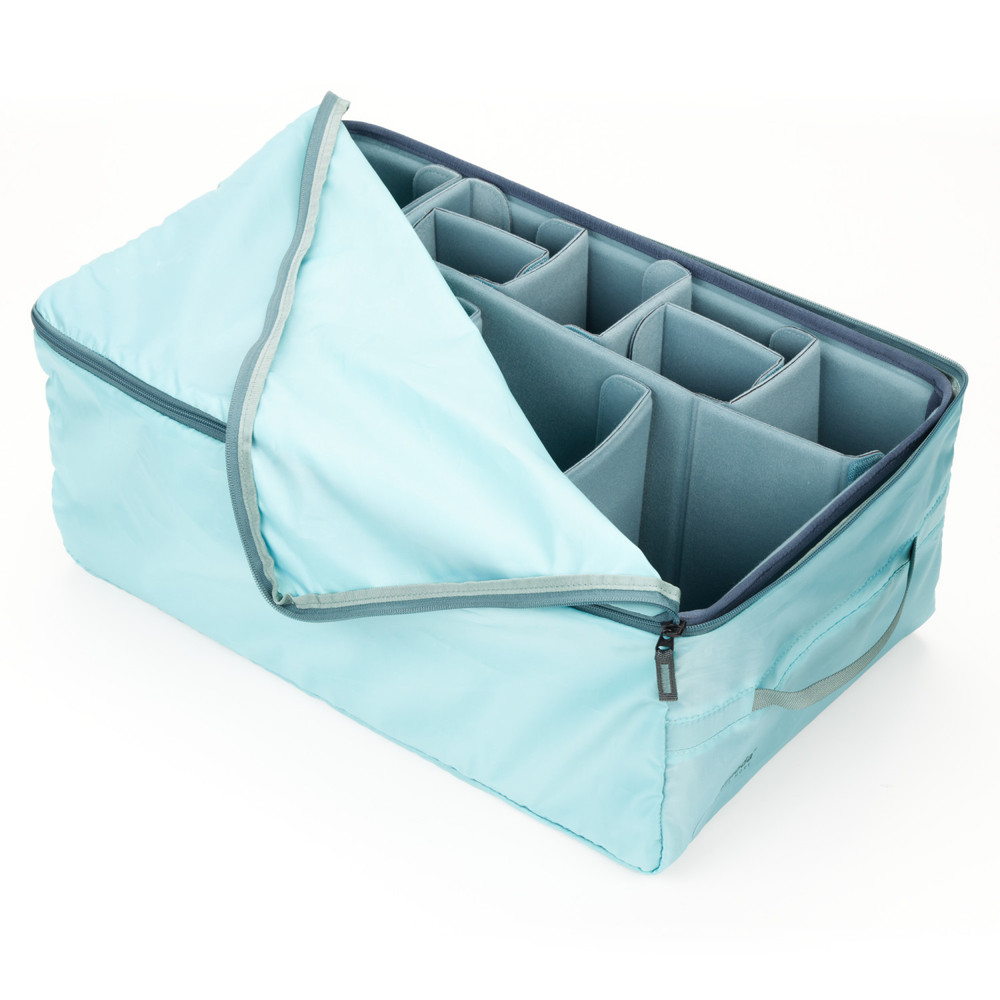
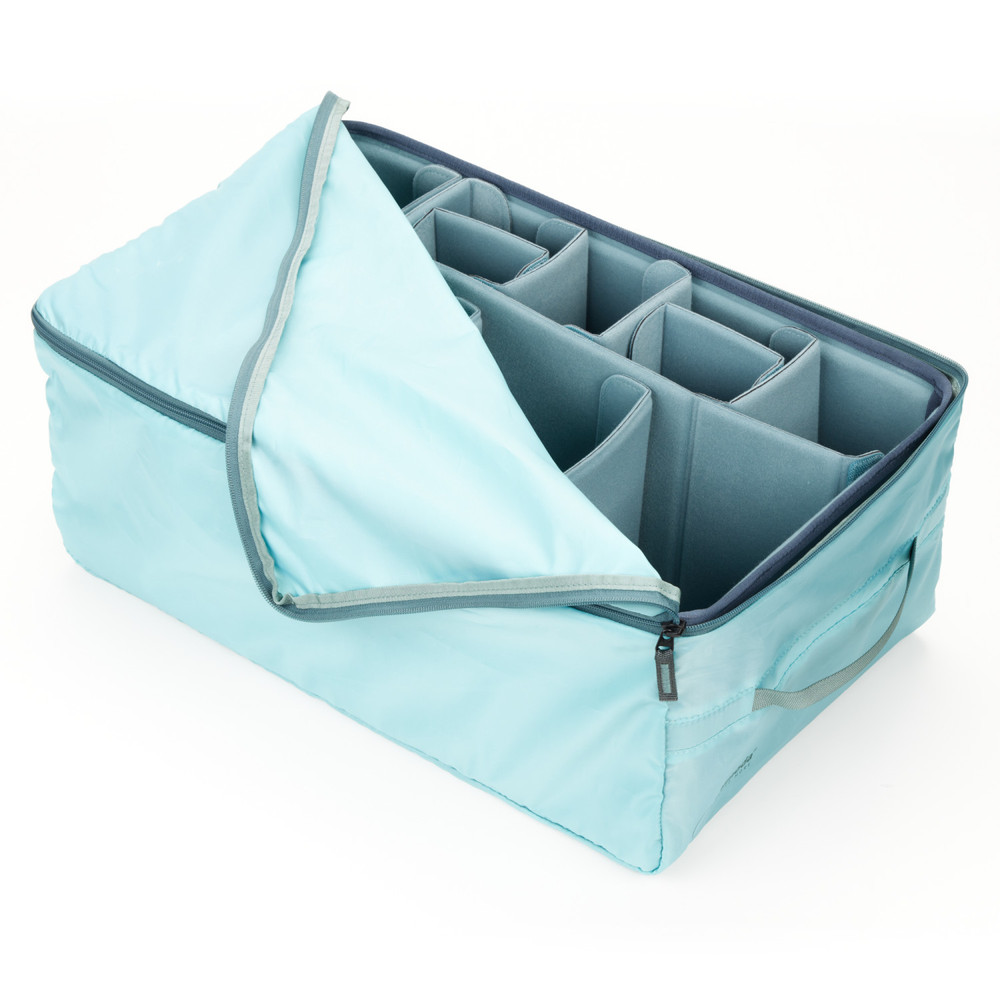
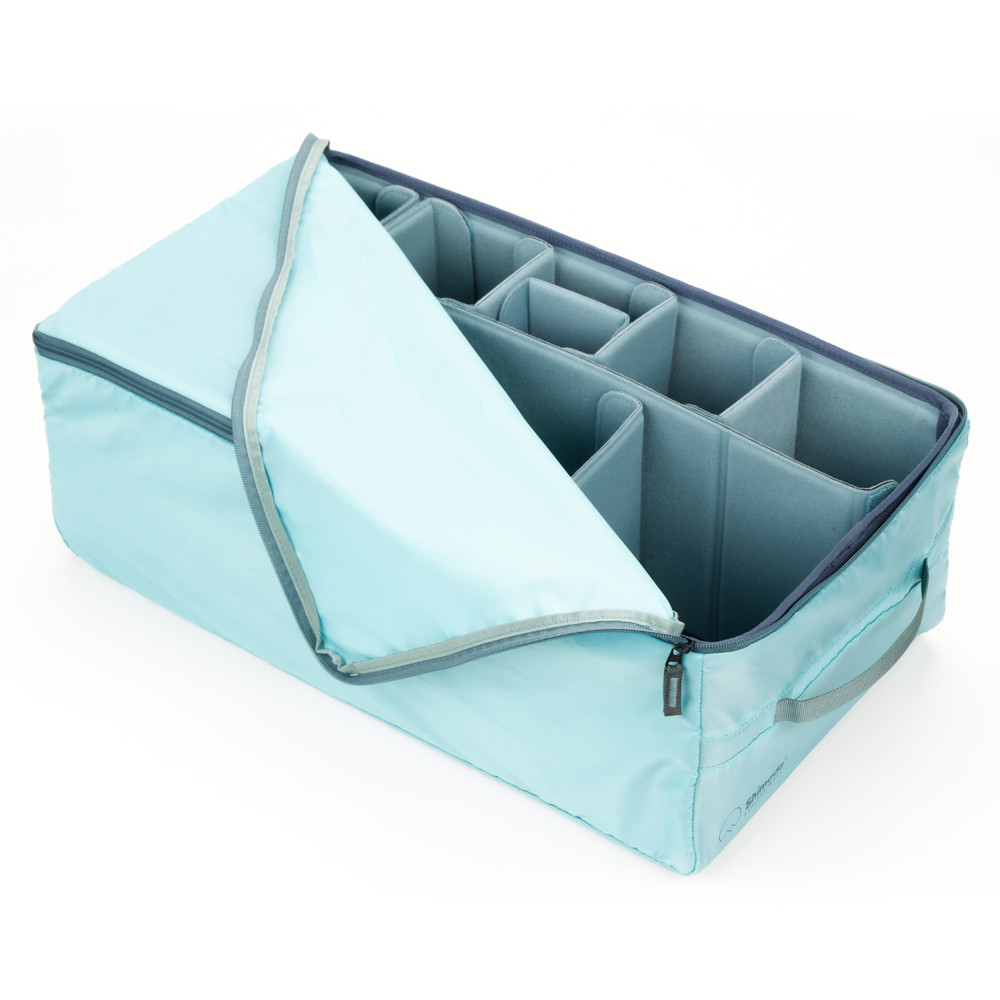
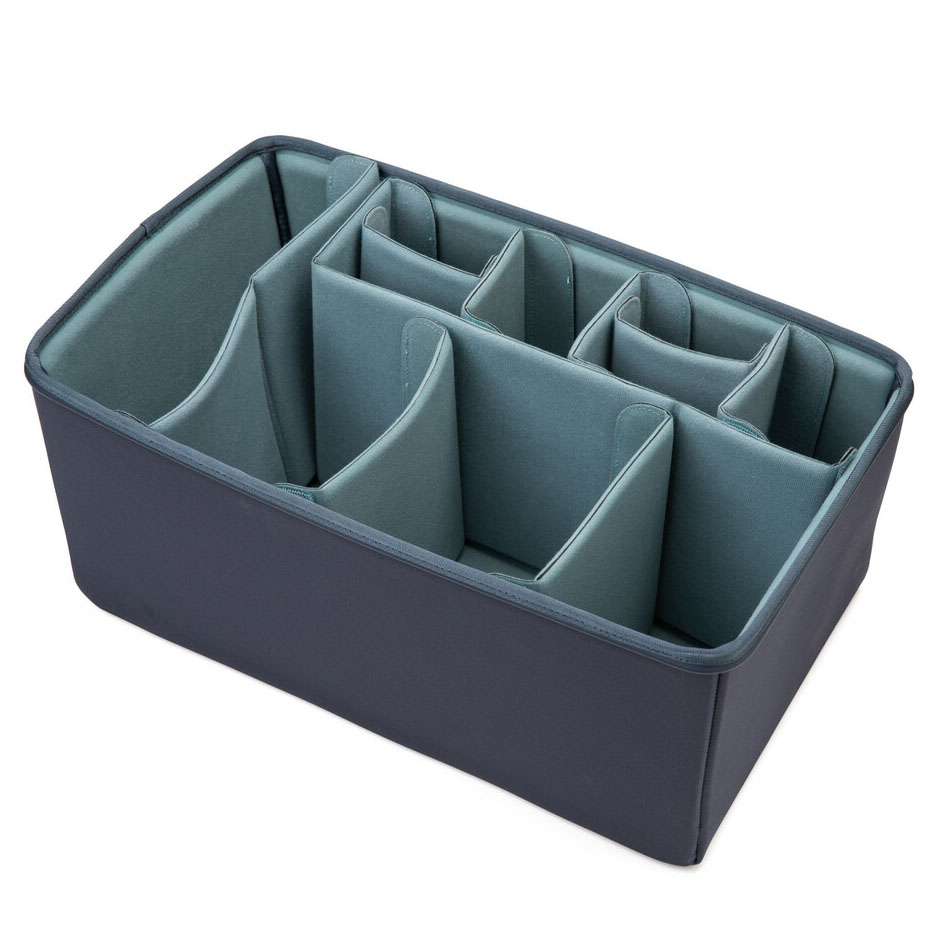
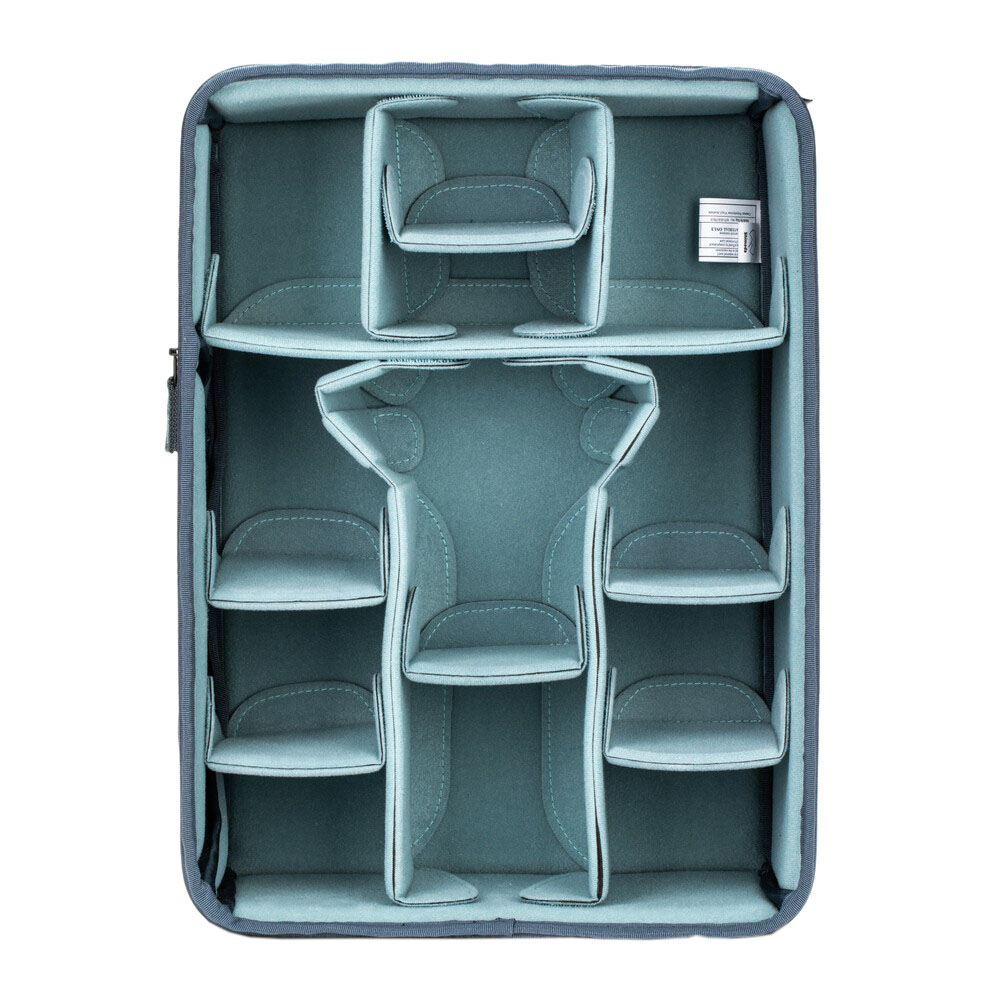
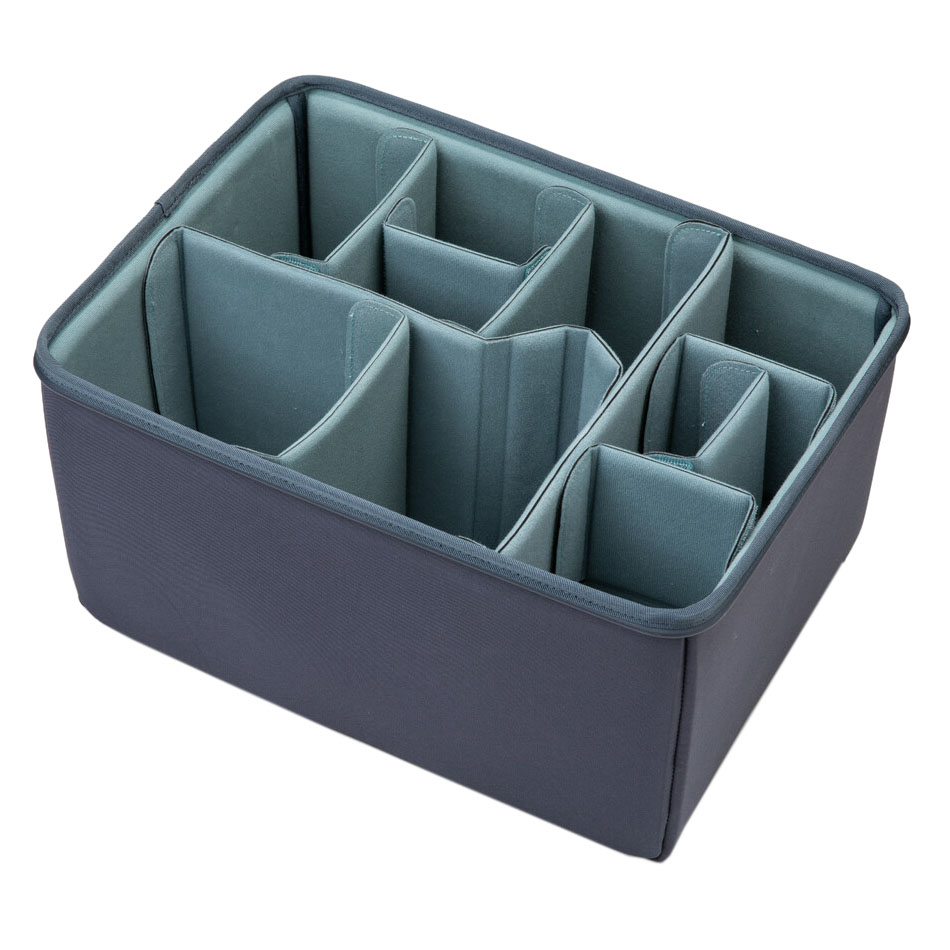
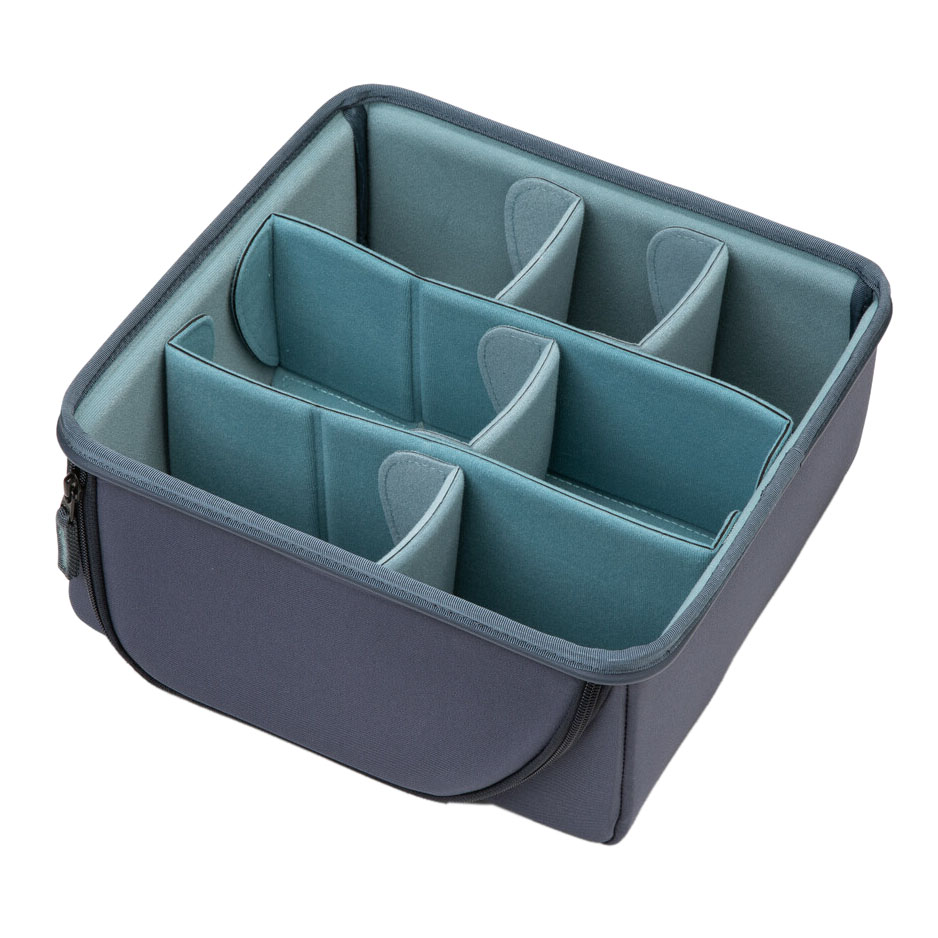
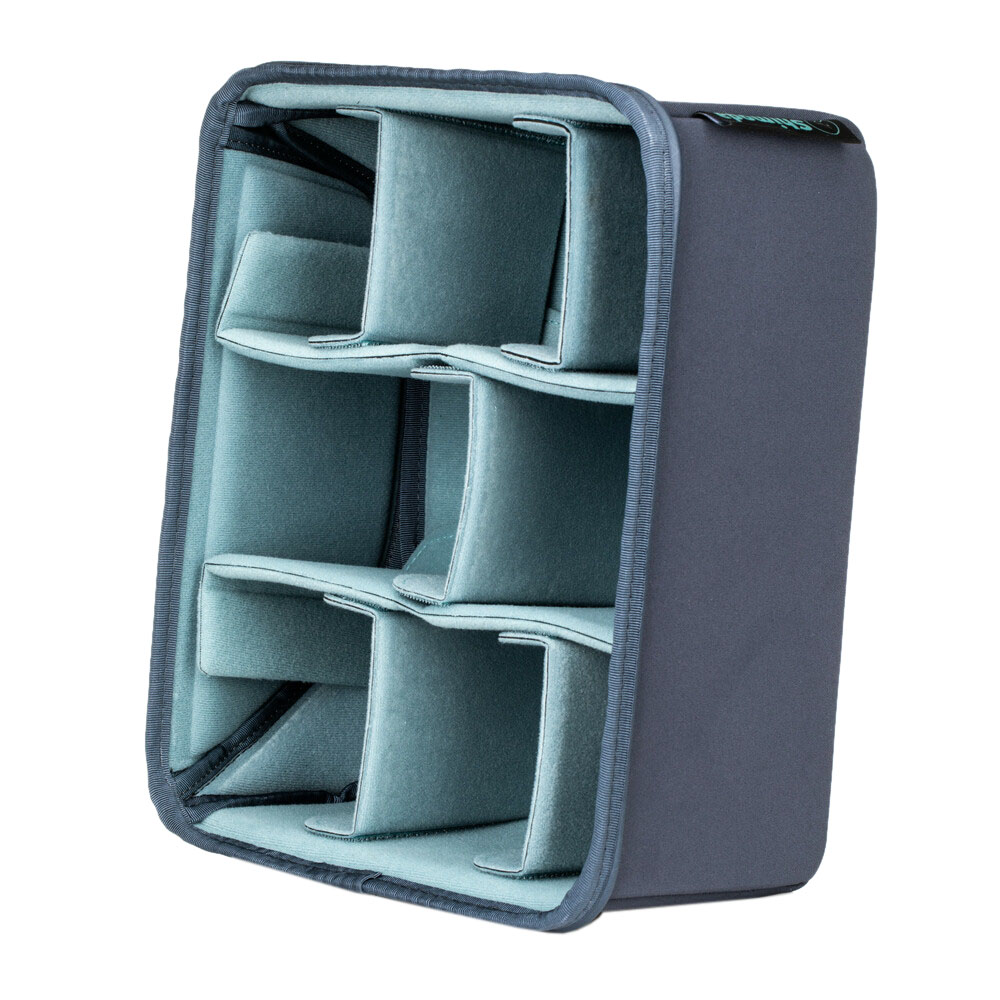
A core concept of Shimoda is the so‑called Core Units. These are padded camera inserts that you put into the backpack or remove depending on your needs. This allows you to fine‑tune the interior very precisely to your gear.
Whether you’re using a compact mirrorless setup, a larger DSLR setup, or a combination of drone plus camera, you can cover it quite easily with different Core Units. If you’re out without a camera, you simply take the inserts out and have a full‑fledged daypack. It almost seems trivial, but this flexibility makes a big difference in everyday life.
Shimoda uses hard‑wearing, water‑repellent materials and high‑quality zippers. Many models are constructed so that they provide reliable protection even in changeable weather and light rain. For really tough conditions there are also matching rain covers.
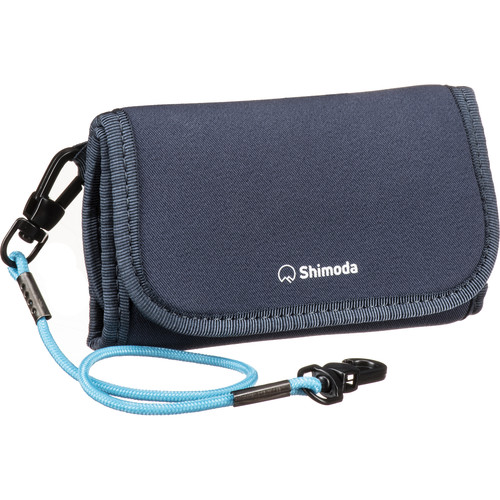
The padding is rather slim but efficient. That means you’re not hauling unnecessary bulk around with you, but you still get good protection for camera, lenses and accessories. Particularly practical are the many small pockets for batteries, memory cards, filters and cables. It’s amazing how quickly you get used to everything having its fixed place instead of flying around loose in the backpack.
If you mainly shoot in the studio or only occasionally go out with a small camera, Shimoda backpacks might be a bit “too much”. They play to their strengths when you’re outdoors a lot, doing longer tours or when you need to cover several roles at once while traveling: camera backpack, travel backpack and daypack in one.
Outdoor photographers, travel photographers, filmmakers and content creators who often work in rough terrain benefit especially from the combination of carrying comfort, protection and flexibility. But many models also work surprisingly well in an urban everyday context, especially if you carry a lot of tech around and still want to stay reasonably low‑key.
We don’t just add every brand to our range. With Shimoda, we were convinced by the mix of practical details, durable materials and a very well‑thought‑out concept. You can tell that photographers are at work here who wanted to solve their own problems instead of just building the next “nice to have” product.
In our Shimoda range you’ll find camera backpacks from the Action X and Explore series, matching Core Units, hip belts and other accessories that allow you to tailor your setup precisely to your way of shooting. This way you can gradually build a system that grows with you instead of having to replace everything again after two years.
If you’re new to Shimoda, it’s worth first considering how you’re mainly on the move. Lots of action outside with fast movements and changeable weather? Then take a look at the Action X models. More travel, landscape, city and longer photo tours with mixed gear? Then the Explore series is usually the better choice.
With the right combination of backpack and Core Units, you get a system that integrates pretty seamlessly into your photographic everyday life. And maybe at some point you’ll catch yourself thinking: “Right, so this is how a camera backpack can feel.”