
Eyecup
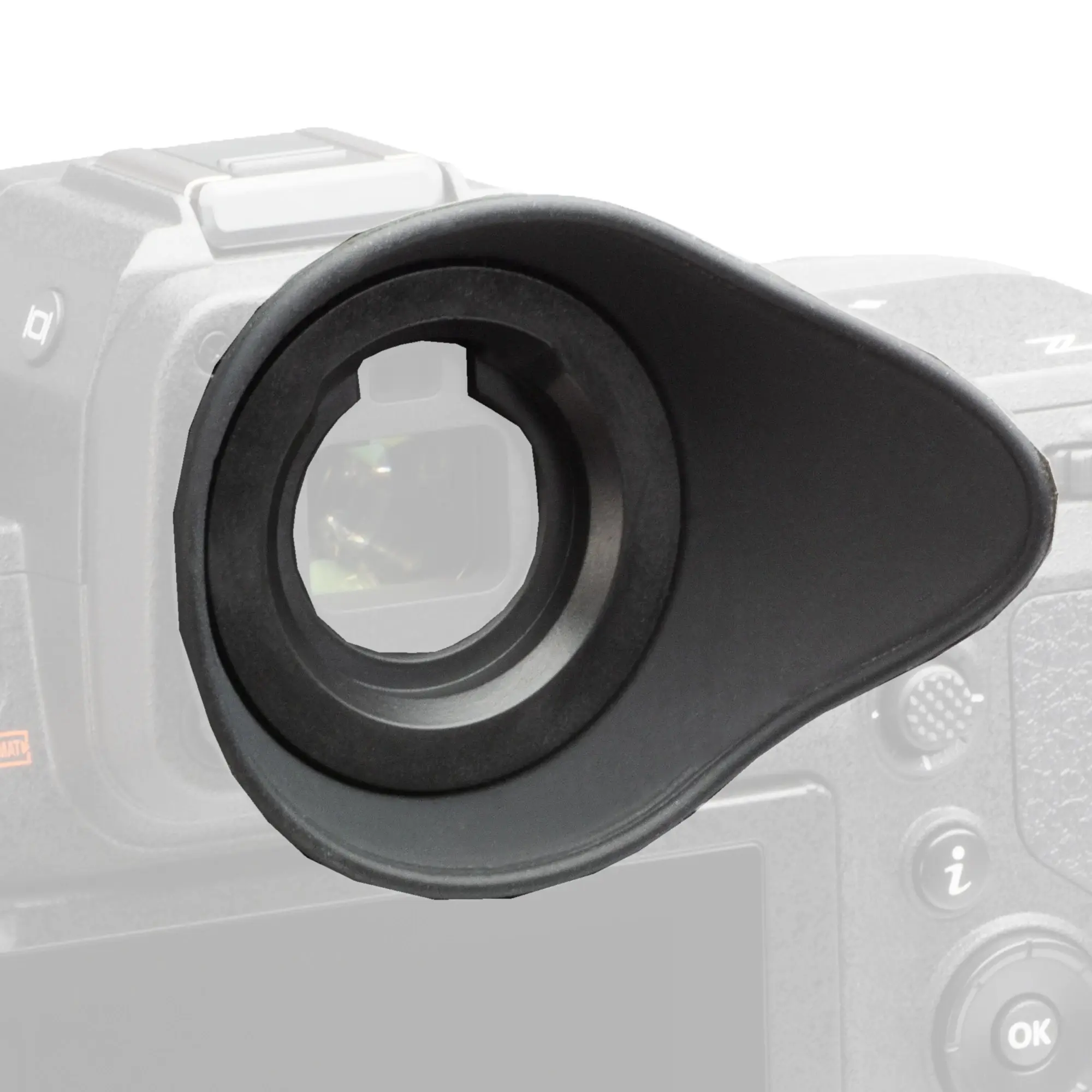
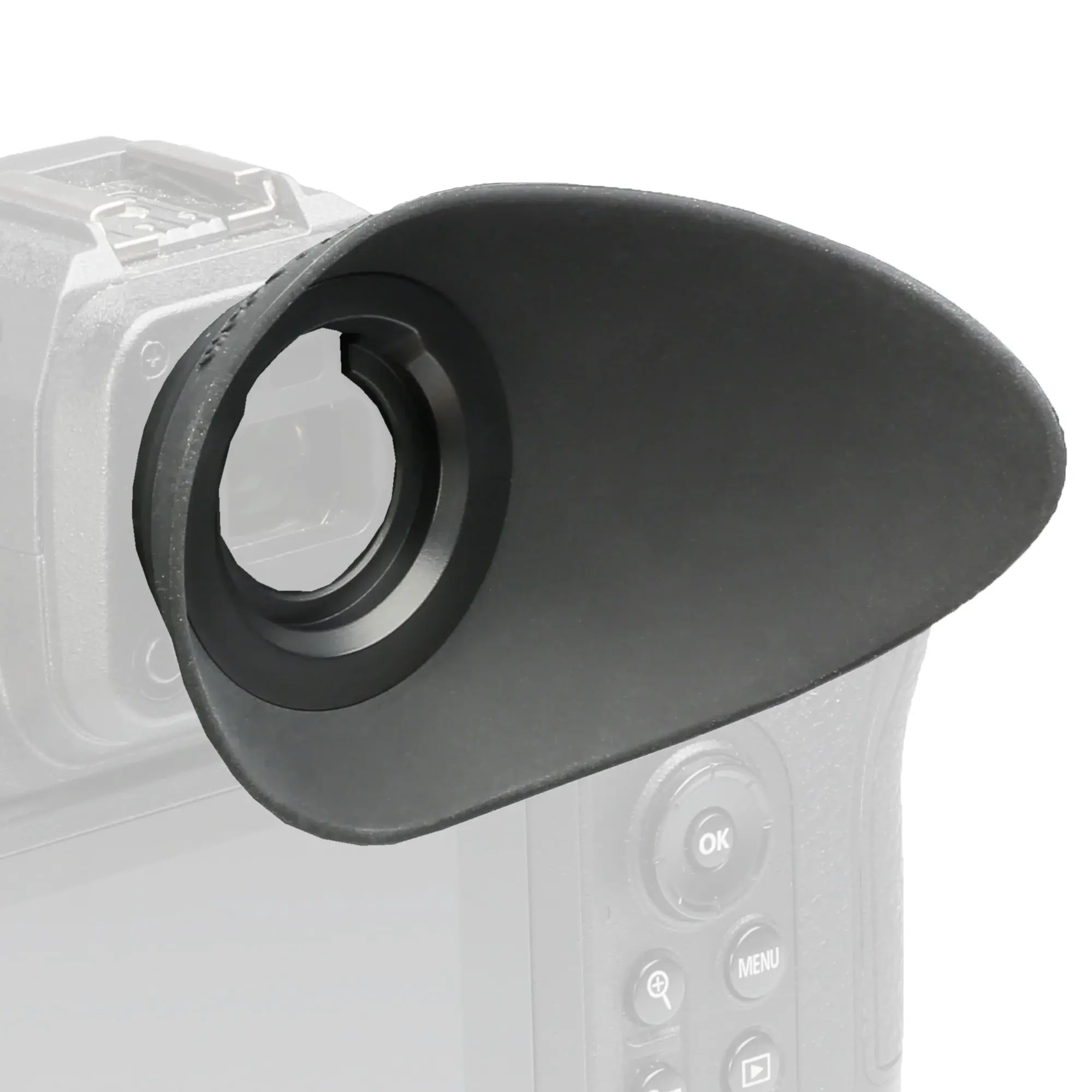
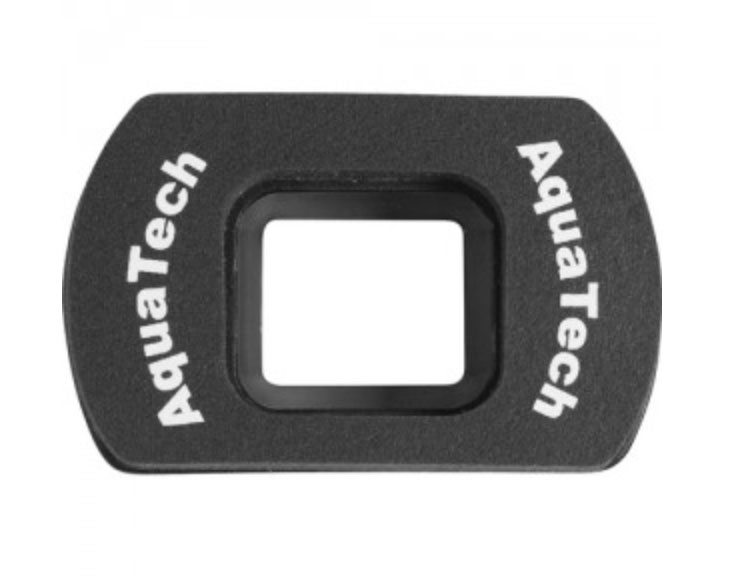
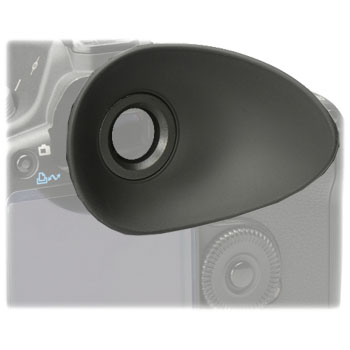
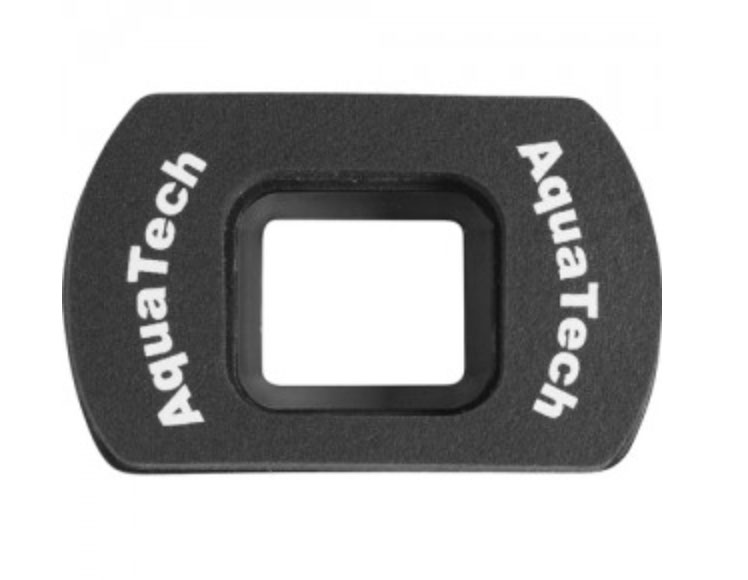
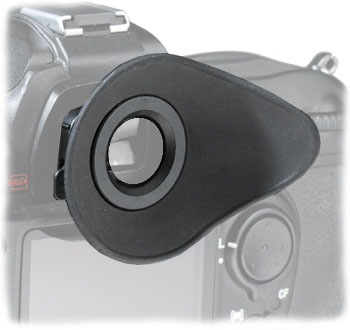
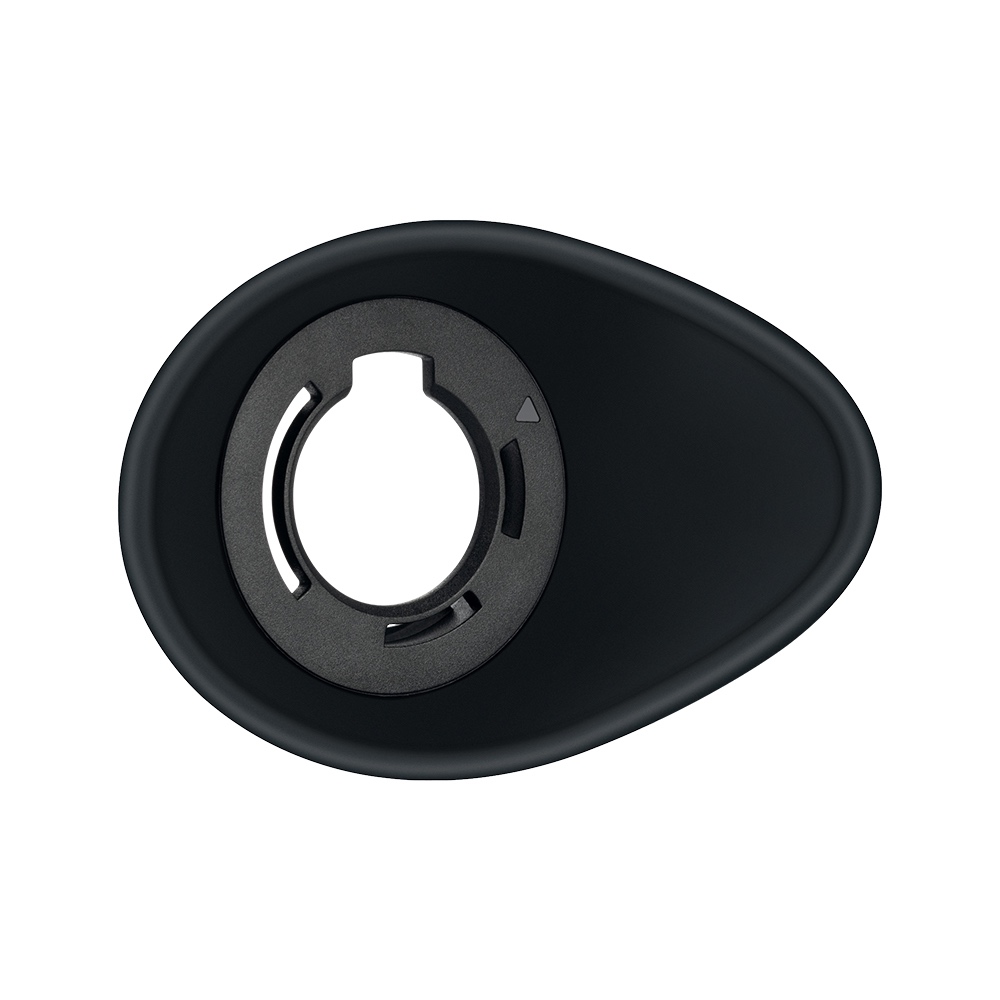
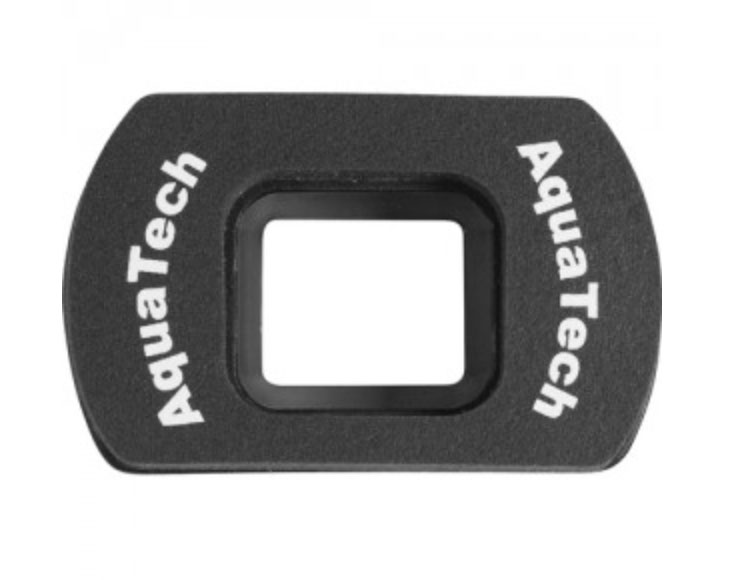
Camera accessories eyecup, small parts, big difference
Why an eyecup on your camera makes the difference
Let’s be honest: you can have the best camera, the sharpest lens and the most expensive strap, but if you’re constantly bothered by stray light when looking through the viewfinder, you’ll notice it immediately in your images. This is exactly where the eyecup comes into play. Unspectacular at first glance, but in practice a real must-have camera accessory.
Function and advantages of an eyecup
Why an eyecup for your camera is so important
As soon as you’re shooting outdoors – harsh sunlight, reflective facades, white snowfields – you’re fighting loss of contrast and reflections in the viewfinder. A suitable eyecup for camera shields your eye, reduces stray light and ensures that you see the image in the viewfinder the way the camera actually records it. No more guessing whether the shadow is too dark or the sky is blown out.
And yes, that may sound like nitpicking at first. But if you shoot for longer periods, maybe a reportage, a wedding or simply a full day of street photography, you’ll notice: comfort at the eye is not just “nice to have”, at some point it simply becomes necessary.
Eyecup for Nikon, Canon, Sony & co., precise fit instead of “somehow”
Depending on the system and camera model, things work a bit differently. An eyecup for camera Nikon has different mounts and shapes than an eyecup for camera Canon or an eyecup for camera Sony. That’s why you won’t find random parts here, but specifically selected accessories that fit common DSLR and mirrorless system cameras.
Whether you’re using an older Nikon DSLR with an optical viewfinder, a compact mirrorless Canon or a modern Sony Alpha with an electronic viewfinder, the right eyecup ensures that the viewfinder is properly sealed, nothing wobbles and you don’t have to readjust every two minutes. Just put it on, let it click into place, done. Well, most of the time anyway.
More comfort when looking through the viewfinder
If you wear glasses, you know this: pressure marks on the glass, smeared lenses, that constant slight “bumping into it”. A well-shaped eyecup, often made of soft rubber or silicone, cushions that and makes the contact between eye, glasses and camera much more pleasant.
In addition, an ergonomic eyecup helps you find the viewfinder more quickly and hold it more steadily. Especially with longer focal lengths or in situations where you can’t stand perfectly – in the photo pit at a concert, in a narrow alley, shooting overhead – this is worth its weight in gold. It sounds trivial, but it isn’t.
See better, focus better, decide better
With a suitable eyecup you can often perceive the viewfinder image a bit darker and with more contrast. That means: you recognize fine details in the shadows, you see blown highlights earlier and you can place the focus point more precisely. This is a real advantage especially with manual focusing, macro shots or available-light situations.
Imagine you’re shooting in a church, a club or at dusk, the ambient light is diffuse, and maybe there’s even a spotlight glaring from behind. Without an eyecup the viewfinder quickly becomes restless; with a suitable eyecup everything appears calmer, clearer, more focused. You no longer make decisions “roughly”, but consciously.
Protection for viewfinder and eye
Besides comfort, an eyecup brings something very practical: protection. It keeps sweat, dust and occasionally the odd raindrop away from the viewfinder glass. Especially if you’re on the move a lot – traveling, hiking, in the city – this noticeably extends the life of your viewfinder.
Selecting the right eyecup
What you should look for when choosing your eyecup
Before you just throw the first random eyecup into your shopping cart, it’s worth taking a quick look at a few points:
- Compatibility: Pay close attention to the camera model; “roughly fits” isn’t enough here, as the mount on the viewfinder is very specific.
- Material: Soft rubber or silicone is more comfortable on the eye, especially during longer sessions or in summer.
- Shape: Round, oval, laterally extended eyecups – depending on your face shape and shooting style, different options may work better.
- Orientation: Some eyecups are slightly asymmetrical and designed specifically for right- or left-eye shooters.
- Field of use: For outdoor photography it can be a bit more robust and more shielding; in the studio a compact, discreet version is often sufficient.
Who particularly benefits from an eyecup
Who really benefits from an eyecup?
In short: everyone who works seriously through the viewfinder. If you mainly shoot using the display, an eyecup is of course less crucial. But as soon as you work a lot with the optical or electronic viewfinder – people, landscapes, sports, reportage – you’ll notice the difference.
People switching from a smartphone or compact camera to a system camera are often surprised at how strongly the viewfinder influences the shooting experience. A good eyecup is then something like the fine-tuning: not spectacular, but noticeable.
Conclusion: small accessory with big impact
Small accessory, big impact in everyday use
An eyecup may seem like an inconspicuous detail in the sea of camera accessories at first glance. But once you’ve shot with and without one in the same light, same situation and with the same camera, you’ll hardly want to go back. Better viewfinder image, more comfort, more reliable image assessment – and all that with a part that mounts in seconds.
So if you want to make your Nikon, Canon or Sony a bit more practical without immediately investing heavily in new lenses or bodies, a suitable eyecup is a pretty smart and surprisingly underrated step.
BLOG posts
The bird migration has begun...
At the Baltic Sea, I have the opportunity to photograph waders both on the beach and at waters with shallow shorelines or flooded meadows.
On the beach, it is often enough to lie on your stomach and wait for the animals to come within photo distance.
It's quite differen...
not in stock, the item will be ordered for you
…unfortunately not very much.
In this post, we will gradually test and publish the compatibility of quick release components from various manufacturers.
Listed below, you will find which 38 mm dovetail systems are compatible with each other and which do not fit together.
For this, one must look f...
not in stock, the item will be ordered for you
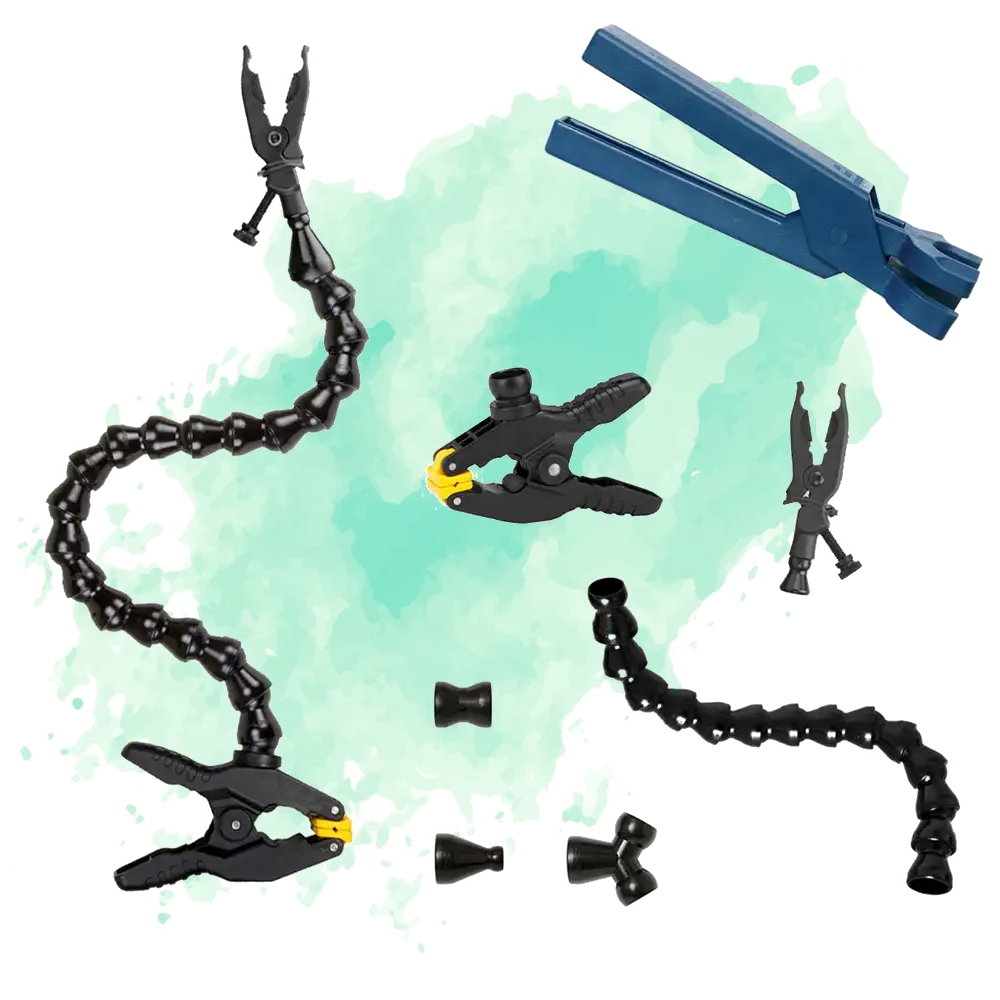
Macro accessories from Wimberley, the Plamp Family for precise macro photography Anyone who seriously engages in macro photography sooner or later stumbles over the same situation: the subject is beautiful, but the light isn’t right, a light breeze tugs at the blossom, and the diffuser is lying some...
not in stock, the item will be ordered for you
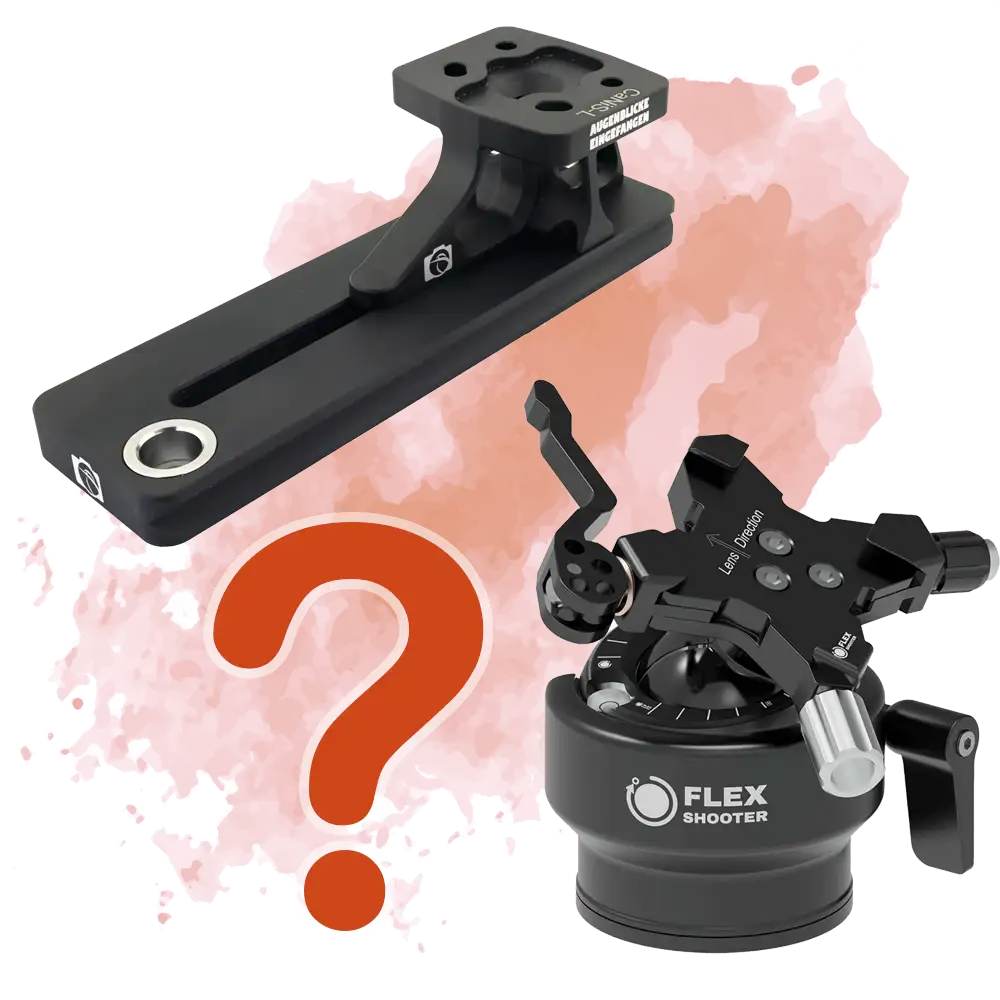
The Flexshooter tripod headsaccept almost all camera plates and L-brackets, lens plates and replacement feet with Arca-compatible profile with a width of 38 mm.
Flexshooters with lever clamp are a bit more tolerant; here you can readjust the clamp width so that your camera or lens sits really firmly ...
not in stock, the item will be ordered for you

Somehow the camera gear has to be carried.
But how do you attach the camera strap to your camera or your lens?
Traditionally, a carrying strap is attached to two lugs on the camera; with heavy lenses, a carrying strap is attached via lugs on the tripod collar.
This is often annoying,...
not in stock, the item will be ordered for you

FAQ about the Flexshooter tripod head
When you start looking into the Flexshooter tripod head, the question usually isn’t whether to get one, but rather the famous “Yes, but which one exactly?
”.
In this FAQ about the Flexshooter tripod head we’ve collected the typical questions we get more frequen...
not in stock, the item will be ordered for you
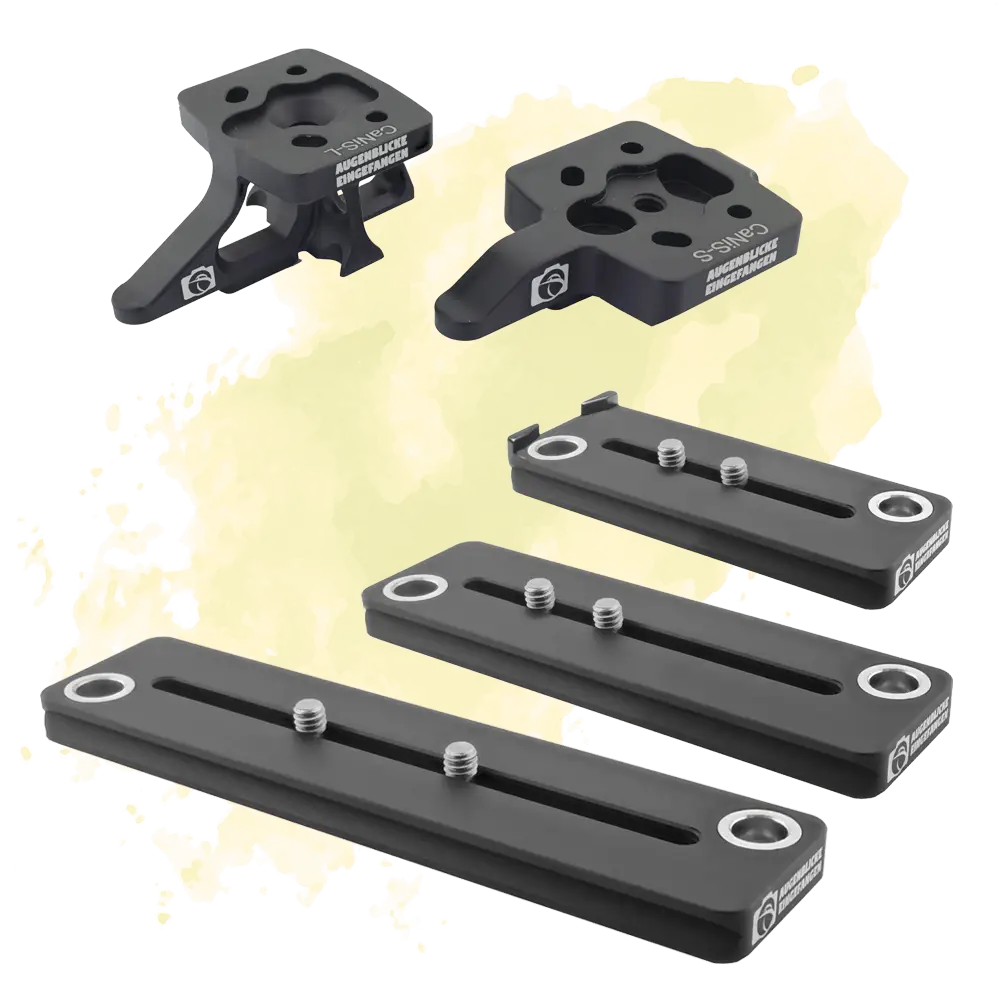
Discover the innovationModular replacement feet for telephoto lenses from Augenblicke-eingefangen
For ambitious photographers who are always looking for the perfect balance between stability and flexibility, the modular replacement feet from Augenblicke-eingefangen offer a modern solution.
These in...
not in stock, the item will be ordered for you

Wintry extreme cold as a photographic opportunity
Due to the frost that has persisted for a longer period this year, at times with double-digit sub-zero temperatures, this winter is very interesting for us nature photographers.
Icy scenes: rare subjects with a downside
There are subjects that are o...
not in stock, the item will be ordered for you

How to find the right tripod leg protector
It is relatively easy to find the right tripod leg protector for your tripod.
The LensCoat Wraps are available in two different versions (apart from the many sizes and camouflage patterns).
Measuring diameter and length
The sizes
You measure the diamete...
not in stock, the item will be ordered for you