
Camera Lens
ready to ship, delivery time(DE) ** 1-3 working days
Remaining stock: 1
ready to ship, delivery time(DE) ** 1-3 working days
Remaining stock: 1
ready to ship, delivery time(DE) ** 1-3 working days
Remaining stock: 2
ready to ship, delivery time(DE) ** 1-3 working days
Remaining stock: 2
ready to ship, delivery time(DE) ** 1-3 working days
Remaining stock: 1
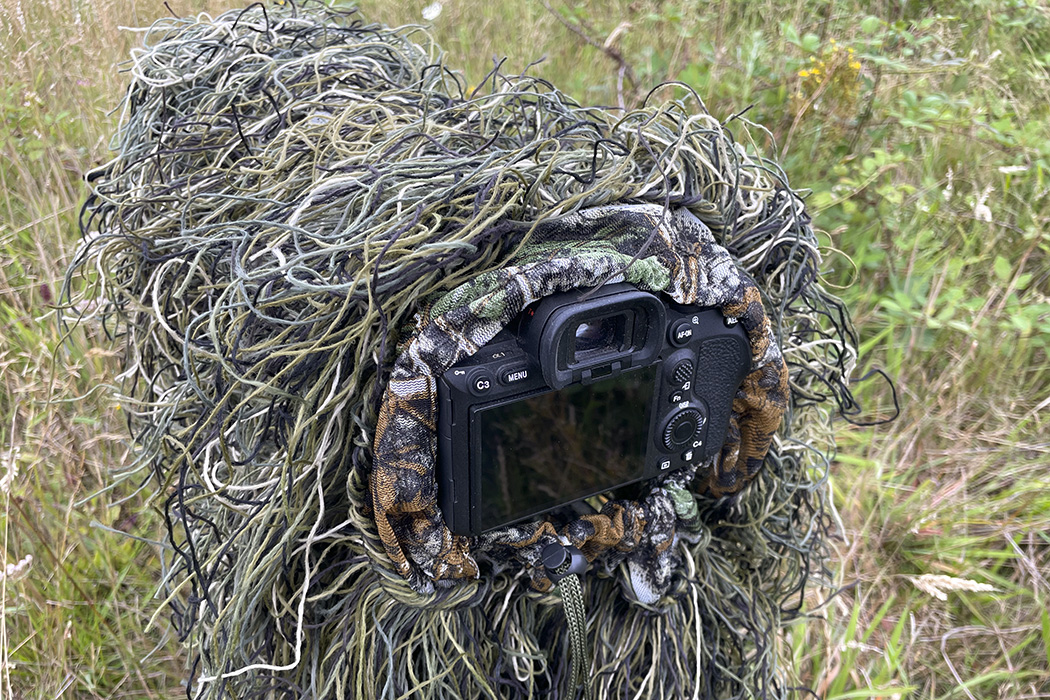
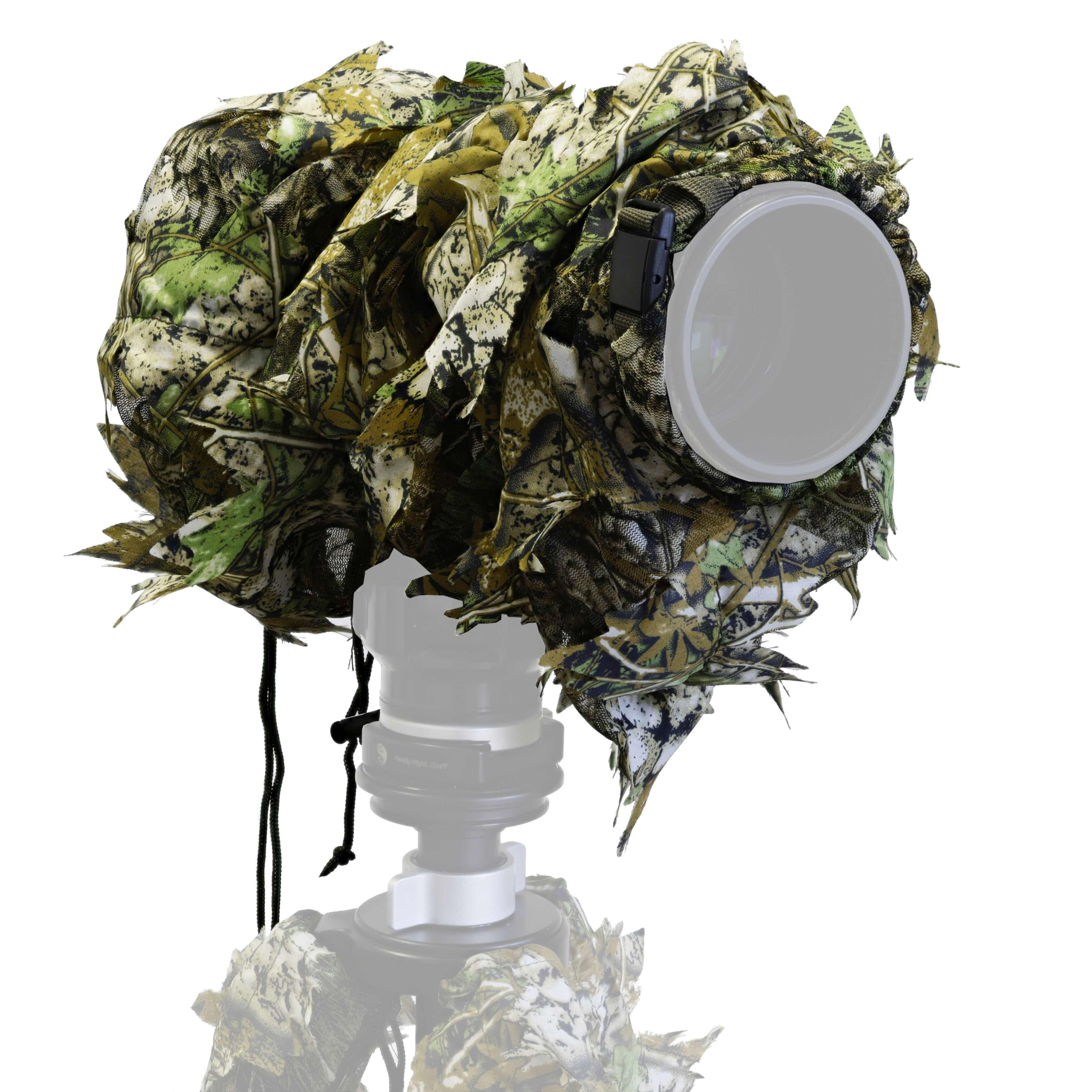
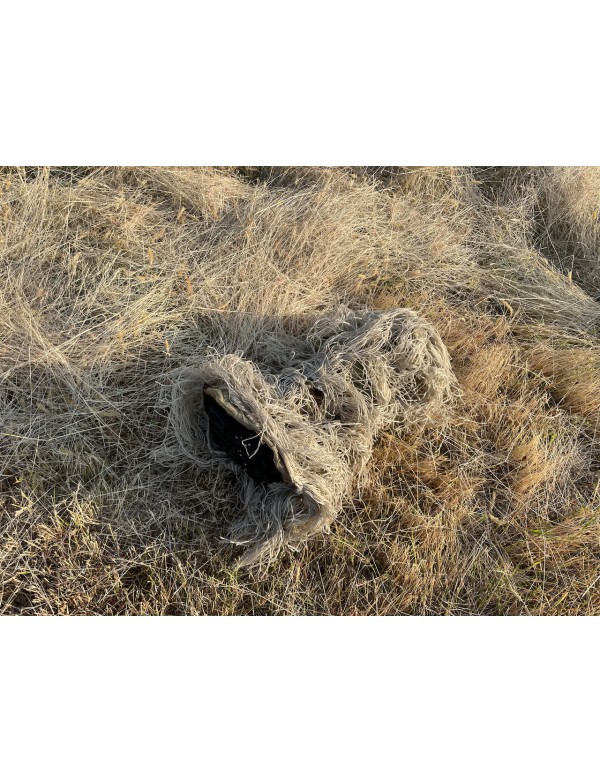
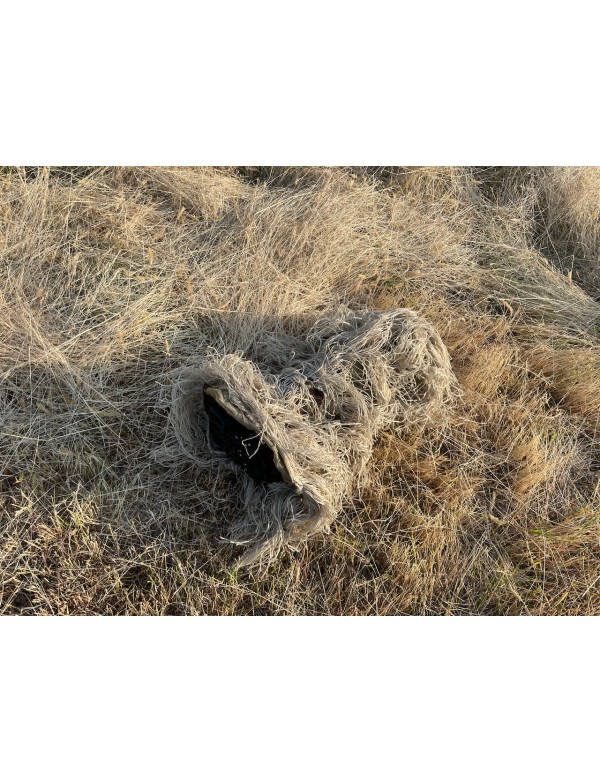
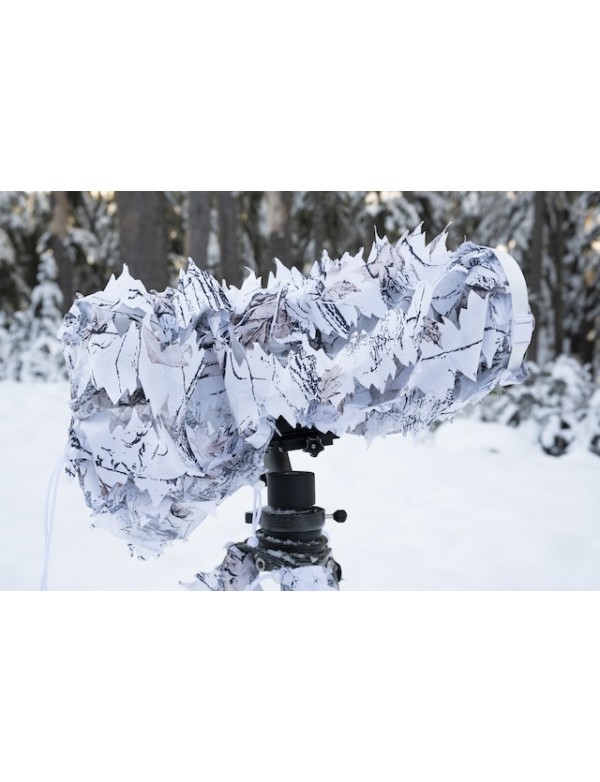
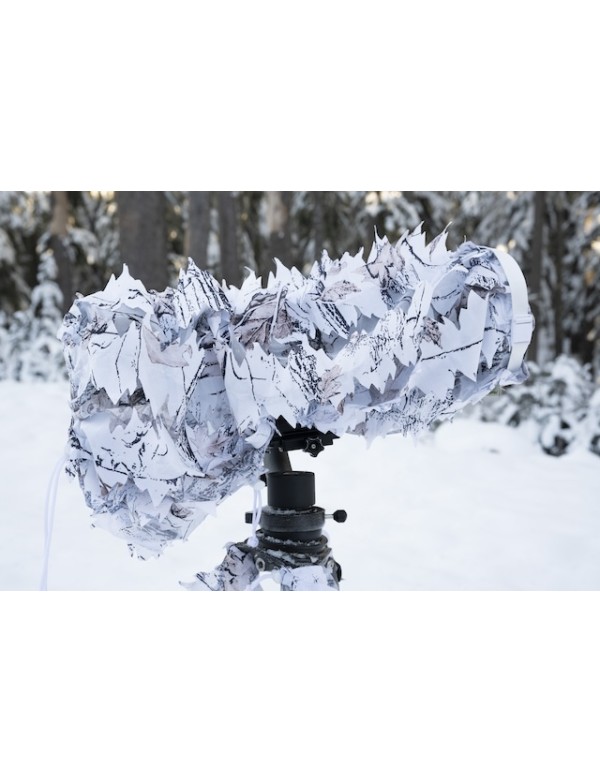
Camouflage for camera-lens combinations in various camouflage patterns
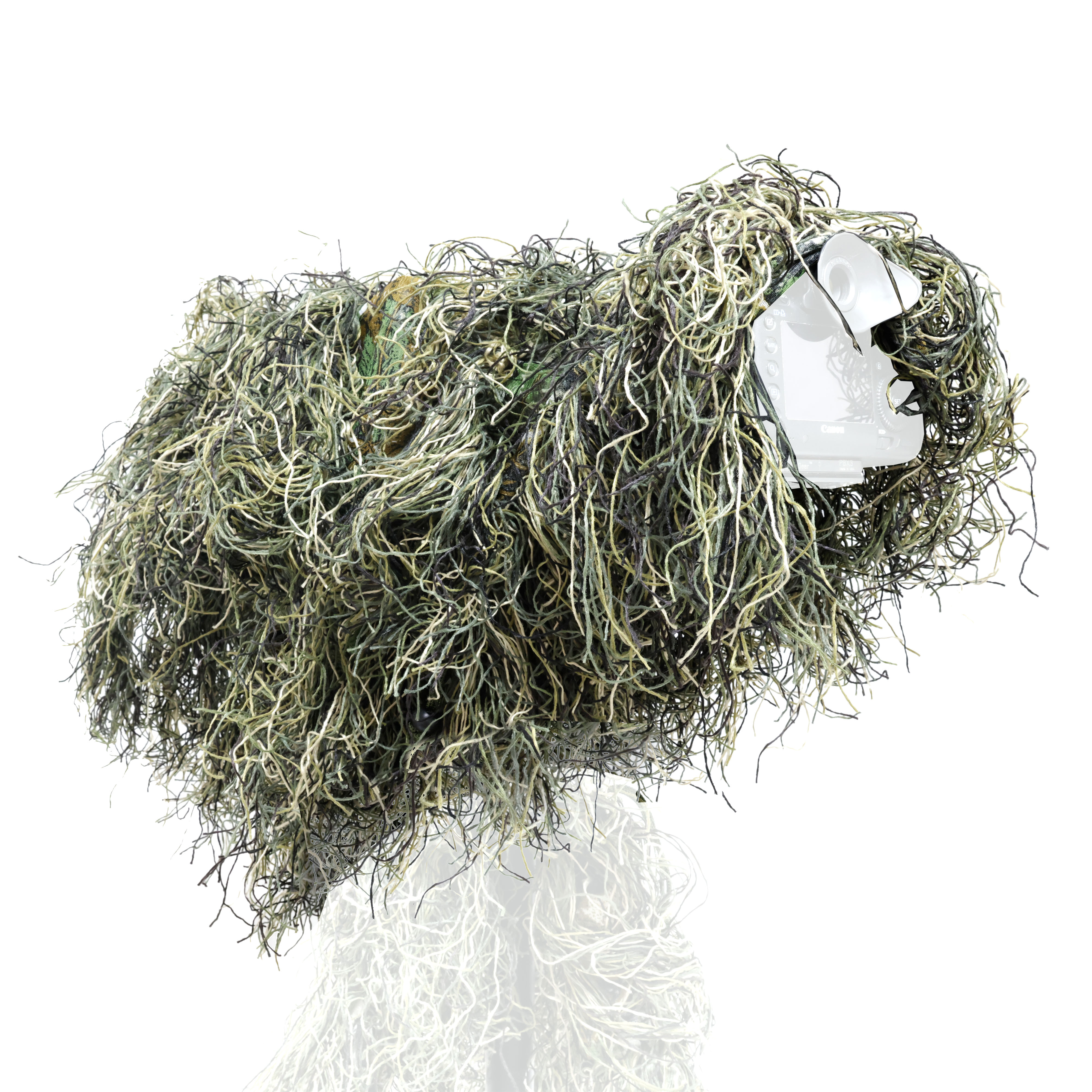
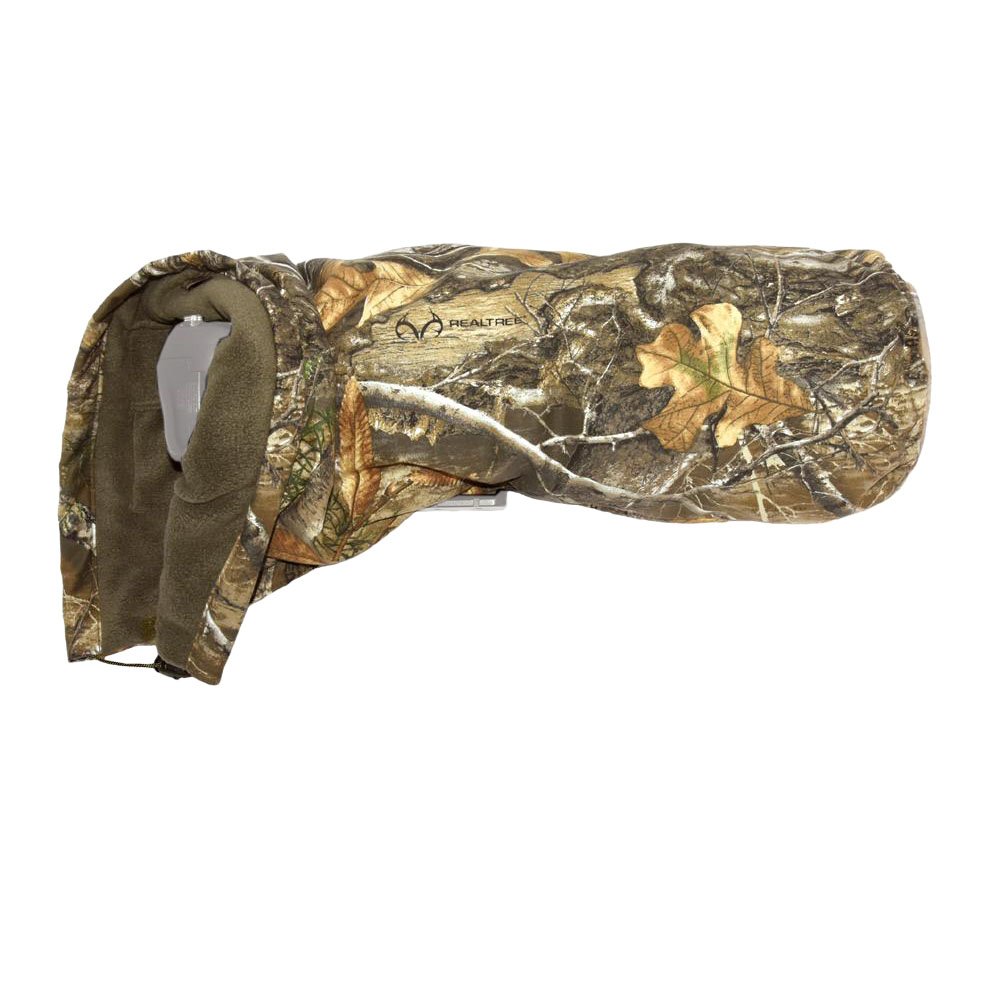
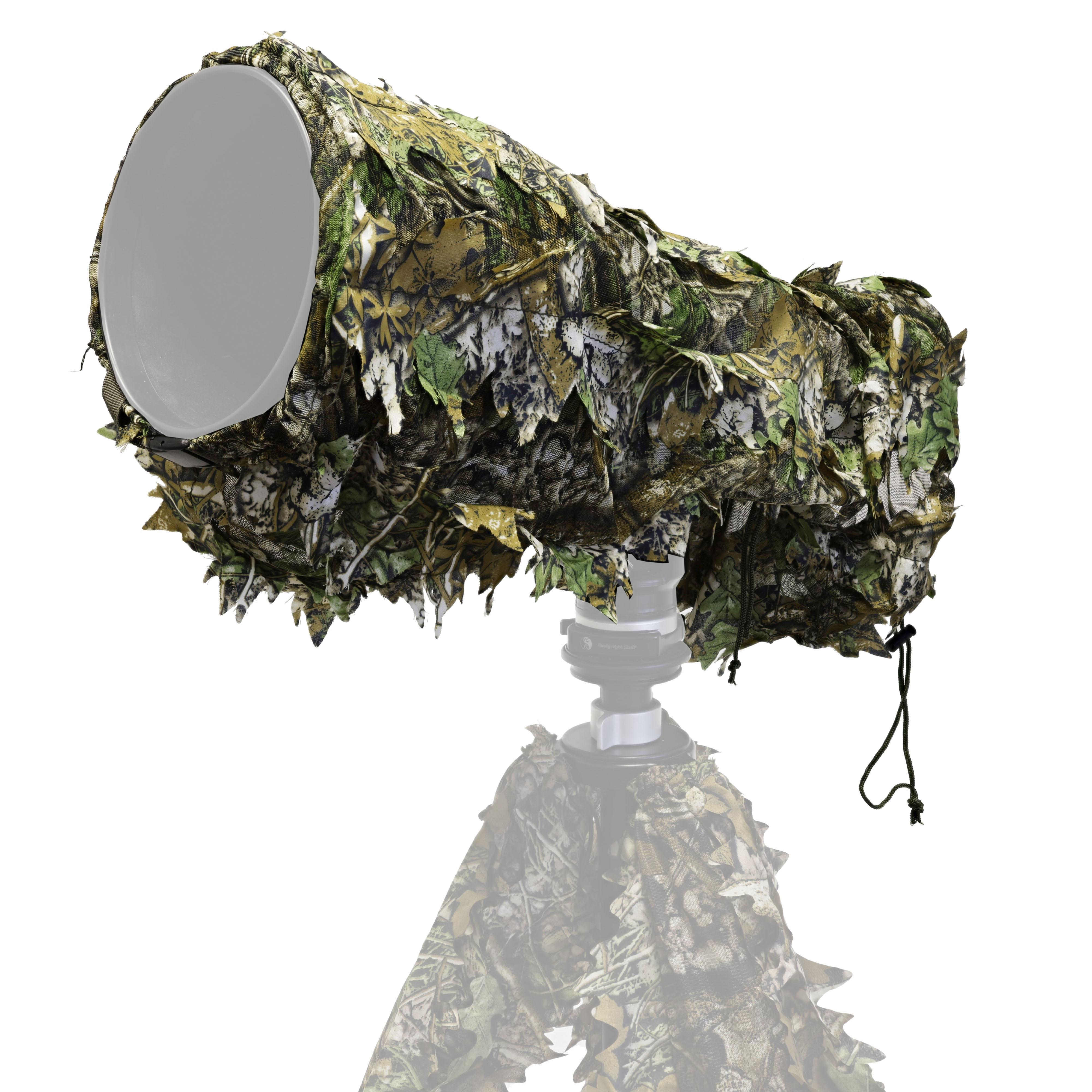
With camouflage for camera-lens combinations, your gear blends in much better with the surroundings, not only visually but also acoustically, because fabric dampens small noises. Especially in densely vegetated areas, at hides or in a blind, camouflage for camera-lens combinations acts like a silent teammate: it breaks up the contours of telephoto lens and camera body, reduces reflections and helps ensure that birds, deer or shy birds of prey don’t immediately become suspicious.
If you often photograph in mixed or coniferous forests, camouflage for camera-lens combinations is almost standard equipment, about as important as a sturdy tripod or a quiet shutter.
Camouflage for camera-lens combinations in reed camouflage pattern
At the water’s edge, things work differently. With camouflage for camera-lens combinations in reed camouflage pattern, you visually adapt to reed beds, bank grass and belts of reeds, exactly where kingfishers, ducks, waders and other aquatic wildlife are active. Camouflage for camera-lens combinations in reed camouflage pattern reduces bright areas and hard edges that would otherwise stand out from the riparian vegetation like a foreign object.
Especially when shooting close to the ground on the lakeshore, from a hide at a pond or on floating platforms, camouflage for camera-lens combinations in reed camouflage pattern really pays off: animals are more likely to accept your presence, you can observe them for longer and capture calmer behavior through your lens. At the same time, camouflage for camera-lens combinations in reed camouflage pattern protects your equipment from splashing water, sand and algae, which is quite practical when you’re once again standing knee‑deep in mud and the wind is whipping across the water.
Camouflage for camera-lens combinations in snow camouflage pattern
As soon as the landscape turns white, any black telephoto lens gives away your position from hundreds of meters away. Camouflage for camera-lens combinations in snow camouflage pattern balances out the strong contrast and makes your gear much less conspicuous in snow‑covered fields, high mountains or winter forests. With camouflage for camera-lens combinations in snow camouflage pattern, you avoid reflections on ice surfaces and bright snowfields that could otherwise act like a beacon.
Especially when photographing mountain hares, ptarmigans or birds of prey in winter, camouflage for camera-lens combinations in snow camouflage pattern is a real advantage—perhaps not absolutely mandatory, but close. The insulating materials also help to buffer temperature fluctuations somewhat and can reduce condensation on the lens barrel. This way, camouflage for camera-lens combinations in snow camouflage pattern becomes not only a visual but also a practical upgrade for your winter gear.
BLOG posts
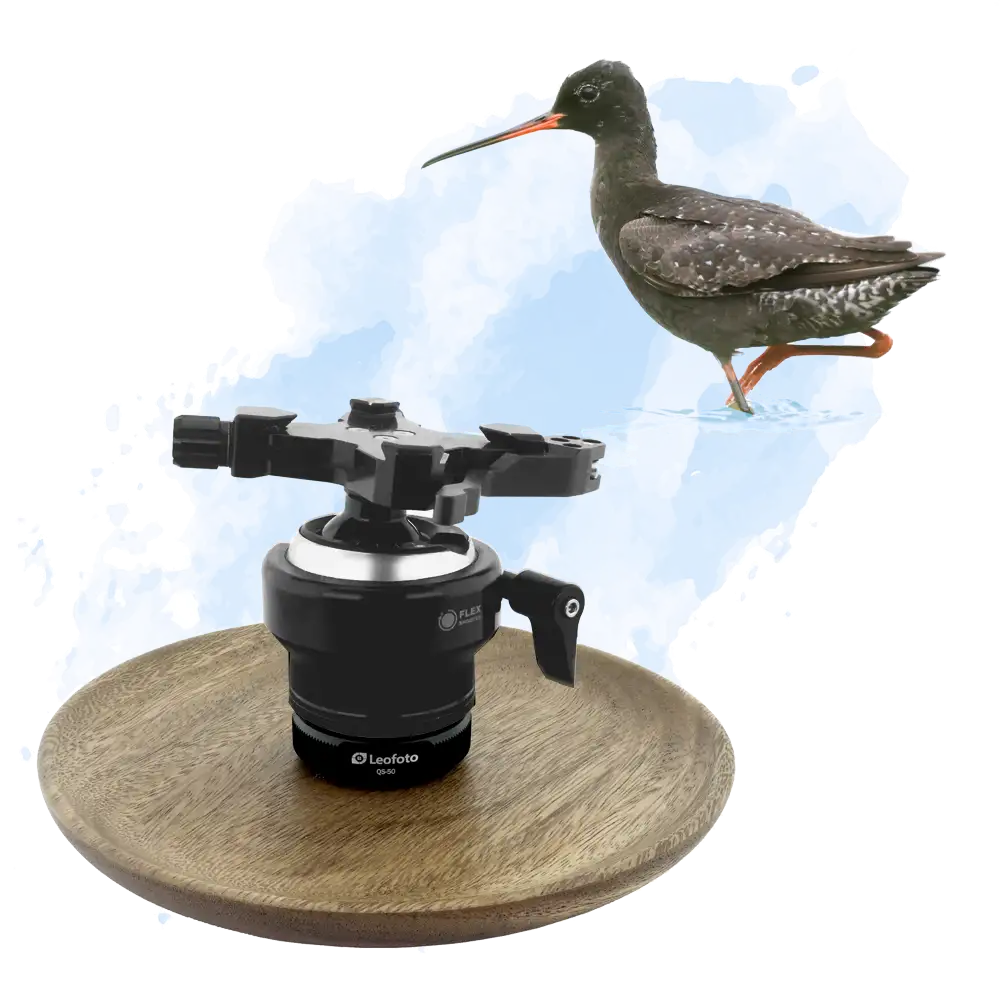
The bird migration has begun...
At the Baltic Sea, I have the opportunity to photograph waders both on the beach and at waters with shallow shorelines or flooded meadows.
On the beach, it is often enough to lie on your stomach and wait for the animals to come within photo distance.
It's quite differen...
not in stock, the item will be ordered for you
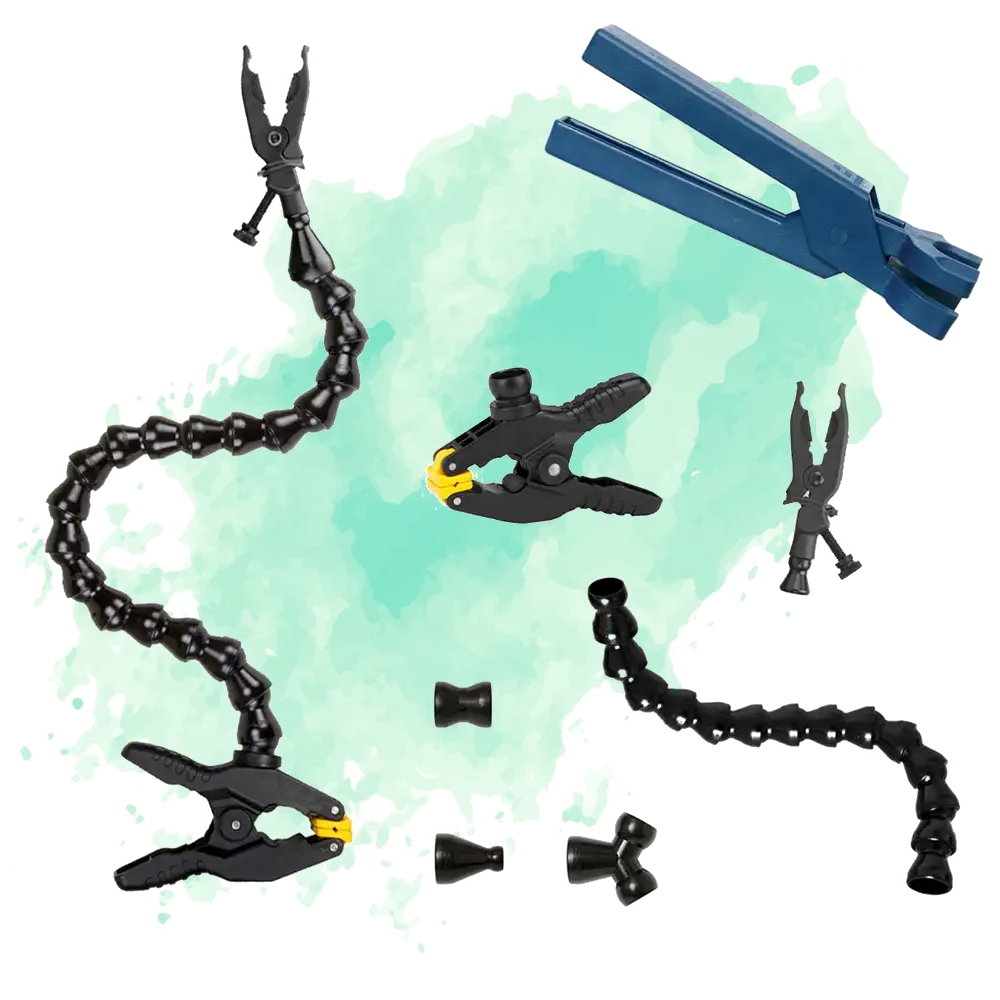
Macro accessories from Wimberley, the Plamp Family for precise macro photography Anyone who seriously engages in macro photography sooner or later stumbles over the same situation: the subject is beautiful, but the light isn’t right, a light breeze tugs at the blossom, and the diffuser is lying some...
not in stock, the item will be ordered for you
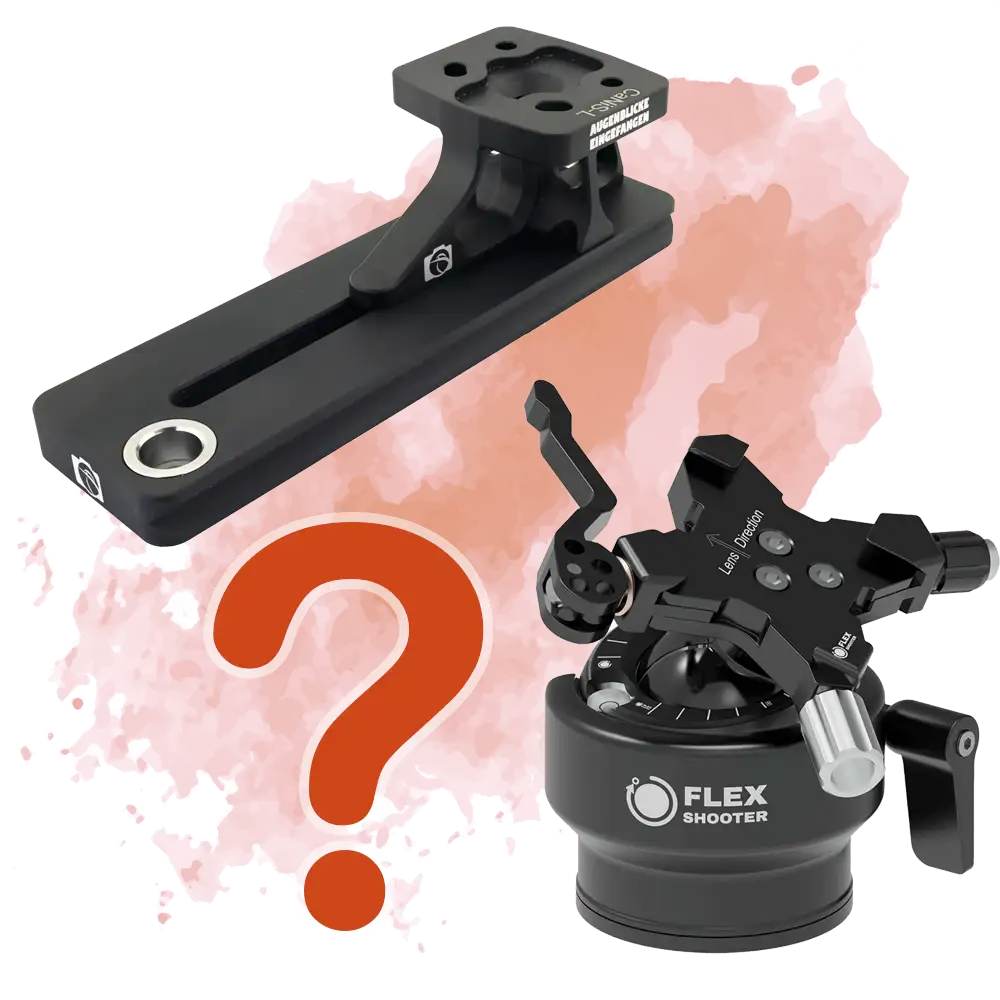
The Flexshooter tripod headsaccept almost all camera plates and L-brackets, lens plates and replacement feet with Arca-compatible profile with a width of 38 mm.
Flexshooters with lever clamp are a bit more tolerant; here you can readjust the clamp width so that your camera or lens sits really firmly ...
not in stock, the item will be ordered for you

Somehow the camera gear has to be carried.
But how do you attach the camera strap to your camera or your lens?
Traditionally, a carrying strap is attached to two lugs on the camera; with heavy lenses, a carrying strap is attached via lugs on the tripod collar.
This is often annoying,...
not in stock, the item will be ordered for you

Modular mounting system for camera backpacks
The MOLLE system on camera backpacks – modularity for photographers
The MOLLE system (Modular Lightweight Load-carrying Equipment) has also become established in the field of
photography in recent years.
Originally developed for the military, this modu...
not in stock, the item will be ordered for you

FAQ about the Flexshooter tripod head
When you start looking into the Flexshooter tripod head, the question usually isn’t whether to get one, but rather the famous “Yes, but which one exactly?
”.
In this FAQ about the Flexshooter tripod head we’ve collected the typical questions we get more frequen...
not in stock, the item will be ordered for you
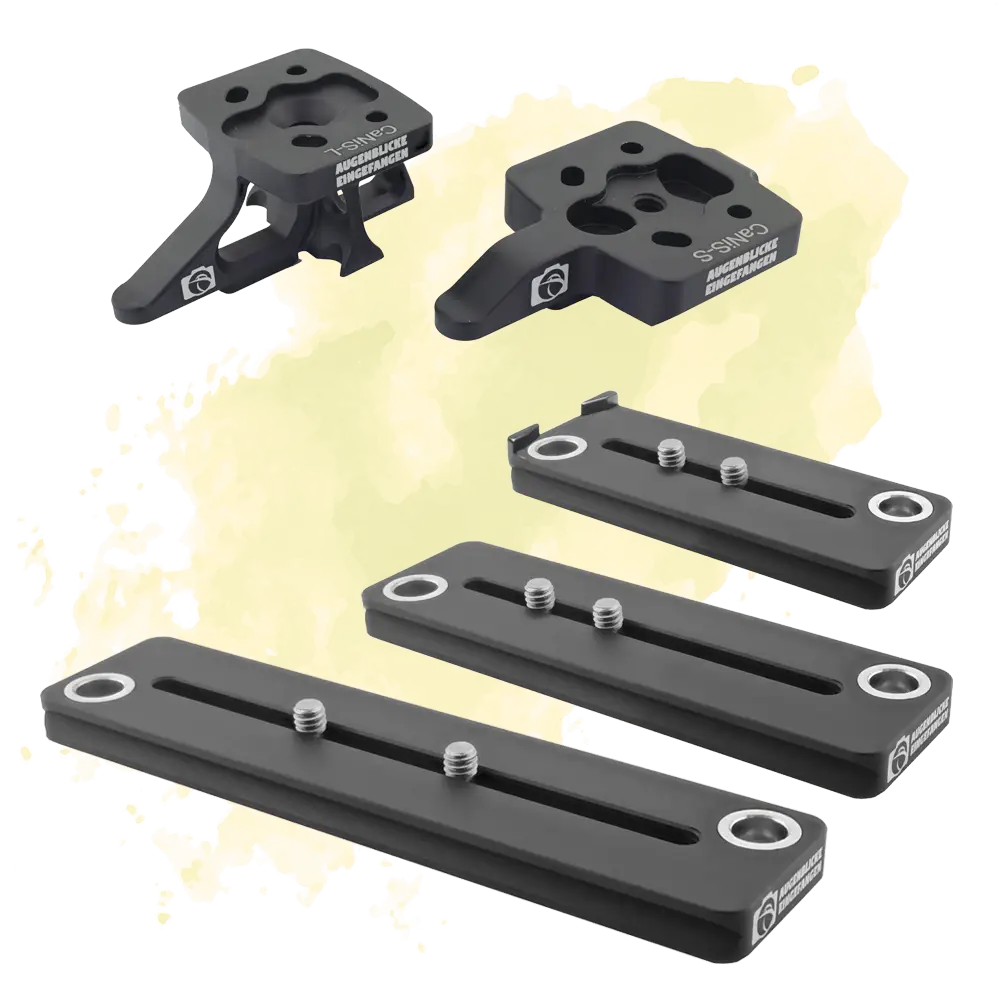
Discover the innovationModular replacement feet for telephoto lenses from Augenblicke-eingefangen
For ambitious photographers who are always looking for the perfect balance between stability and flexibility, the modular replacement feet from Augenblicke-eingefangen offer a modern solution.
These in...
not in stock, the item will be ordered for you
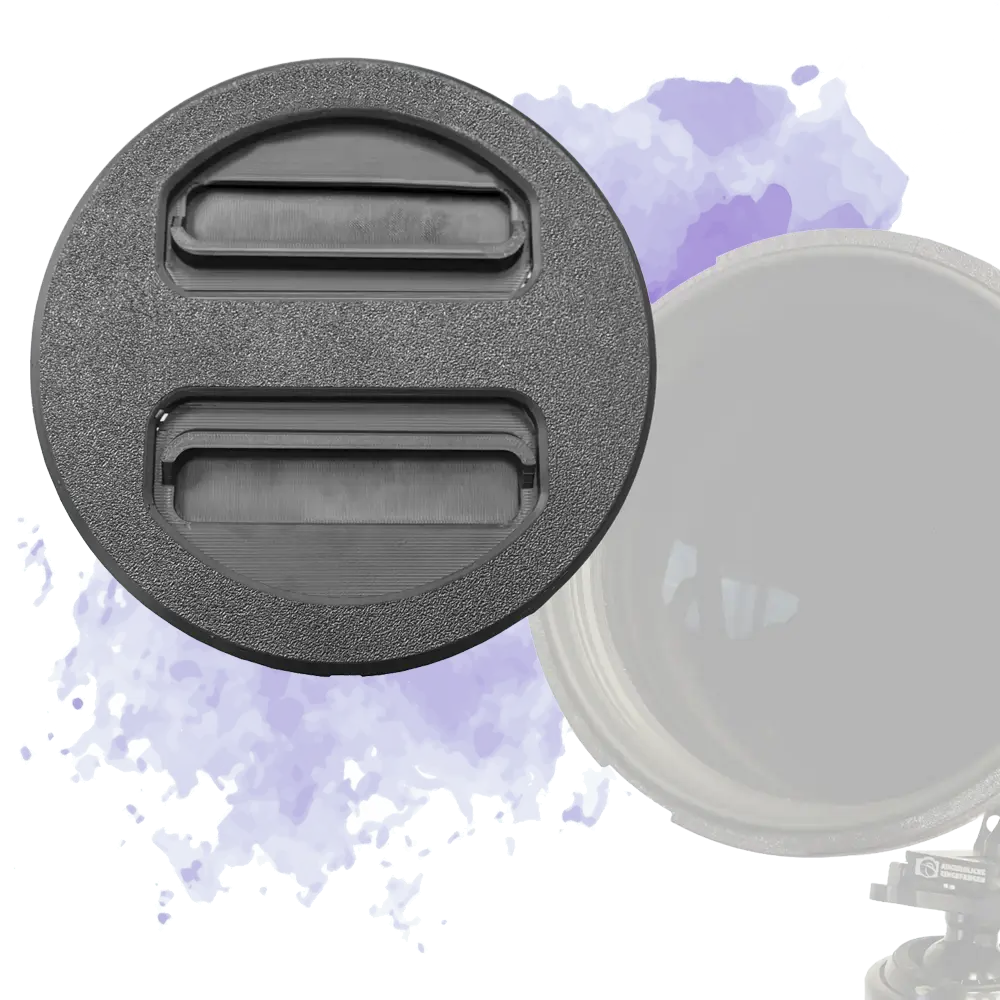
Snap-on lens caps for large telephoto lenses: BigLensCaps as a precisely fitting front element protection Anyone who photographs with large telephoto lenses, for example in wildlife, sports or nature photography, knows the problem: The front element of a super-telephoto lens is large, delicate an...
not in stock, the item will be ordered for you

Weatherproof protection for camera and lens, suitable solutions for outdoor and wildlife photography
Anyone who regularly shoots outdoors knows: the weather rarely sticks to your plans.
Especially in
wildlife, nature and sports photography, many of the most exciting images are created in rain, f...
not in stock, the item will be ordered for you

Telephoto Lens Covers in Everyday Wildlife Use: LensCoat vs.
Rolanpro (Tragopan) Compared
In professional wildlife photography, the telephoto lens is the central tool, but at the same time the most sensitive and expensive element of the equipment.
Super-telephoto lenses with focal lengths of 4...
not in stock, the item will be ordered for you

Wintry extreme cold as a photographic opportunity
Due to the frost that has persisted for a longer period this year, at times with double-digit sub-zero temperatures, this winter is very interesting for us nature photographers.
Icy scenes: rare subjects with a downside
There are subjects that are o...
not in stock, the item will be ordered for you

How to find the right tripod leg protector
It is relatively easy to find the right tripod leg protector for your tripod.
The LensCoat Wraps are available in two different versions (apart from the many sizes and camouflage patterns).
Measuring diameter and length
The sizes
You measure the diamete...
not in stock, the item will be ordered for you

Protective solution for the safe transport of large telephoto lenses
LensCoat TravelCoat, secure transport protection for large telephoto lenses
Large telephoto lenses are among the most valuable components of many photography kits.
Especially in
wildlife, nature and sports photography, long foca...
not in stock, the item will be ordered for you

Reliable protective cap for the sensitive front lens
The front lens of a lens is one of the most sensitive and at the same time most important components of your camera equipment.
Even small scratches, dust particles or impacts can impair image quality in the long term or make expensive repairs nece...
not in stock, the item will be ordered for you

Precise focus bracketing for later stacks
Exact macro focus brackets for later calculation of a stack are easy to create...
.
.
Important basics for clean results
...
.
if you follow some fundamental requirements.
Equipment used in macro photography
For macro photography I work with the Canon EOS R5, ...
not in stock, the item will be ordered for you

Important note about the previous Monostat foot and its replacement
Everything that characterized the Monostat foot can also be done by this new tripod foot, and some things even better, since it was designed from the outset for easier mounting with a 3/8" standard thread.
What made the Monostat foo...
not in stock, the item will be ordered for you
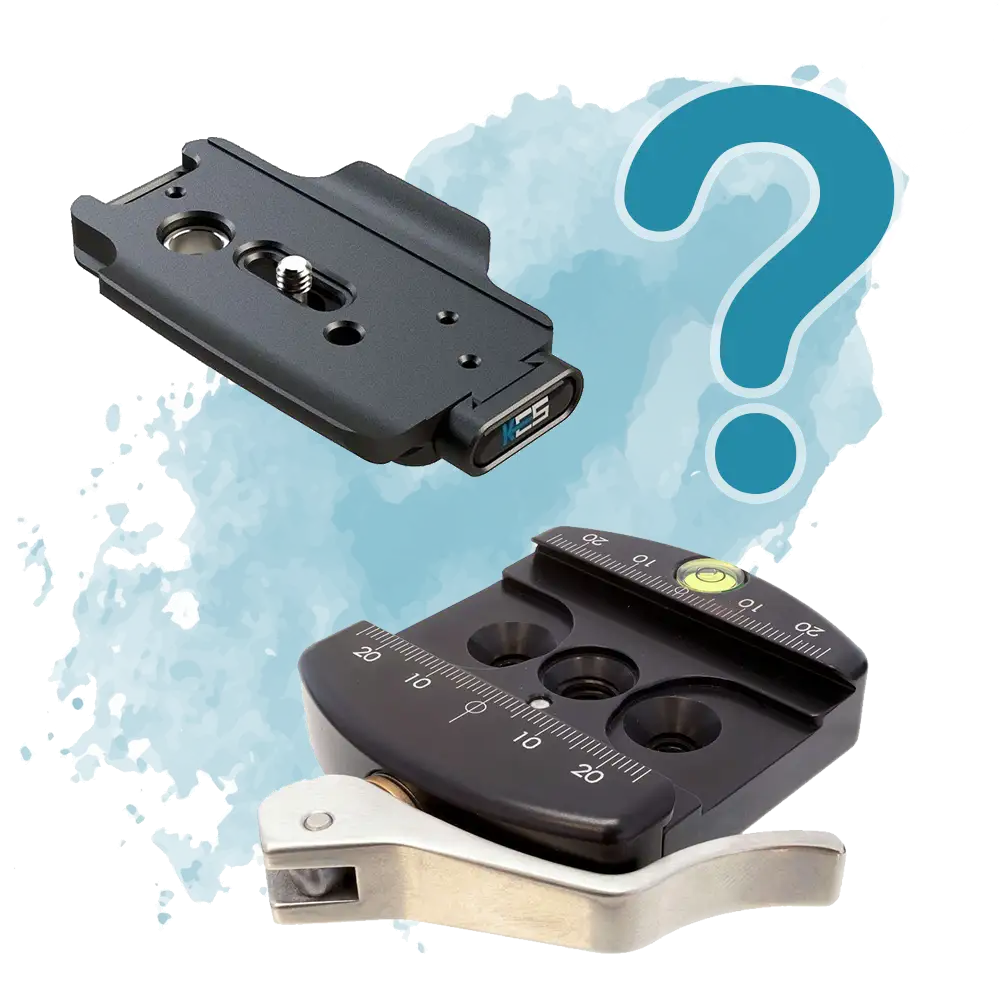
…unfortunately not very much.
In this post, we will gradually test and publish the compatibility of quick release components from various manufacturers.
Listed below, you will find which 38 mm dovetail systems are compatible with each other and which do not fit together.
For this, one must look f...
not in stock, the item will be ordered for you