
Lens Collars
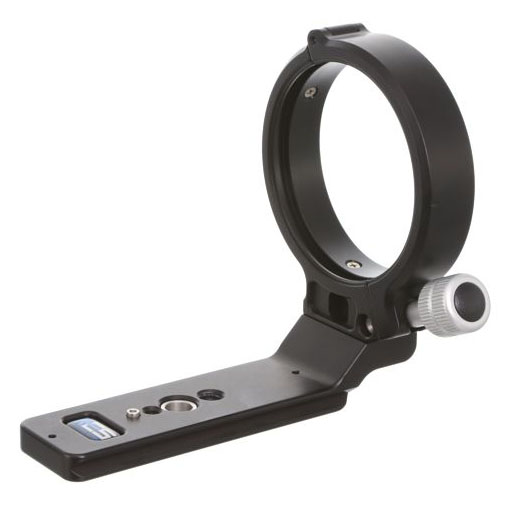
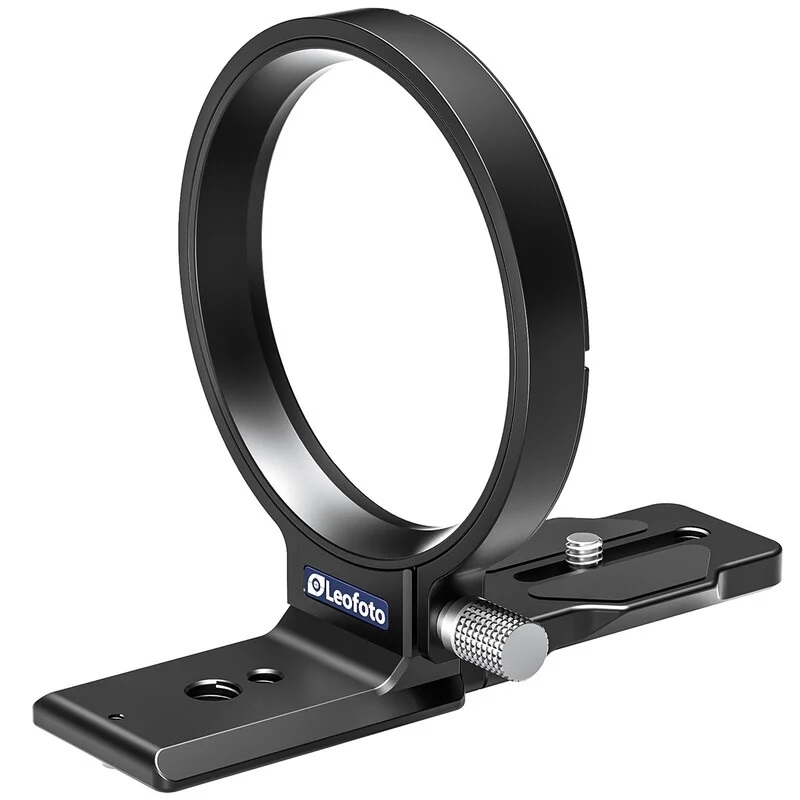
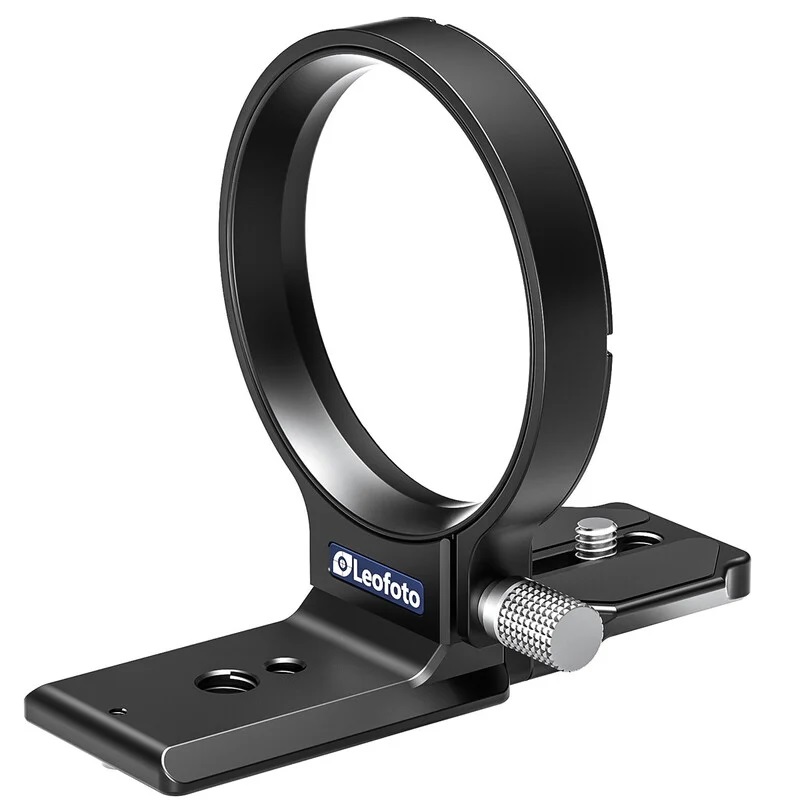

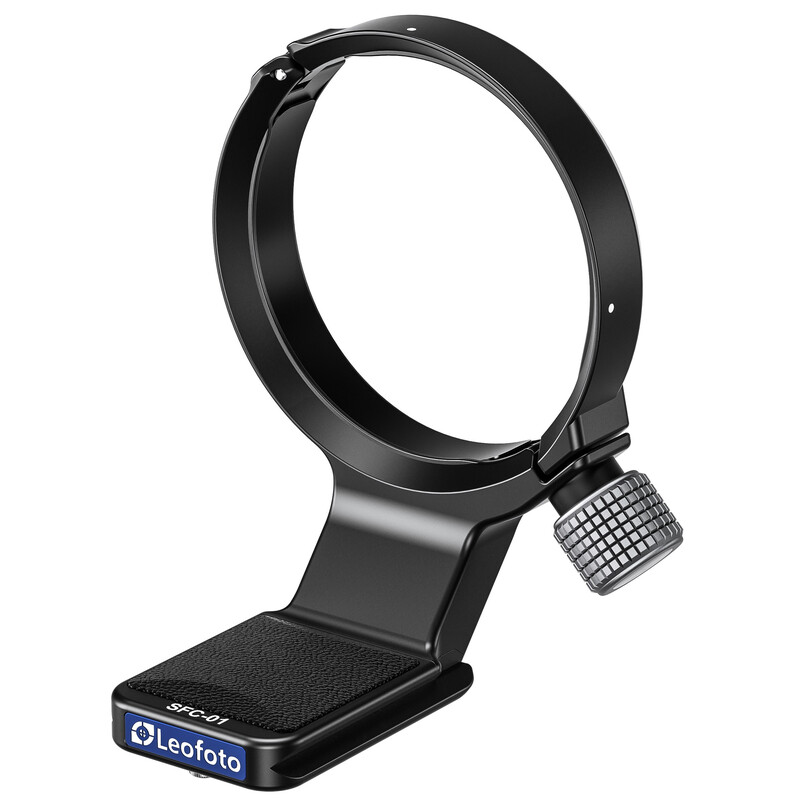
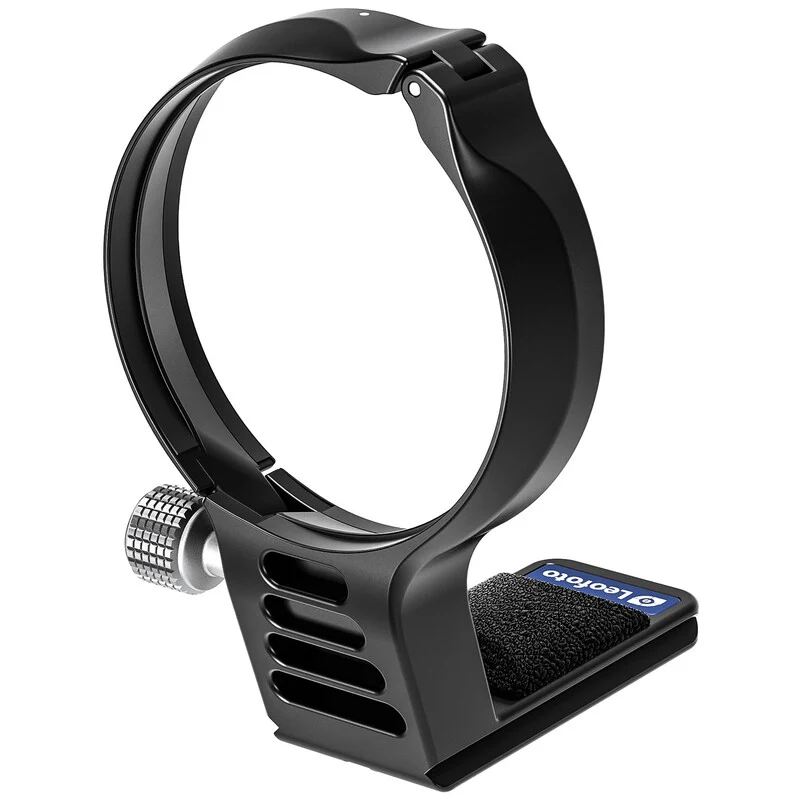
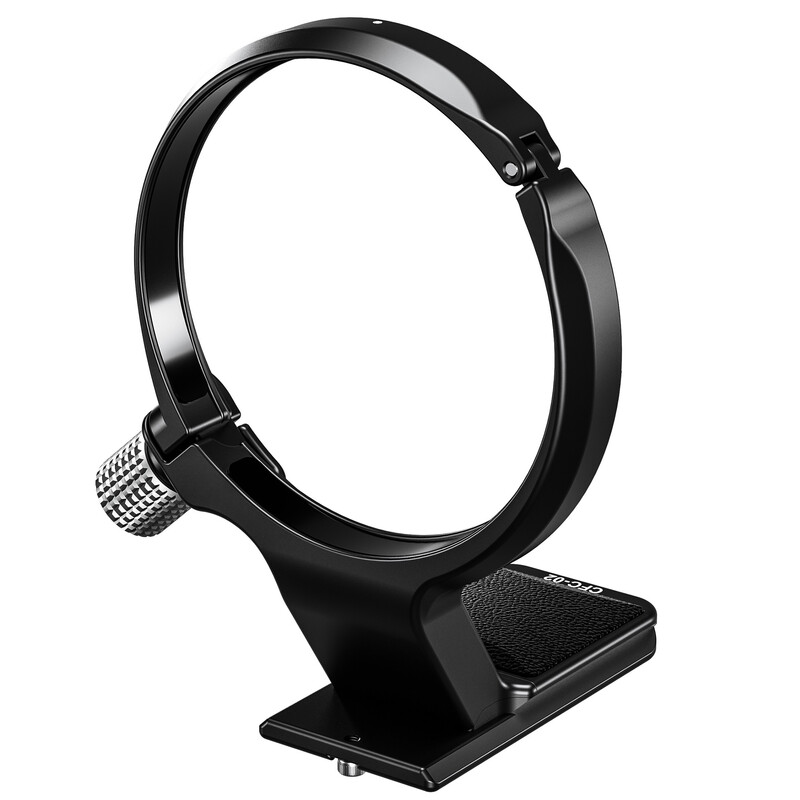
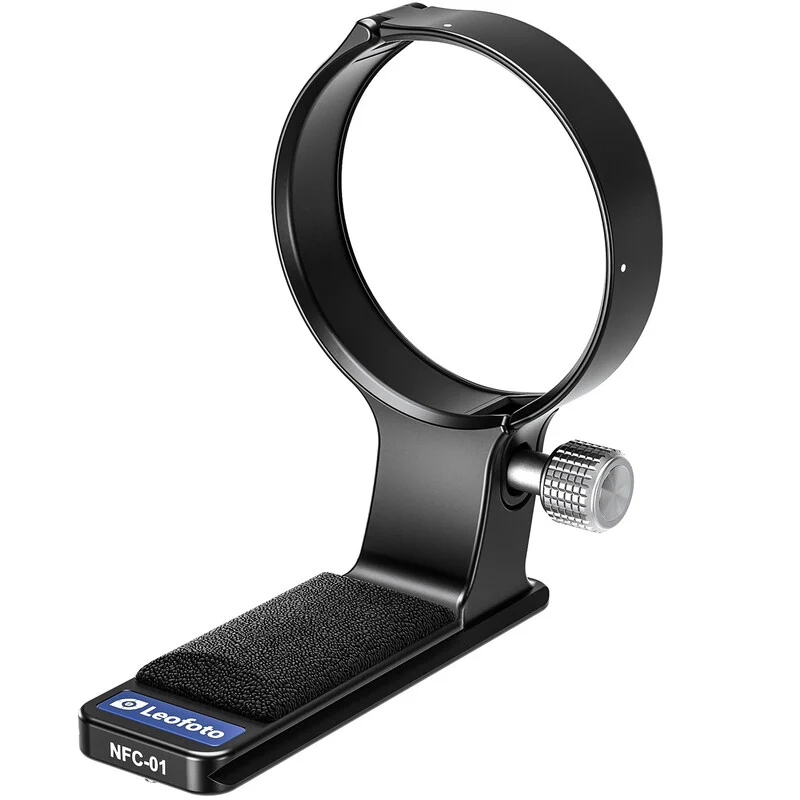
Lens collars for telephoto lenses, a stable base for sharp images
Let’s be honest: carrying a heavy telephoto lens only on the camera bayonet is a bit like holding an overflowing shopping basket by the handle of a thin plastic bag – it sort of works, but it’s not a particularly clever long-term solution. This is exactly where suitable lens collars come into play. They relieve the bayonet, ensure a well-balanced setup on the tripod and help you achieve truly tack-sharp shots at long focal lengths.
Why a lens collar makes sense for your telephoto lens
As soon as you work with longer focal lengths, every tiny movement becomes visible – mercilessly so. A well-fitting lens collar shifts the center of gravity from the camera to the lens, so the entire setup becomes calmer, more controllable, and simply more pleasant to handle. This is especially noticeable with Canon telephoto lenses, Nikon telephoto lenses or Sony telephoto zooms: less shake, less stress, more keepers.
In addition, a suitable collar protects your camera’s bayonet mount. That may sound unspectacular, but in the long run it’s worth its weight in gold, especially if you often work with heavy lenses, shoot wildlife or capture sports action.
Tripod plates and tripod adapters for Arca-style systems
Many of our lens collars are directly compatible with Arca-style quick-release systems. That means for you: snap the lens with its collar into place, tighten, get started – without having to laboriously rebalance everything each time. Once you’ve used a properly set up Arca-style system, you usually don’t want to give up this extra comfort and stability.
You can also flexibly adapt your lens collar to different heads and tripod systems. This keeps your equipment versatile, even if you switch between ball head, video head or gimbal. Once properly set up, it almost runs by itself.
Precisely fitting lens collars for Canon, Nikon and Sony
Because not all telephoto lenses are the same, you’ll find specially matched lens collars here for various Canon telephoto lenses, Nikon telephoto lenses and selected Sony lenses. The shape is usually designed so that it wraps closely but gently around the lens barrel without slipping or causing pressure marks. That may sound like a detail, but in practice it makes a surprisingly big difference, especially during longer sessions outdoors.
For the models in this category, we pay attention to robust construction, clean workmanship and reliable clamping mechanisms. Many collars offer a rotatable mount so you can quickly switch between landscape and portrait orientation without having to realign the entire setup. Especially for portraits, macro shots or dynamic sports scenes, this saves you valuable time – and sometimes that crucial shot.
Who benefits most from a lens collar
If you mainly shoot with lightweight standard zooms, you probably won’t miss a lens collar urgently. But: as soon as you regularly work with longer focal lengths, perhaps use a fast telephoto zoom or shoot a lot on a tripod, a proper collar is almost part of the basic kit.
It is particularly useful for:
- Wildlife and bird photography with long telephoto lenses
- Sports and action photography where you need to react quickly
- Astrophotography and long exposures with heavy equipment
- Macro shots with telephoto or zoom lenses on a tripod
In short: wherever stability, balance and repeatability matter, a suitable lens collar makes life significantly easier.
Material, workmanship and handling in detail
Most lens collars in this category are made of sturdy metal, often aluminum alloys that offer a good ratio of weight to rigidity. This ensures that the collar does not deform, even if it is regularly mounted, transported and removed again. The inner surfaces are usually equipped with a protective coating or padding so your lens does not get scratched.
Ease of use in everyday shooting is also important: screws, clamps and rotating mechanisms should be easy to grip securely, even with cold fingers or thin gloves. Many photographers only realize out in the field how much more pleasant a well-thought-out design is when things have to move quickly and the light is fading.
How to find the right lens collar
To choose the right collar for your lens, it’s worth taking a quick look at a few key data points. Pay particular attention to:
- Compatibility with your Canon, Nikon or Sony lens
- Diameter and shape of the lens barrel
- Available mounts for tripod plates or Arca-style systems
- Possible rotation function for portrait and landscape orientation
If these points match up, you’ll get a solution that behaves almost unspectacularly inconspicuously in everyday use – and that is usually a good sign for accessories like lens collars.
BLOG posts
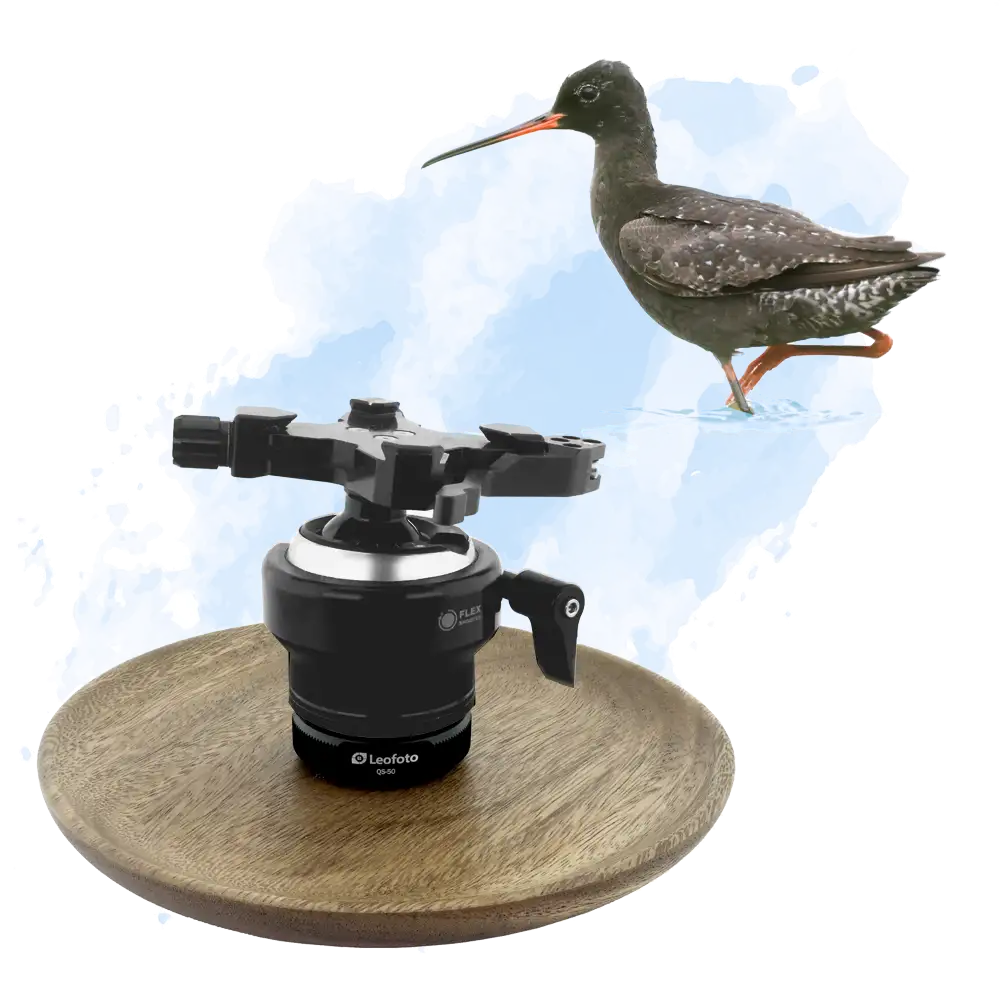
The bird migration has begun...
At the Baltic Sea, I have the opportunity to photograph waders both on the beach and at waters with shallow shorelines or flooded meadows.
On the beach, it is often enough to lie on your stomach and wait for the animals to come within photo distance.
It's quite differen...
not in stock, the item will be ordered for you
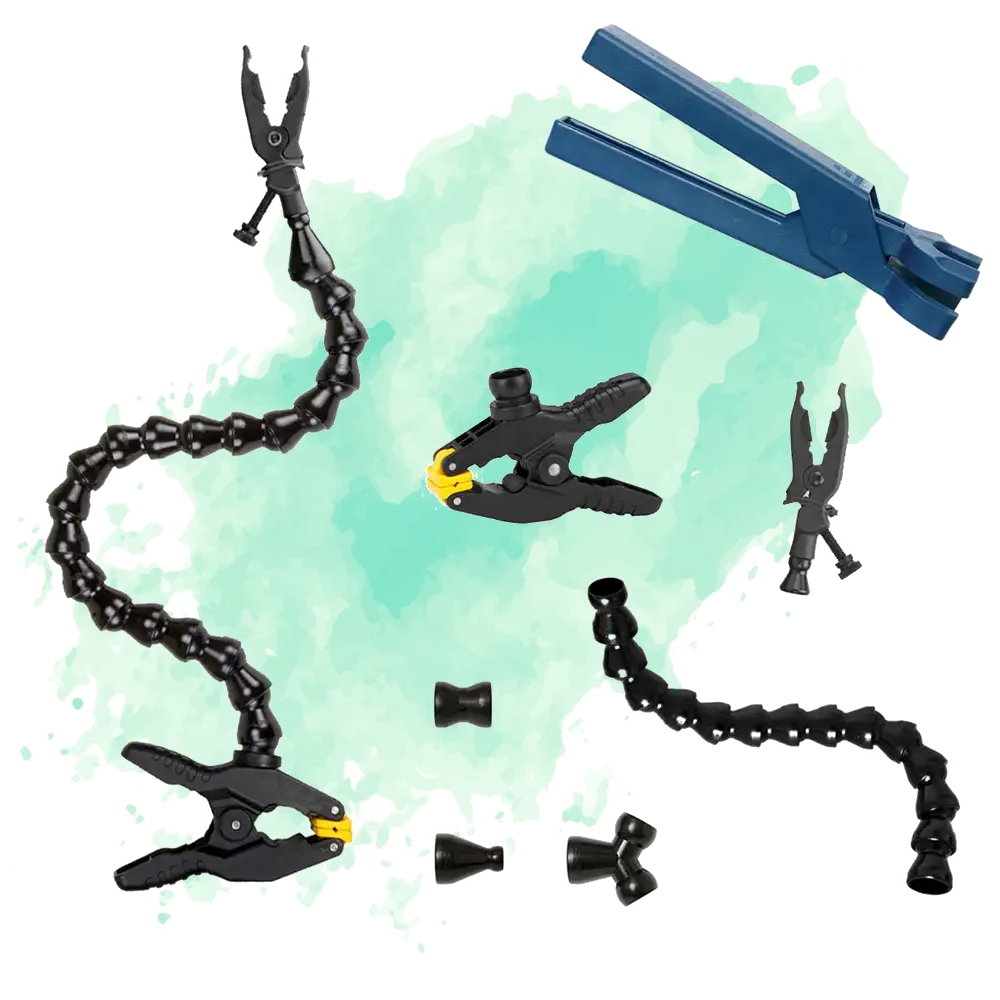
Macro accessories from Wimberley, the Plamp Family for precise macro photography Anyone who seriously engages in macro photography sooner or later stumbles over the same situation: the subject is beautiful, but the light isn’t right, a light breeze tugs at the blossom, and the diffuser is lying some...
not in stock, the item will be ordered for you
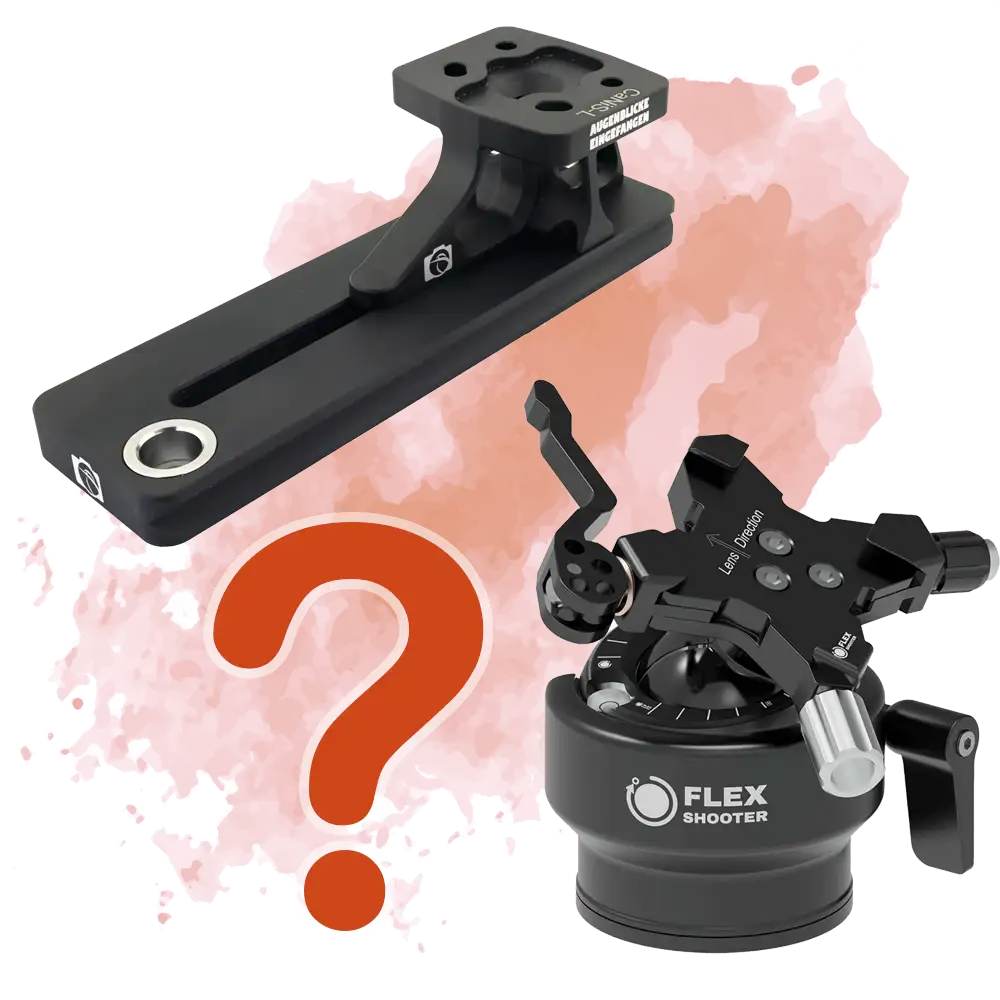
The Flexshooter tripod headsaccept almost all camera plates and L-brackets, lens plates and replacement feet with Arca-compatible profile with a width of 38 mm.
Flexshooters with lever clamp are a bit more tolerant; here you can readjust the clamp width so that your camera or lens sits really firmly ...
not in stock, the item will be ordered for you

Somehow the camera gear has to be carried.
But how do you attach the camera strap to your camera or your lens?
Traditionally, a carrying strap is attached to two lugs on the camera; with heavy lenses, a carrying strap is attached via lugs on the tripod collar.
This is often annoying,...
not in stock, the item will be ordered for you

Modular mounting system for camera backpacks
The MOLLE system on camera backpacks – modularity for photographers
The MOLLE system (Modular Lightweight Load-carrying Equipment) has also become established in the field of
photography in recent years.
Originally developed for the military, this modu...
not in stock, the item will be ordered for you

FAQ about the Flexshooter tripod head
When you start looking into the Flexshooter tripod head, the question usually isn’t whether to get one, but rather the famous “Yes, but which one exactly?
”.
In this FAQ about the Flexshooter tripod head we’ve collected the typical questions we get more frequen...
not in stock, the item will be ordered for you
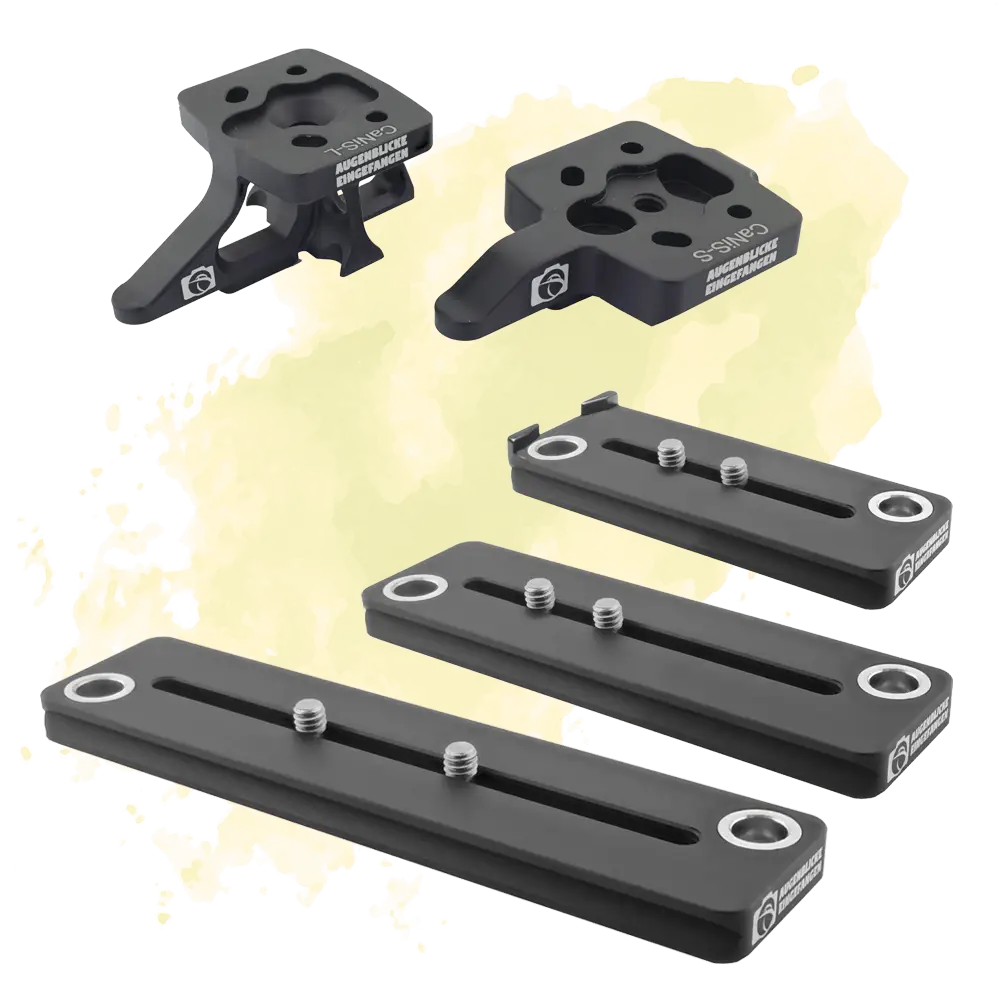
Discover the innovationModular replacement feet for telephoto lenses from Augenblicke-eingefangen
For ambitious photographers who are always looking for the perfect balance between stability and flexibility, the modular replacement feet from Augenblicke-eingefangen offer a modern solution.
These in...
not in stock, the item will be ordered for you
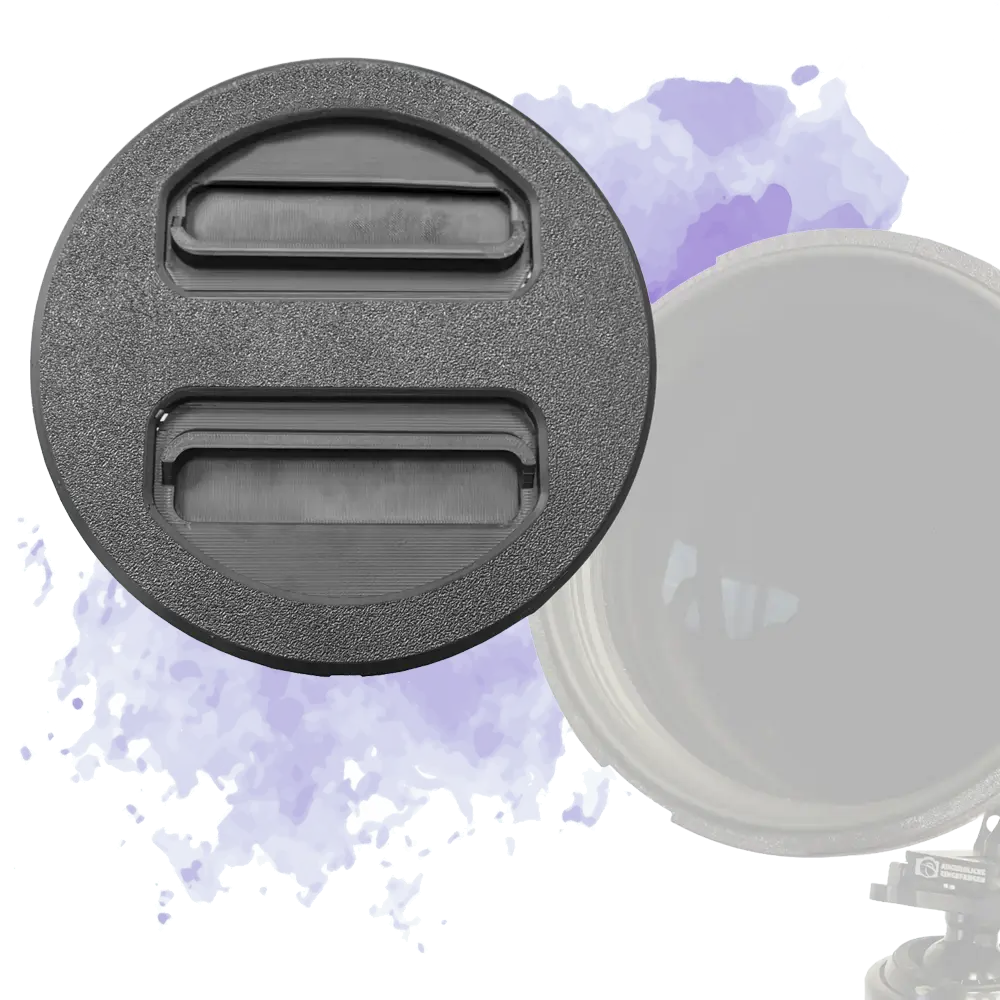
Snap-on lens caps for large telephoto lenses: BigLensCaps as a precisely fitting front element protection Anyone who photographs with large telephoto lenses, for example in wildlife, sports or nature photography, knows the problem: The front element of a super-telephoto lens is large, delicate an...
not in stock, the item will be ordered for you

Weatherproof protection for camera and lens, suitable solutions for outdoor and wildlife photography
Anyone who regularly shoots outdoors knows: the weather rarely sticks to your plans.
Especially in
wildlife, nature and sports photography, many of the most exciting images are created in rain, f...
not in stock, the item will be ordered for you

Telephoto Lens Covers in Everyday Wildlife Use: LensCoat vs.
Rolanpro (Tragopan) Compared
In professional wildlife photography, the telephoto lens is the central tool, but at the same time the most sensitive and expensive element of the equipment.
Super-telephoto lenses with focal lengths of 4...
not in stock, the item will be ordered for you

Wintry extreme cold as a photographic opportunity
Due to the frost that has persisted for a longer period this year, at times with double-digit sub-zero temperatures, this winter is very interesting for us nature photographers.
Icy scenes: rare subjects with a downside
There are subjects that are o...
not in stock, the item will be ordered for you

How to find the right tripod leg protector
It is relatively easy to find the right tripod leg protector for your tripod.
The LensCoat Wraps are available in two different versions (apart from the many sizes and camouflage patterns).
Measuring diameter and length
The sizes
You measure the diamete...
not in stock, the item will be ordered for you

Protective solution for the safe transport of large telephoto lenses
LensCoat TravelCoat, secure transport protection for large telephoto lenses
Large telephoto lenses are among the most valuable components of many photography kits.
Especially in
wildlife, nature and sports photography, long foca...
not in stock, the item will be ordered for you

Reliable protective cap for the sensitive front lens
The front lens of a lens is one of the most sensitive and at the same time most important components of your camera equipment.
Even small scratches, dust particles or impacts can impair image quality in the long term or make expensive repairs nece...
not in stock, the item will be ordered for you

Precise focus bracketing for later stacks
Exact macro focus brackets for later calculation of a stack are easy to create...
.
.
Important basics for clean results
...
.
if you follow some fundamental requirements.
Equipment used in macro photography
For macro photography I work with the Canon EOS R5, ...
not in stock, the item will be ordered for you

Important note about the previous Monostat foot and its replacement
Everything that characterized the Monostat foot can also be done by this new tripod foot, and some things even better, since it was designed from the outset for easier mounting with a 3/8" standard thread.
What made the Monostat foo...
not in stock, the item will be ordered for you
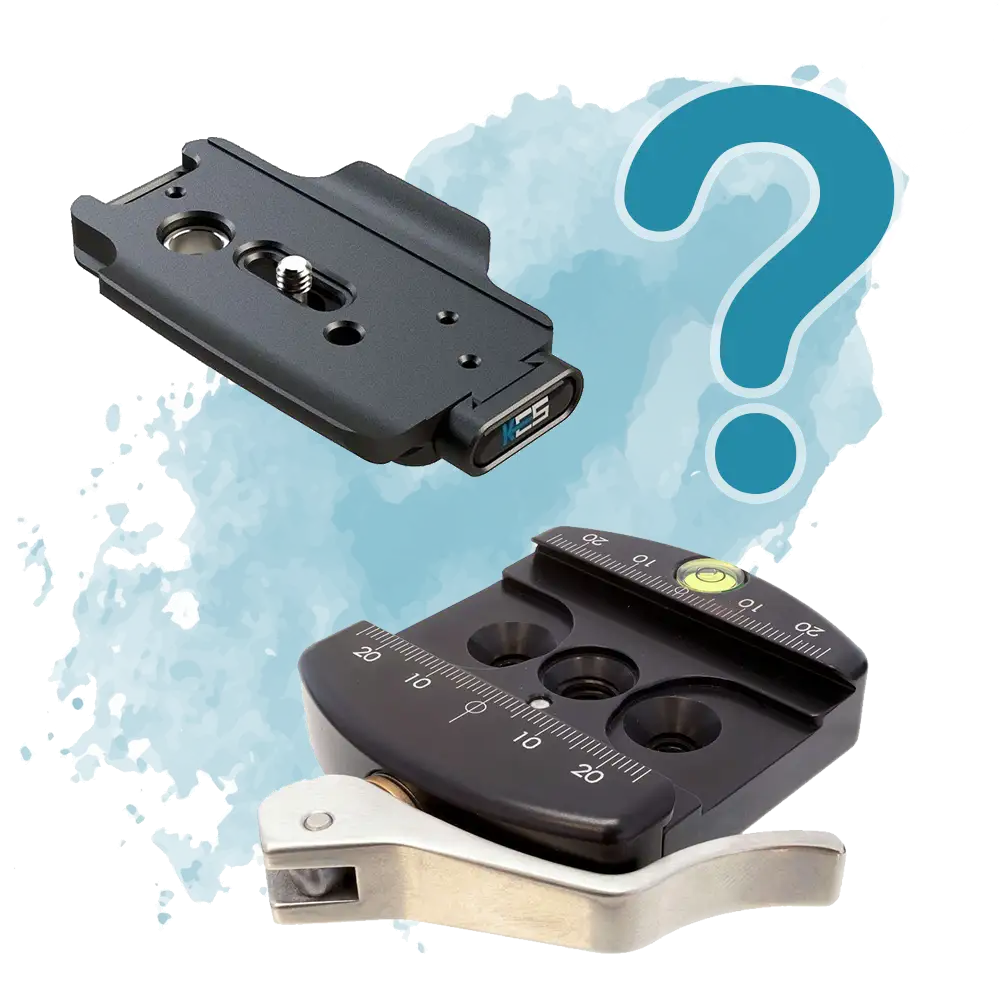
…unfortunately not very much.
In this post, we will gradually test and publish the compatibility of quick release components from various manufacturers.
Listed below, you will find which 38 mm dovetail systems are compatible with each other and which do not fit together.
For this, one must look f...
not in stock, the item will be ordered for you