
Driven egg
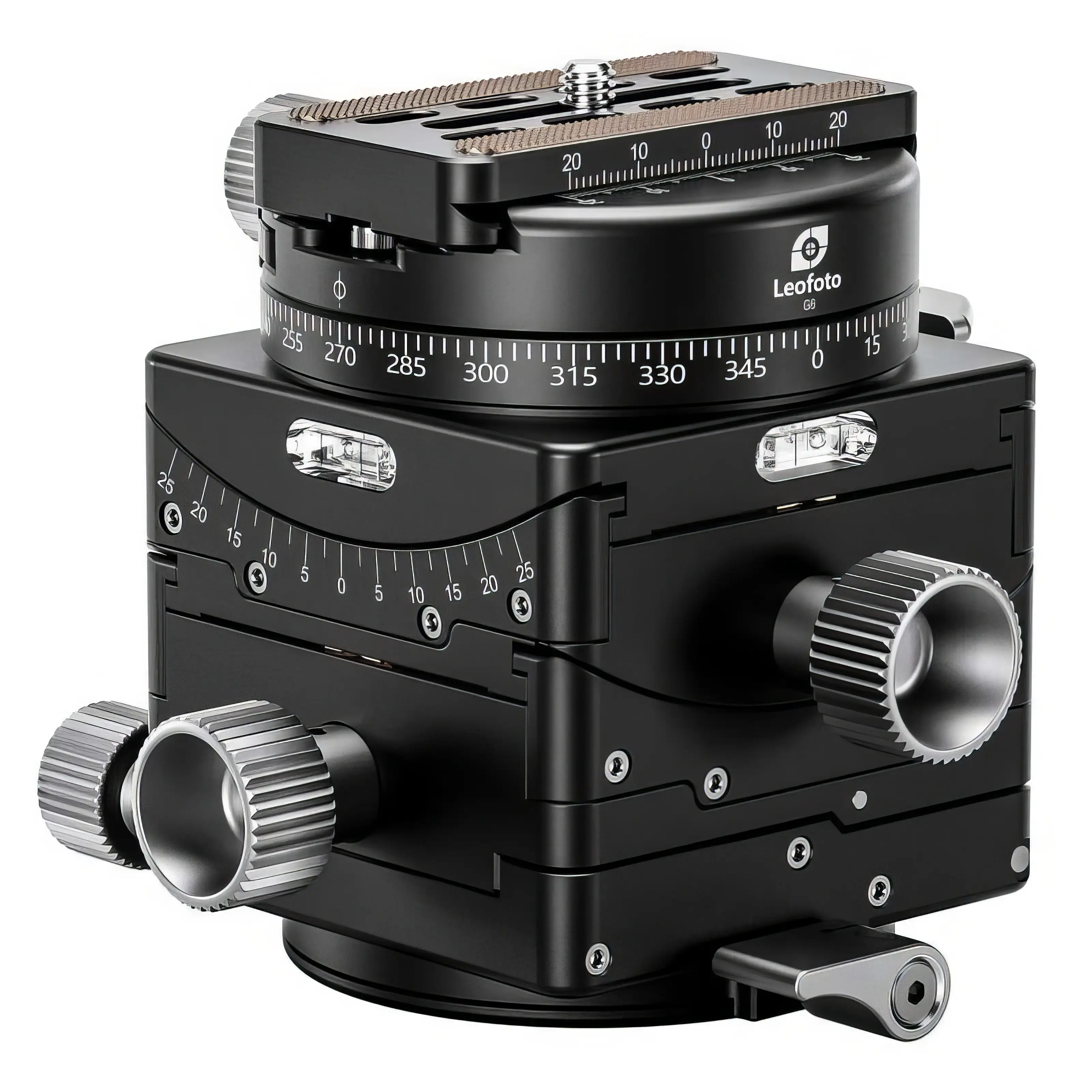
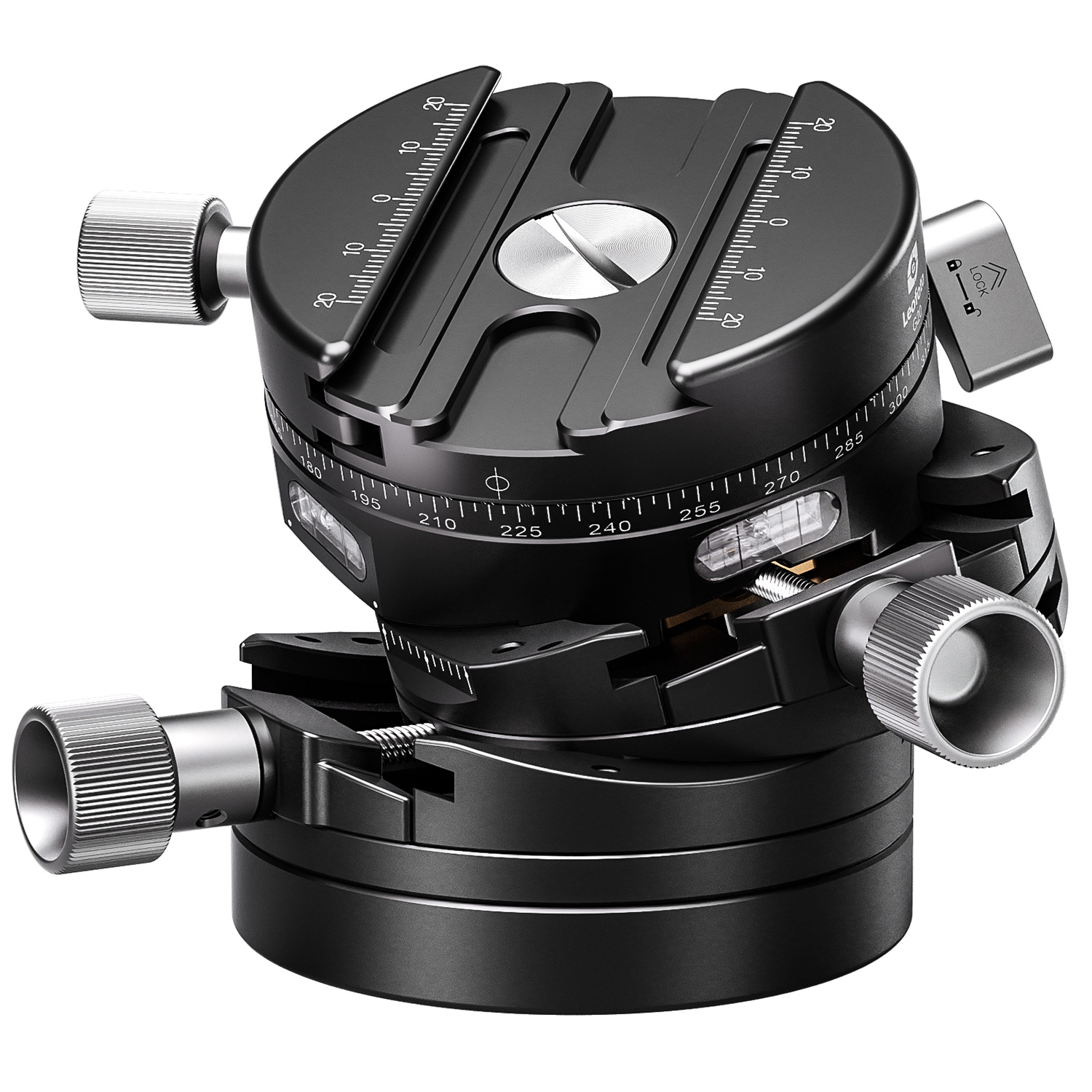
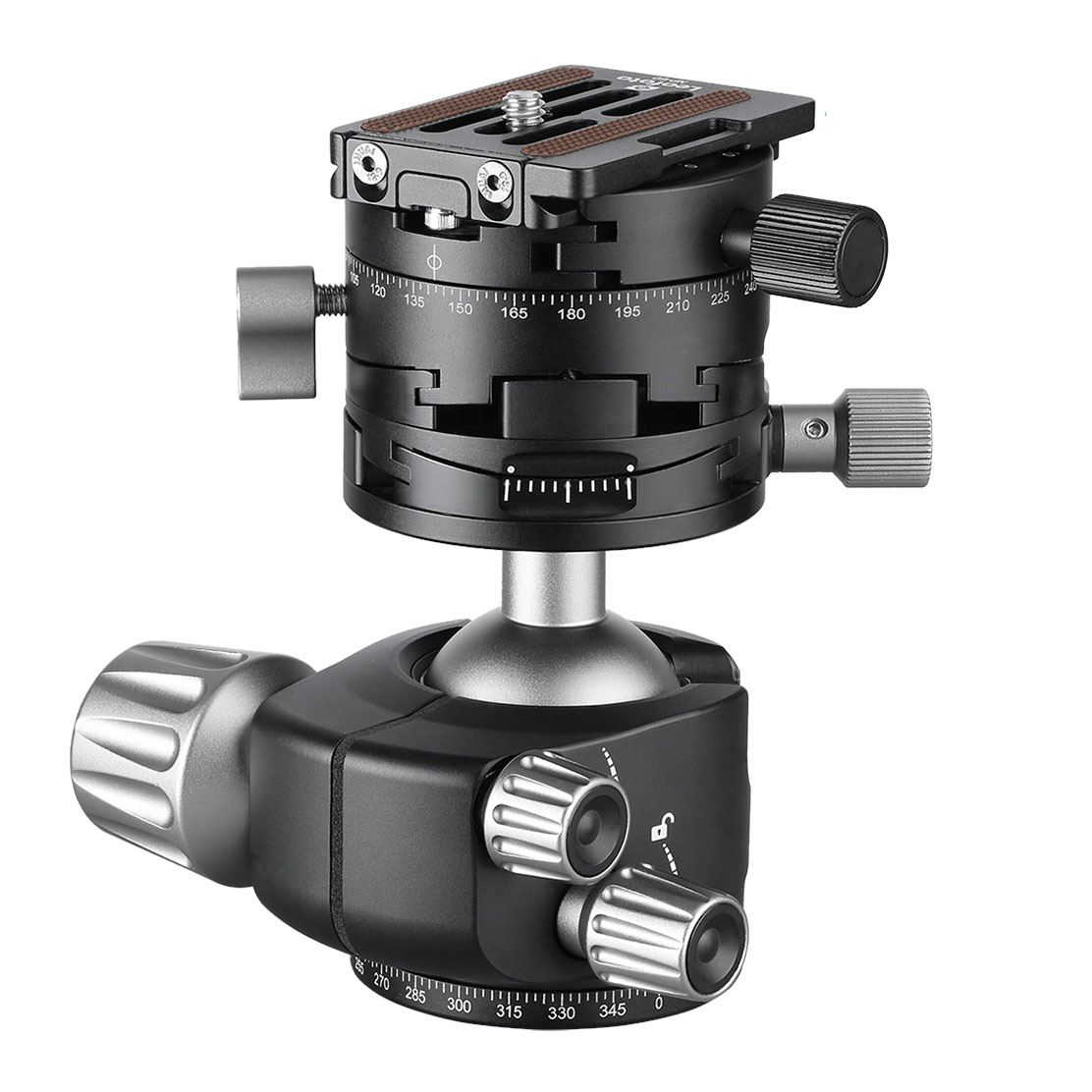
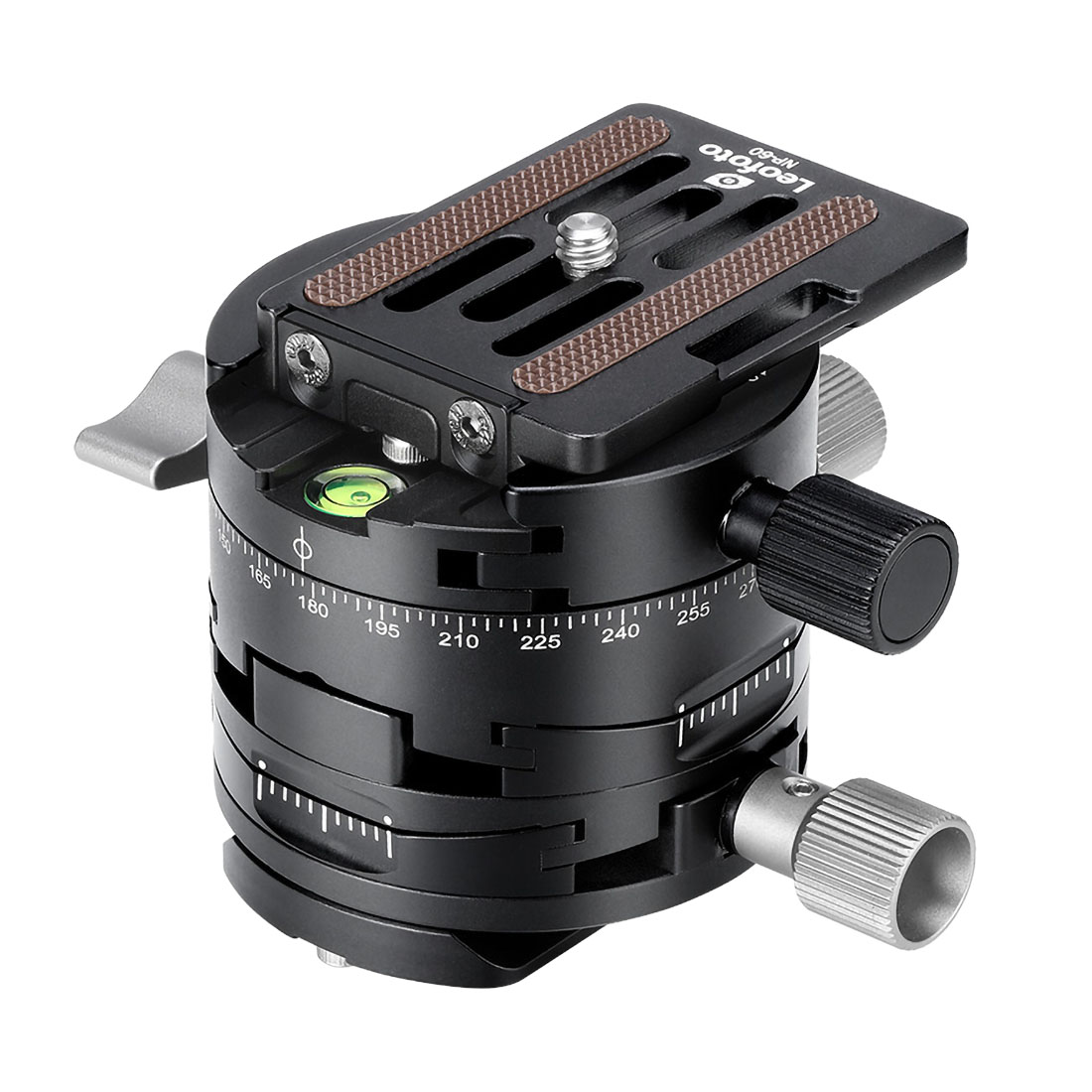
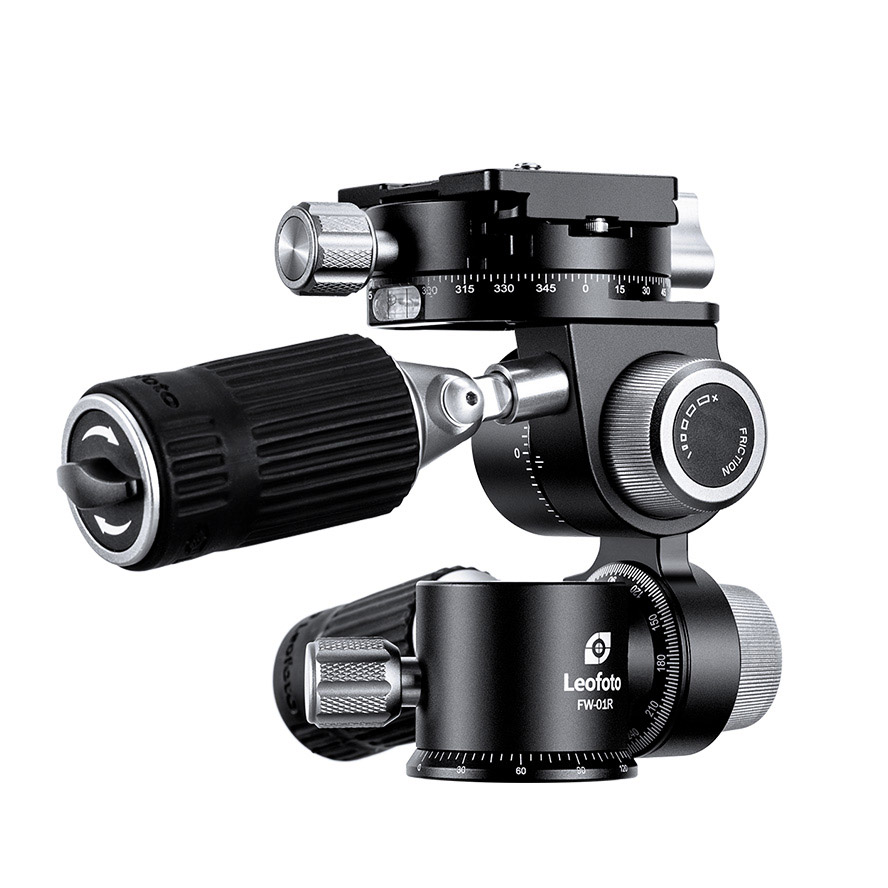
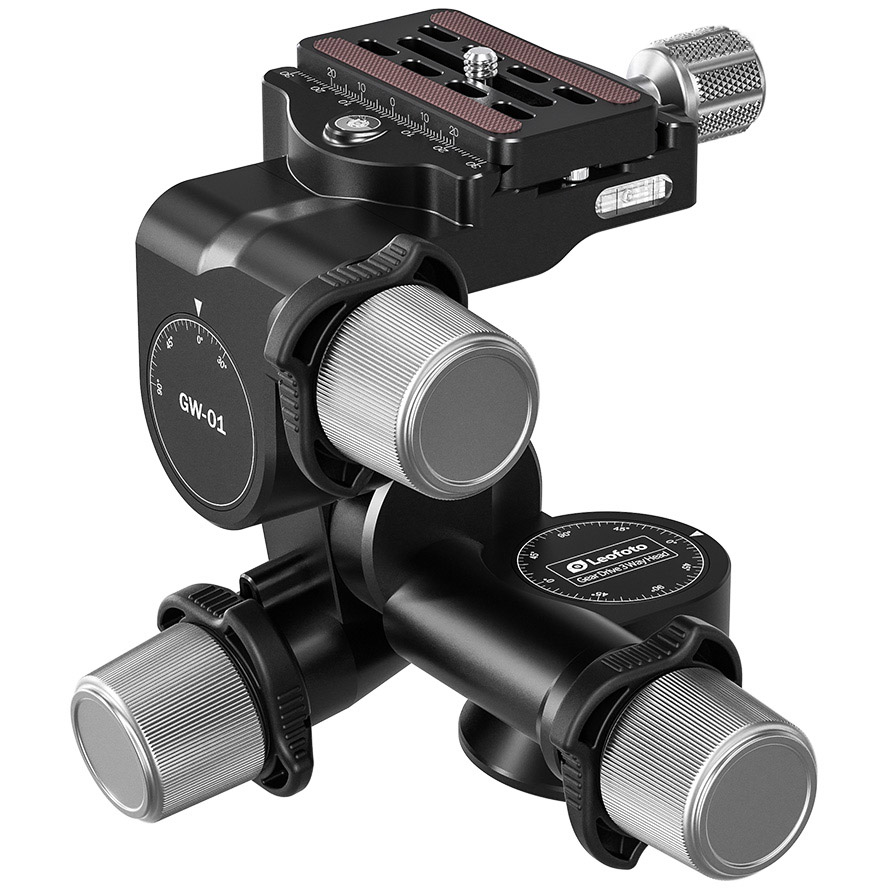
Precise image composition with geared tripod heads when “roughly” just isn’t enough
You know the situation: you’ve got the subject perfectly framed, you nudge the tripod head just a little, and bam—everything jumps a good bit too far? That’s exactly where geared tripod heads come into play. These special geared heads for your camera tripod are made for moments when you don’t just want to roughly align the camera, but need to compose with millimetre precision.
Instead of “more or less”, you get finely controllable movements via gears—slow, controlled, repeatable. No wobbling, no springing back, no “damn, too far again”. Just clean, smooth adjustments in panorama, portrait, and landscape orientation that stay exactly where you want them.
What exactly is a geared head, and why is it so practical?
In short: a geared tripod head is a tripod head with finely geared adjustment knobs that allows you precise tilts on multiple axes. Instead of loosening the camera and tilting it “freehand”, you turn small knobs and the camera moves very slowly, step by step.
This is worth its weight in gold, especially for architectural photography, product photography, macro shots, or repro work. Lines stay straight, horizons are clean, and you can make tiny corrections without ruining the entire setup. It’s a bit like the difference between a thick felt-tip pen and a fine technical pen—both draw, but not in the same way.
Who really benefits from a geared tripod head
If you mainly shoot casual snapshots on the go, sports, or work a lot handheld, then a classic ball head is often the faster choice. But:
- Architecture and interior photographers who struggle with converging verticals benefit enormously from the controlled alignment.
- Landscape photographers who shoot long exposures at sunrise appreciate the stable, jerk-free fine adjustment.
- Macro enthusiasts working with focus stacking or extremely shallow depth of field get far fewer throwaways with a geared head.
- Studio and product photography benefits from repeatable settings—once you’ve found the angle, it simply stays put.
So if you often catch yourself fiddling with the tripod head for minutes just to correct the horizon by half a degree, you’ve landed in exactly the right category here.
Important features when buying a geared head
Before you decide on a geared tripod head for your camera tripod, it’s worth taking a closer look at a few technical details. Not complicated, but crucial.
-
Load capacity & stability
Make sure the head can easily handle the weight of your camera plus lens, ideally with some headroom. A full-frame camera with a heavy telephoto zoom needs a different head than a small mirrorless camera with a pancake lens. If the manufacturer specifies, for example, 8 kg load capacity, you’re usually on the safe side with a setup around 3–4 kg. -
Number of axes
Many 3-way geared heads allow separate adjustments for front/back tilt, lateral tilt, and rotation. That may sound dry and technical, but it ensures that you can fine-tune each axis individually without disturbing the others. -
Fine adjustment & quick adjustment
It’s practical if you can switch between fine adjustment via gears and a fast coarse adjustment. This way you roughly align the camera and then use the adjustment knobs for the details—saving time, nerves, and sometimes a few choice words. -
Quick-release plate & compatibility
Many geared heads use Arca-style compatible quick-release plates. That’s convenient if you already have L-brackets, rails, or clamps in the same system. Check whether the plate is included and whether it suits the shape of your camera. -
Material & weight
Aluminium, magnesium alloys, or hybrid constructions—depending on the material, the weight varies significantly. For the studio, it can be a bit more substantial; for hikes in the mountains, you’ll be looking for a lighter yet still stable model.
Geared head vs. ball head: when each tripod head makes sense
You might be wondering: Do I really need this, or is my ball head enough? It depends on how you work.
A ball head is fast, flexible, and great for dynamic subjects and travel. But as soon as you try to set perfectly level horizons or critical architectural shots with it, you quickly notice how sensitive the ball is. One tiny twitch and everything is crooked again.
A geared tripod head, on the other hand, is more like the calm, precise colleague. Not the fastest, but extremely reliable. You turn a knob, and the camera moves just a fraction. You can almost hear the gear working. For precise image composition and repeatable settings, it’s simply the better choice.
Typical use cases for geared tripod heads
To help you visualise it better, here are a few concrete scenarios where a geared tripod head for camera tripods really shines:
- Architectural photography: Align façades precisely, minimise converging lines, and keep horizontal and vertical lines clean.
- Macro photography: Hit tiny planes of focus without pushing the subject out of the frame, especially at f/8–16 and very close distances.
- Panoramas: Clean, even panning so that the individual images can be stitched together later without issues.
- Repro and documentation work: Photograph images, drawings, or objects flat and with minimal distortion.
- Product photography: Repeatable perspectives for series shots, for example for online shops, catalogues, or lookbooks.
What to consider when combining it with your tripod
A high-quality geared head is only truly useful if the tripod underneath is stable. Otherwise, it’s a bit like a precision steering wheel on a wobbly shopping cart.
- Mount: Check whether the thread (usually 3/8") fits your tripod or whether you need an adapter.
- Height & centre of gravity: Geared heads are often a bit taller than ball heads, which can change the centre of gravity. A solid tripod with a sufficiently wide base clearly has the advantage here.
- Transport: If you’re on the move a lot, look at the tripod + geared head package: does it fit in your backpack, and is it manageable over longer distances?
Why a good geared head is more than “just an accessory”
The tripod head is sometimes underestimated—everyone talks about camera sensors, dynamic range, autofocus tracking, and the latest firmware, while the stable, precise foundation quickly fades into the background. Yet it often determines whether an image actually turns out the way you envisioned it.
A geared tripod head gives you the ability to compose deliberately instead of just “aiming roughly”. You can take your time to check lines in the viewfinder, make small corrections, and fine-tune the overall impact of the image. And yes, sometimes that takes a few seconds longer, but the number of truly well-balanced images increases significantly.
So if you notice that you’re increasingly reaching the point with your subjects where you think: This really needs to be just a tiny bit different…, then a geared head for your camera tripod is probably exactly the next logical step in your setup.
BLOG posts

Rain protection for camera and lens, proven solutions for outdoor and wildlife photography
Anyone who regularly shoots outdoors knows: the weather rarely sticks to your plans.
Especially in
wildlife, nature and sports photography, many of the most exciting images are created in rain, fog or
chang...
not in stock, the item will be ordered for you
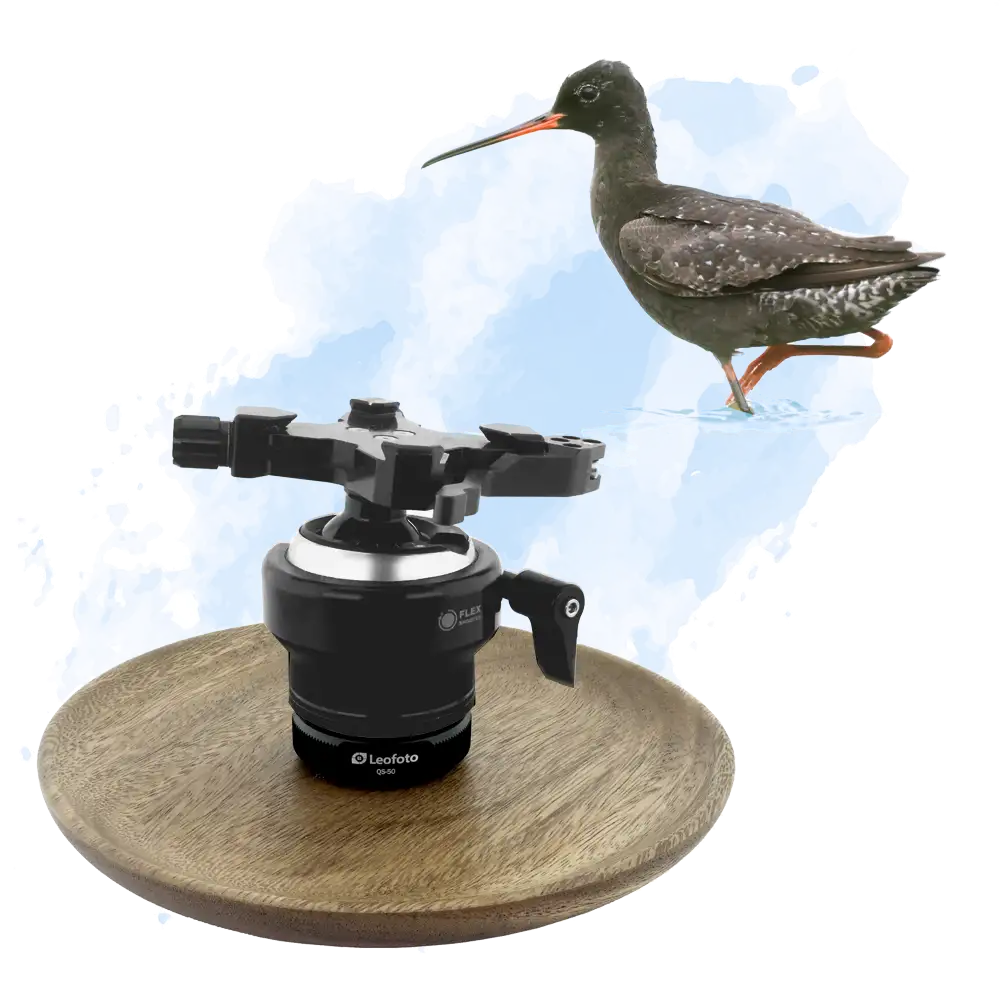
The bird migration has begun...
At the Baltic Sea, I have the opportunity to photograph waders both on the beach and at waters with shallow shorelines or flooded meadows.
On the beach, it is often enough to lie on your stomach and wait for the animals to come within photo distance.
It's quite differen...
not in stock, the item will be ordered for you
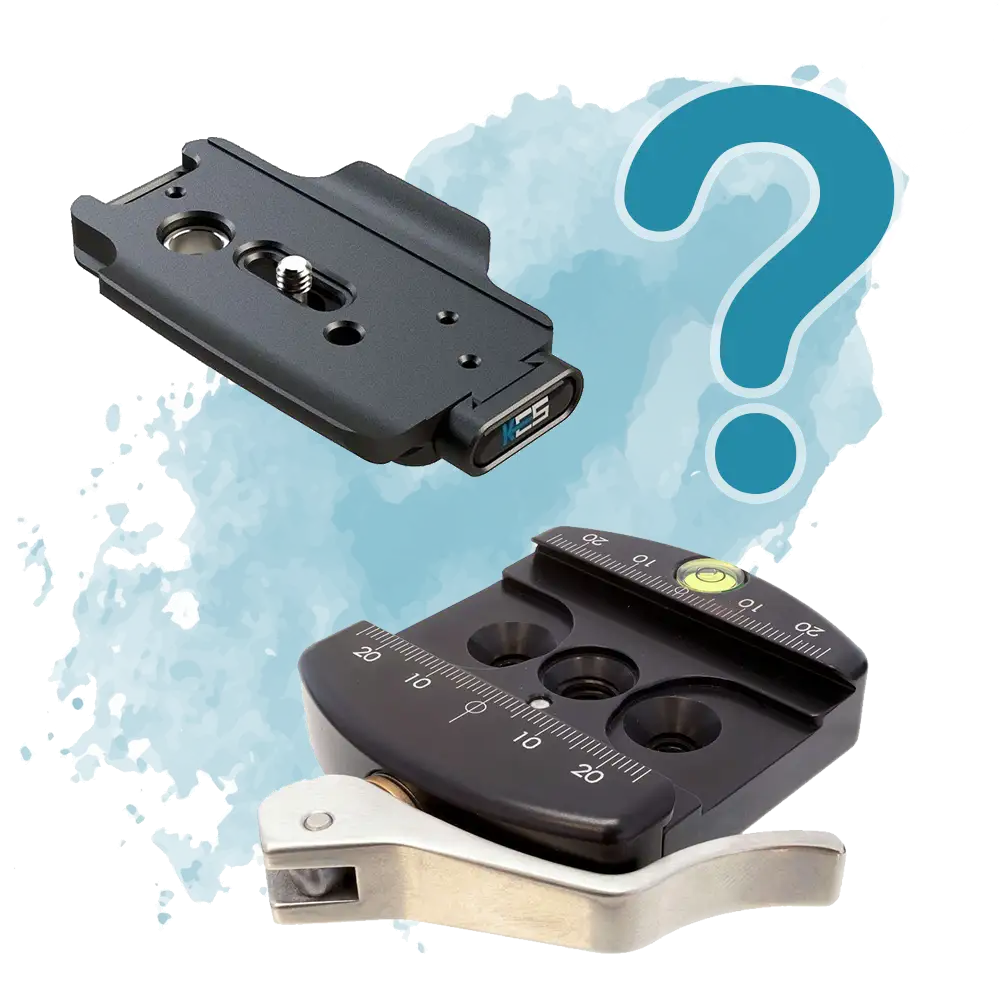
…unfortunately not very much.
In this post, we will gradually test and publish the compatibility of quick release components from various manufacturers.
Listed below, you will find which 38 mm dovetail systems are compatible with each other and which do not fit together.
For this, one must look f...
not in stock, the item will be ordered for you
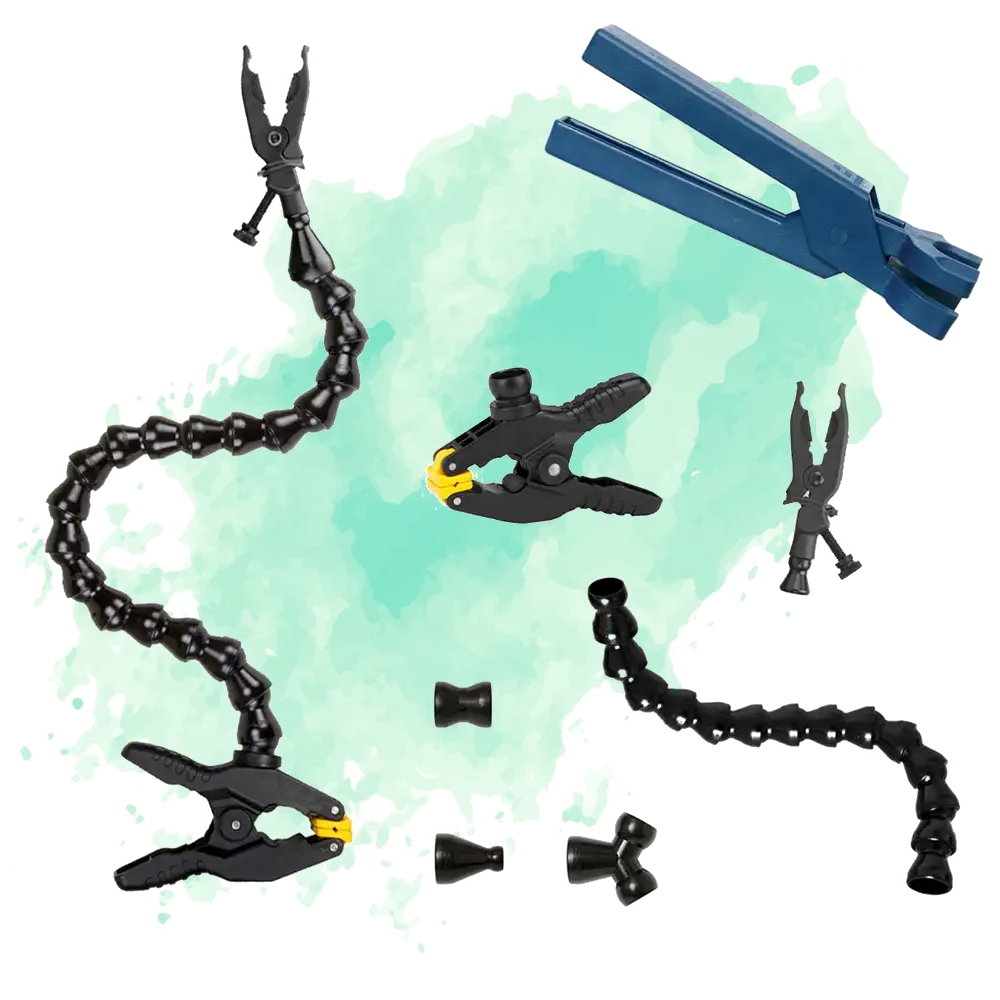
Macro accessories from Wimberley, the Plamp Family for precise macro photography Anyone who seriously engages in macro photography sooner or later stumbles over the same situation: the subject is beautiful, but the light isn’t right, a light breeze tugs at the blossom, and the diffuser is lying some...
not in stock, the item will be ordered for you
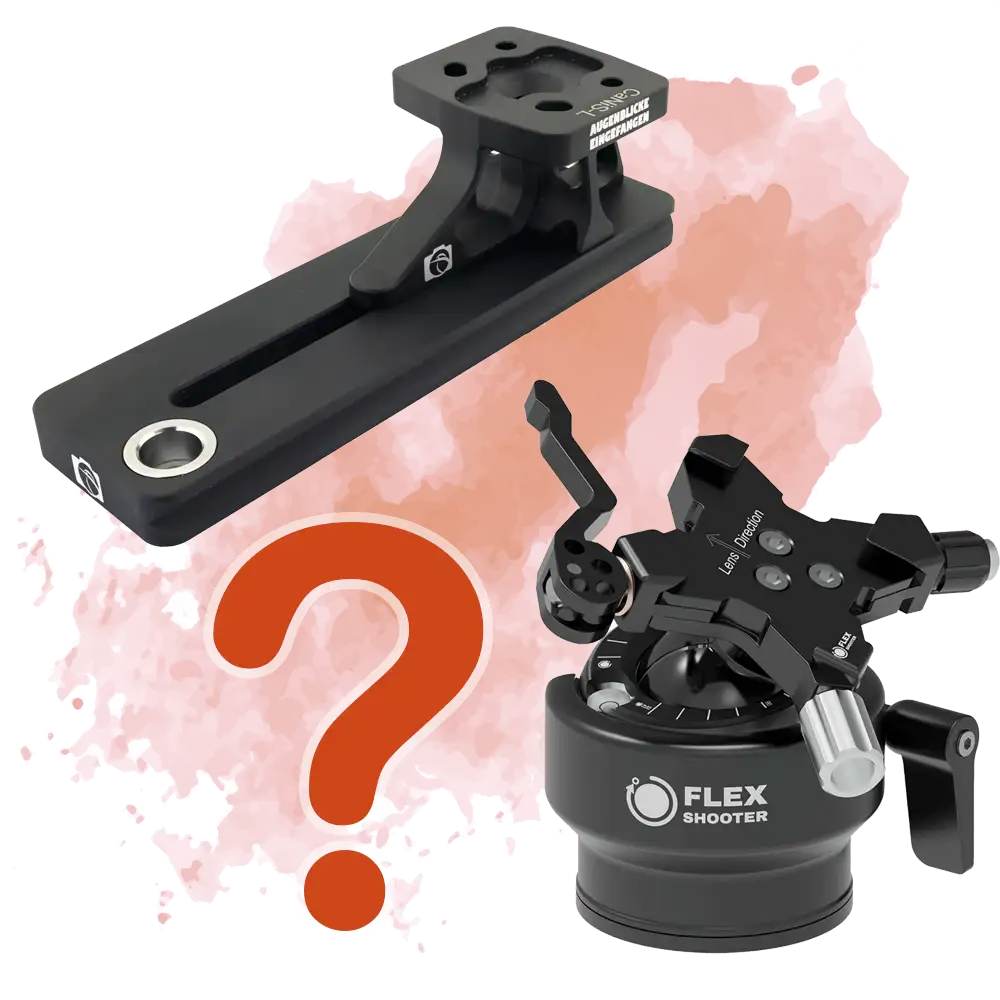
The Flexshooter tripod headsaccept almost all camera plates and L-brackets, lens plates and replacement feet with Arca-compatible profile with a width of 38 mm.
Flexshooters with lever clamp are a bit more tolerant; here you can readjust the clamp width so that your camera or lens sits really firmly ...
not in stock, the item will be ordered for you

Somehow the camera gear has to be carried.
But how do you attach the camera strap to your camera or your lens?
Traditionally, a carrying strap is attached to two lugs on the camera; with heavy lenses, a carrying strap is attached via lugs on the tripod collar.
This is often annoying,...
not in stock, the item will be ordered for you

FAQ about the Flexshooter tripod head
When you start looking into the Flexshooter tripod head, the question usually isn’t whether to get one, but rather the famous “Yes, but which one exactly?
”.
In this FAQ about the Flexshooter tripod head we’ve collected the typical questions we get more frequen...
not in stock, the item will be ordered for you
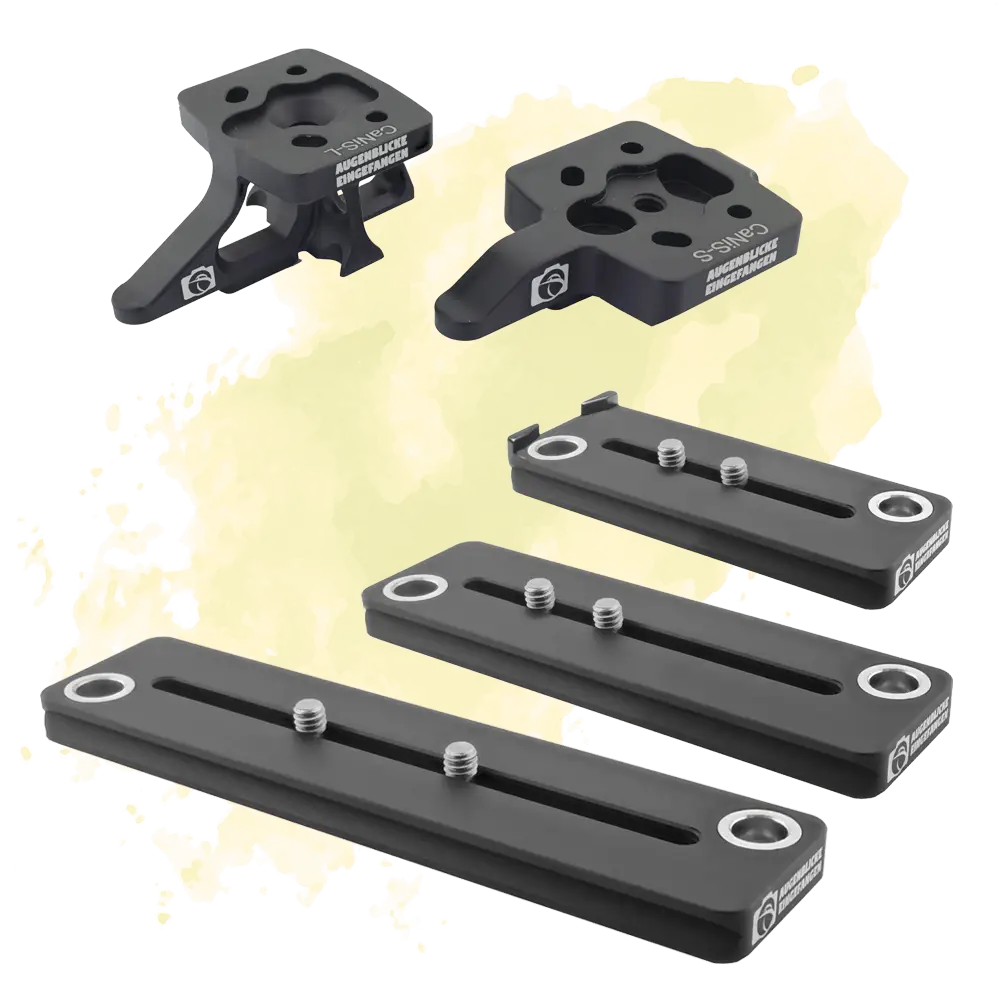
Discover the innovationModular replacement feet for telephoto lenses from Augenblicke-eingefangen
For ambitious photographers who are always looking for the perfect balance between stability and flexibility, the modular replacement feet from Augenblicke-eingefangen offer a modern solution.
These in...
not in stock, the item will be ordered for you

Telephoto Lens Covers in Everyday Wildlife Use: LensCoat vs.
Rolanpro (Tragopan) Compared
In professional wildlife photography, the telephoto lens is the central tool, but at the same time the most sensitive and expensive element of the equipment.
Super-telephoto lenses with focal lengths of 4...
not in stock, the item will be ordered for you

Wintry extreme cold as a photographic opportunity
Due to the frost that has persisted for a longer period this year, at times with double-digit sub-zero temperatures, this winter is very interesting for us nature photographers.
Icy scenes: rare subjects with a downside
There are subjects that are o...
not in stock, the item will be ordered for you

How to find the right tripod leg protector
It is relatively easy to find the right tripod leg protector for your tripod.
The LensCoat Wraps are available in two different versions (apart from the many sizes and camouflage patterns).
Measuring diameter and length
The sizes
You measure the diamete...
not in stock, the item will be ordered for you

Protective solution for the safe transport of large telephoto lenses
LensCoat TravelCoat, secure transport protection for large telephoto lenses
Large telephoto lenses are among the most valuable components of many photography kits.
Especially in
wildlife, nature and sports photography, long foca...
not in stock, the item will be ordered for you
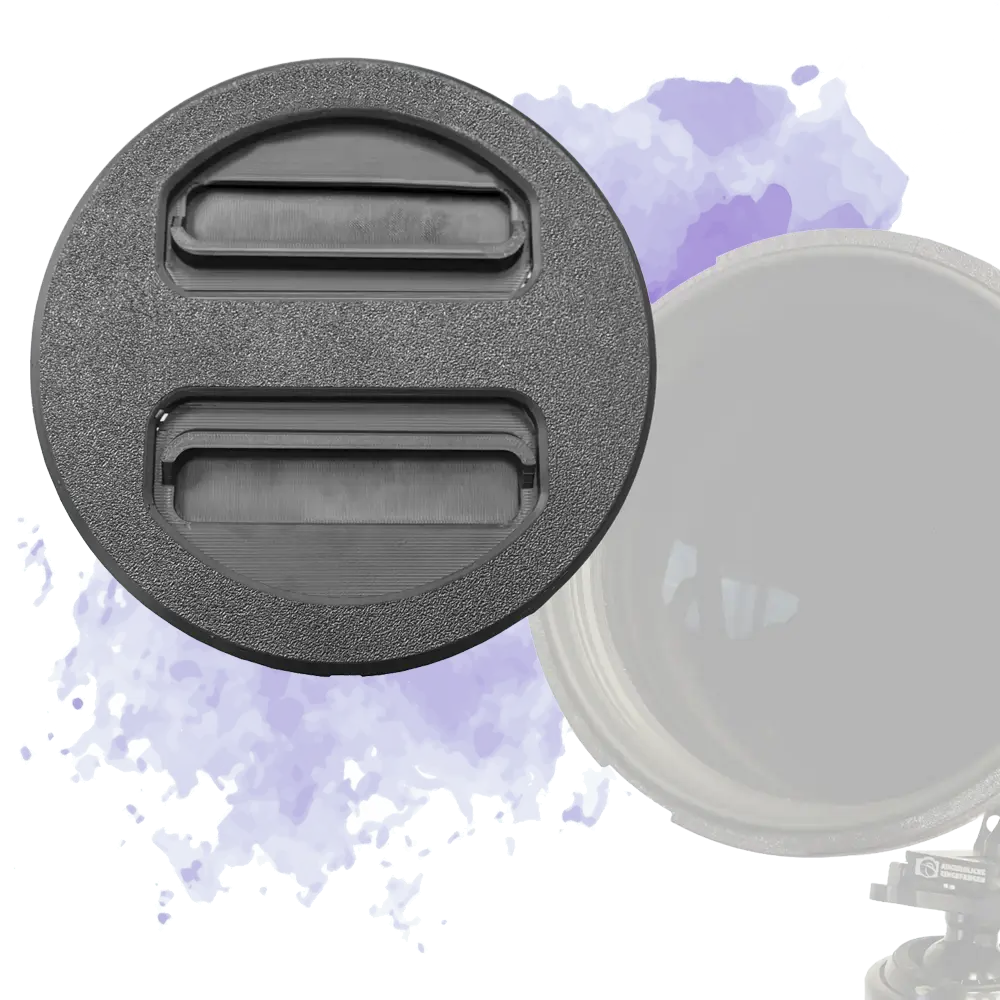
Snap-on lens caps for large telephoto lenses: BigLensCaps as a precisely fitting front element protection Anyone who photographs with large telephoto lenses, for example in wildlife, sports or nature photography, knows the problem: The front element of a super-telephoto lens is large, delicate an...
not in stock, the item will be ordered for you

Modular mounting system for camera backpacks
The MOLLE system on camera backpacks – modularity for photographers
The MOLLE system (Modular Lightweight Load-carrying Equipment) has also become established in the field of
photography in recent years.
Originally developed for the military, this modu...
not in stock, the item will be ordered for you