
Fluid head (video head)
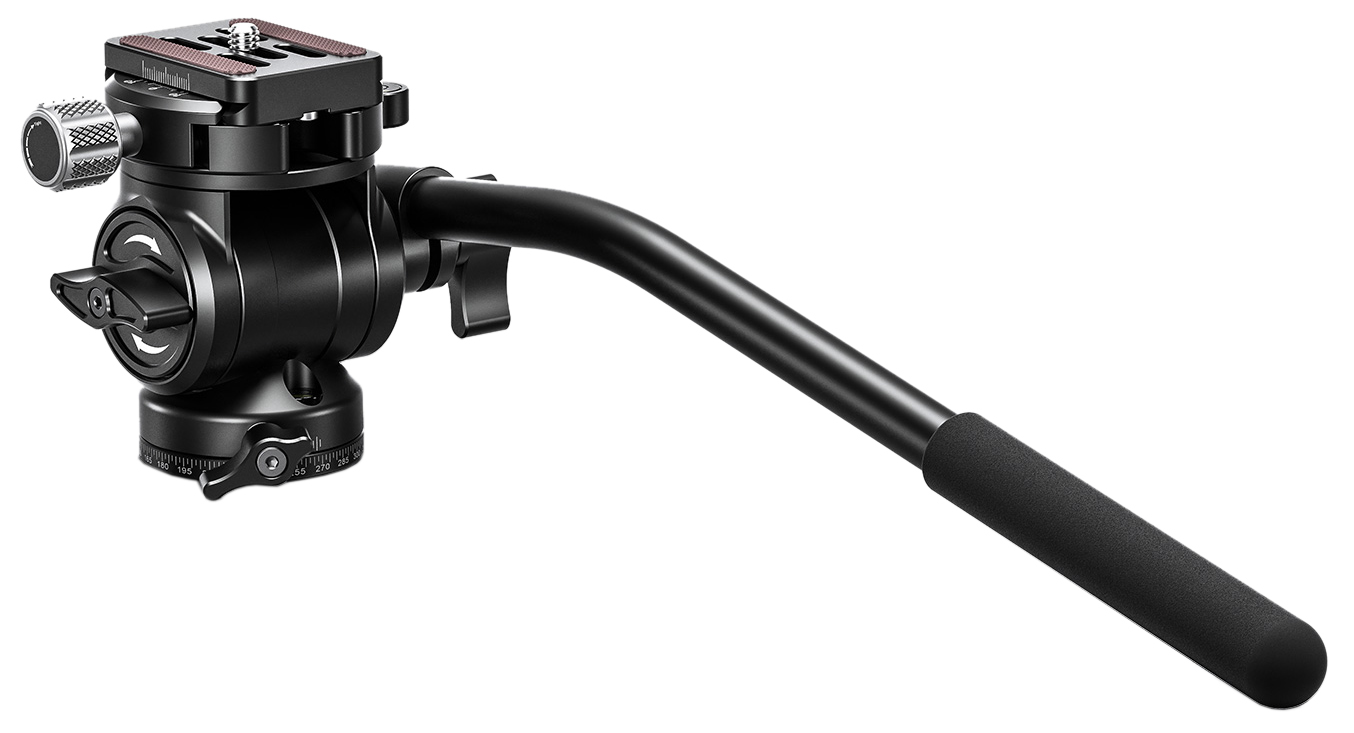
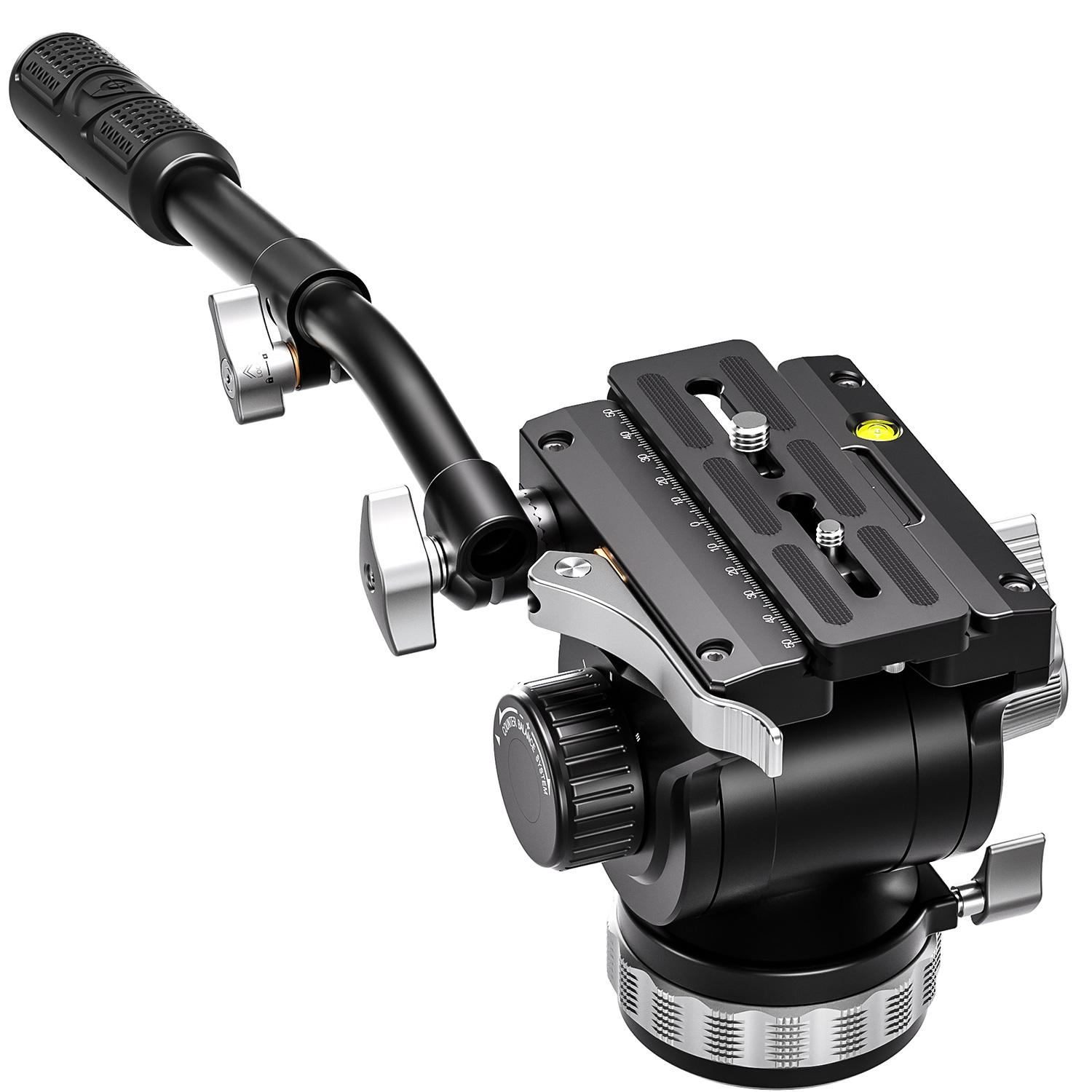
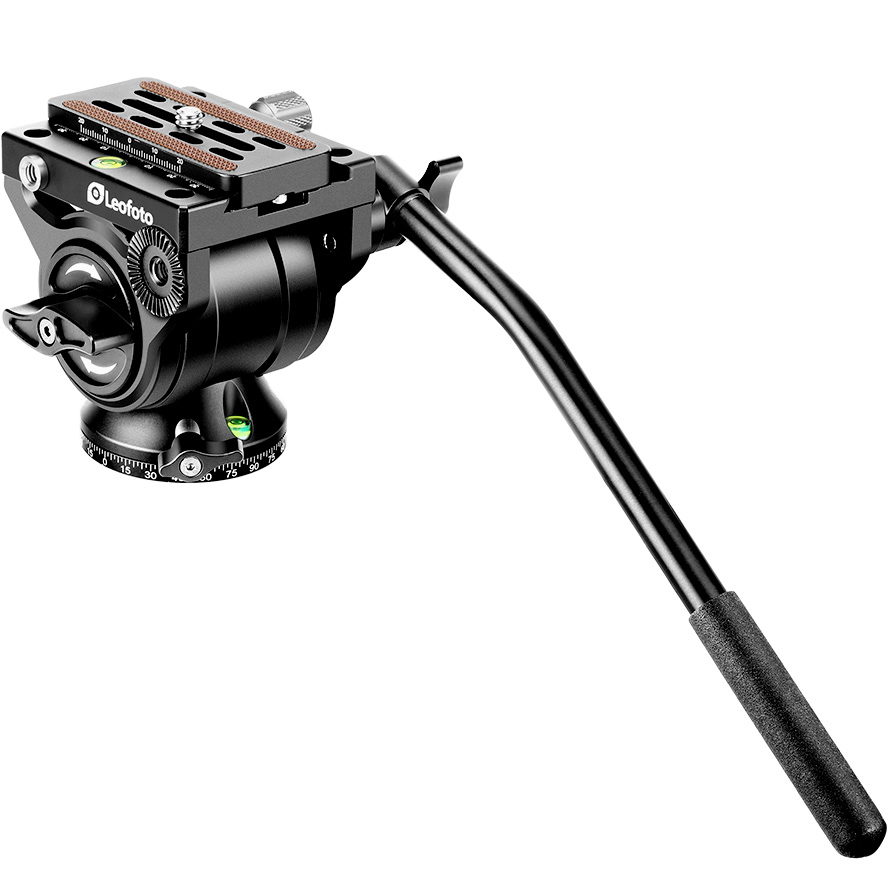
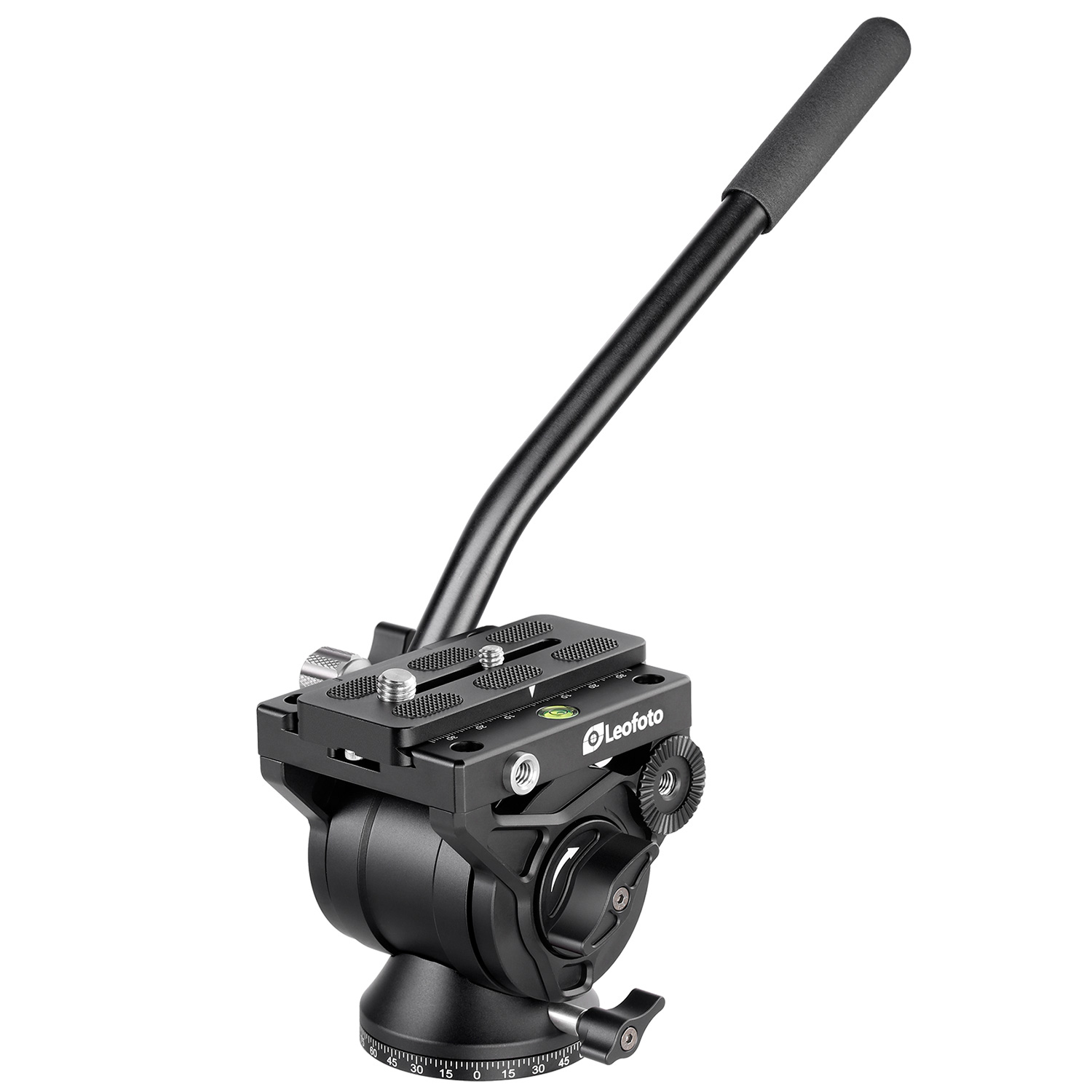
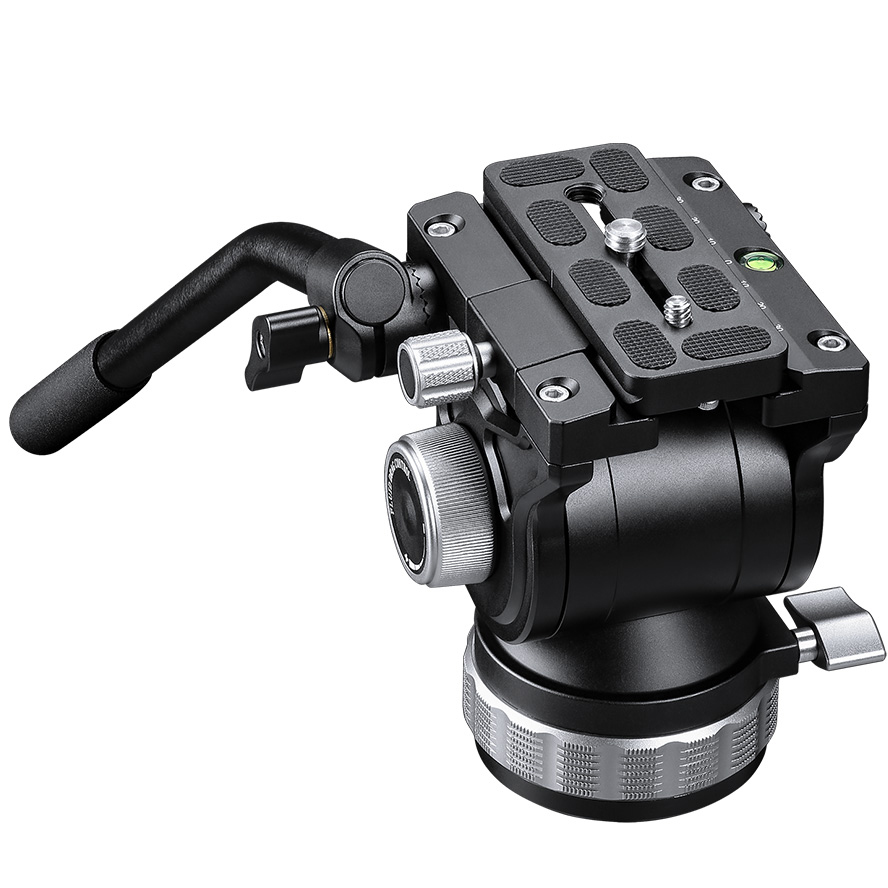
Fluid head (video head) tripod head for smooth camera movements
Let’s be honest: nothing kills a good video clip faster than a jerky pan. This is exactly where fluid heads, often also called video heads or fluid heads, come into play. If you want clean, controlled camera movements that don’t look like “handheld on vacation” but more like “okay, someone with a plan is behind this,” then you’re in exactly the right place in this category.
What exactly is a fluid head, and why do you need one?
A fluid head is a special tripod head for video recording that uses a fluid-damped mechanism. Sounds technical, but at its core it’s simple: inside the head there is a damping system (usually oil- or fluid-based) that slows down and smooths your pans and tilts. This creates soft, even movements, both horizontally and vertically.
Whether you’re shooting with a mirrorless camera, DSLR, full-frame mirrorless camera or a somewhat heavier cinema camera: a normal photographic ball head quickly reaches its limits for video. It tips, jerks, and “jumps” when you tighten the screws. A video head, on the other hand, is built precisely so that you can pan, track, and stop in a controlled way without the image bouncing like a badly hung street sign.
Typical use cases, from travel vlogs to event live streams
Maybe you’re filming your first YouTube videos. Maybe you’re shooting image films for clients. Or you simply want to take your nature and wildlife footage to the next level. A fluid head makes a noticeable difference in a surprising number of situations:
- Vlogging & YouTube, steady pans through a room, smooth movements when showing products or setups.
- Travel and landscape videos, slow panoramic pans over mountains, cities, lakes, without “stuttering on the horizon.”
- Sports & action, smoothly tracking subjects when someone is running, riding, jumping, or flying.
- Interviews & documentaries, subtle, controlled reframing without the framing looking nervous.
- Live streams & events, following people on stage, changing camera positions without making viewers seasick.
In short: whenever your camera is on a tripod and you want to move it, but in a controlled way, not randomly.
Key features of video heads, what to look for when buying
Now for a slightly more sober look so you can compare more precisely. Fluid heads differ not only in price, but above all in these aspects:
Load capacity & camera weight
It sounds trivial, but it’s crucial: the tripod head has to match your setup. Not just the camera, but also the lens, microphone, monitor, cage – the whole lot.
- Lightweight setups (e.g. mirrorless camera with a small zoom): a compact video head with medium load capacity is often sufficient.
- Heavy setups (telephoto lenses, rig, large batteries): here you need a sturdy fluid head with higher load capacity and better counterbalance.
If you’re unsure, allow for some headroom. A head that “just barely” copes is rarely fun in the long run.
Fluid damping & resistance
The real star: the damping. It determines how smooth pan (horizontal) and tilt (vertical) feel.
- Fixed damping, simple, robust, ideal for beginners and lightweight setups.
- Adjustable damping, you can adapt the resistance to your camera weight and your style.
If you like to do very slow, cinematic pans, a head with finely adjustable damping is worth it. For fast social media clips, a simpler but properly damped video head is often enough.
Counterbalance & balance
Especially with heavier lenses, adjustable counterbalance is worth its weight in gold. It ensures that the camera doesn’t just “dive” forward as soon as you briefly let go of the handle.
Many fluid heads offer:
- Stepped counterbalance adjustment, e.g. several “steps” for different setups.
- Fine-tuning via sliding plate, the quick-release plate can be moved forwards and backwards until the center of gravity is right.
This may sound like nitpicking, but once you film a longer event, you’ll notice how pleasant it is when the camera “stays in position” by itself.
Quick-release plate & compatibility
Practical in everyday use: a good quick-release plate saves you time and nerves.
- Standardized plates (e.g. compatible with common video standards) make it easier to switch between tripod, slider, and gimbal.
- Safety mechanisms prevent the camera from accidentally sliding off the plate – yes, that happens, and no, it’s not fun.
If you use multiple tripods or rigs, it’s worth paying attention to compatible plate systems so you don’t have to keep re-mounting everything.
Operation, handles & handling
A video head stands or falls with its usability. The best head won’t help you much if you can’t quickly adjust it in the heat of the moment.
- Pan bar / handle, often adjustable in length and position, sometimes even mountable on either side.
- Separate locks for pan and tilt, so you can, for example, pan only horizontally while the tilt remains fixed.
- Large, grippy knobs, so you can still operate everything safely with cold fingers or in the dark.
Especially if you shoot a lot on location, you’ll quickly notice how important well-thought-out handling is. A head that can be operated “blind” is simply more valuable in everyday use.
Matching your tripod, not every head likes every set of legs
Before you decide: quickly check which tripod you use or want to use. Important factors are:
- Mount, e.g. 3/8" thread, 75 mm or 100 mm half ball.
- Design, flat base or half ball, depending on whether you’re using a classic photo tripod or a video tripod.
If you already have a solid photo tripod, a video head with a flat base can be a good solution so you don’t have to buy everything new. For intensive video work, however, true video tripods with a half ball are often the more stable – and more nerve-saving – option.
Who are fluid heads particularly suitable for?
You might still be wondering: “Do I really need this, or is it just another nice-to-have?”
A video head is especially worthwhile if you:
- film regularly and don’t just occasionally grab a few clips,
- work deliberately with camera movements, so you don’t just shoot static shots,
- want a more professional look without immediately jumping into broadcast price ranges.
For pure photography, a ball head is usually more practical. But as soon as video plays a real role – whether professionally or simply because you enjoy it – a fluid head almost always makes sense. And yes, the difference is visible. Even on a phone screen.
How to find the right fluid head in this category
To make your choice a bit easier, you can roughly orient yourself using these questions:
- How heavy is your setup? Roughly add up camera + heaviest lens + accessories.
- How and where do you shoot? On the go a lot, mostly in the studio, long events, fast action?
- How important is fine adjustment to you? Is solid basic damping enough, or do you want to adjust resistance and counterbalance precisely?
The more clearly you can answer this for yourself, the easier it will be to find a tripod head in this category that suits you – and not just the technical specs.
Conclusion: smooth pans instead of shaky compromises
In the end, a fluid head is not a magical miracle device, but it is a very honest partner: it does exactly what it’s built for – making your camera movements controllable, repeatable, and pleasantly smooth. So if you feel that your videos look “somehow restless,” even though you’re already using a tripod, the solution often isn’t a new camera but simply the right tripod head.
In this category you’ll find a selection of fluid heads for different budgets, camera classes, and use cases, from compact video heads for on the go to robust fluid heads for more demanding productions. Take your time to choose the head that fits your style and give your footage what it has long deserved: smooth movements instead of lucky shots.
BLOG posts

Modular mounting system for camera backpacks
The MOLLE system on camera backpacks – modularity for photographers
The MOLLE system (Modular Lightweight Load-carrying Equipment) has also become established in the field of
photography in recent years.
Originally developed for the military, this modu...
not in stock, the item will be ordered for you
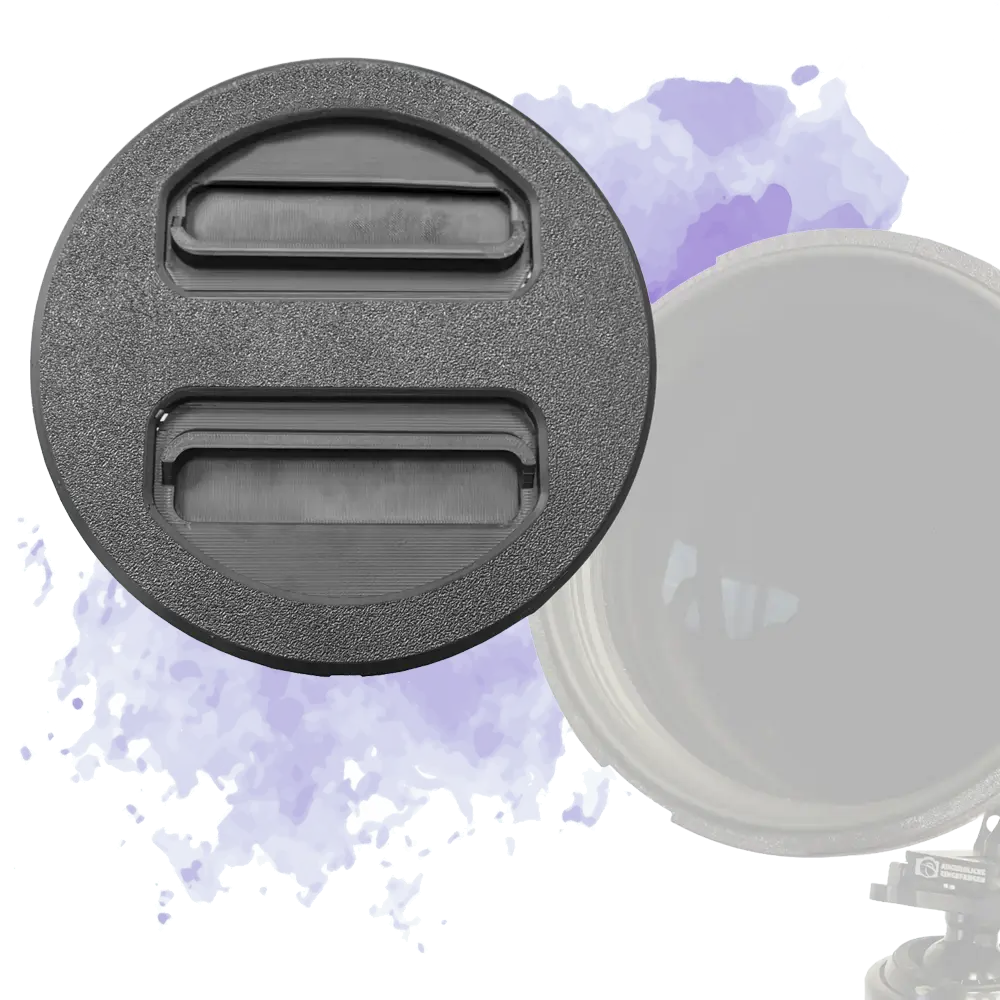
Snap-on lens caps for large telephoto lenses: BigLensCaps as a precisely fitting front element protection Anyone who photographs with large telephoto lenses, for example in wildlife, sports or nature photography, knows the problem: The front element of a super-telephoto lens is large, delicate an...
not in stock, the item will be ordered for you

Protective solution for the safe transport of large telephoto lenses
LensCoat TravelCoat, secure transport protection for large telephoto lenses
Large telephoto lenses are among the most valuable components of many photography kits.
Especially in
wildlife, nature and sports photography, long foca...
not in stock, the item will be ordered for you

Rain protection for camera and lens, proven solutions for outdoor and wildlife photography
Anyone who regularly shoots outdoors knows: the weather rarely sticks to your plans.
Especially in
wildlife, nature and sports photography, many of the most exciting images are created in rain, fog or
chang...
not in stock, the item will be ordered for you

Telephoto Lens Covers in Everyday Wildlife Use: LensCoat vs.
Rolanpro (Tragopan) Compared
In professional wildlife photography, the telephoto lens is the central tool, but at the same time the most sensitive and expensive element of the equipment.
Super-telephoto lenses with focal lengths of 4...
not in stock, the item will be ordered for you

How to find the right tripod leg protector
It is relatively easy to find the right tripod leg protector for your tripod.
The LensCoat Wraps are available in two different versions (apart from the many sizes and camouflage patterns).
Measuring diameter and length
The sizes
You measure the diamete...
not in stock, the item will be ordered for you

Wintry extreme cold as a photographic opportunity
Due to the frost that has persisted for a longer period this year, at times with double-digit sub-zero temperatures, this winter is very interesting for us nature photographers.
Icy scenes: rare subjects with a downside
There are subjects that are o...
not in stock, the item will be ordered for you
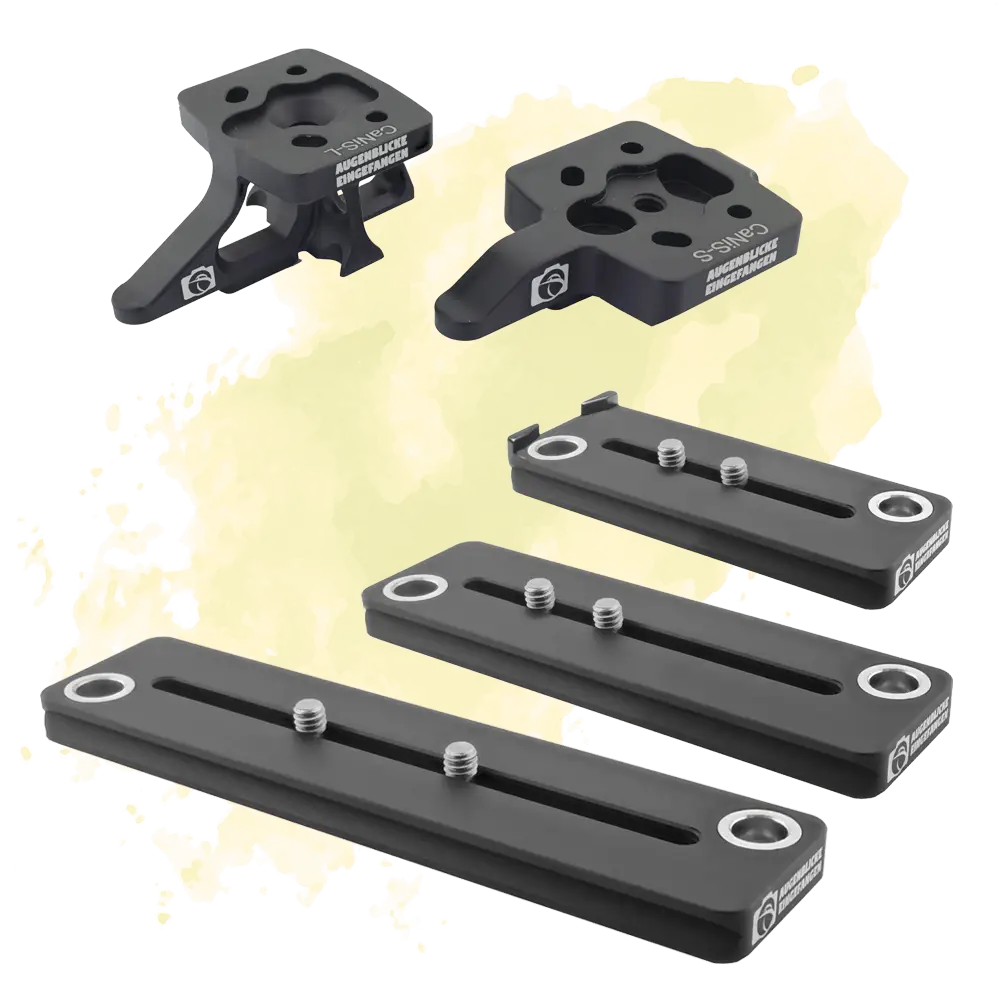
Discover the innovationModular replacement feet for telephoto lenses from Augenblicke-eingefangen
For ambitious photographers who are always looking for the perfect balance between stability and flexibility, the modular replacement feet from Augenblicke-eingefangen offer a modern solution.
These in...
not in stock, the item will be ordered for you

FAQ about the Flexshooter tripod head
When you start looking into the Flexshooter tripod head, the question usually isn’t whether to get one, but rather the famous “Yes, but which one exactly?
”.
In this FAQ about the Flexshooter tripod head we’ve collected the typical questions we get more frequen...
not in stock, the item will be ordered for you

Somehow the camera gear has to be carried.
But how do you attach the camera strap to your camera or your lens?
Traditionally, a carrying strap is attached to two lugs on the camera; with heavy lenses, a carrying strap is attached via lugs on the tripod collar.
This is often annoying,...
not in stock, the item will be ordered for you
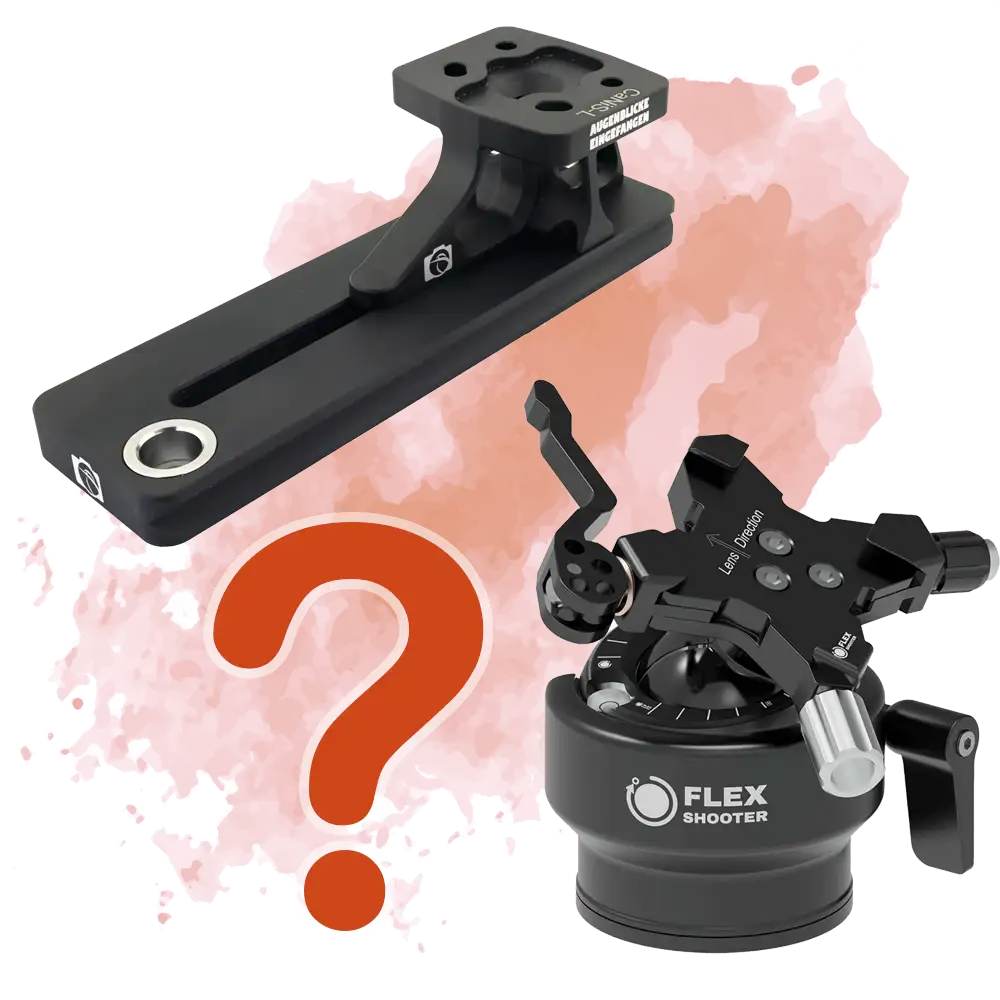
The Flexshooter tripod headsaccept almost all camera plates and L-brackets, lens plates and replacement feet with Arca-compatible profile with a width of 38 mm.
Flexshooters with lever clamp are a bit more tolerant; here you can readjust the clamp width so that your camera or lens sits really firmly ...
not in stock, the item will be ordered for you
The bird migration has begun...
At the Baltic Sea, I have the opportunity to photograph waders both on the beach and at waters with shallow shorelines or flooded meadows.
On the beach, it is often enough to lie on your stomach and wait for the animals to come within photo distance.
It's quite differen...
not in stock, the item will be ordered for you
Macro accessories from Wimberley, the Plamp Family for precise macro photography Anyone who seriously engages in macro photography sooner or later stumbles over the same situation: the subject is beautiful, but the light isn’t right, a light breeze tugs at the blossom, and the diffuser is lying some...
not in stock, the item will be ordered for you
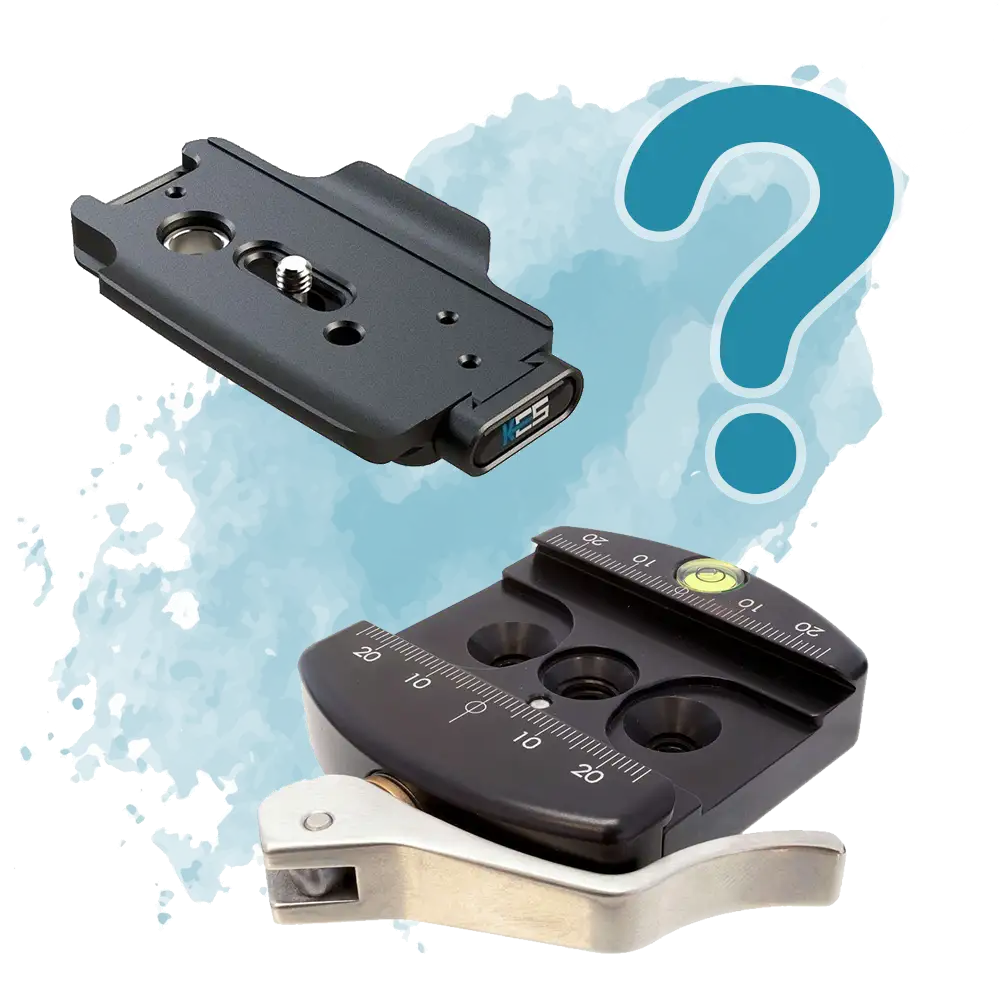
…unfortunately not very much.
In this post, we will gradually test and publish the compatibility of quick release components from various manufacturers.
Listed below, you will find which 38 mm dovetail systems are compatible with each other and which do not fit together.
For this, one must look f...
not in stock, the item will be ordered for you