
Tripod feet

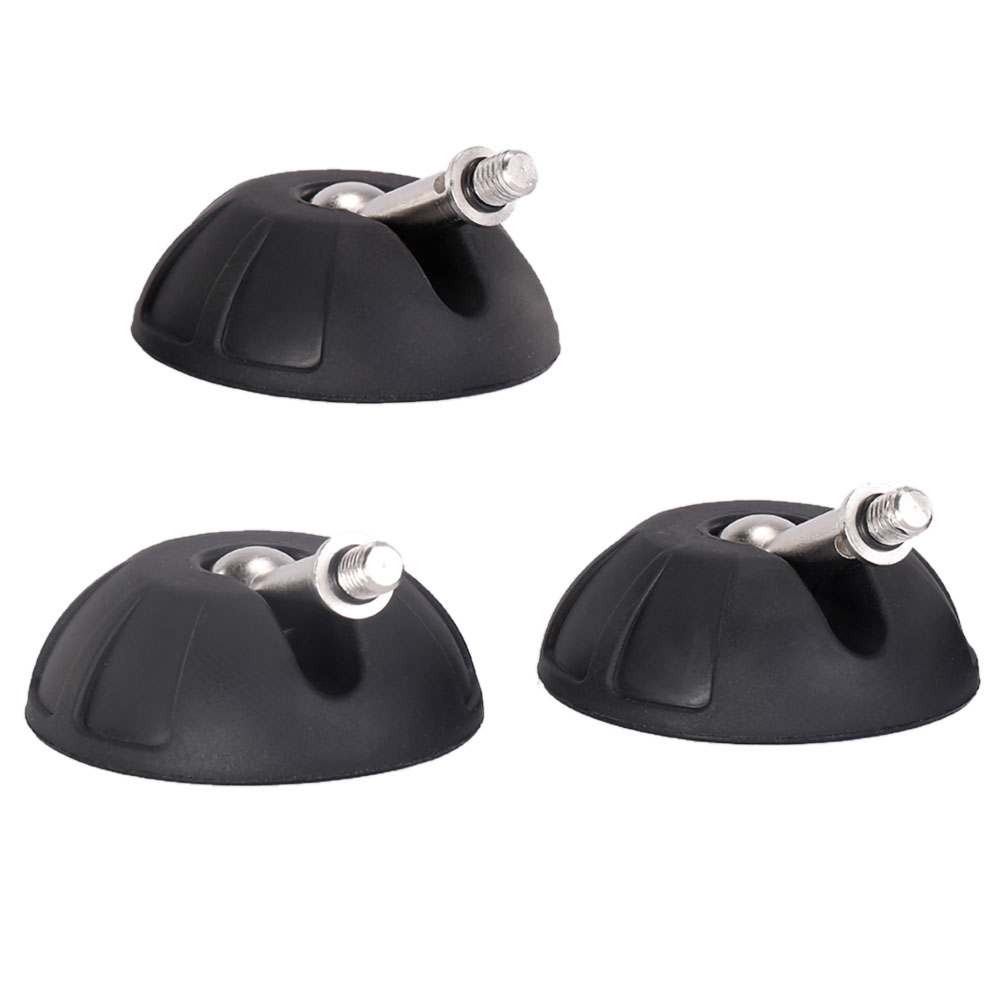
Tripod feet, the inconspicuous foundation for sharp images
Let’s be honest: people can talk for hours about cameras, lenses and filters, but the tripod feet that actually keep the whole setup steady are often a bit overlooked. Yet it’s precisely this contact with the ground that decides whether your tripod wobbles, sinks in, or stands rock solid. And that’s exactly what this is all about: choosing the right tripod feet for your use case, indoors and outdoors, on carpet, rock, snow or mud.
Why good tripod feet matter more than it seems
If your tripod slowly slips on smooth parquet, the leg sinks into wet forest soil, or it wobbles on rocks, the photo is quickly ruined: camera shake, blur, frustration. With the right tripod feet you regain a stable foundation: more sharpness, more repeatability, more peace of mind when shooting. We’d even say that suitable tripod feet are often the underrated difference between “quite okay” and “wow, tack sharp”.
Rubber feet, quiet, non-slip and ideal for indoor use
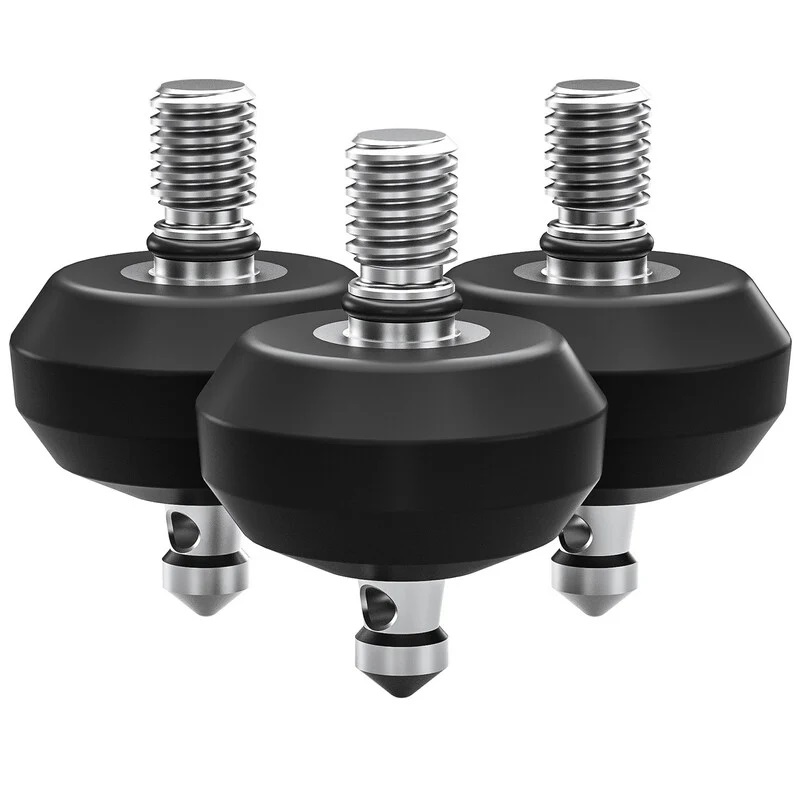
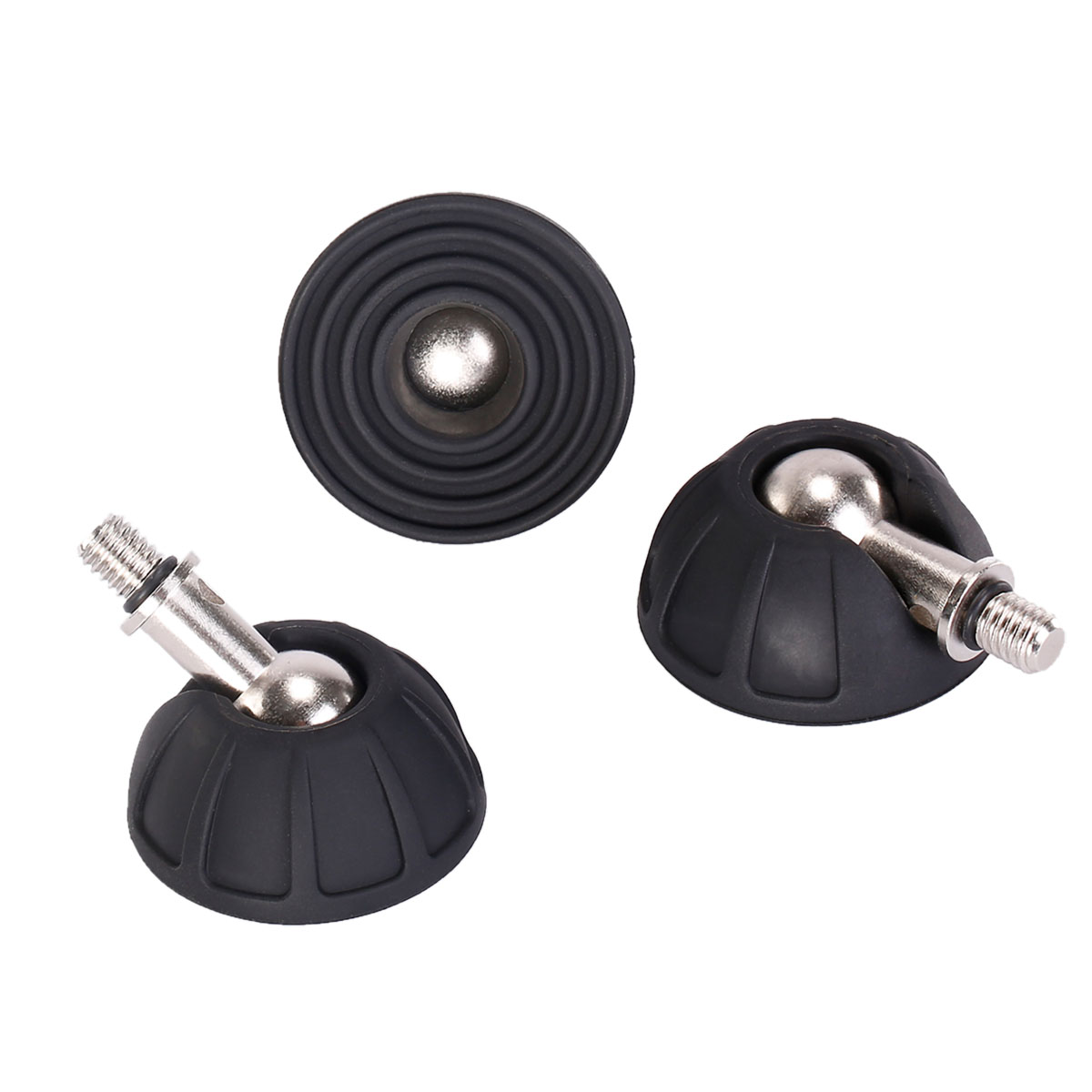
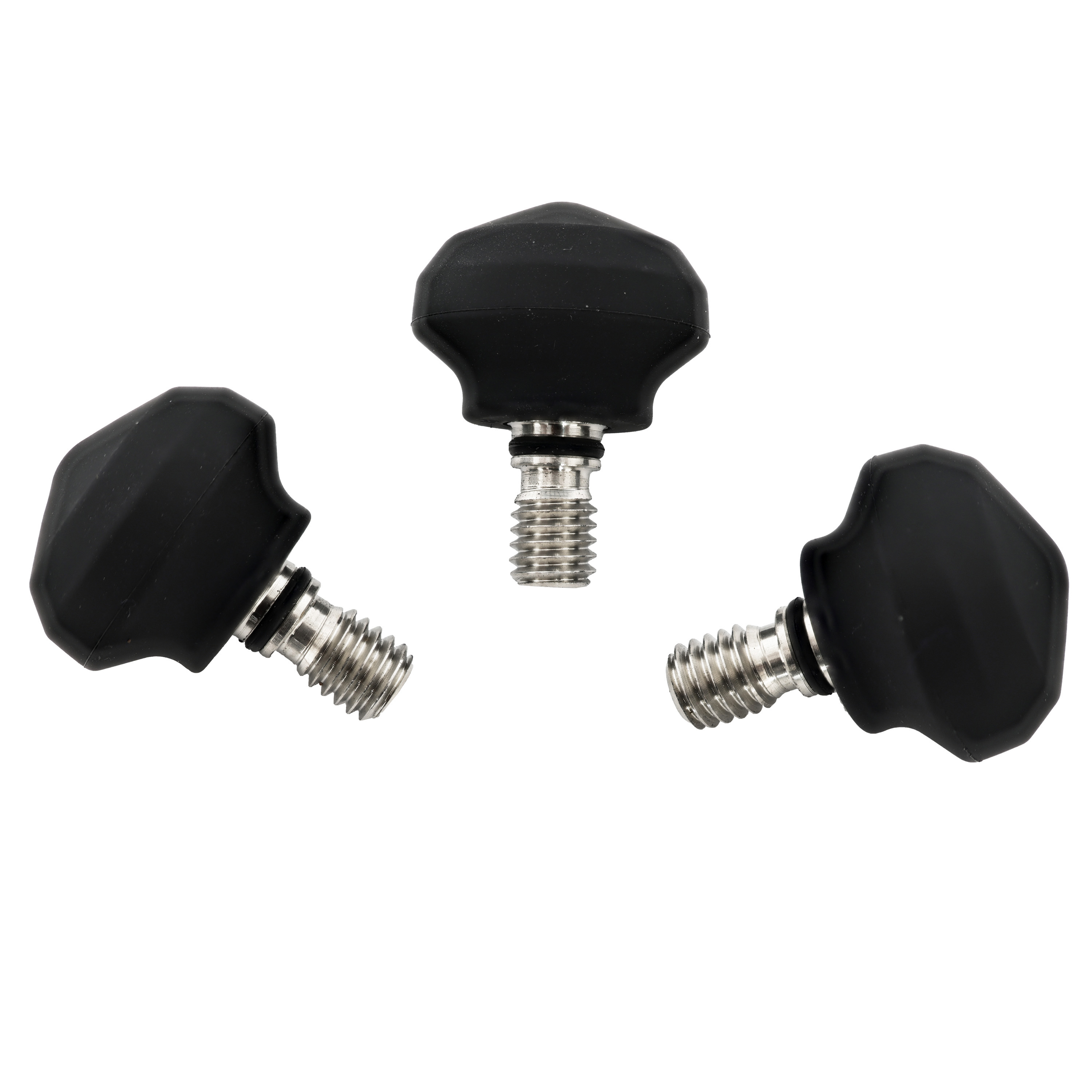
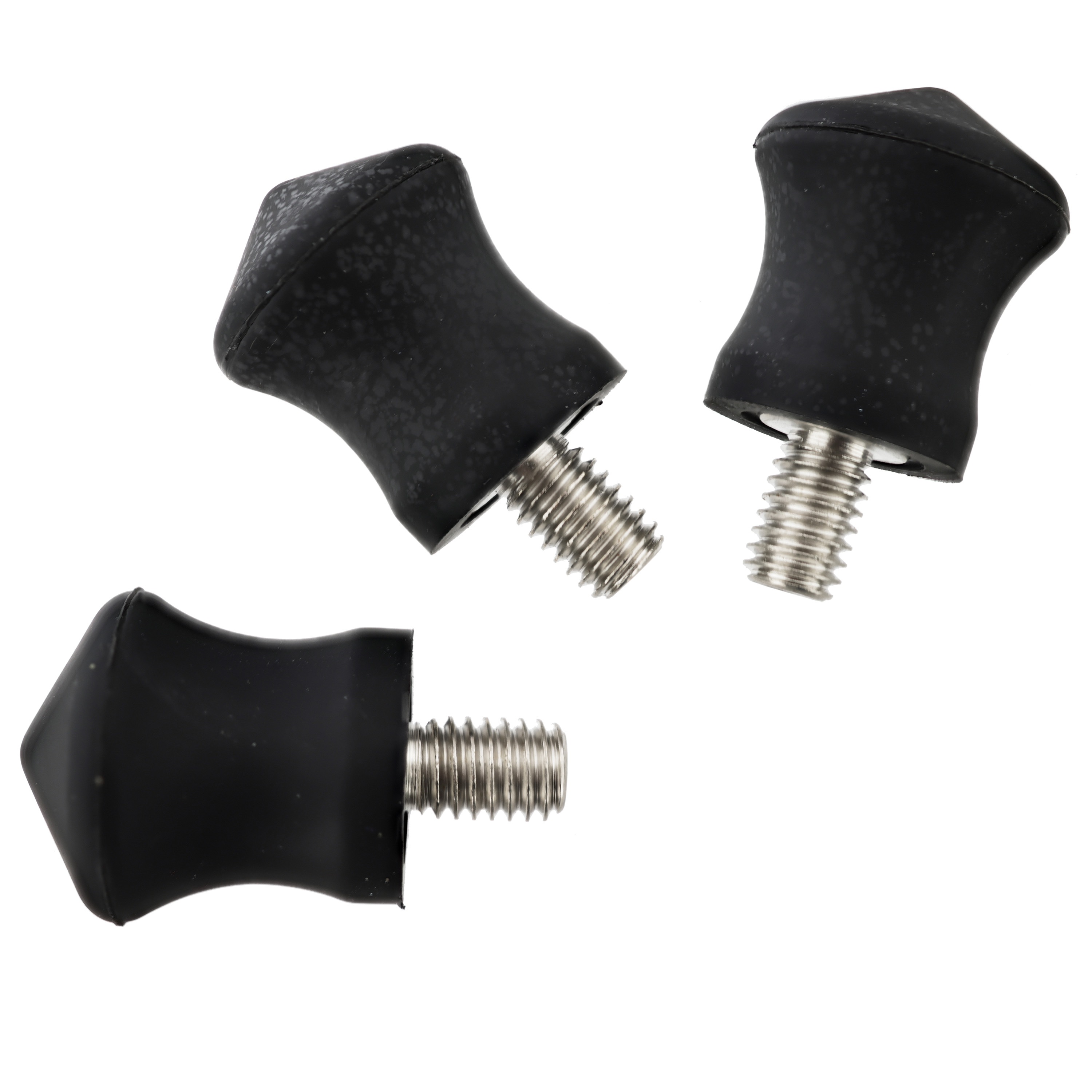
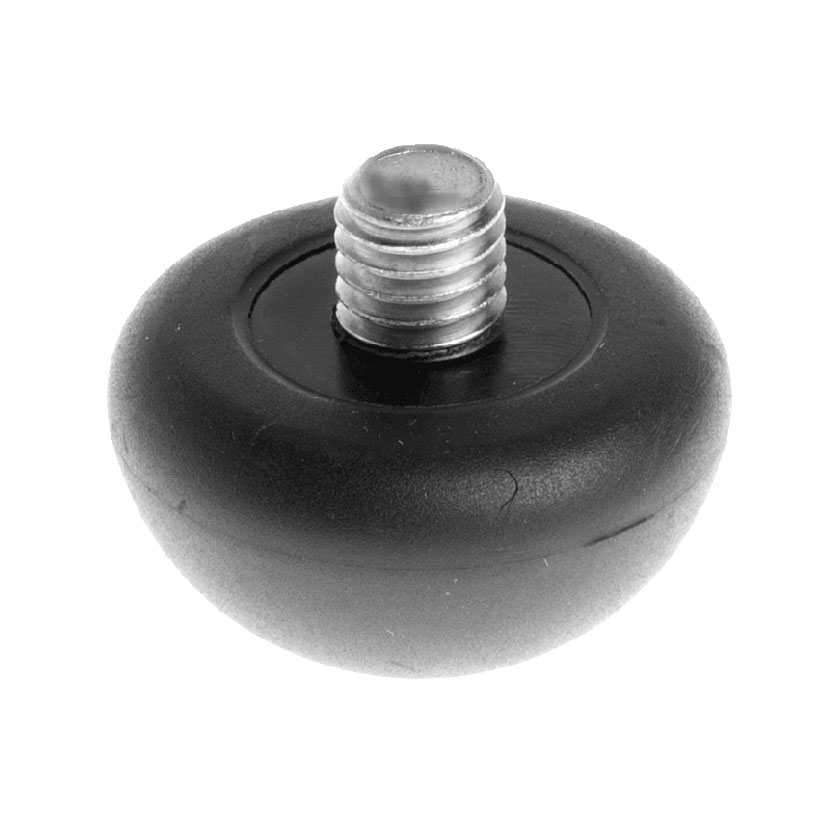
For indoor spaces, rubber feet are usually the first choice. They provide a calm, damped contact surface, protect delicate floors and prevent your tripod from sliding back and forth on tiles, laminate or studio backdrops. High-quality rubber feet really make a difference, especially in product photography, portraits in the living room or in the studio: the tripod stands still, vibrations are damped and you can use longer exposure times without having to hold your breath every time.
Especially on smooth surfaces where metal spikes would immediately leave marks, rubber feet are the pragmatic solution: unexciting, but extremely effective.
Spikes, solid grip on mud, grass and slippery ground
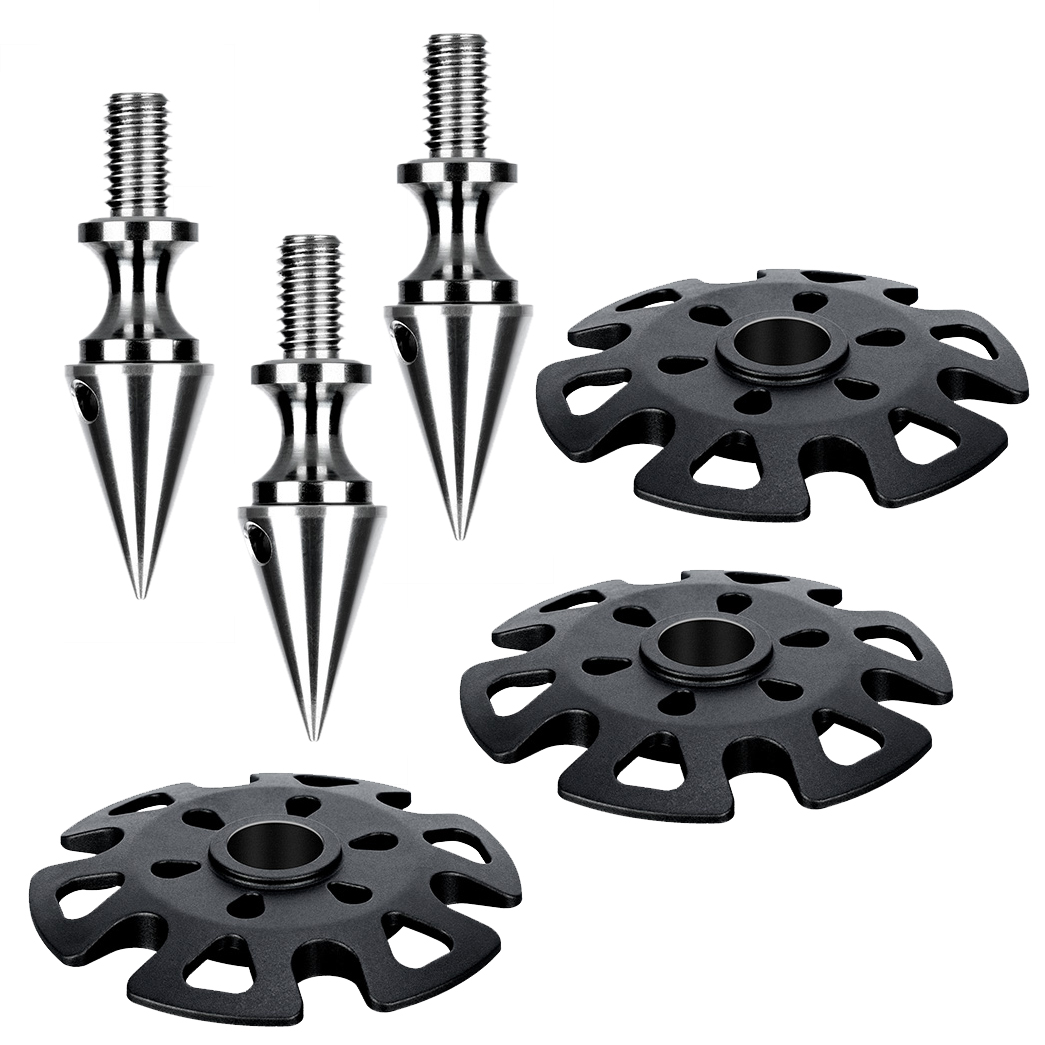
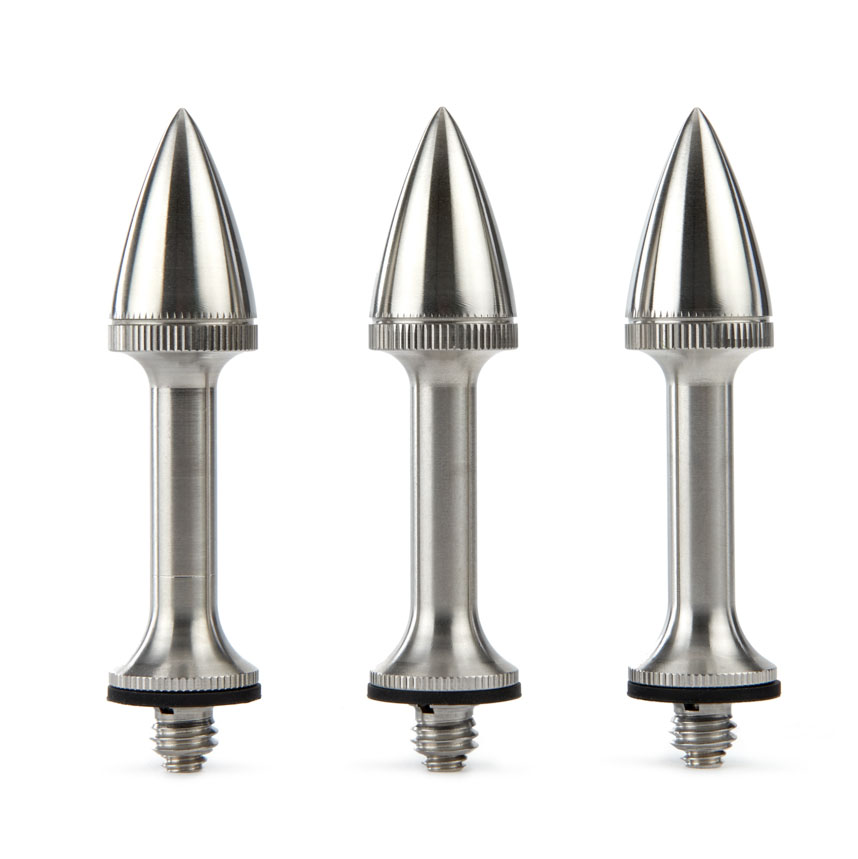
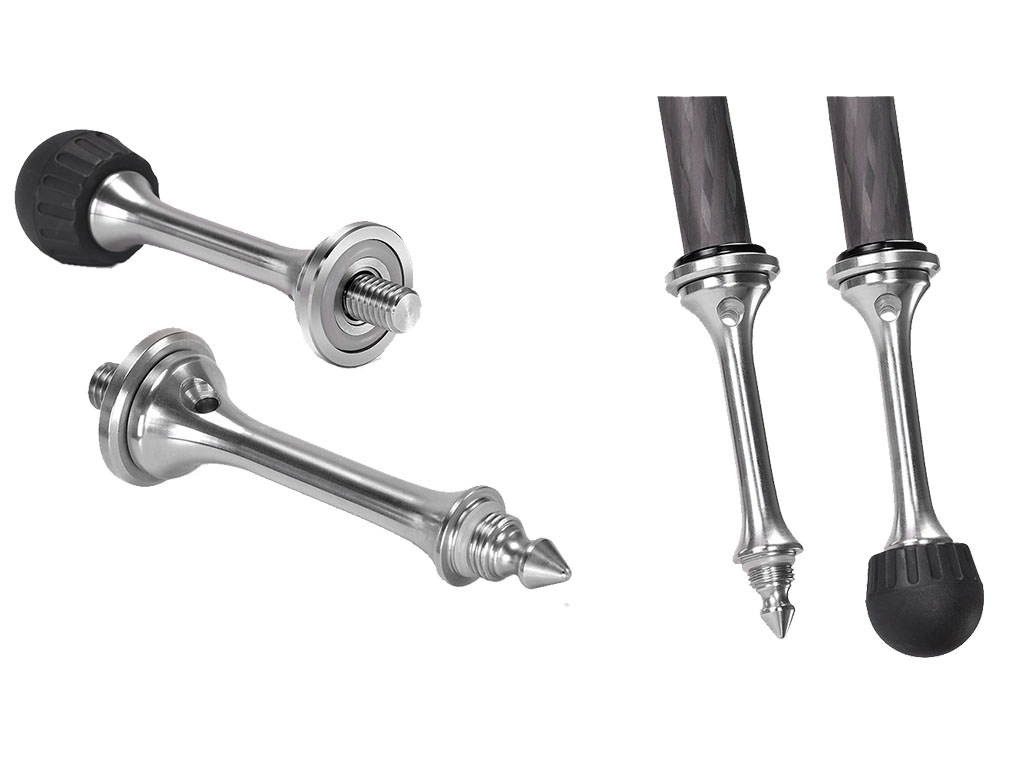
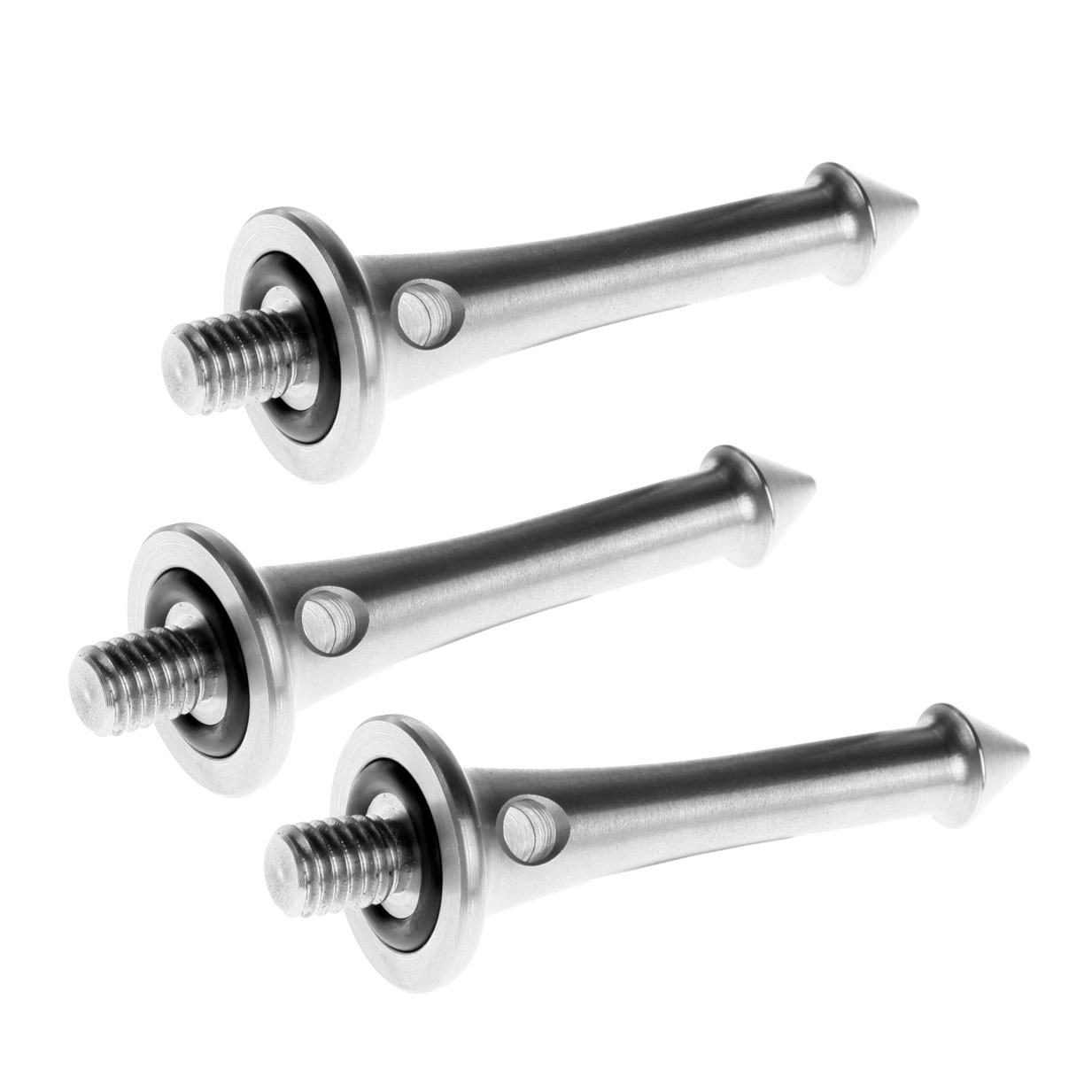
As soon as you head outdoors, especially into forests, fields or to the lake, spikes come into play. These pointed tripod feet dig into soft ground, damp surfaces or slippery grass and prevent your tripod legs from slowly sinking away. Spikes are almost a must for long exposures by the water, night shots or landscape photography in morning dew if you don’t want to constantly correct the alignment.
Whether on muddy tracks, damp forest soil or slightly frozen ground: spikes give you the firm bite into the ground that regular rubber feet simply can’t provide.
Rock Claws, rock talons for rocky, difficult terrain
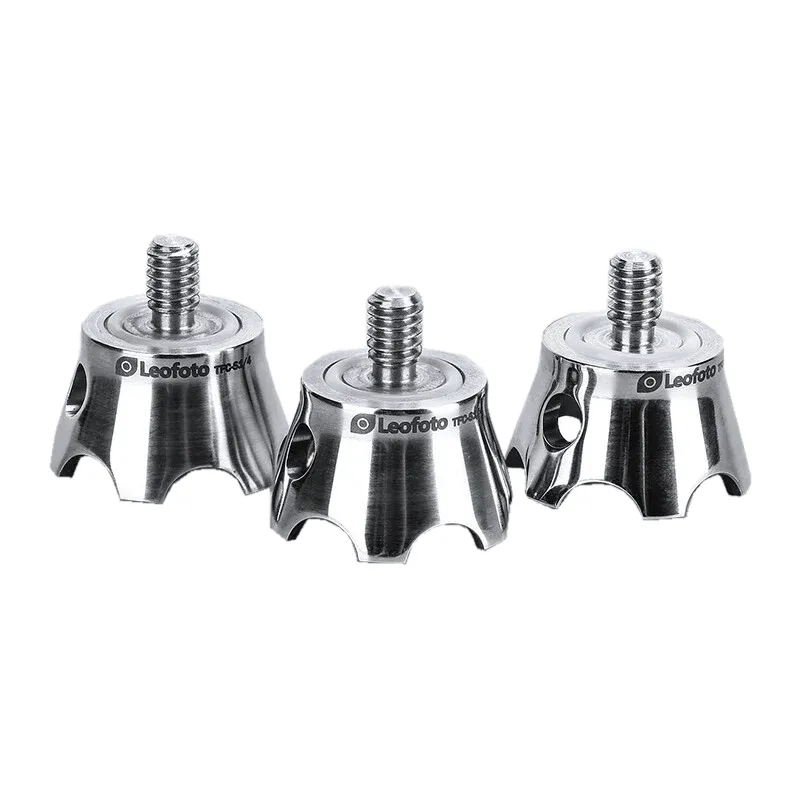
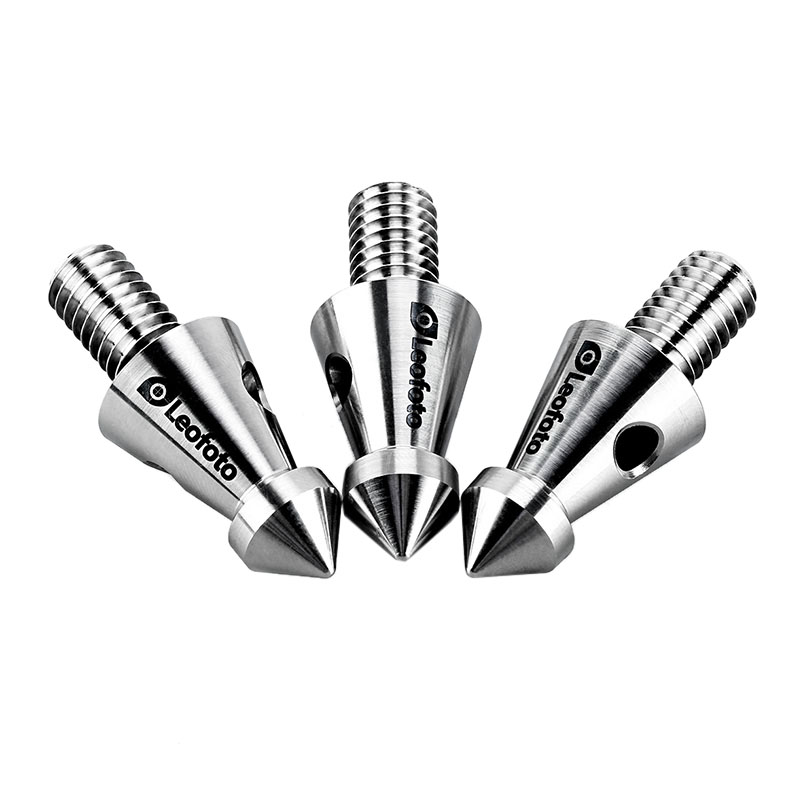
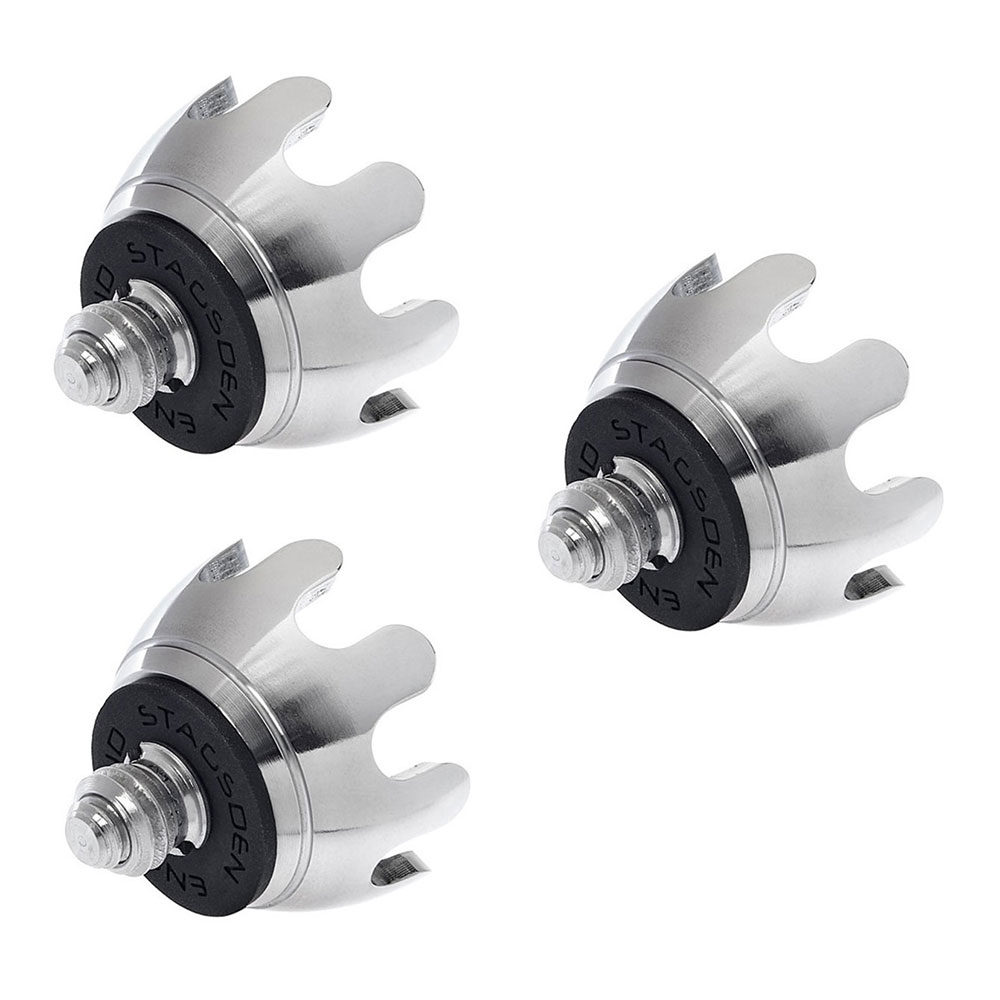
On scree, rock slabs or sloping stone surfaces, many tripods quickly reach their limits. This is where Rock Claws, i.e. rock-talon tripod feet, come into play. These special attachments provide multiple contact points and literally claw into uneven surfaces. This distributes the weight better, the tripod wobbles less and remains surprisingly stable even on jagged rocks.
For mountain tours, coastal shots on slippery rocks or urban photography on rough concrete, Rock Claws are a kind of safety net: you can focus more on composition and light instead of constantly checking whether your tripod is about to slip.
Snowshoes, wide contact surface for winter and soft ground
In winter or on very soft ground, narrow tripod feet sink in quickly. Snowshoes solve exactly this problem: thanks to the larger contact surface, the weight of your tripod is distributed across a wider base so that the legs don’t sink in as deeply. This is particularly helpful for winter landscapes, ski tours, snowshoe hikes or even on very soft sand.
With snowshoes, your tripod remains surprisingly stable even in powder snow, and you don’t have to realign every second shot because the tripod is slowly tilting. Practical when you want to shoot exposure series, panoramas or time-lapses in peace.
Leofoto SC-70, clever base for your monopod
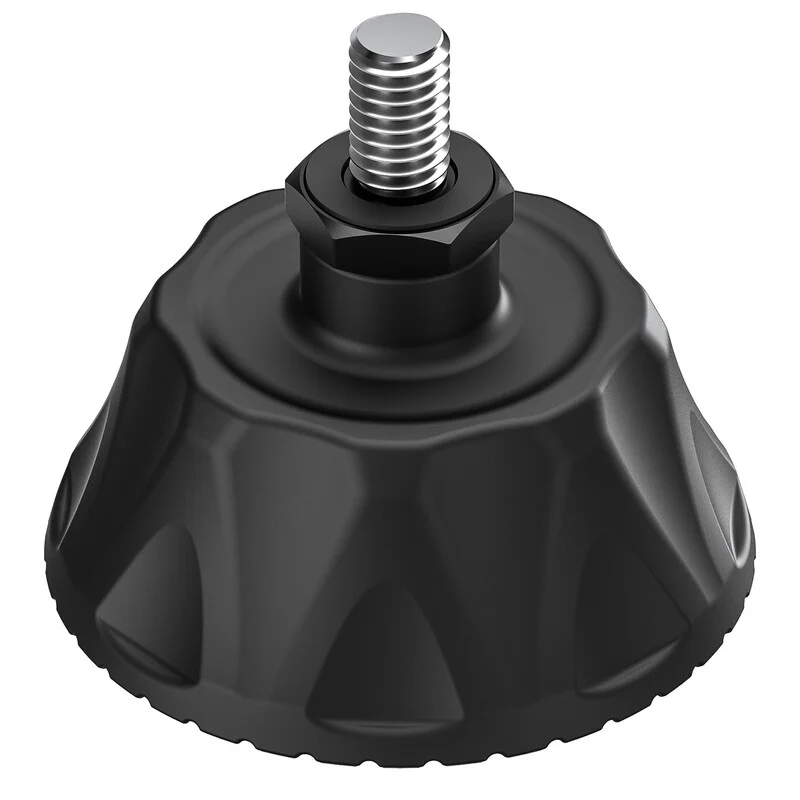
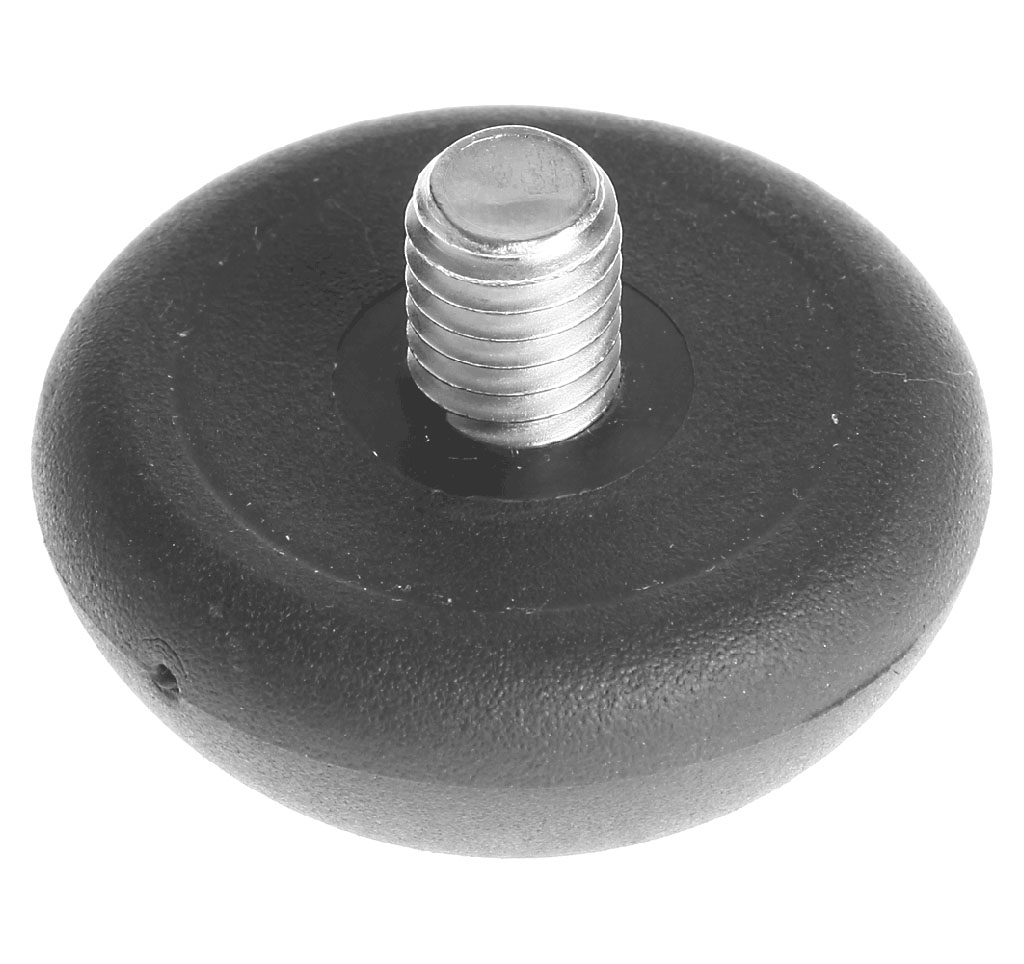
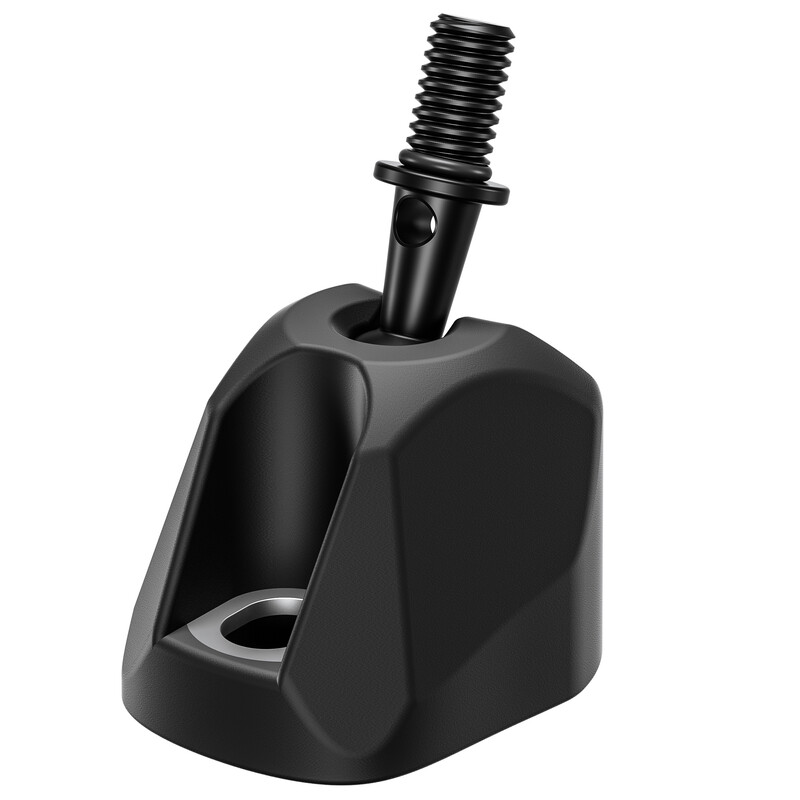
Monopods are super flexible, but sometimes they just lack that final touch of stability, especially with longer focal lengths or video recording. This is exactly where the Leofoto SC-70 comes in: a sturdy base that turns your monopod into a much steadier, almost tripod-like platform.
With its wide base and well-thought-out design, the SC-70 provides a surprisingly secure stand without forcing you to give up the mobility of a monopod. Ideal for sports photography, wildlife, events or video when you need to react quickly but still don’t want to shoot entirely handheld.
Choosing the right tripod feet for your use case
Depending on where you mainly shoot, it’s worth tailoring your tripod accordingly. For indoor shoots and studio work, rubber feet are usually more than sufficient; for outdoor trips in rough terrain, spikes or Rock Claws are recommended; and for winter use or very soft ground, snowshoes are a useful addition.
Many tripod feet can simply be screwed on or swapped out, allowing you to upgrade your existing tripod flexibly instead of buying a completely new system. This way you get more out of your current gear and adapt your setup to any environment, from living room floors to alpine scree fields.
Stability you can see in the image
In the end, all these tripod feet are about the same thing: a reliable, stable base for your tripod and thus for your perfect image. Whether you’re shooting long exposures at the sea, photographing products in the studio, hiking in the mountains or working with a monopod, with the right tripod feet you reduce camera shake, increase sharpness and can simply let your camera work more calmly.
So next time you plan your gear, it’s worth taking a closer look at the tripod feet. They are small, inconspicuous and often underestimated, but absolutely crucial for stable, professional results both outdoors and indoors.
BLOG posts
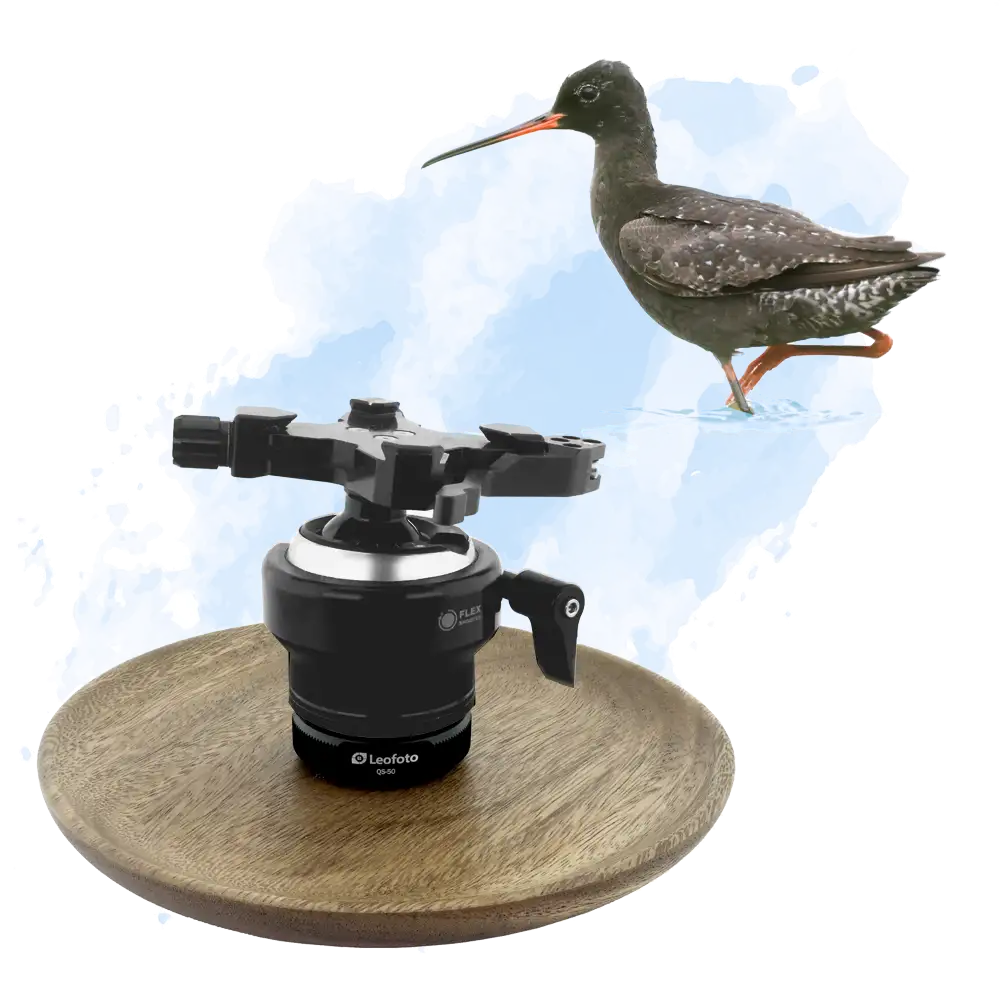
The bird migration has begun...
At the Baltic Sea, I have the opportunity to photograph waders both on the beach and at waters with shallow shorelines or flooded meadows.
On the beach, it is often enough to lie on your stomach and wait for the animals to come within photo distance.
It's quite differen...
not in stock, the item will be ordered for you
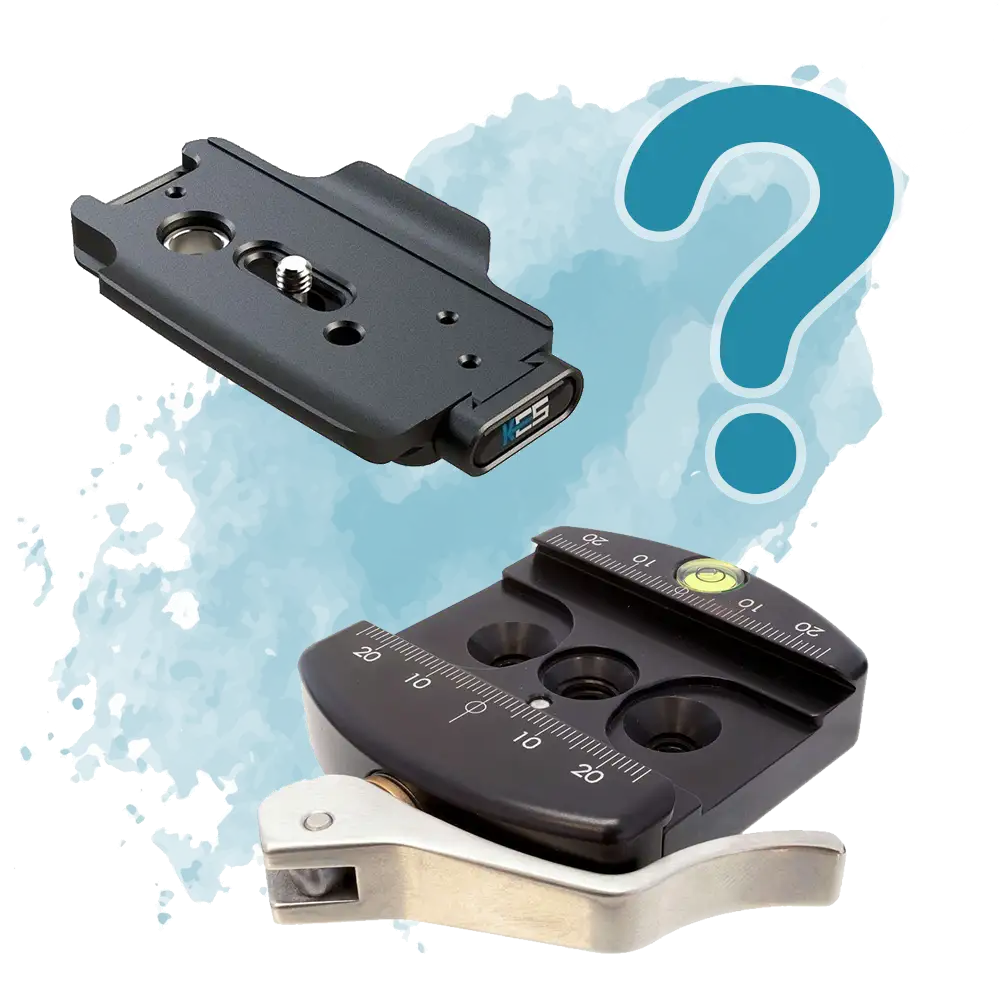
…unfortunately not very much.
In this post, we will gradually test and publish the compatibility of quick release components from various manufacturers.
Listed below, you will find which 38 mm dovetail systems are compatible with each other and which do not fit together.
For this, one must look f...
not in stock, the item will be ordered for you
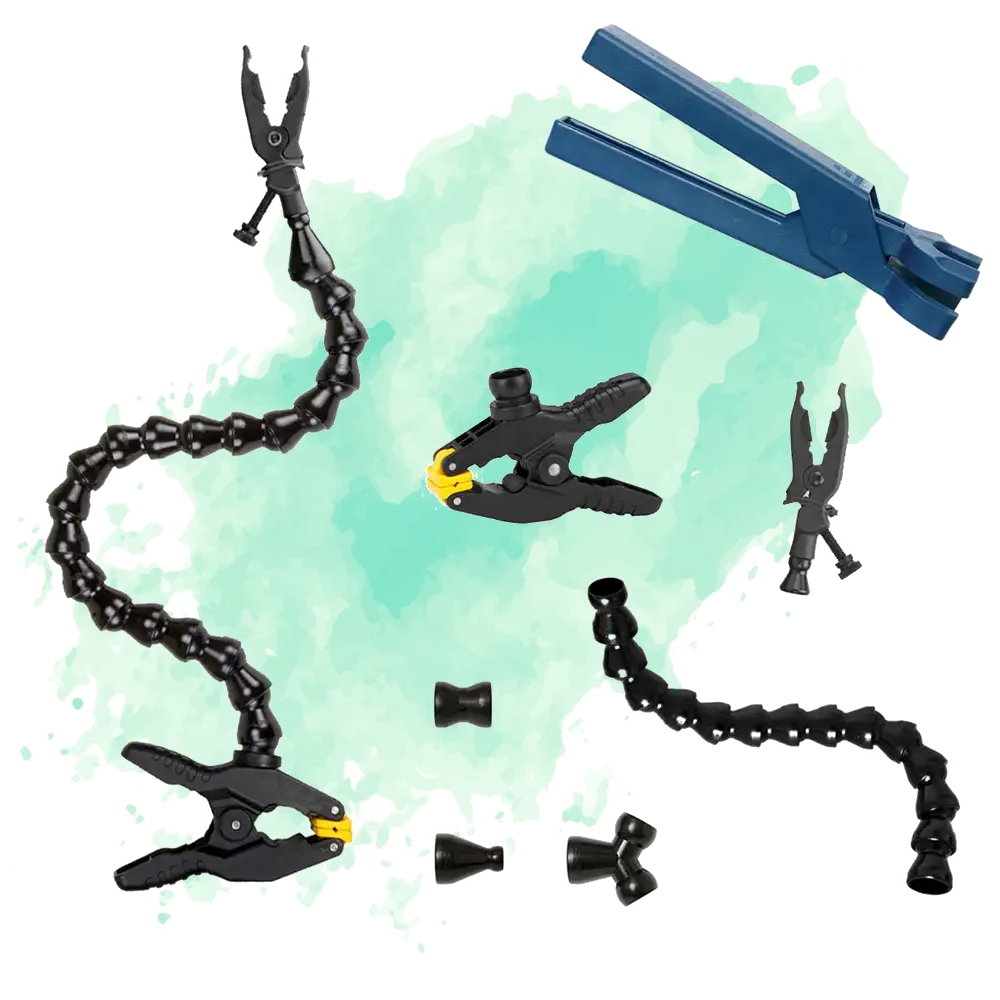
Macro accessories from Wimberley, the Plamp Family for precise macro photography Anyone who seriously engages in macro photography sooner or later stumbles over the same situation: the subject is beautiful, but the light isn’t right, a light breeze tugs at the blossom, and the diffuser is lying some...
not in stock, the item will be ordered for you
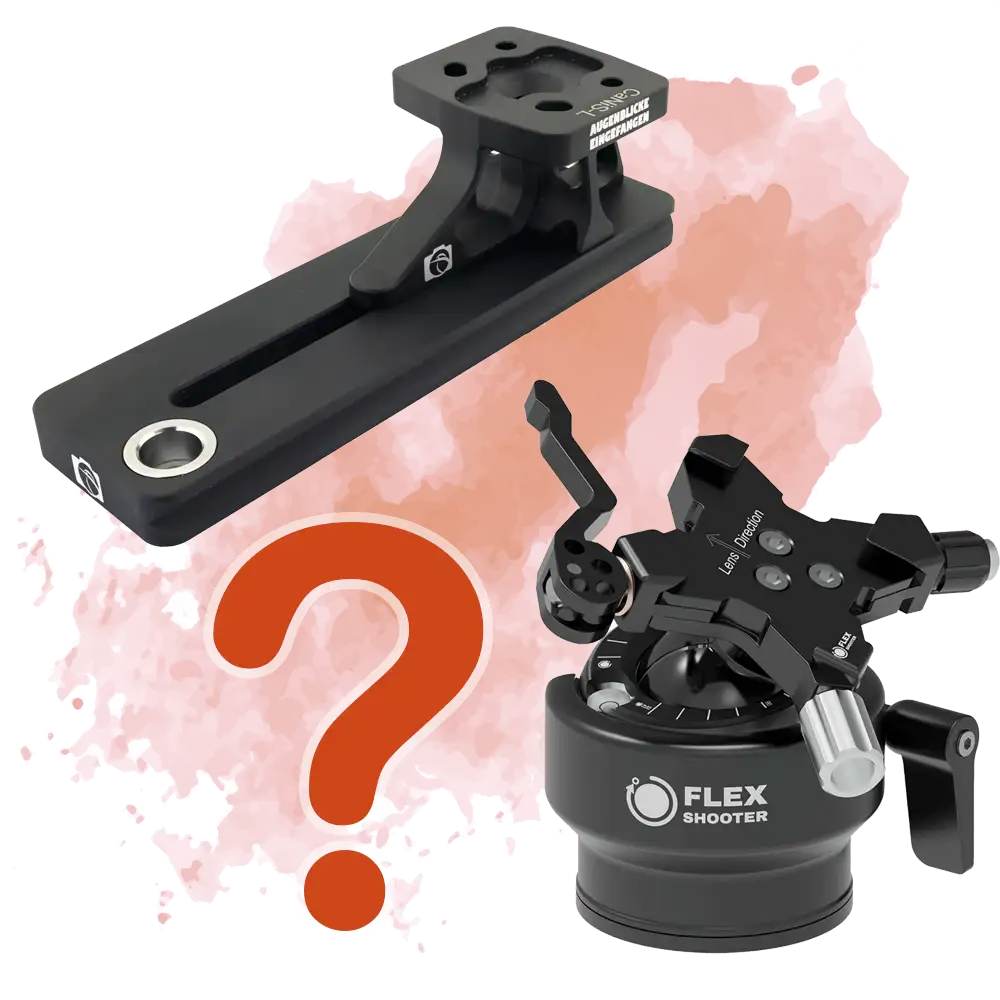
The Flexshooter tripod headsaccept almost all camera plates and L-brackets, lens plates and replacement feet with Arca-compatible profile with a width of 38 mm.
Flexshooters with lever clamp are a bit more tolerant; here you can readjust the clamp width so that your camera or lens sits really firmly ...
not in stock, the item will be ordered for you

Somehow the camera gear has to be carried.
But how do you attach the camera strap to your camera or your lens?
Traditionally, a carrying strap is attached to two lugs on the camera; with heavy lenses, a carrying strap is attached via lugs on the tripod collar.
This is often annoying,...
not in stock, the item will be ordered for you

Modular mounting system for camera backpacks
The MOLLE system on camera backpacks – modularity for photographers
The MOLLE system (Modular Lightweight Load-carrying Equipment) has also become established in the field of
photography in recent years.
Originally developed for the military, this modu...
not in stock, the item will be ordered for you

FAQ about the Flexshooter tripod head
When you start looking into the Flexshooter tripod head, the question usually isn’t whether to get one, but rather the famous “Yes, but which one exactly?
”.
In this FAQ about the Flexshooter tripod head we’ve collected the typical questions we get more frequen...
not in stock, the item will be ordered for you
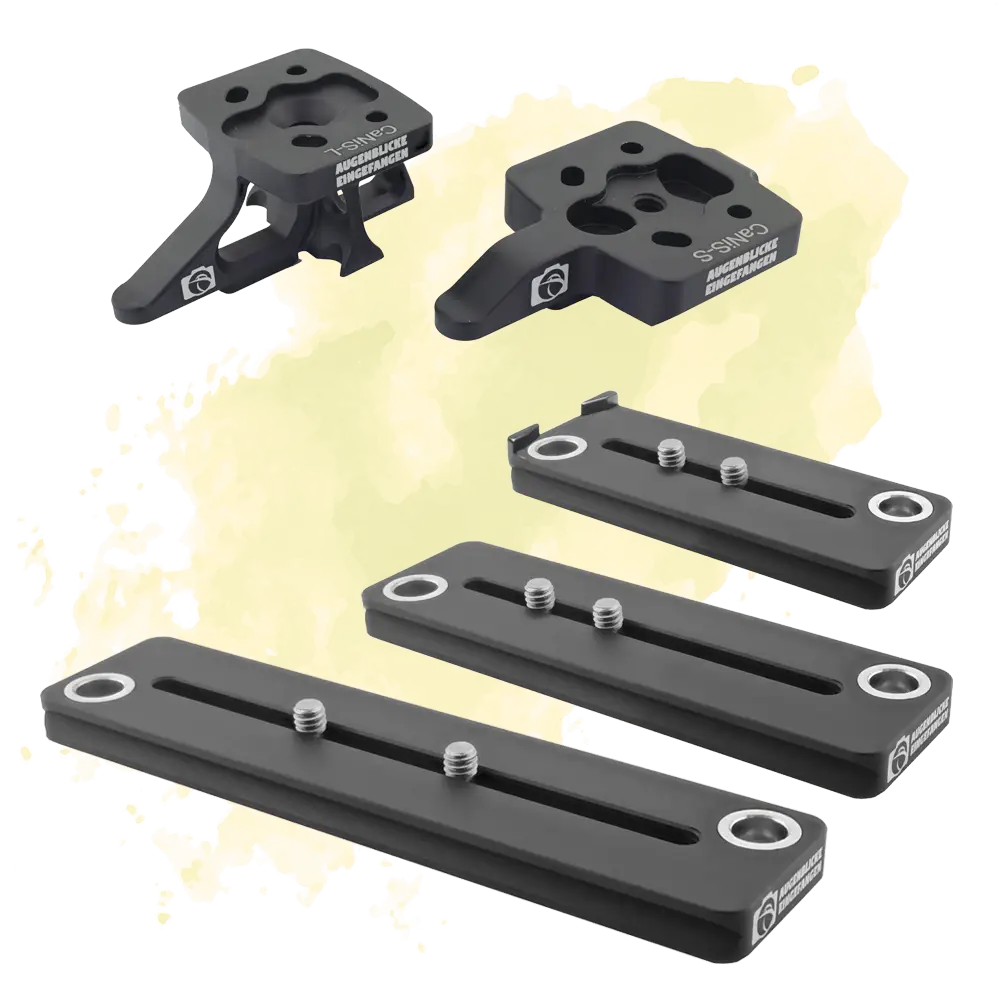
Discover the innovationModular replacement feet for telephoto lenses from Augenblicke-eingefangen
For ambitious photographers who are always looking for the perfect balance between stability and flexibility, the modular replacement feet from Augenblicke-eingefangen offer a modern solution.
These in...
not in stock, the item will be ordered for you
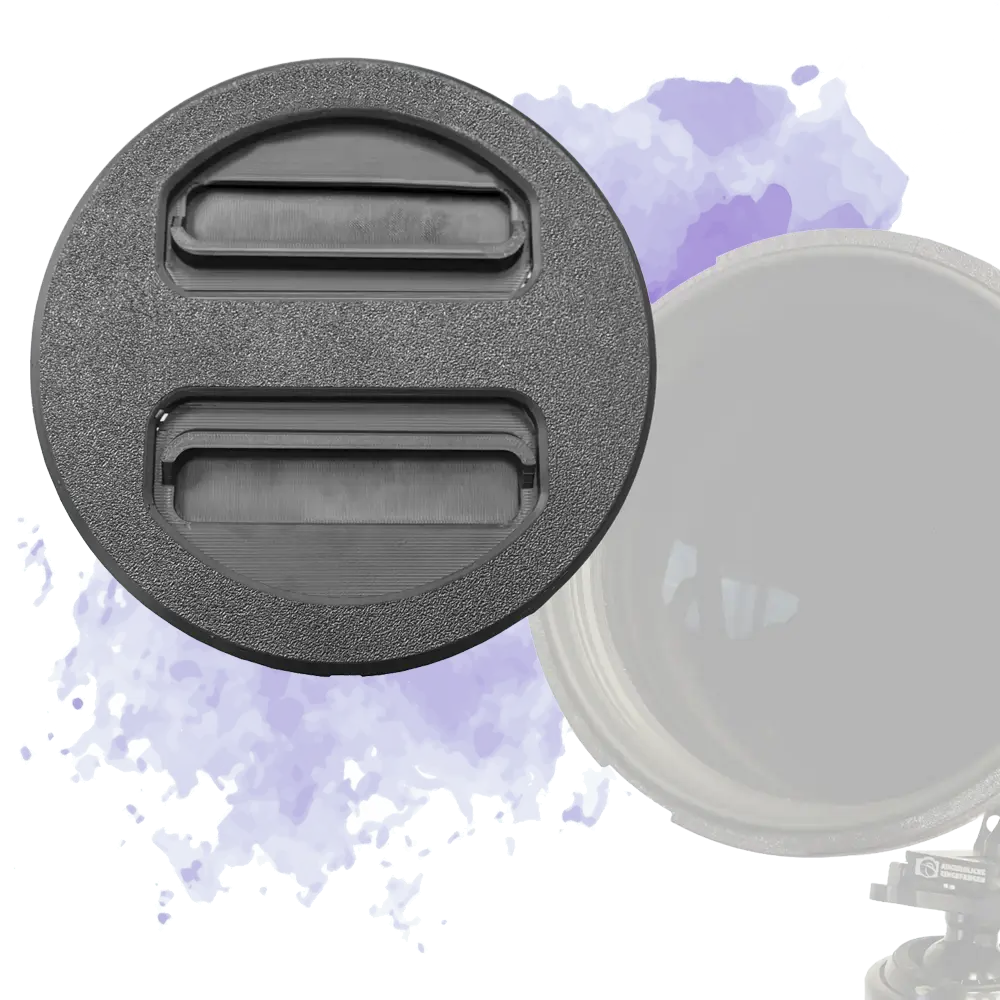
Snap-on lens caps for large telephoto lenses: BigLensCaps as a precisely fitting front element protection Anyone who photographs with large telephoto lenses, for example in wildlife, sports or nature photography, knows the problem: The front element of a super-telephoto lens is large, delicate an...
not in stock, the item will be ordered for you

Weatherproof protection for camera and lens, suitable solutions for outdoor and wildlife photography
Anyone who regularly shoots outdoors knows: the weather rarely sticks to your plans.
Especially in
wildlife, nature and sports photography, many of the most exciting images are created in rain, f...
not in stock, the item will be ordered for you

Telephoto Lens Covers in Everyday Wildlife Use: LensCoat vs.
Rolanpro (Tragopan) Compared
In professional wildlife photography, the telephoto lens is the central tool, but at the same time the most sensitive and expensive element of the equipment.
Super-telephoto lenses with focal lengths of 4...
not in stock, the item will be ordered for you

Wintry extreme cold as a photographic opportunity
Due to the frost that has persisted for a longer period this year, at times with double-digit sub-zero temperatures, this winter is very interesting for us nature photographers.
Icy scenes: rare subjects with a downside
There are subjects that are o...
not in stock, the item will be ordered for you

How to find the right tripod leg protector
It is relatively easy to find the right tripod leg protector for your tripod.
The LensCoat Wraps are available in two different versions (apart from the many sizes and camouflage patterns).
Measuring diameter and length
The sizes
You measure the diamete...
not in stock, the item will be ordered for you

Protective solution for the safe transport of large telephoto lenses
LensCoat TravelCoat, secure transport protection for large telephoto lenses
Large telephoto lenses are among the most valuable components of many photography kits.
Especially in
wildlife, nature and sports photography, long foca...
not in stock, the item will be ordered for you

Reliable protective cap for the sensitive front lens
The front lens of a lens is one of the most sensitive and at the same time most important components of your camera equipment.
Even small scratches, dust particles or impacts can impair image quality in the long term or make expensive repairs nece...
not in stock, the item will be ordered for you

Precise focus bracketing for later stacks
Exact macro focus brackets for later calculation of a stack are easy to create...
.
.
Important basics for clean results
...
.
if you follow some fundamental requirements.
Equipment used in macro photography
For macro photography I work with the Canon EOS R5, ...
not in stock, the item will be ordered for you

Important note about the previous Monostat foot and its replacement
Everything that characterized the Monostat foot can also be done by this new tripod foot, and some things even better, since it was designed from the outset for easier mounting with a 3/8" standard thread.
What made the Monostat foo...
not in stock, the item will be ordered for you