
Cleaning and inspecting QD sling swivels - how to keep Magpul, Kirk & Co. reliably in action

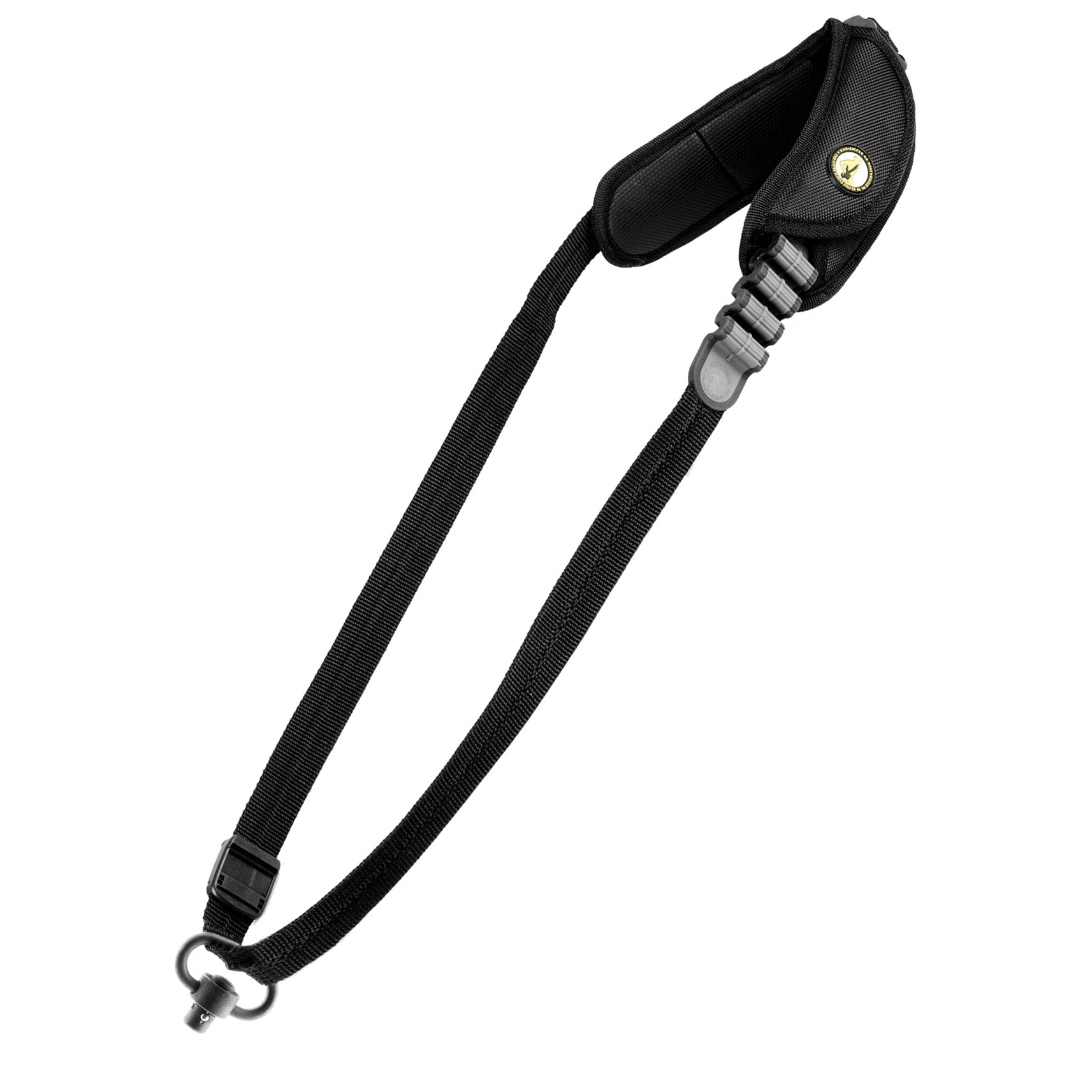
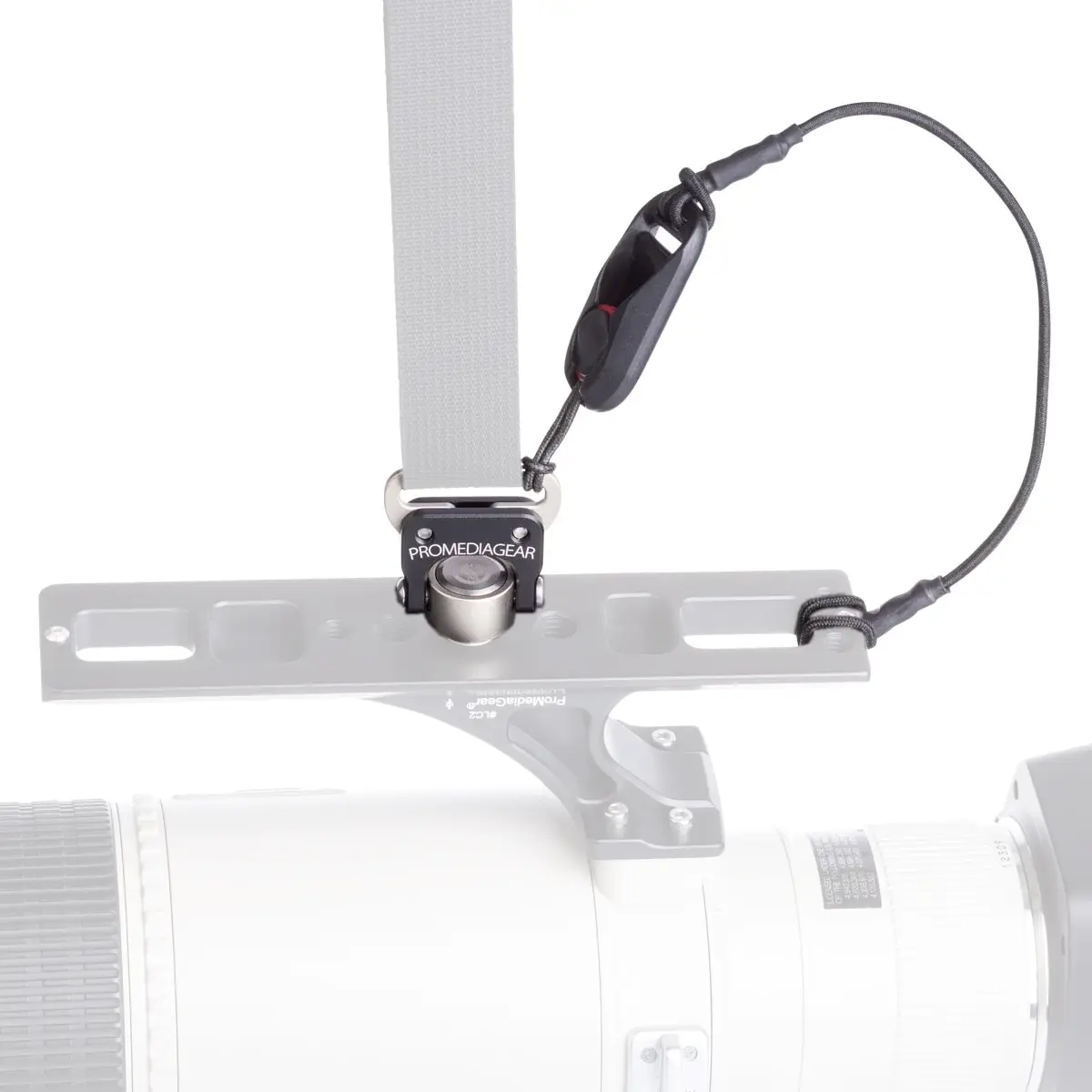
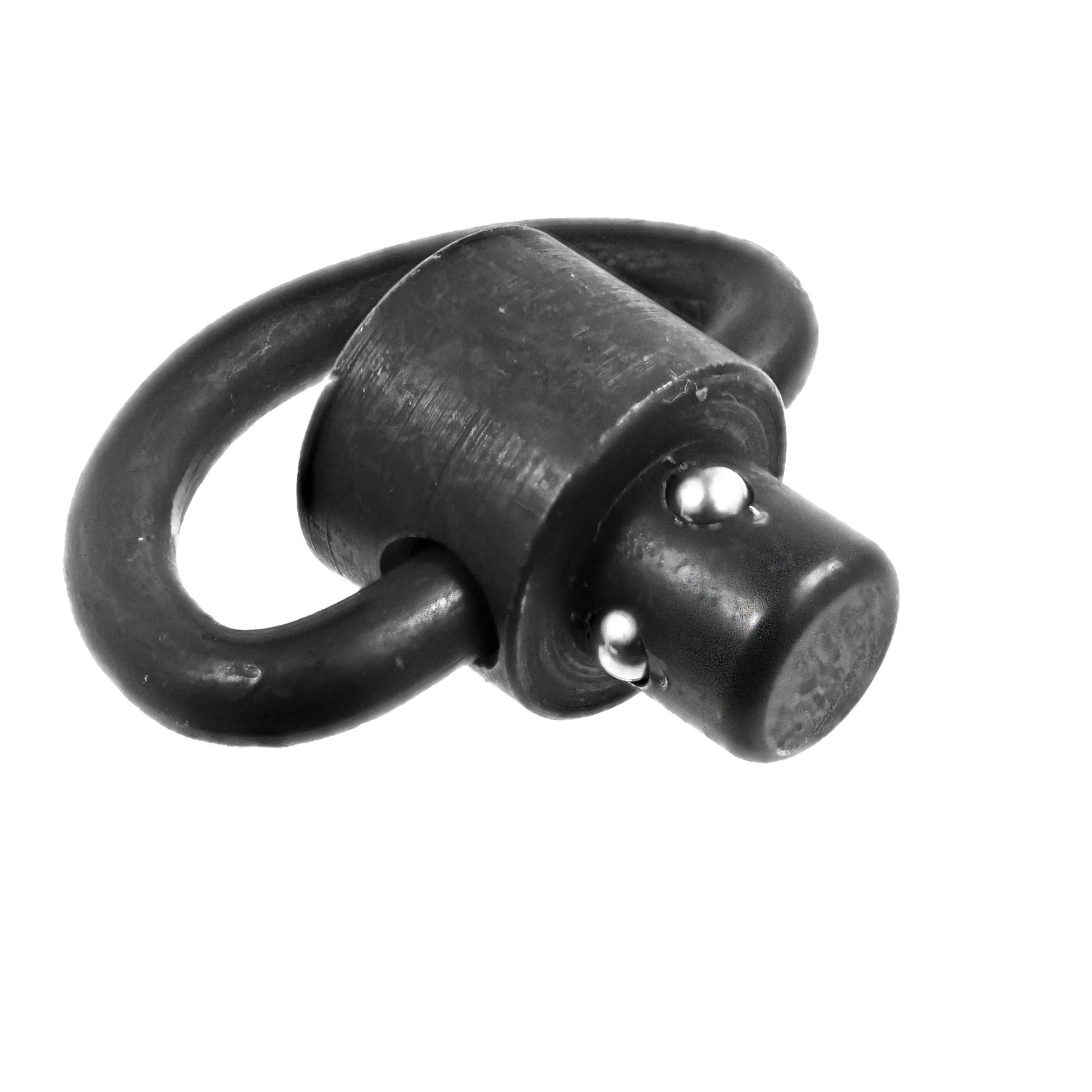
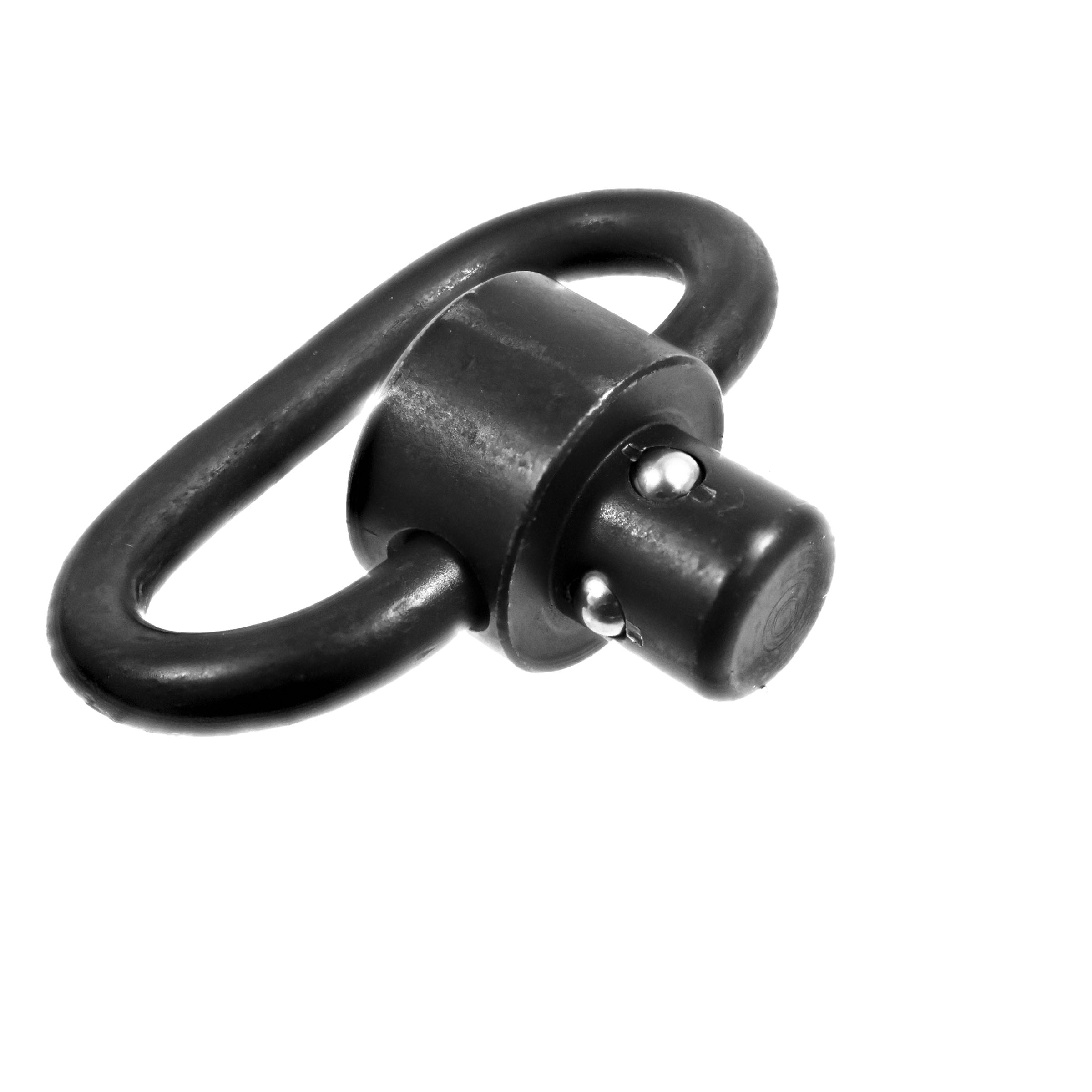
QD strap anchors are a practical solution for many photographers when camera, strap, and tripod need to be combined quickly and securely. Models such as the Magpul QD Strap Swivel Adapter, the Magpul QD Strap Swivel D-Loop, or the Kirk KQD-V2 Push Button Swivel-D strap adapter make switching particularly easy and flexible.
To ensure these QD systems work reliably in everyday use, they should be checked regularly and cleaned when necessary. Dust, sand, moisture, and fine abrasion can accumulate in the mechanism and impair its function. With compressed air, sparingly applied WD-40, and a quick function check, smooth operation can often be restored quickly.
Why QD strap anchors should be cleaned regularly
A QD strap anchor only works properly if pins, push button, and lock remain freely movable. Especially in outdoor photography, when traveling, in wildlife use, or in humid environments, fine particles can quickly get into the mechanism.
If the strap anchor is not cleaned occasionally, latching can become stiff or no longer feel smooth. A brief bit of maintenance helps preserve function and avoid unnecessary wear.
For which QD strap anchors and straps does this apply?
Cleaning and inspection are particularly useful for:
- Magpul QD Strap Swivel Adapter
- Magpul QD Strap Swivel D-Loop
- Kirk KQD-V2 Push Button Swivel-D strap adapter
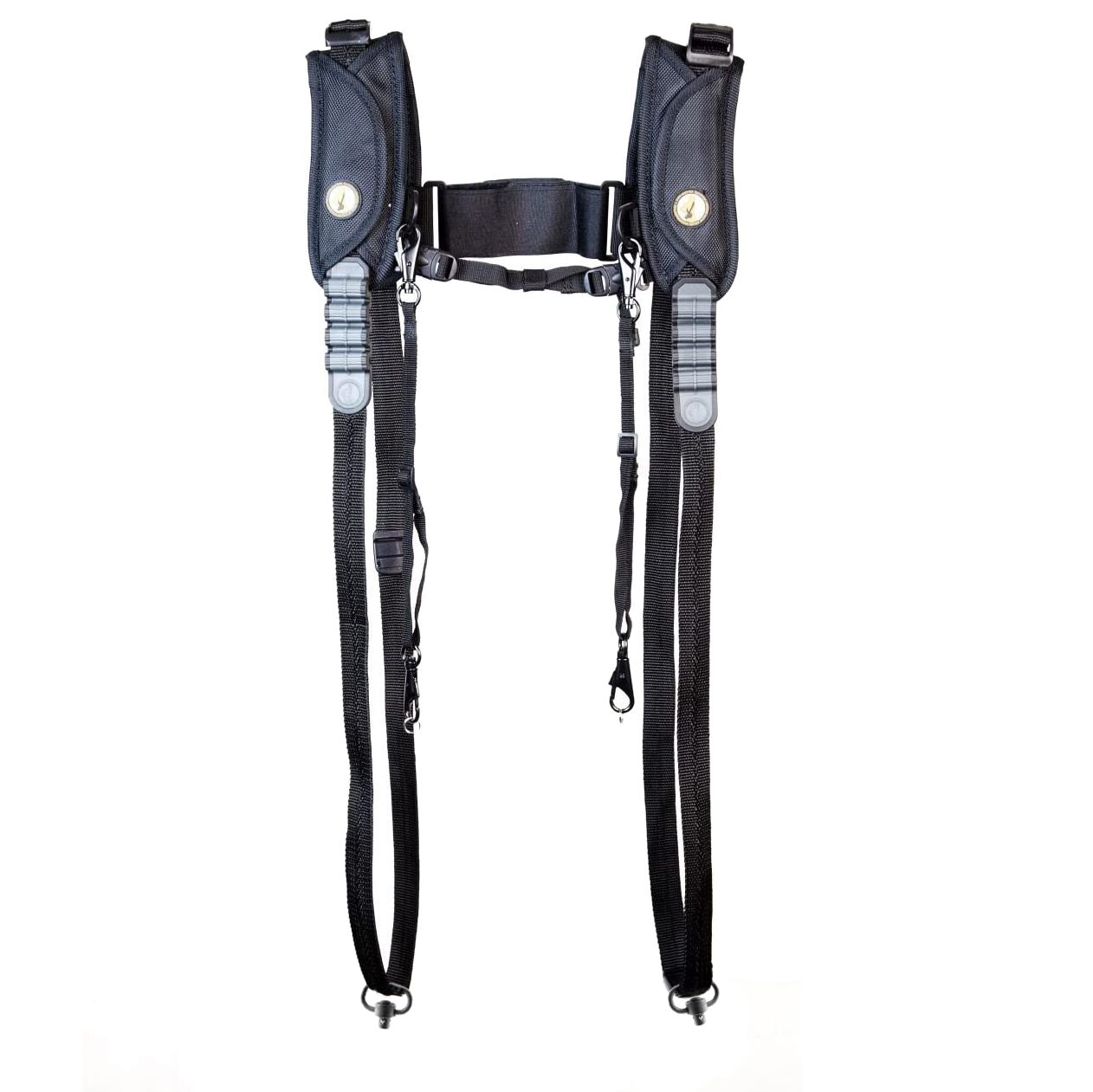
- Straps with matching QD anchors
- Straps with clip or carabiner solutions on QD adapters
Wherever a QD anchor is locked into a QD socket via push button, the mechanism should be checked regularly.
Cleaning QD strap anchors: What you need
For maintenance, only a few tools are usually needed:
- Compressed air
- WD-40
- A lint-free cloth
- Optionally a cotton swab or a very soft brush
Cleaning QD strap anchors correctly: Step by step
1. Dry-clean the QD strap anchor
Before using any care product, loose dirt should be removed. With short bursts of compressed air, dust, sand, and fine particles can be blown out from around the button and pins.
Care should be taken to work precisely and carefully so that dirt does not get pushed deeper into the mechanism.
2. Check the strap anchor mechanism
Then press the push button several times and observe whether the pins extend and retract smoothly. This often already shows whether the mechanism runs freely or if residues are present.
3. Use WD-40 sparingly
When cleaning QD strap anchors with WD-40, less is more. It is best to apply a small amount to a cloth or cotton swab. The moving areas can then be carefully wiped.
The strap anchor should not be heavily sprayed. The goal is to clean the mechanism, not to flood it with liquid.
4. Free up moving parts
Press the push button several times so that loosened residues can work their way out of the mechanism. If necessary, you can then follow up again with compressed air.
5. Remove excess WD-40
Finally, any excess WD-40 should be thoroughly removed. If a greasy film remains, new dust will often accumulate more quickly.
How can you tell that a QD strap anchor is properly latched?
A QD strap anchor is not correctly engaged just because it audibly clicks into place. After inserting it, you should always immediately check whether it is really seated securely.
Perform a pull test after latching
A correctly inserted QD strap anchor must withstand a strong pull after latching. Therefore, you should always perform a firm pull test. If the strap anchor withstands the strong pull, this is an important indication of a secure fit.
Check free rotation in the QD socket
In addition, the QD strap anchor should rotate very easily in the QD socket. It must be freely rotatable without any effort. This free rotation is precisely what shows that the anchor is properly latched.
If the strap anchor cannot be moved easily, feels jammed, or is stiff, it should be released and correctly reinserted.
Regularly check straps with QD anchors as well
It is not only the metal anchor itself that should be checked. The actual strap also deserves attention:
- Inspect the webbing for dust, sand, and abrasion
- Check seams and loops
- Examine contact points between metal and strap
- Clean textile parts only carefully and according to the manufacturer’s instructions
It remains important: WD-40 belongs only on the metal mechanism, not on the webbing.
When a QD strap anchor should be replaced
Cleaning is effective for dirt and slight stiffness. However, if even after intensive maintenance
- the pins no longer extend cleanly,
- the push button sticks,
- rust remains visible,
- the strap anchor develops play, or
- the lock no longer latches securely,
the QD strap anchor should not simply continue to be used. In such cases, a thorough inspection or replacement is the better choice.
Conclusion: Maintain QD strap anchors and always check the fit
Anyone who uses QD strap anchors on a camera, lens plate, or strap benefits from a quick, flexible, and secure connection. To ensure this remains reliable in everyday use, the anchors should be cleaned and checked regularly.
Often, compressed air, sparingly used WD-40, and a quick function check are all that is needed. Equally crucial is the inspection after inserting: a properly latched QD strap anchor withstands a strong pull test and can rotate freely and easily in the QD socket, without any effort.


more BLOG posts
The bird migration has begun...
At the Baltic Sea, I have the opportunity to photograph waders both on the beach and at waters with shallow shorelines or flooded meadows.
On the beach, it is often enough to lie on your stomach and wait for the animals to come within photo distance.
It's quite differen...
not in stock, the item will be ordered for you
…unfortunately not very much.
In this post, we will gradually test and publish the compatibility of quick release components from various manufacturers.
Listed below, you will find which 38 mm dovetail systems are compatible with each other and which do not fit together.
For this, one must look f...
not in stock, the item will be ordered for you
Macro accessories from Wimberley, the Plamp Family for precise macro photography Anyone who seriously engages in macro photography sooner or later stumbles over the same situation: the subject is beautiful, but the light isn’t right, a light breeze tugs at the blossom, and the diffuser is lying some...
not in stock, the item will be ordered for you
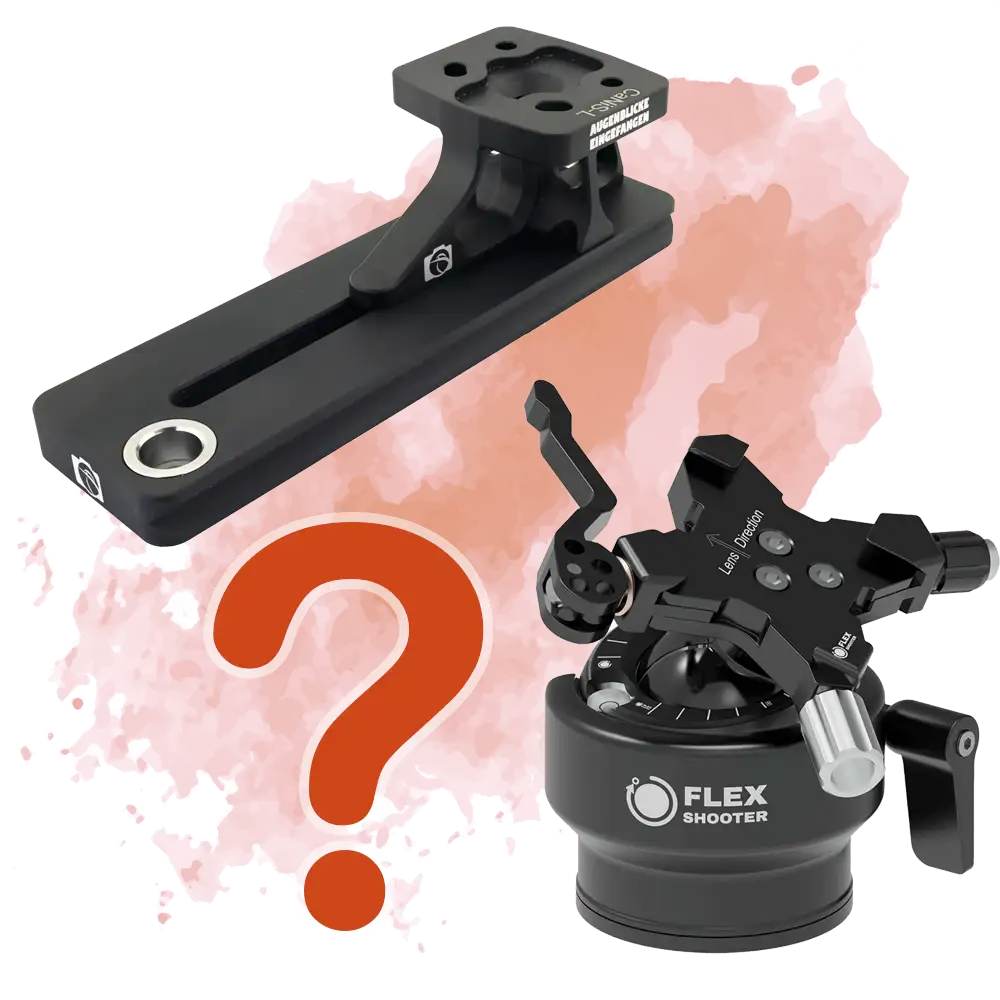
The Flexshooter tripod headsaccept almost all camera plates and L-brackets, lens plates and replacement feet with Arca-compatible profile with a width of 38 mm.
Flexshooters with lever clamp are a bit more tolerant; here you can readjust the clamp width so that your camera or lens sits really firmly ...
not in stock, the item will be ordered for you

Somehow the camera gear has to be carried.
But how do you attach the camera strap to your camera or your lens?
Traditionally, a carrying strap is attached to two lugs on the camera; with heavy lenses, a carrying strap is attached via lugs on the tripod collar.
This is often annoying,...
not in stock, the item will be ordered for you

Modular mounting system for camera backpacks
The MOLLE system on camera backpacks – modularity for photographers
The MOLLE system (Modular Lightweight Load-carrying Equipment) has also become established in the field of
photography in recent years.
Originally developed for the military, this modu...
not in stock, the item will be ordered for you

FAQ about the Flexshooter tripod head
When you start looking into the Flexshooter tripod head, the question usually isn’t whether to get one, but rather the famous: Yes, but which one exactly?
In this FAQ about the Flexshooter tripod head we’ve collected the typical questions we get more frequently...
not in stock, the item will be ordered for you
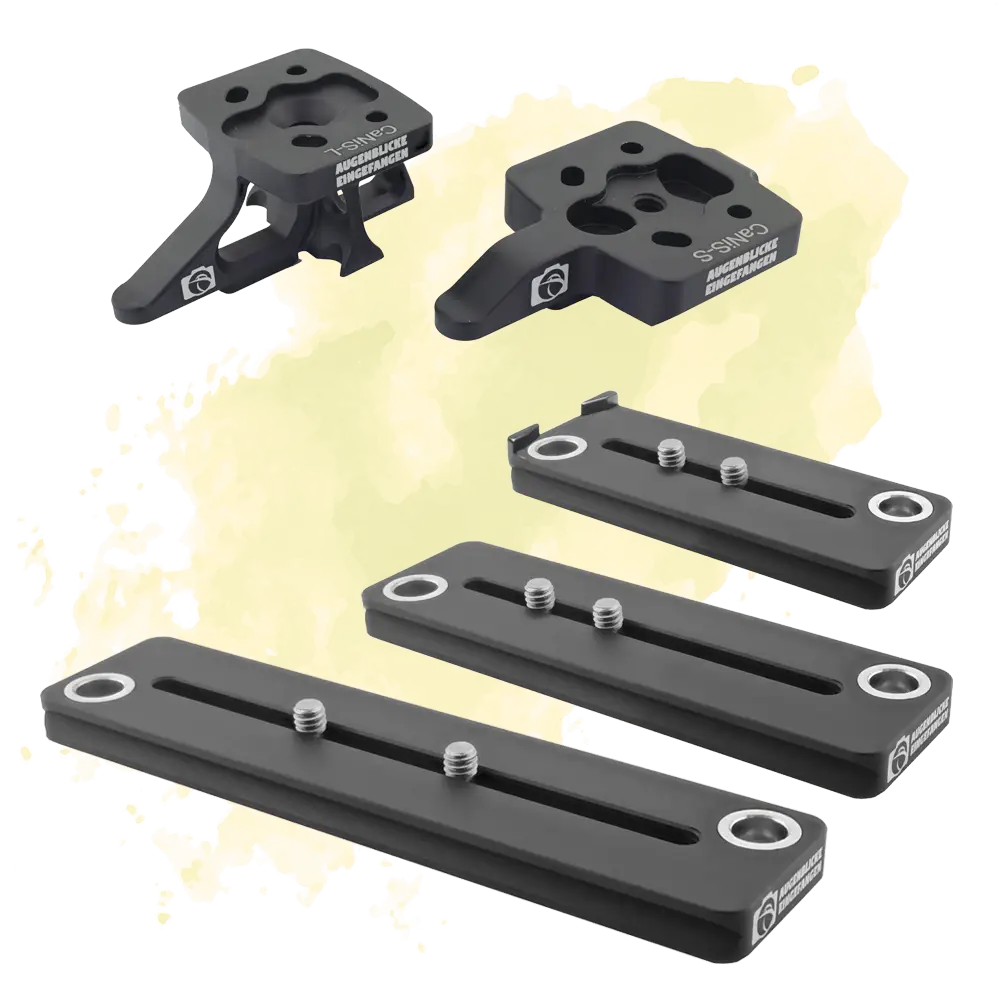
Discover the innovationModular replacement feet for telephoto lenses from Augenblicke-eingefangen
For ambitious photographers who are always looking for the perfect balance between stability and flexibility, the modular replacement feet from Augenblicke-eingefangen offer a modern solution.
These in...
not in stock, the item will be ordered for you
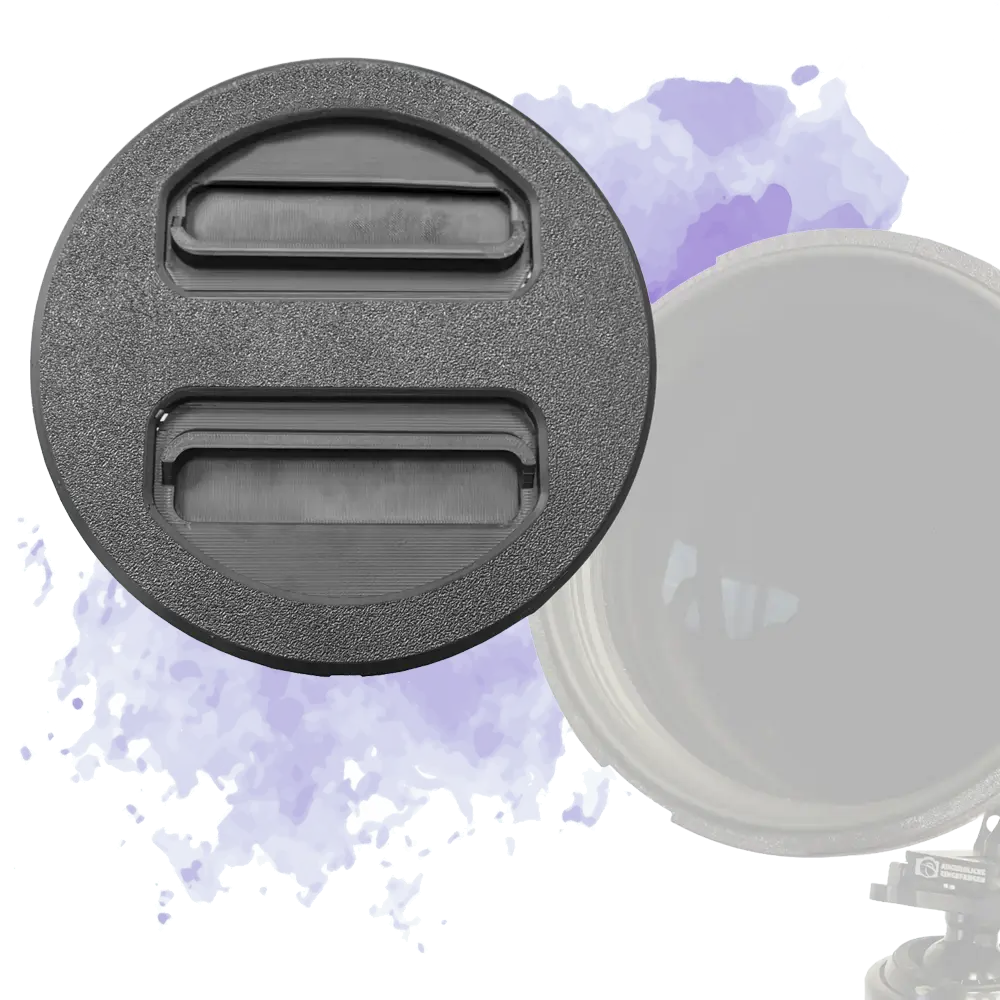
Snap-on lens caps for large telephoto lenses: BigLensCaps as a precisely fitting front element protection Anyone who photographs with large telephoto lenses, for example in wildlife, sports or nature photography, knows the problem: The front element of a super-telephoto lens is large, delicate an...
not in stock, the item will be ordered for you

Weatherproof protection for camera and lens, suitable solutions for outdoor and wildlife photography
Anyone who regularly shoots outdoors knows: the weather rarely sticks to your plans.
Especially in
wildlife, nature and sports photography, many of the most exciting images are created in rain, f...
not in stock, the item will be ordered for you