
Monopods
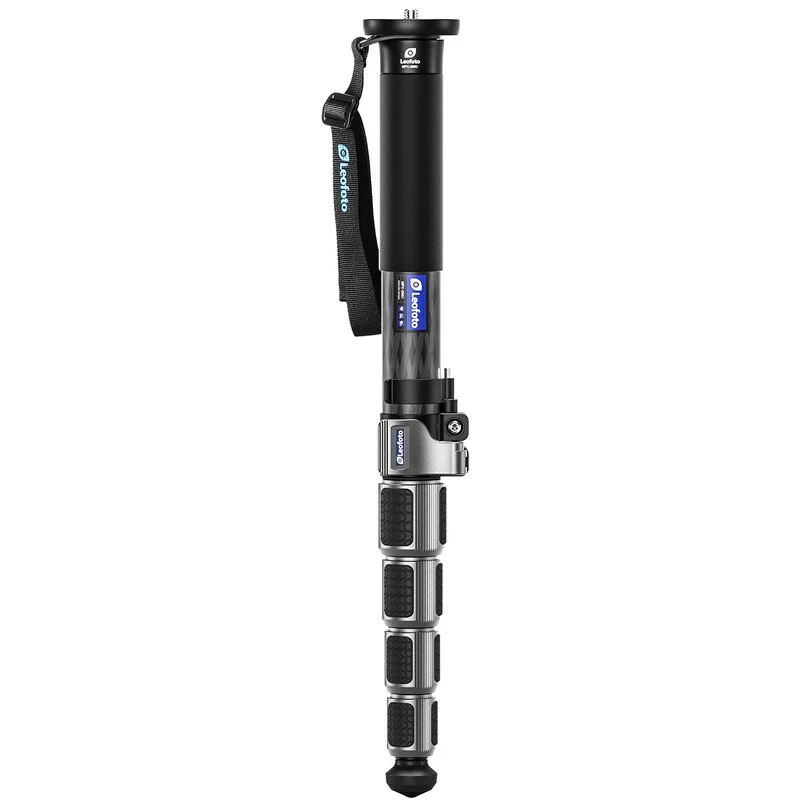
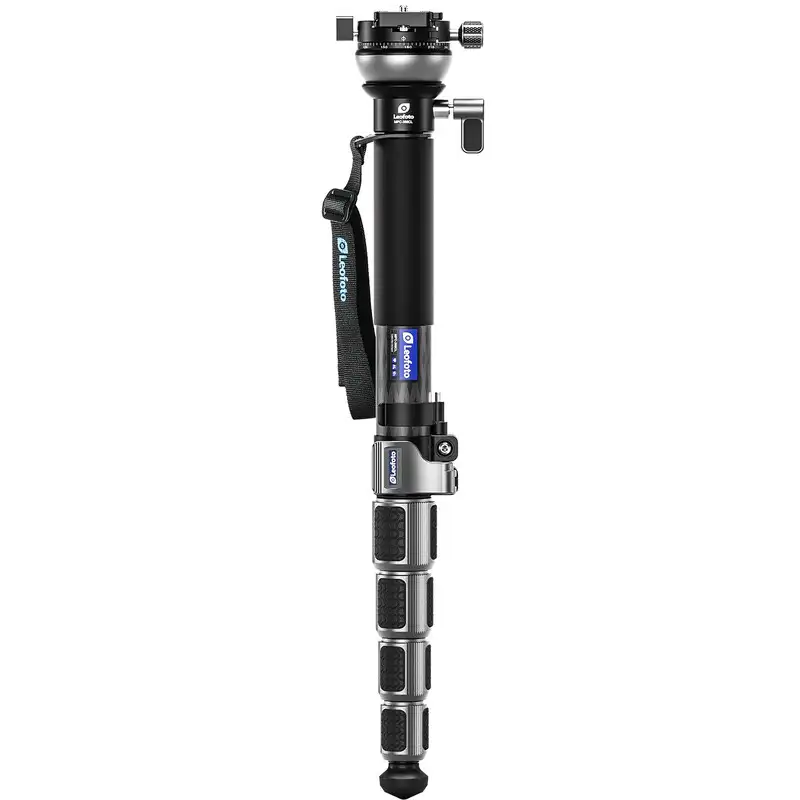
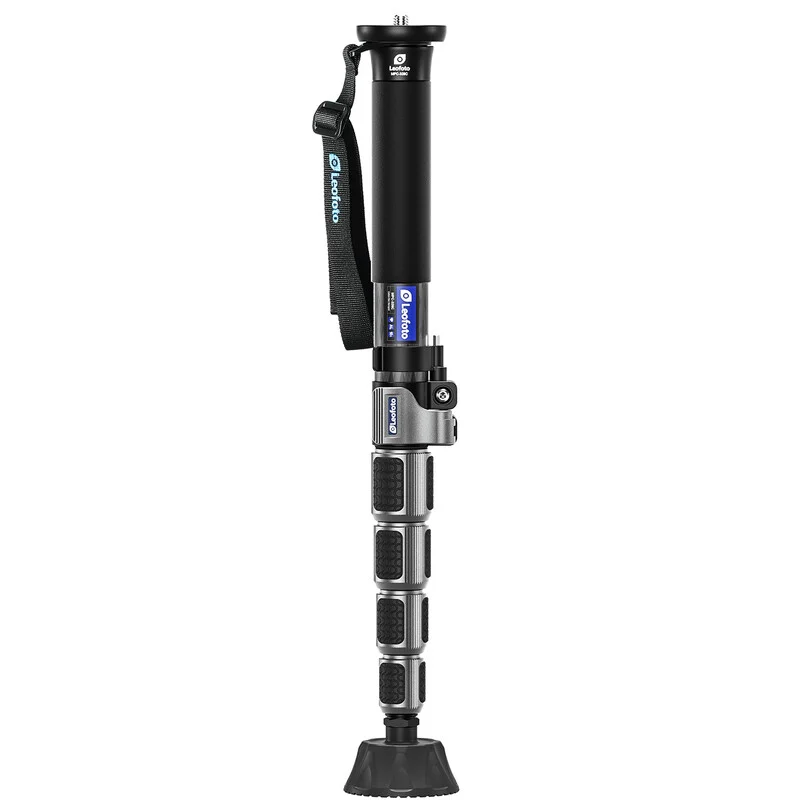
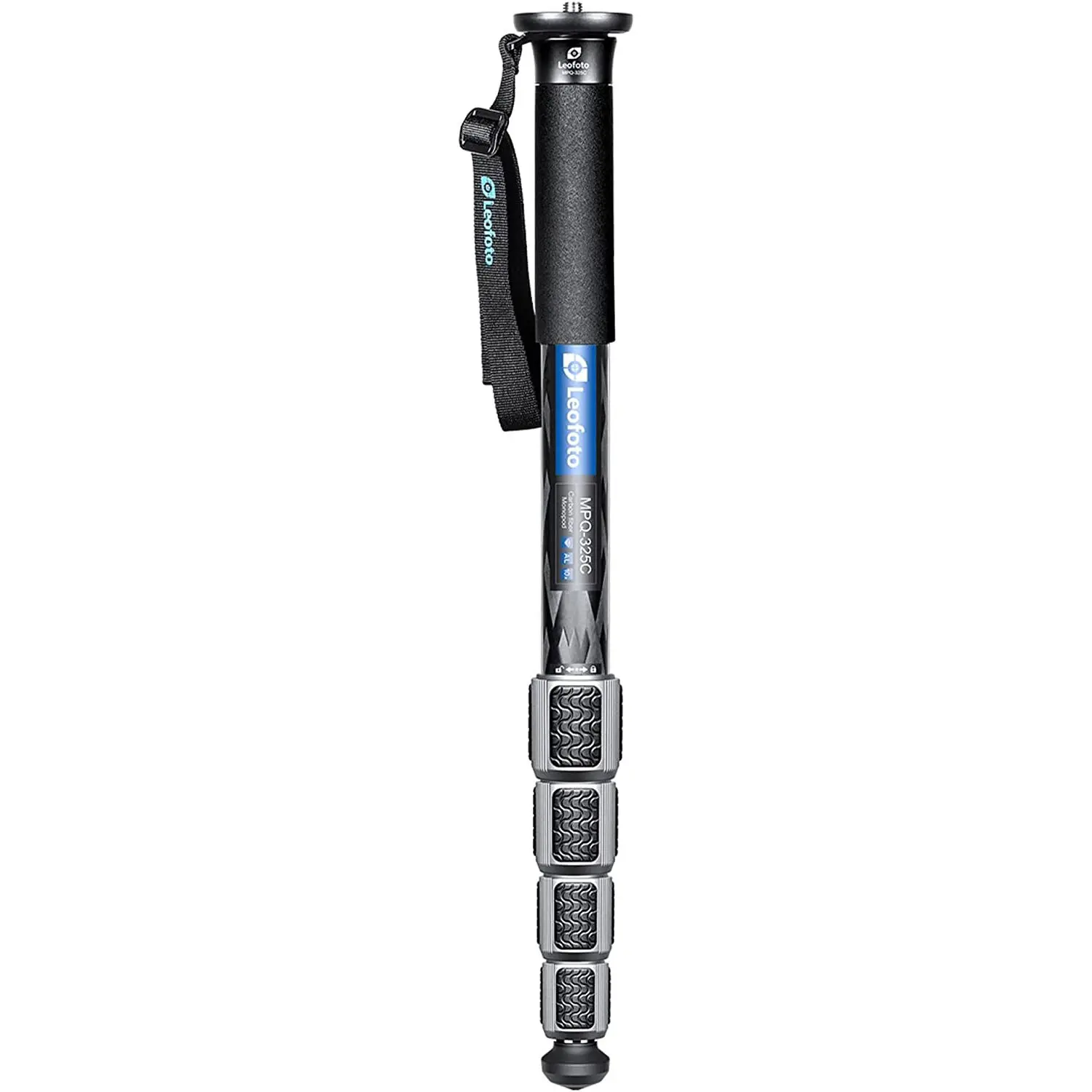
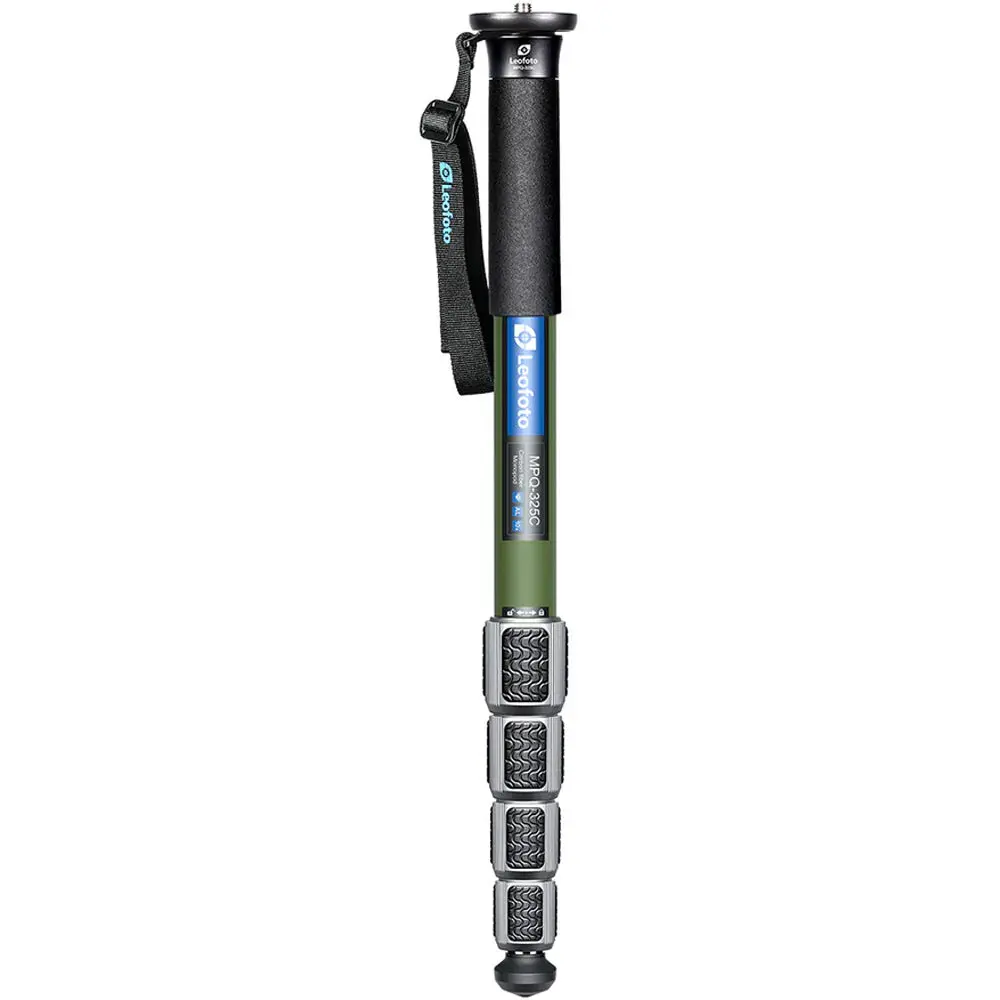
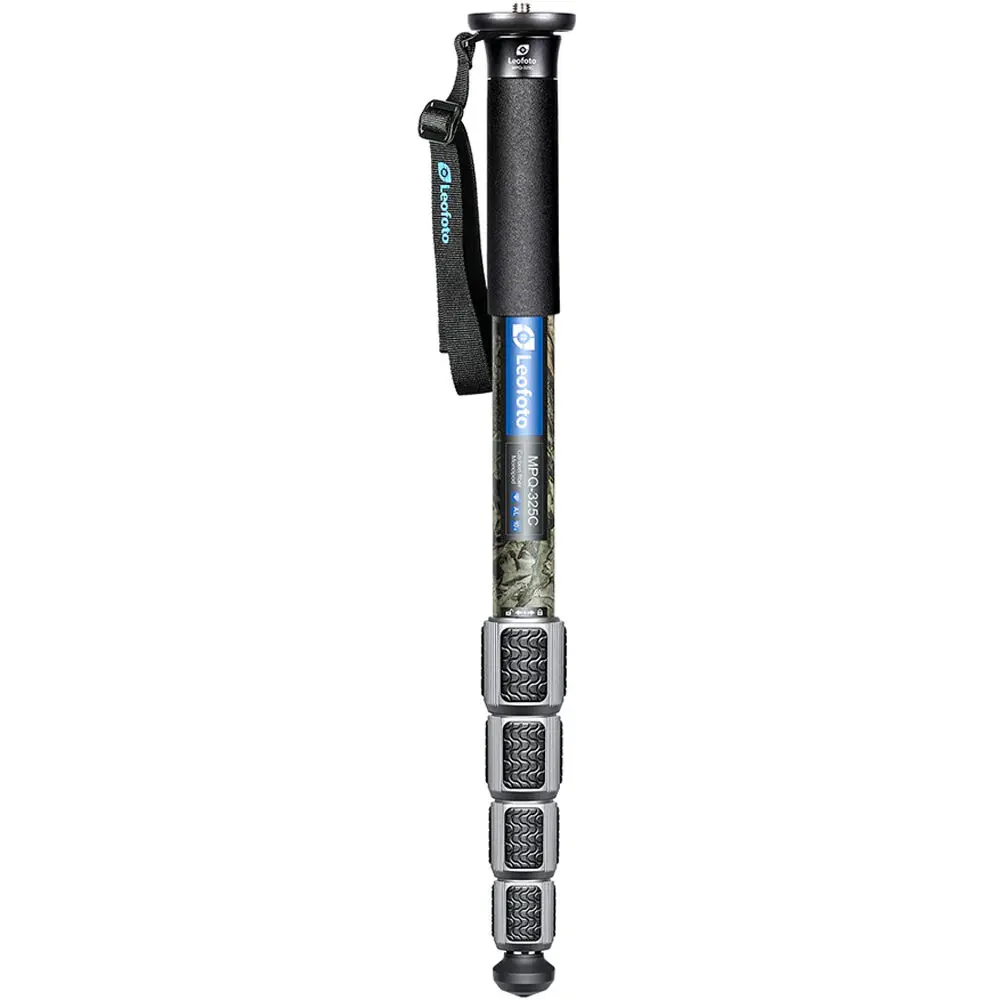
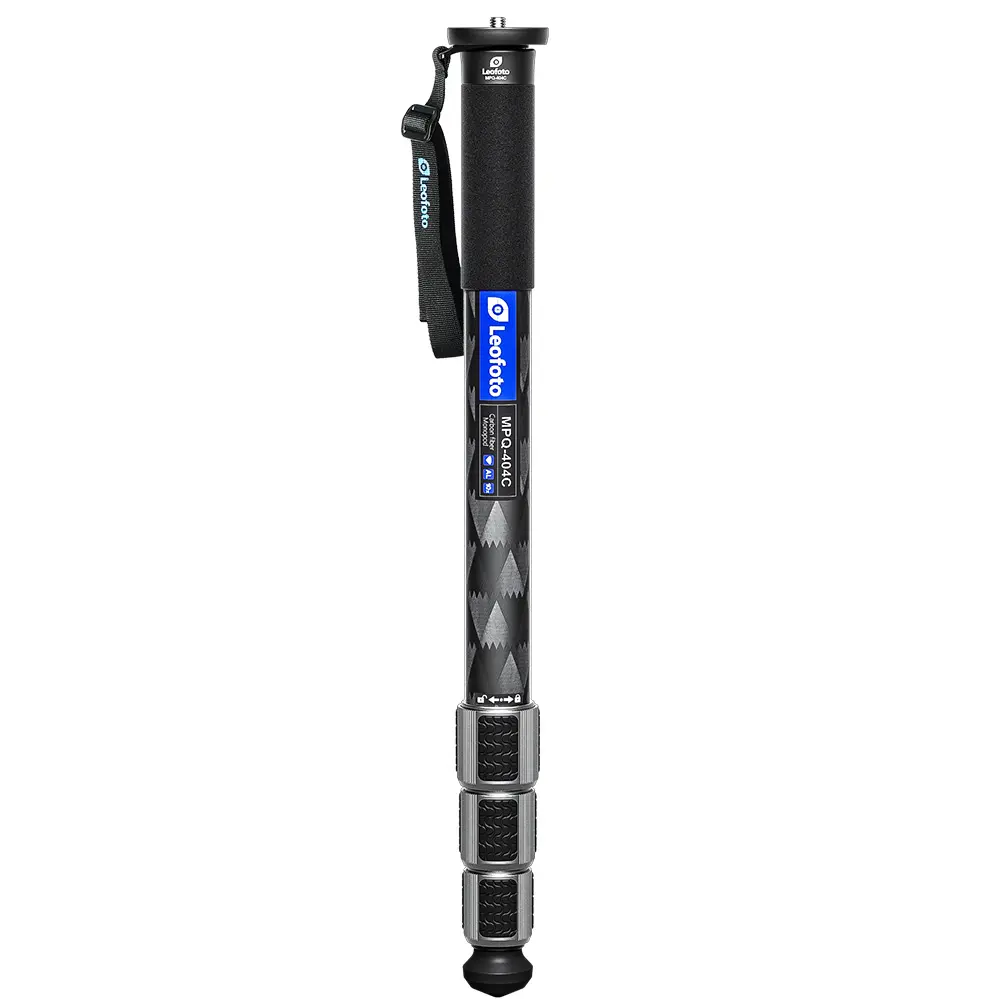
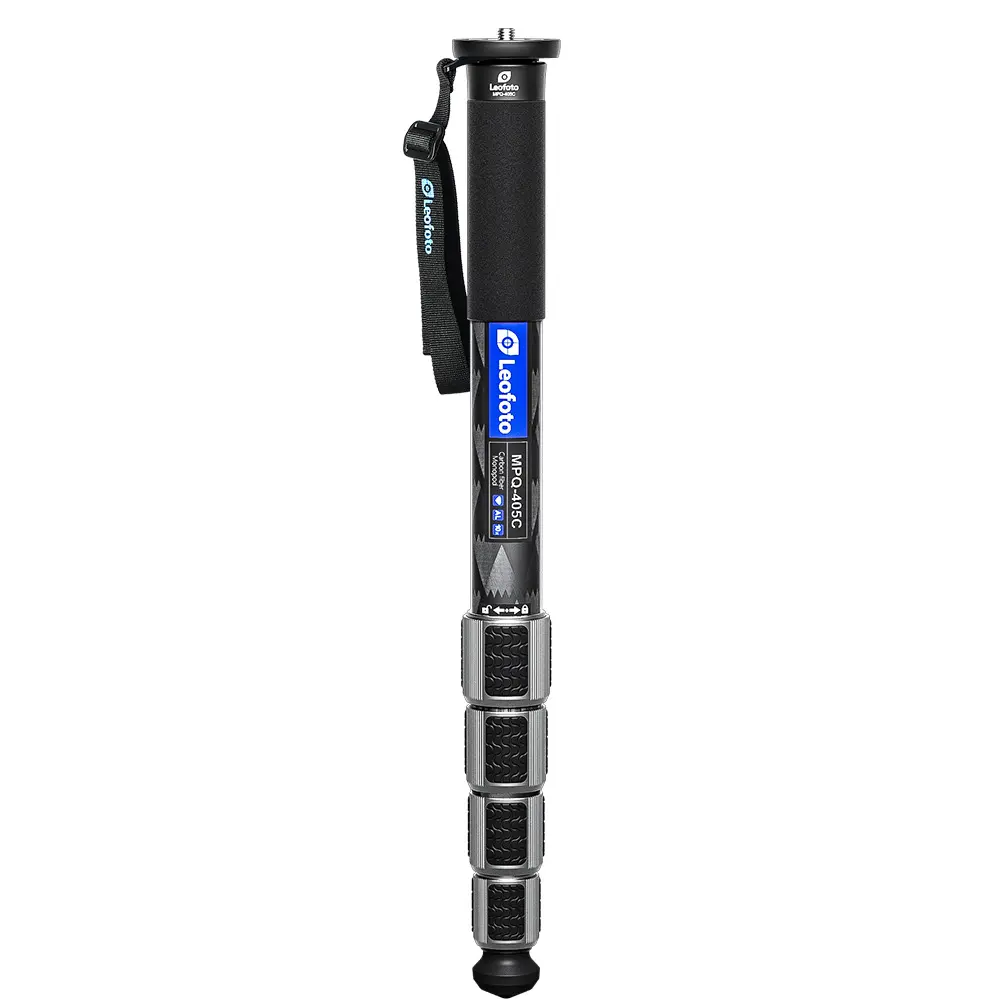
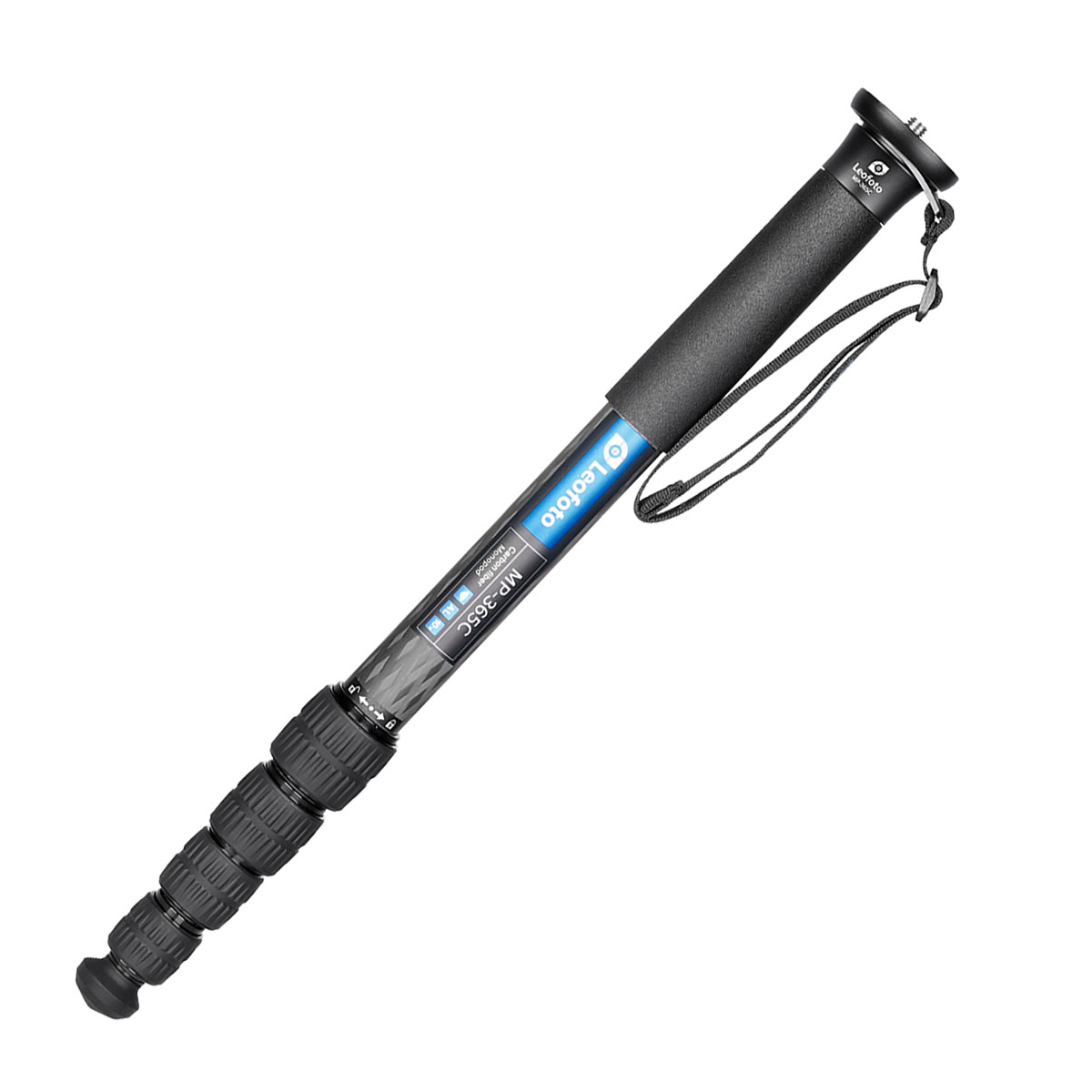
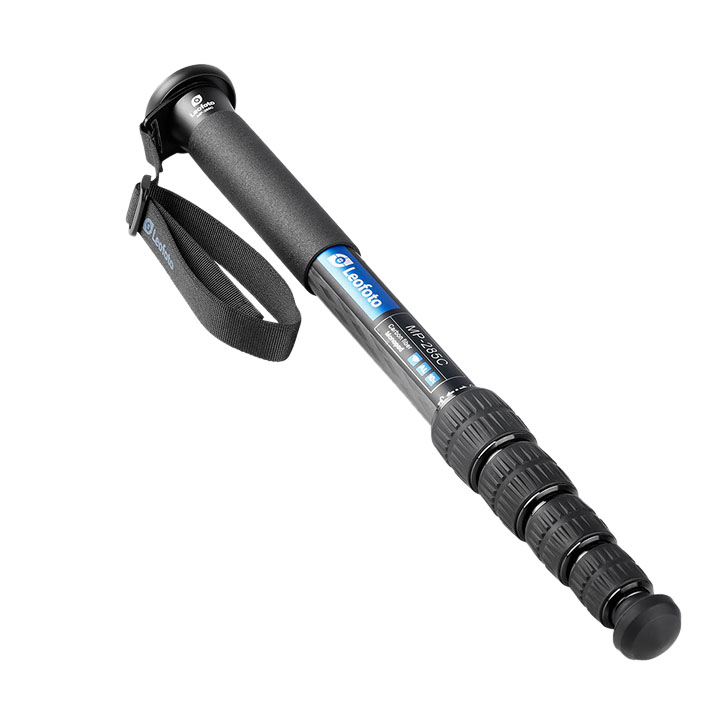
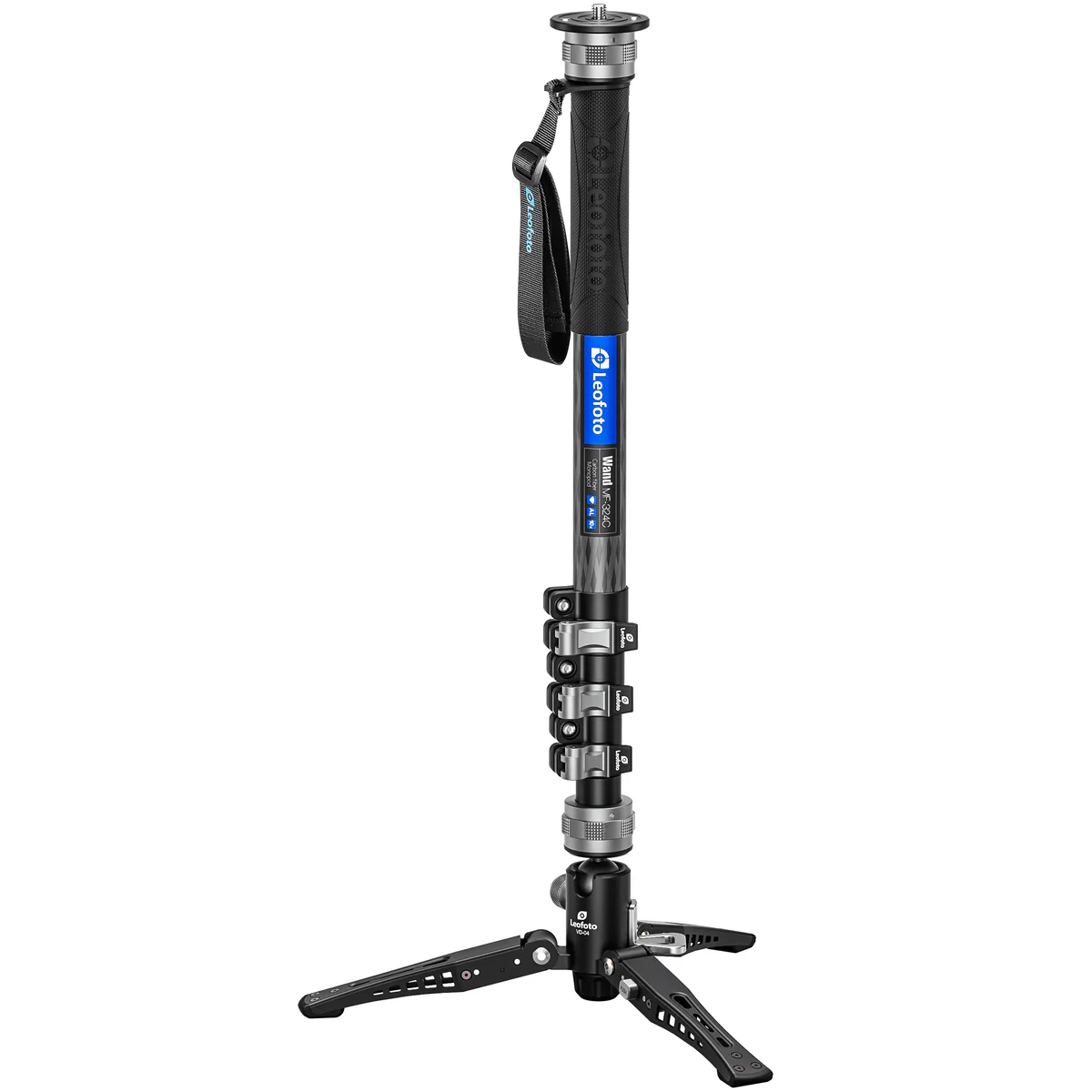
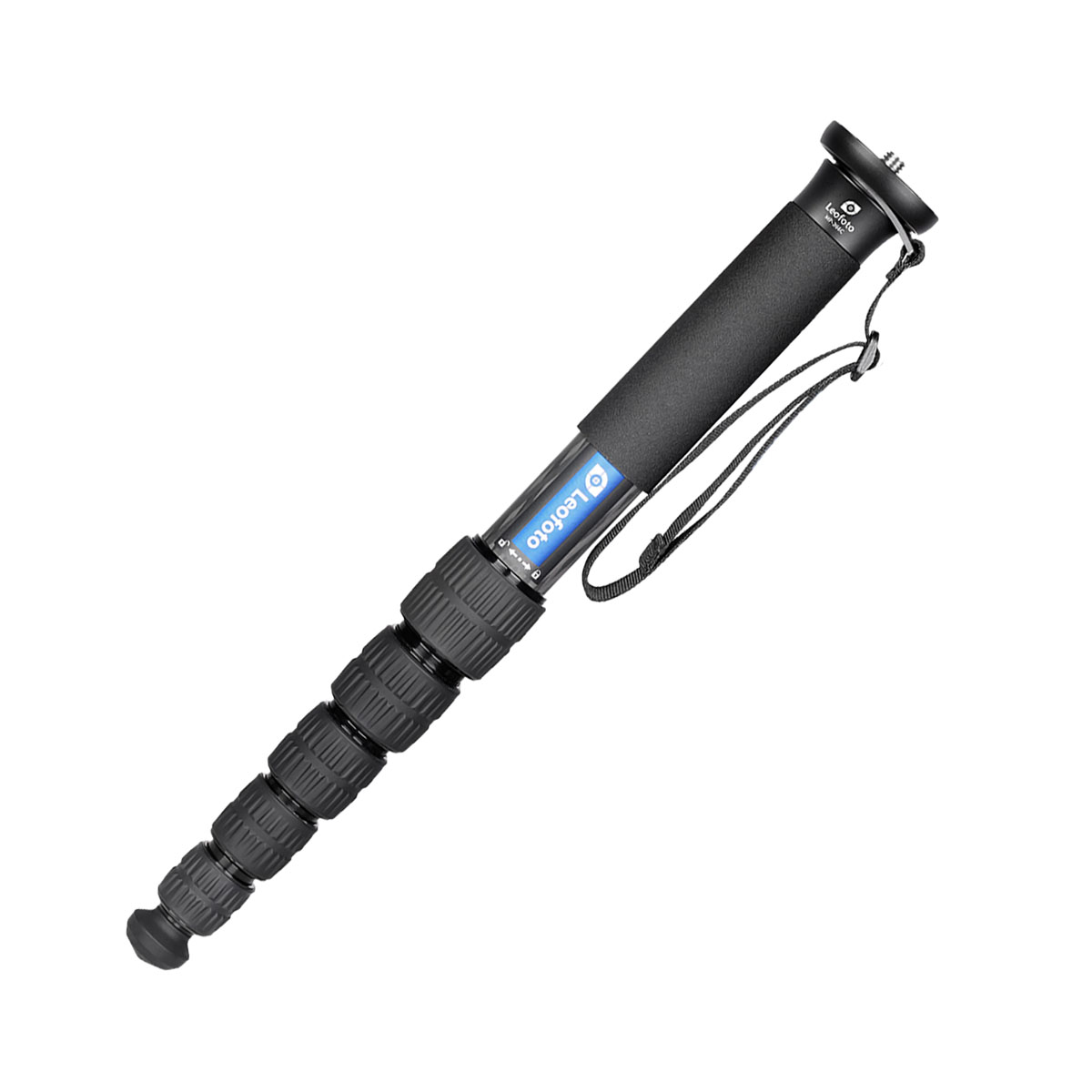
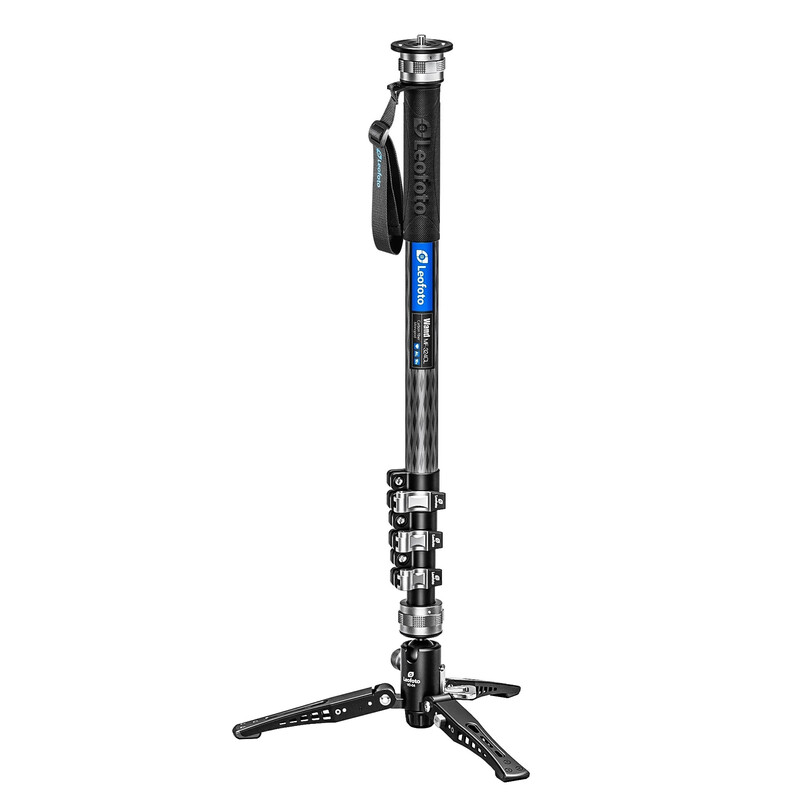
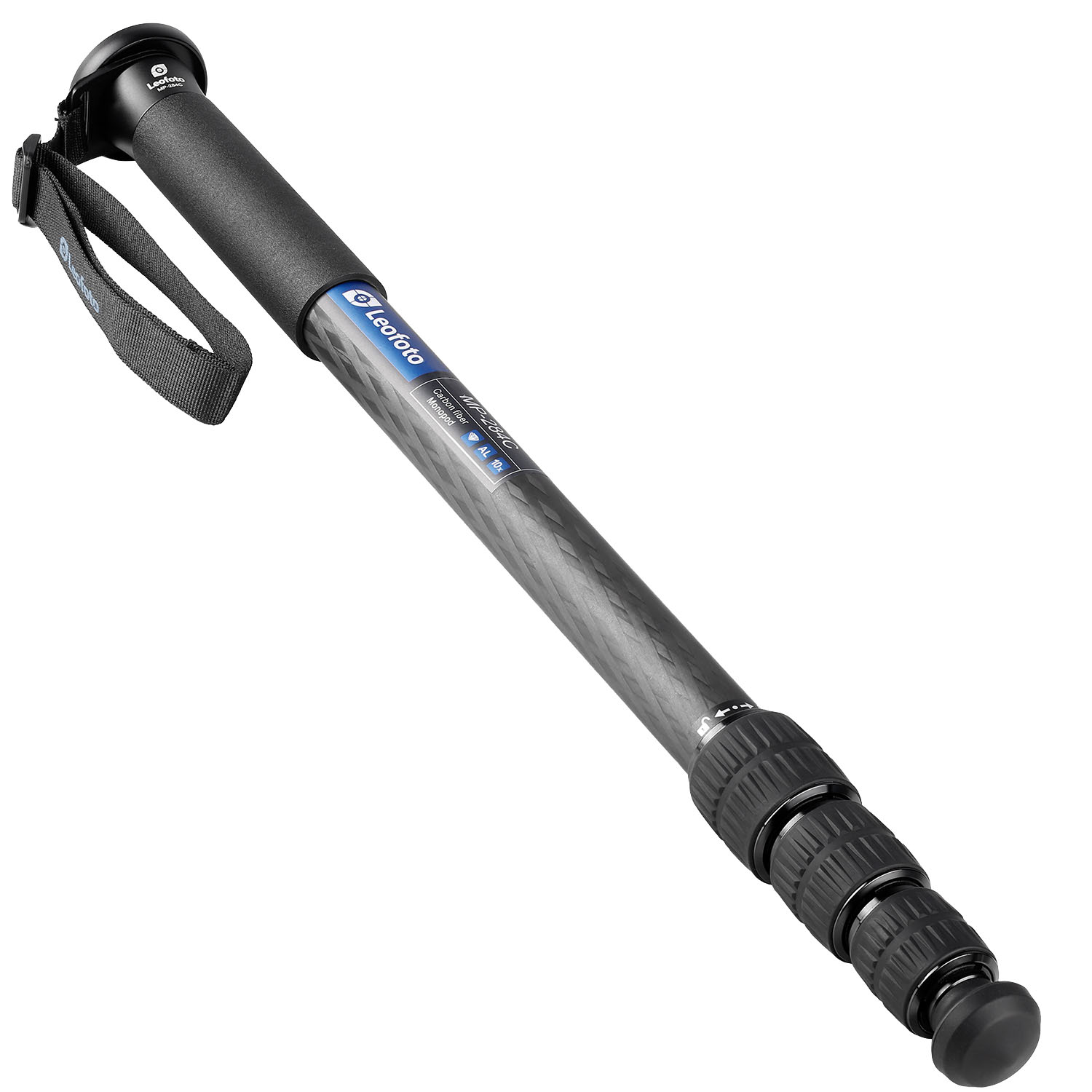
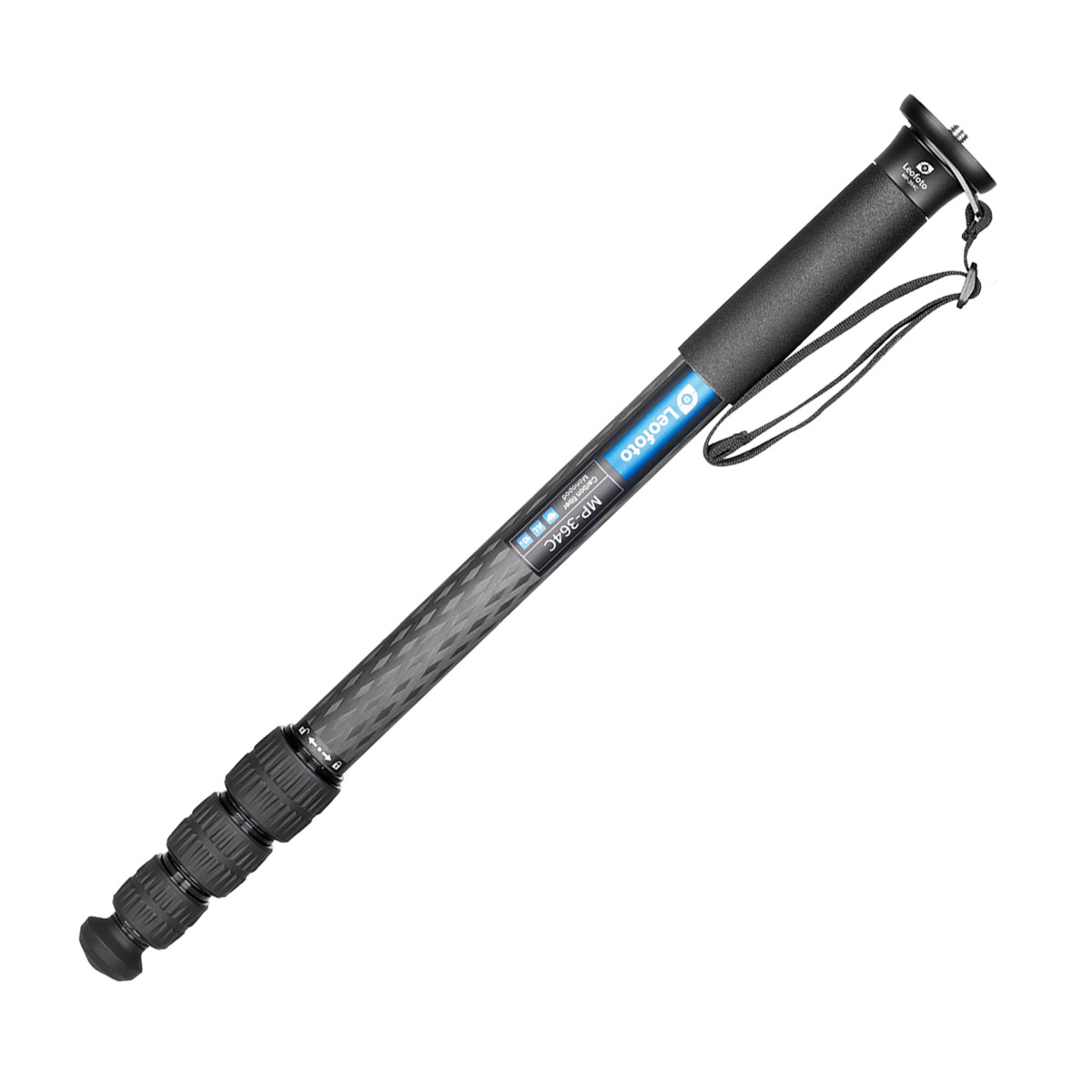
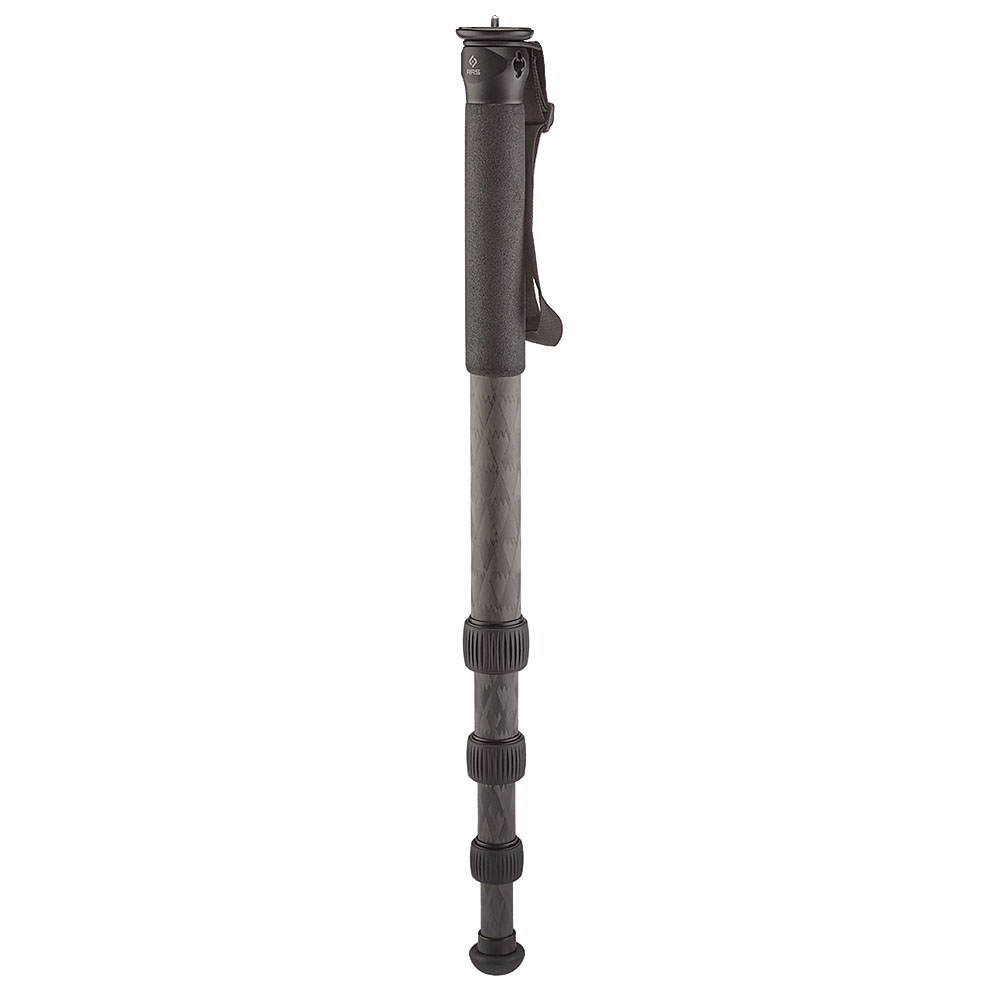
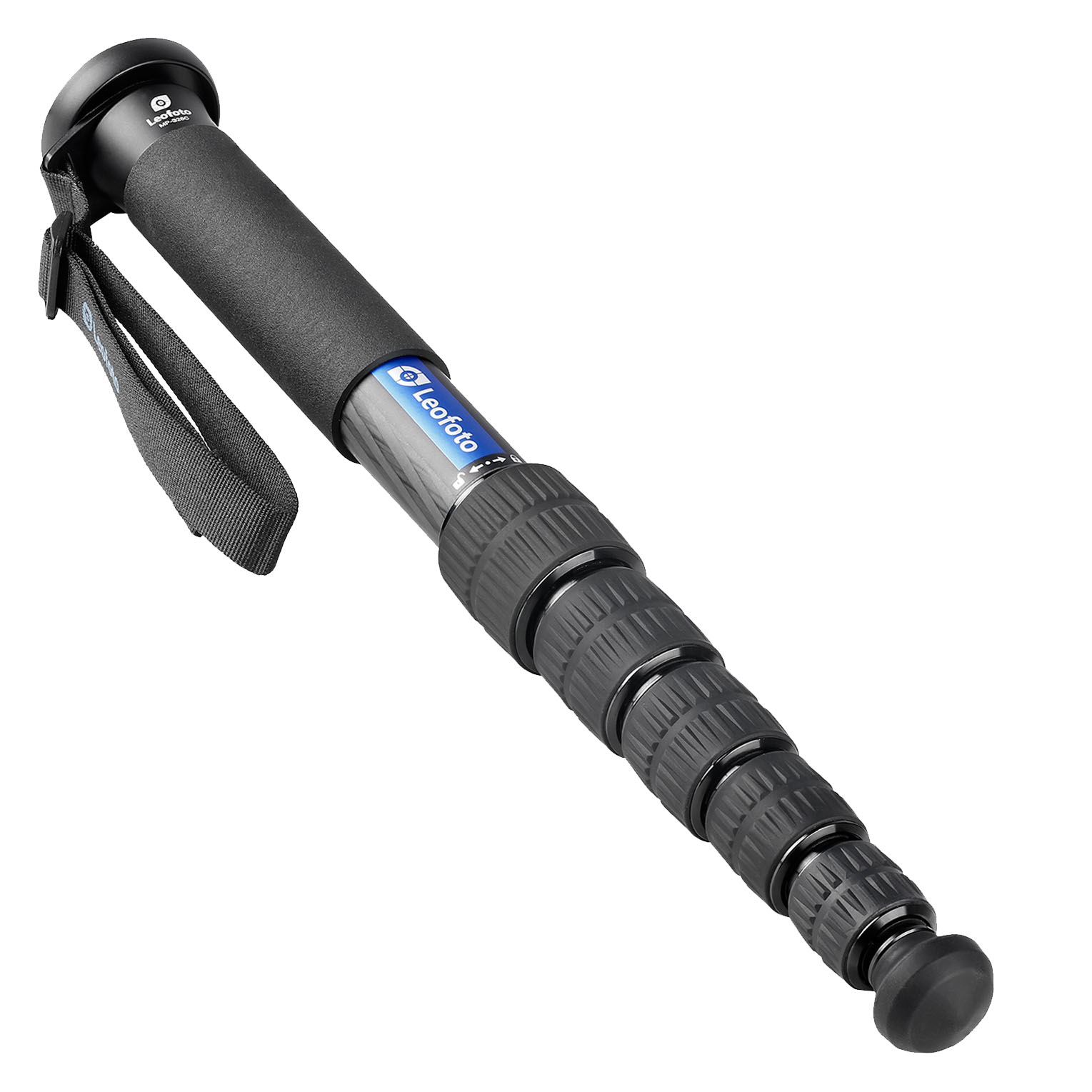
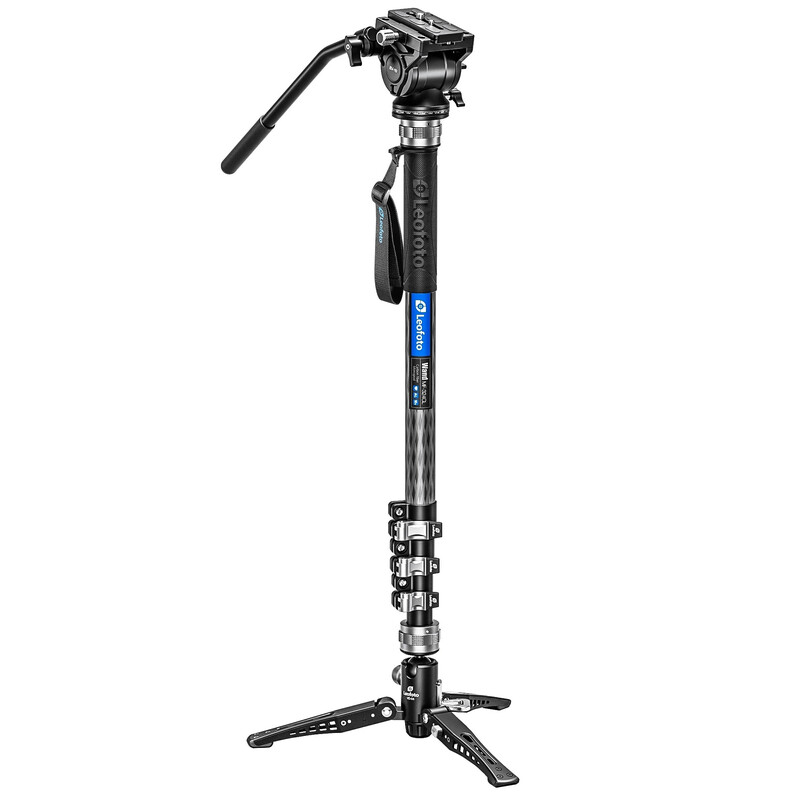
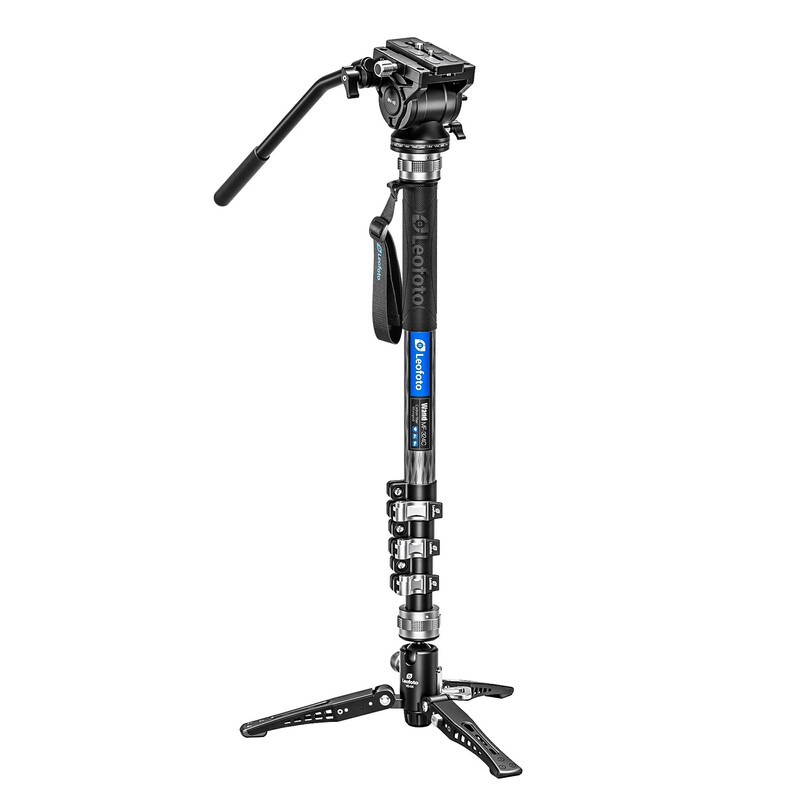
Monopod, flexible stability on the go
With a monopod you gain stability without having to struggle with bulky luggage. Especially when you are out and about with long telephoto lenses, a heavy DSLR or a mirrorless full-frame camera, a monopod significantly relieves your arms while at the same time delivering visibly steadier images. In sports photography, wildlife photography or reportage work where things have to move quickly, a monopod is often the most comfortable compromise between mobility and sharpness.
A monopod is light, compact and ready for use within seconds. This allows you to use longer exposure times without every little shake immediately showing up in the image. Especially with telephoto focal lengths, for example on the sidelines of a playing field or on safari, a monopod supports the lens, reduces the risk of camera shake and gives you the freedom to track subjects spontaneously. At the same time, a monopod fits easily into a camera backpack or even on the side of a hiking backpack, which makes it extremely practical for outdoor tours.
Many models can be finely adjusted in height, feature a rubber-foot/spike combination for different surfaces and offer a robust yet lightweight construction made of aluminum or carbon. This keeps the monopod comfortable to carry even during longer sessions and accompanies you from a city stroll to a mountain hike.
Camera tripod, precise shots with a system
As soon as you want more control over image composition, perspective and exposure time, you can hardly get around a good camera tripod. A camera tripod ensures that your camera remains steady in one position so you can extend exposure times, lower ISO values and visibly improve image sharpness. A camera tripod really shows what your camera is capable of, especially at dusk, for night shots or indoors.
A monopod is a special type of camera tripod designed for mobility. While a classic three-legged camera tripod is more commonly used for absolutely static scenes such as landscapes, architecture or time-lapse, a monopod plays to its strengths when you need to move around a lot. A camera tripod of this type supports you when panning with moving subjects, in dynamic sports shots or at events where you cannot stand in the same spot for minutes at a time.
For every camera tripod in this category, we pay attention to practical details such as a suitable connection size (¼ inch or 3/8 inch), solid leg-lock mechanisms and a comfortable grip area so that you can hold the tripod well even in cold weather. With the right tripod head, a camera tripod, especially a monopod, becomes a versatile tool for photo and video.
Camera tripods, differences and areas of use
When you compare camera tripods, you quickly realize that there is no one solution for everything. Three-legged camera tripods score with maximum stability, but are often heavier and take up more space. A monopod, on the other hand, is significantly lighter, quicker to set up and less obtrusive, which makes a noticeable difference, especially in tight situations such as along the boards of a sports field or in a crowd.
Camera tripods with only one leg allow you to tilt the camera horizontally and vertically with flexibility without having to realign all the legs each time. This is particularly helpful when observing animals, following the action of a game or taking panorama shots where you rotate slightly with the scene. Camera tripods of this kind are also ideal if you frequently alternate between walking and shooting, because you can simply lift the monopod briefly and move on.
Photo tripod, useful accessory for sharp images
Under the term photo tripod, we group together all solutions that stabilize your camera, from massive three-legged tripods to handy monopods. A photo tripod helps you improve image quality and comfort at the same time. You can extend the exposure time, choose the aperture more deliberately and take your time with composition and timing. A monopod is a particularly mobile photo tripod that is especially suitable for photo and video recording where you need to react quickly.
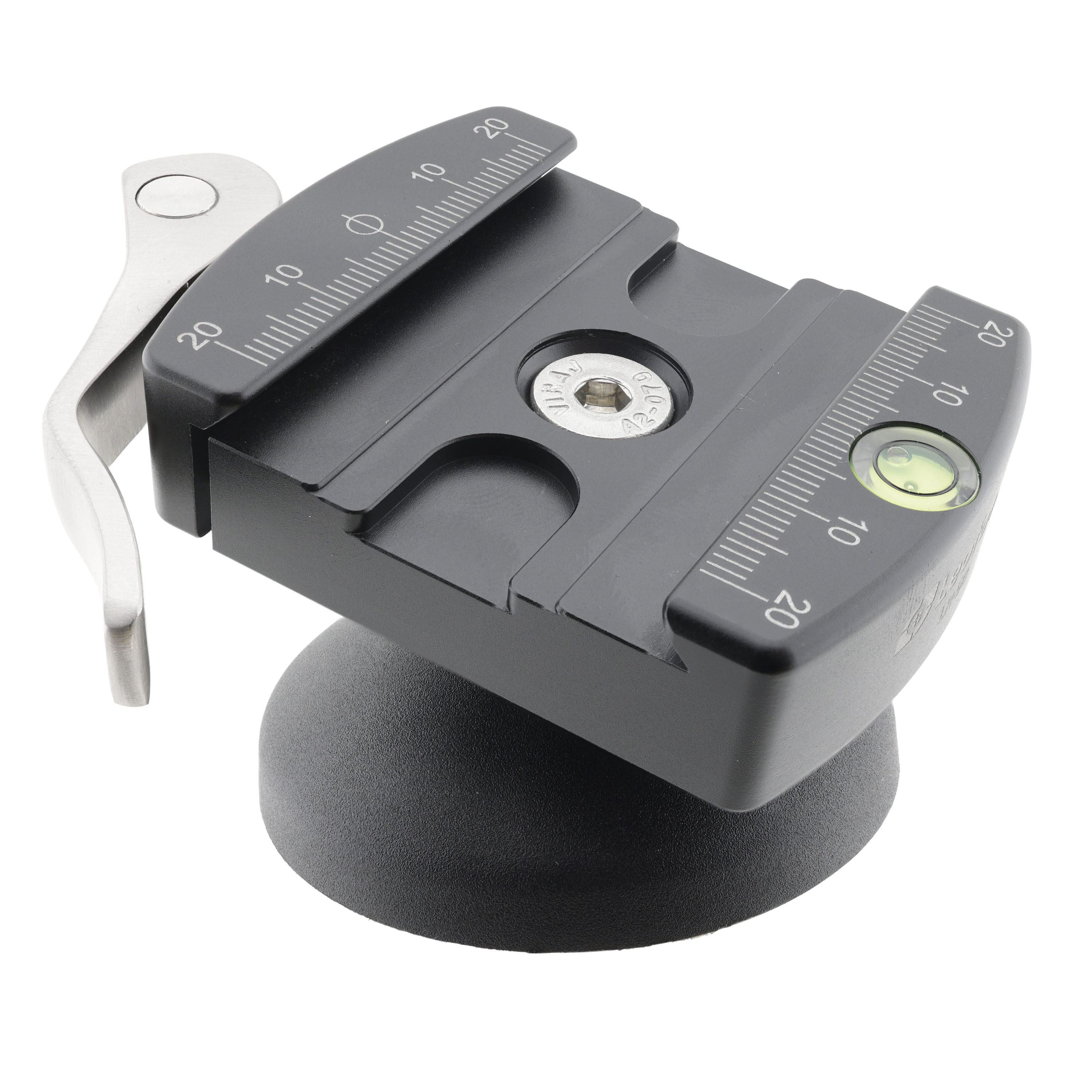
A photo tripod like the monopod unfolds its full potential with the right accessories. Ball head, three-way head or panoramic head allow you to align the camera precisely and capture subjects from unusual angles without constantly having to change the entire position. Complemented by a quick-release plate, the camera can be mounted on or removed from the photo tripod in a flash, which makes a much bigger difference in everyday use than you might initially think.
Whether you want to do light painting, shoot macro photos of insects, track birds in flight or simply work more comfortably on the sidelines of a playing field, a well-chosen photo tripod, especially a lightweight monopod, makes these situations much more pleasant and ensures that more of your shots turn out truly razor-sharp. This way, a simple photo tripod becomes an indispensable tool in your kit that you will not want to be without after just a few uses.
BLOG posts
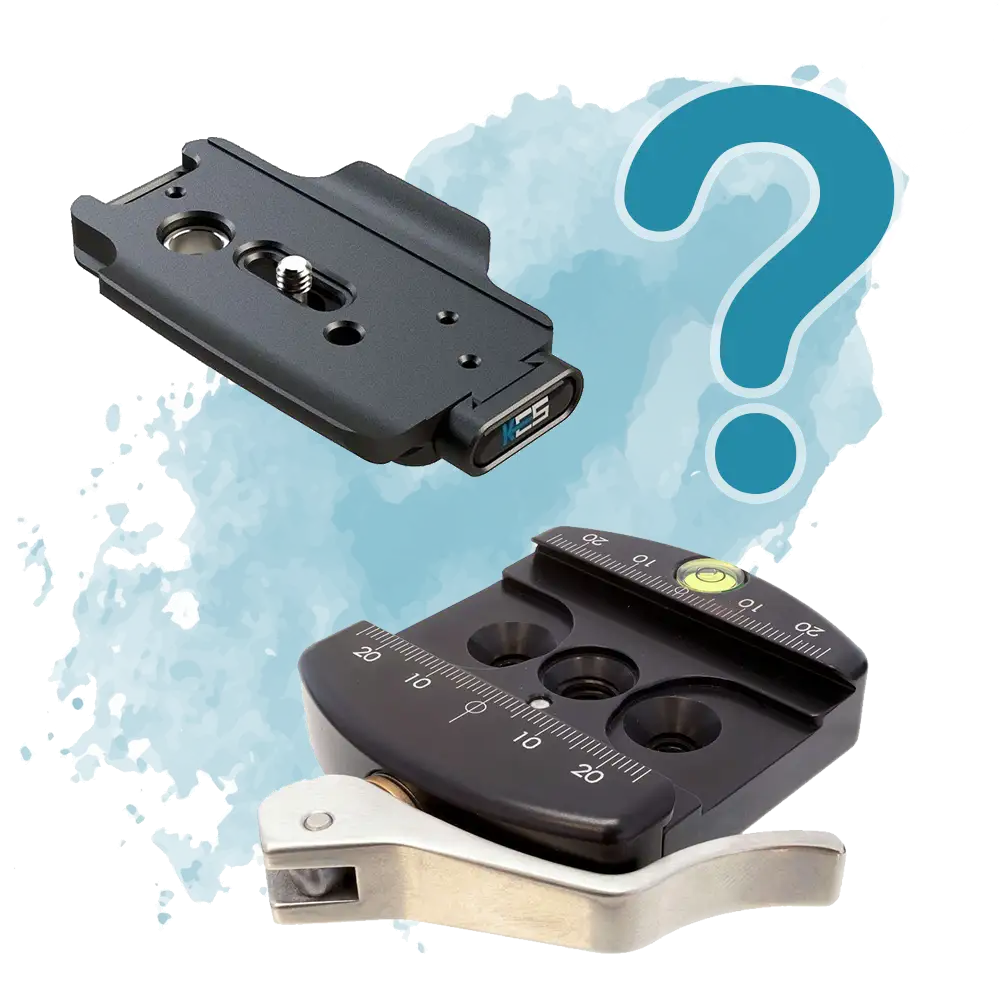
…unfortunately not very much.
In this post, we will gradually test and publish the compatibility of quick release components from various manufacturers.
Listed below, you will find which 38 mm dovetail systems are compatible with each other and which do not fit together.
For this, one must look f...
not in stock, the item will be ordered for you
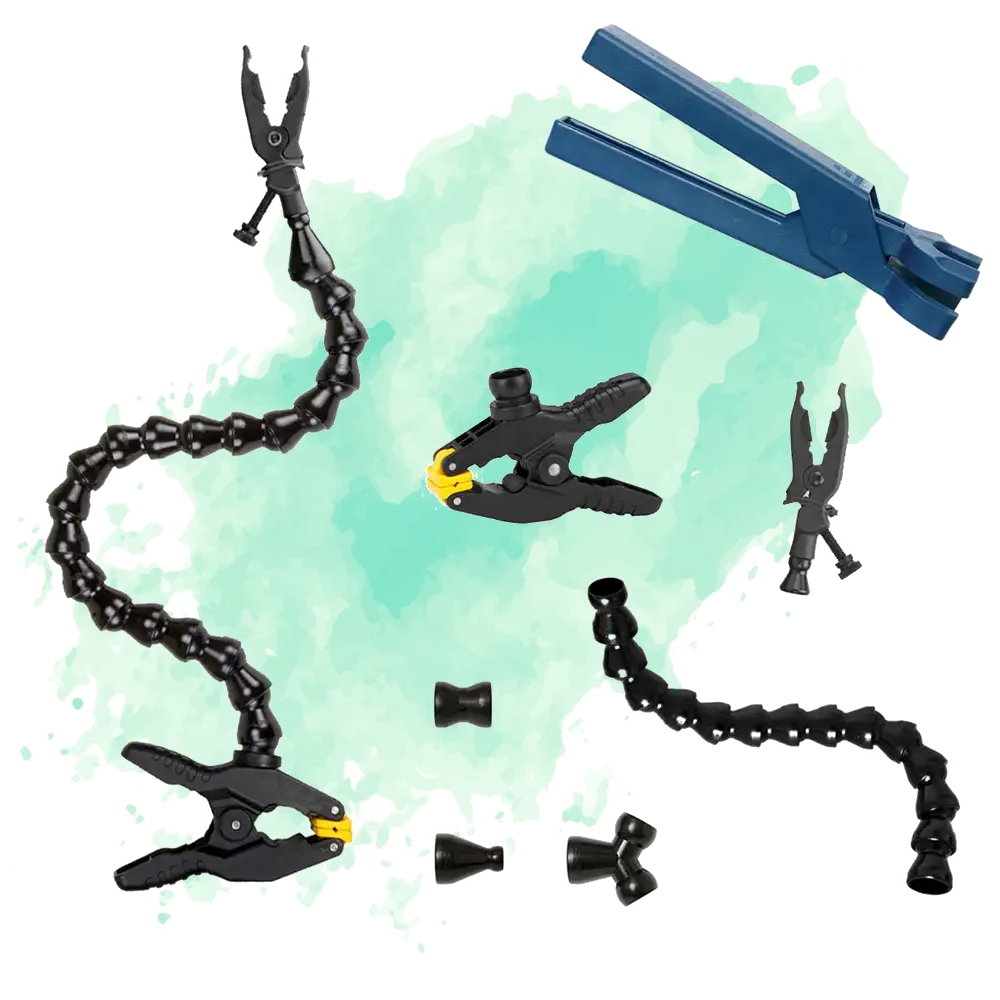
Macro accessories from Wimberley, the Plamp Family for precise macro photography Anyone who seriously engages in macro photography sooner or later stumbles over the same situation: the subject is beautiful, but the light isn’t right, a light breeze tugs at the blossom, and the diffuser is lying some...
not in stock, the item will be ordered for you
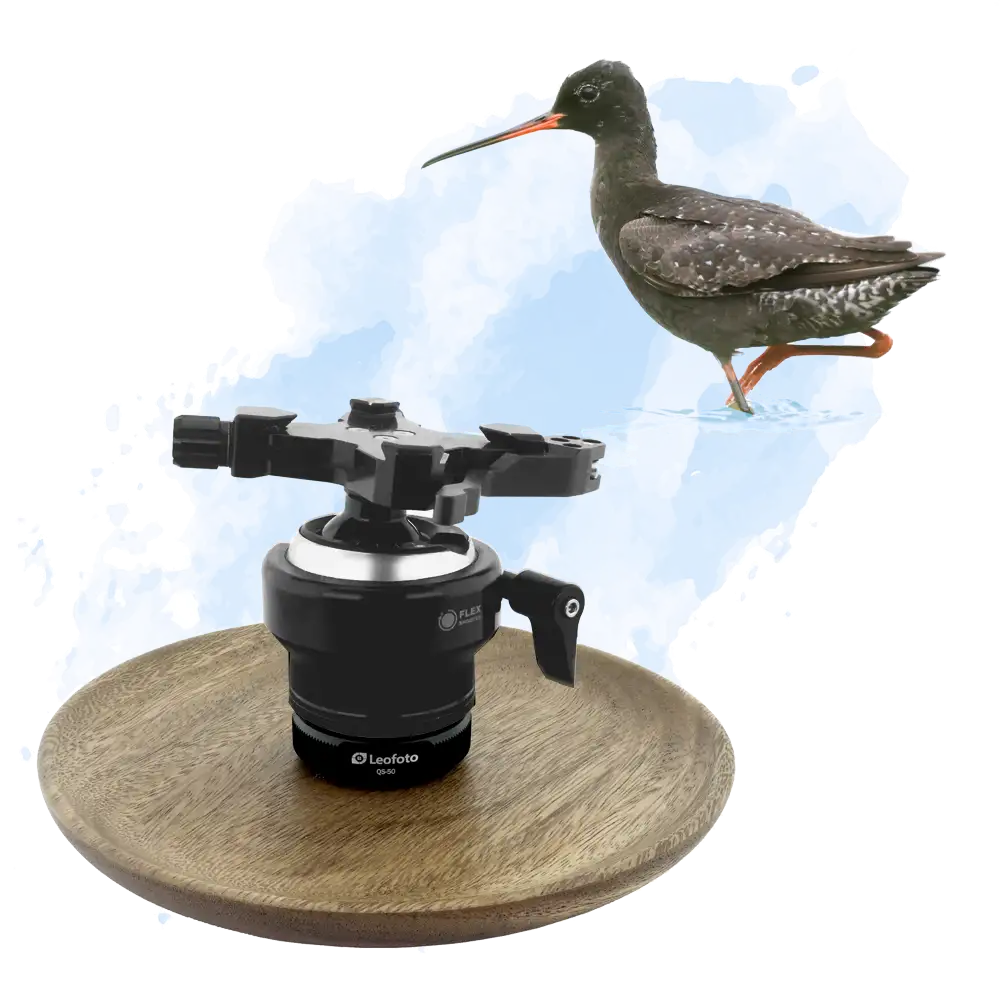
The bird migration has begun...
At the Baltic Sea, I have the opportunity to photograph waders both on the beach and at waters with shallow shorelines or flooded meadows.
On the beach, it is often enough to lie on your stomach and wait for the animals to come within photo distance.
It's quite differen...
not in stock, the item will be ordered for you
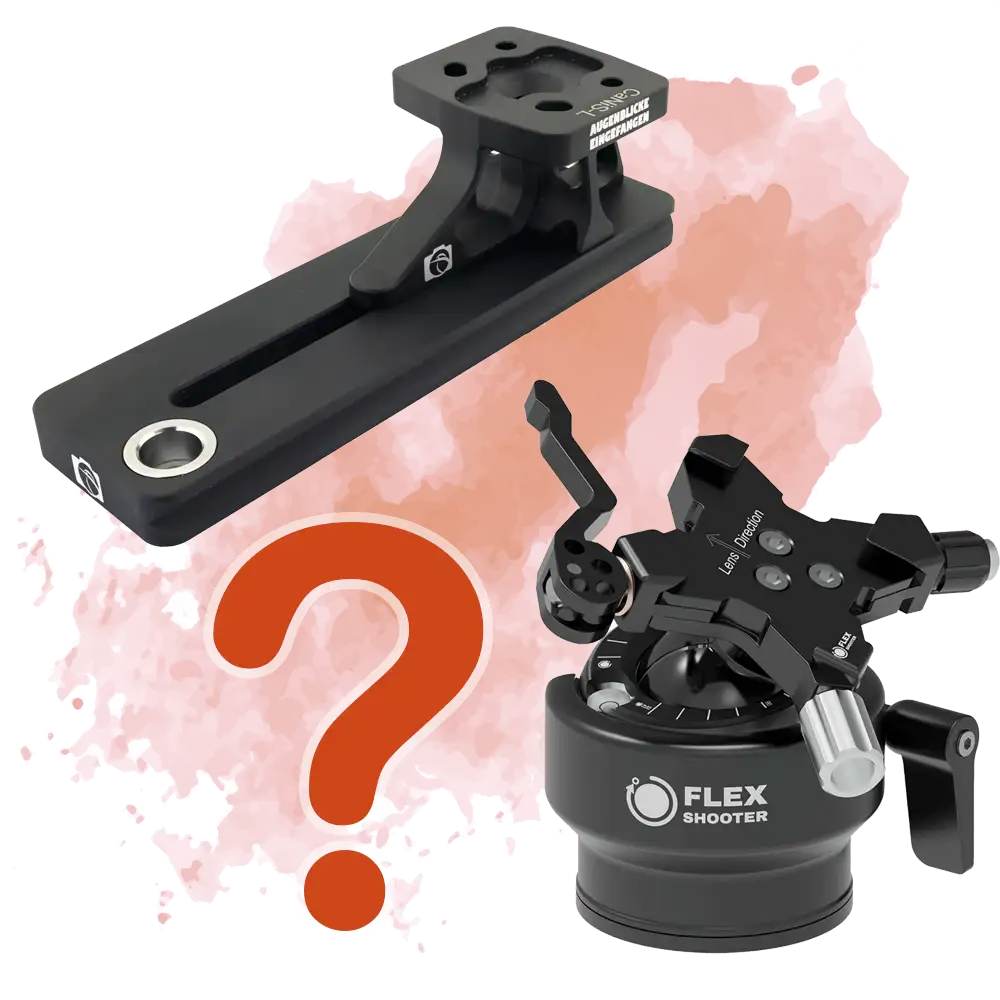
The Flexshooter tripod headsaccept almost all camera plates and L-brackets, lens plates and replacement feet with Arca-compatible profile with a width of 38 mm.
Flexshooters with lever clamp are a bit more tolerant; here you can readjust the clamp width so that your camera or lens sits really firmly ...
not in stock, the item will be ordered for you

Somehow the camera gear has to be carried.
But how do you attach the camera strap to your camera or your lens?
Traditionally, a carrying strap is attached to two lugs on the camera; with heavy lenses, a carrying strap is attached via lugs on the tripod collar.
This is often annoying,...
not in stock, the item will be ordered for you

FAQ about the Flexshooter tripod head
When you start looking into the Flexshooter tripod head, the question usually isn’t whether to get one, but rather the famous “Yes, but which one exactly?
”.
In this FAQ about the Flexshooter tripod head we’ve collected the typical questions we get more frequen...
not in stock, the item will be ordered for you
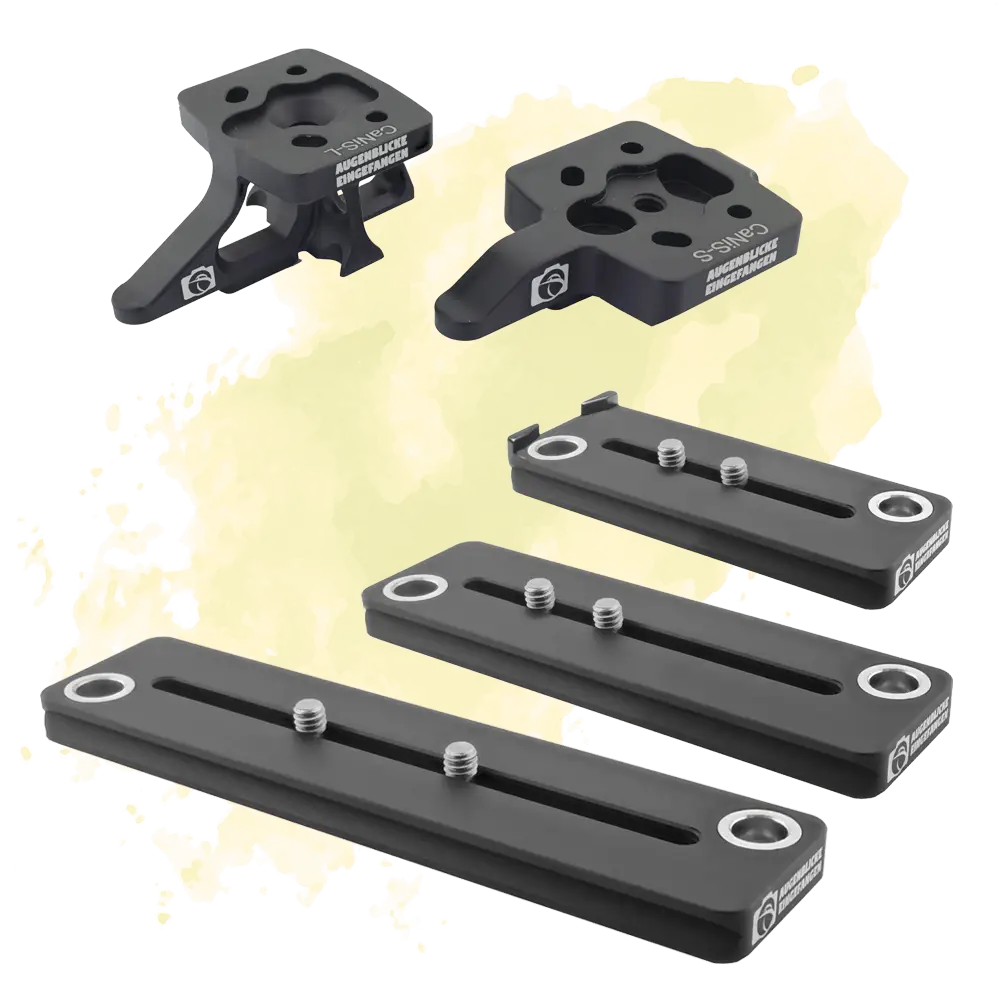
Discover the innovationModular replacement feet for telephoto lenses from Augenblicke-eingefangen
For ambitious photographers who are always looking for the perfect balance between stability and flexibility, the modular replacement feet from Augenblicke-eingefangen offer a modern solution.
These in...
not in stock, the item will be ordered for you

Wintry extreme cold as a photographic opportunity
Due to the frost that has persisted for a longer period this year, at times with double-digit sub-zero temperatures, this winter is very interesting for us nature photographers.
Icy scenes: rare subjects with a downside
There are subjects that are o...
not in stock, the item will be ordered for you

How to find the right tripod leg protector
It is relatively easy to find the right tripod leg protector for your tripod.
The LensCoat Wraps are available in two different versions (apart from the many sizes and camouflage patterns).
Measuring diameter and length
The sizes
You measure the diamete...
not in stock, the item will be ordered for you

Telephoto Lens Covers in Everyday Wildlife Use: LensCoat vs.
Rolanpro (Tragopan) Compared
In professional wildlife photography, the telephoto lens is the central tool, but at the same time the most sensitive and expensive element of the equipment.
Super-telephoto lenses with focal lengths of 4...
not in stock, the item will be ordered for you

Rain protection for camera and lens, proven solutions for outdoor and wildlife photography
Anyone who regularly shoots outdoors knows: the weather rarely sticks to your plans.
Especially in
wildlife, nature and sports photography, many of the most exciting images are created in rain, fog or
chang...
not in stock, the item will be ordered for you

Protective solution for the safe transport of large telephoto lenses
LensCoat TravelCoat, secure transport protection for large telephoto lenses
Large telephoto lenses are among the most valuable components of many photography kits.
Especially in
wildlife, nature and sports photography, long foca...
not in stock, the item will be ordered for you
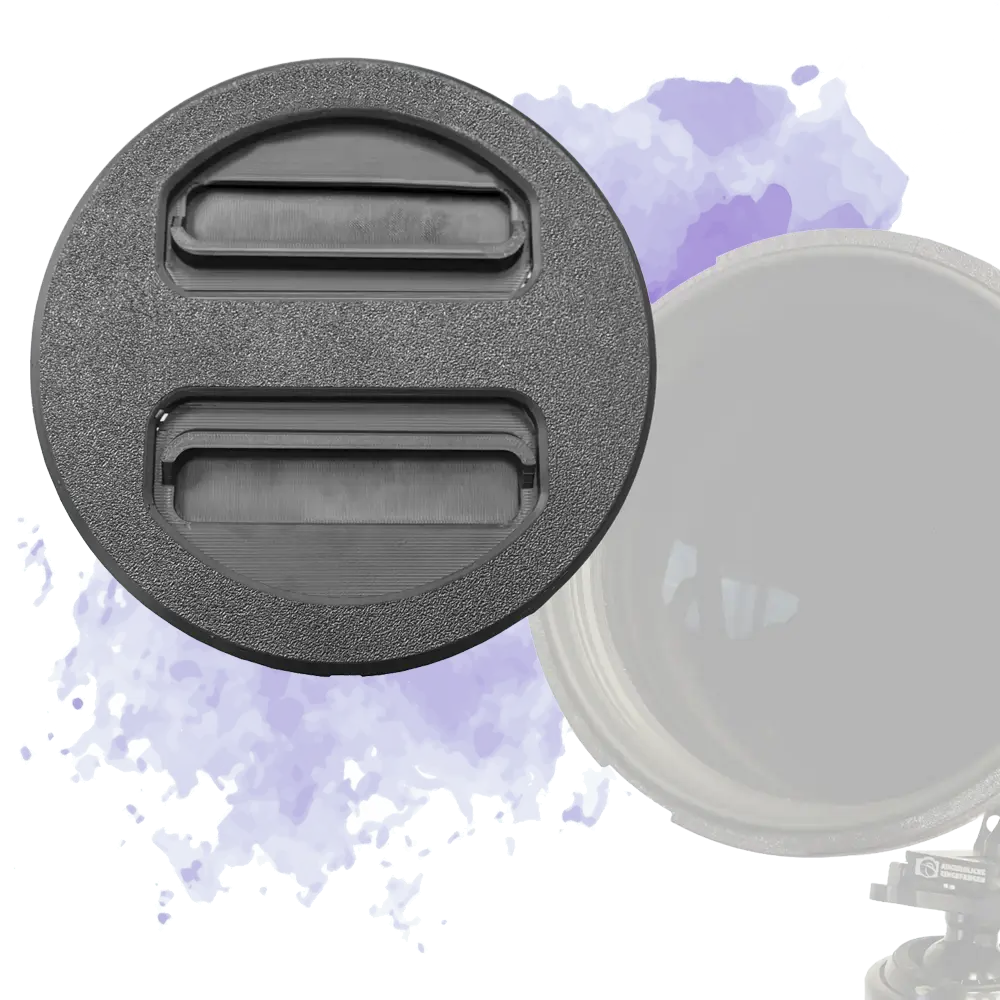
Snap-on lens caps for large telephoto lenses: BigLensCaps as a precisely fitting front element protection Anyone who photographs with large telephoto lenses, for example in wildlife, sports or nature photography, knows the problem: The front element of a super-telephoto lens is large, delicate an...
not in stock, the item will be ordered for you

Modular mounting system for camera backpacks
The MOLLE system on camera backpacks – modularity for photographers
The MOLLE system (Modular Lightweight Load-carrying Equipment) has also become established in the field of
photography in recent years.
Originally developed for the military, this modu...
not in stock, the item will be ordered for you

Reliable protective cap for the sensitive front lens
The front lens of a lens is one of the most sensitive and at the same time most important components of your camera equipment.
Even small scratches, dust particles or impacts can impair image quality in the long term or make expensive repairs nece...
not in stock, the item will be ordered for you

Precise focus bracketing for later stacks
Exact macro focus brackets for later calculation of a stack are easy to create...
.
.
Important basics for clean results
...
.
if you follow some fundamental requirements.
Equipment used in macro photography
For macro photography I work with the Canon EOS R5, ...
not in stock, the item will be ordered for you

Important note about the previous Monostat foot and its replacement
Everything that characterized the Monostat foot can also be done by this new tripod foot, and some things even better, since it was designed from the outset for easier mounting with a 3/8" standard thread.
What made the Monostat foo...
not in stock, the item will be ordered for you