
Macro
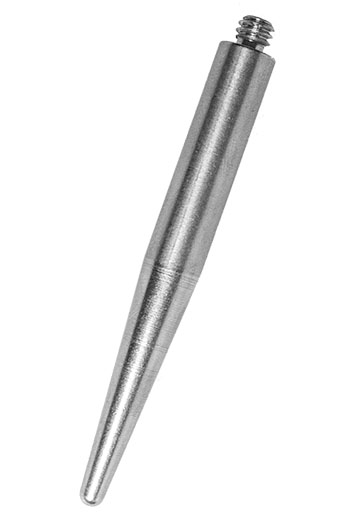
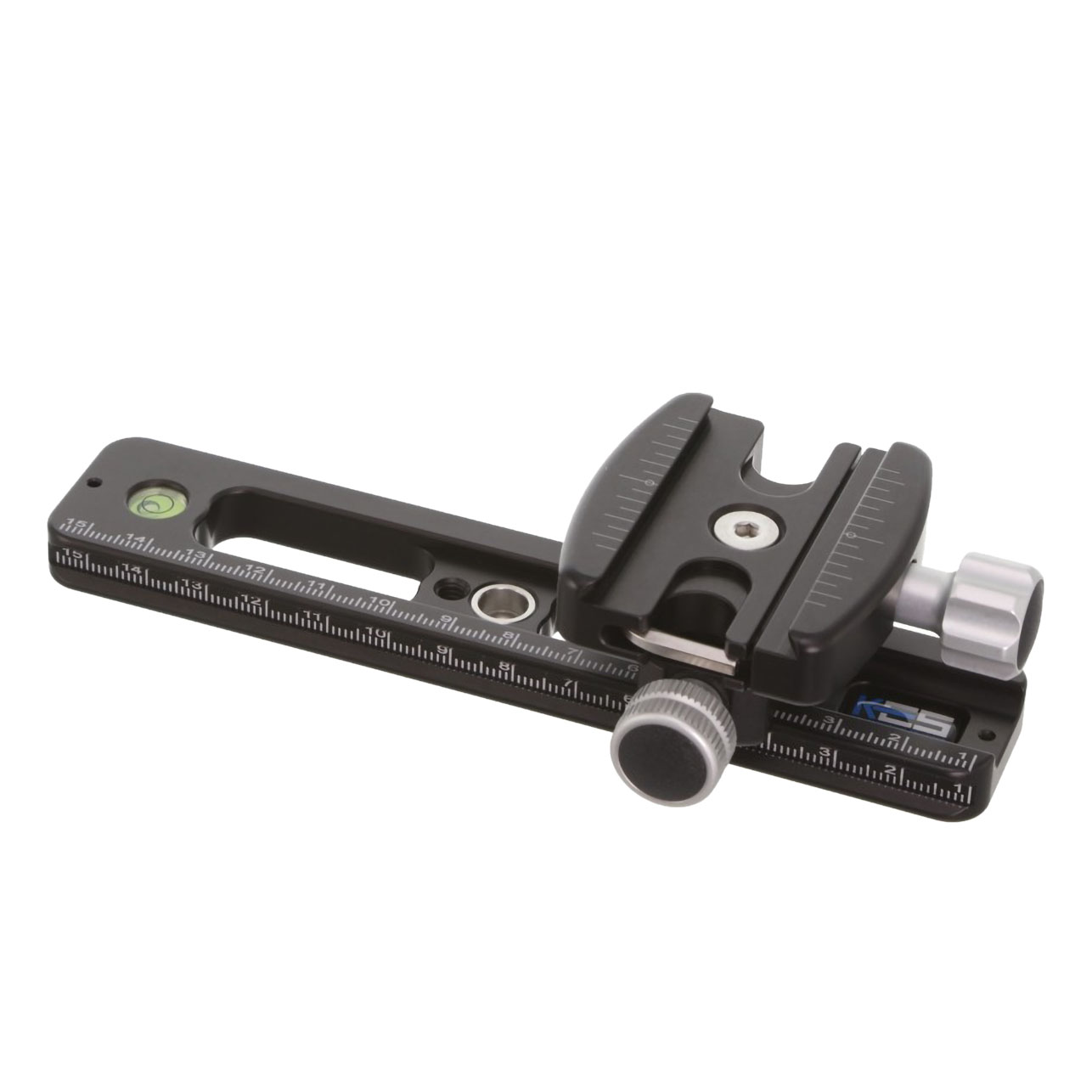
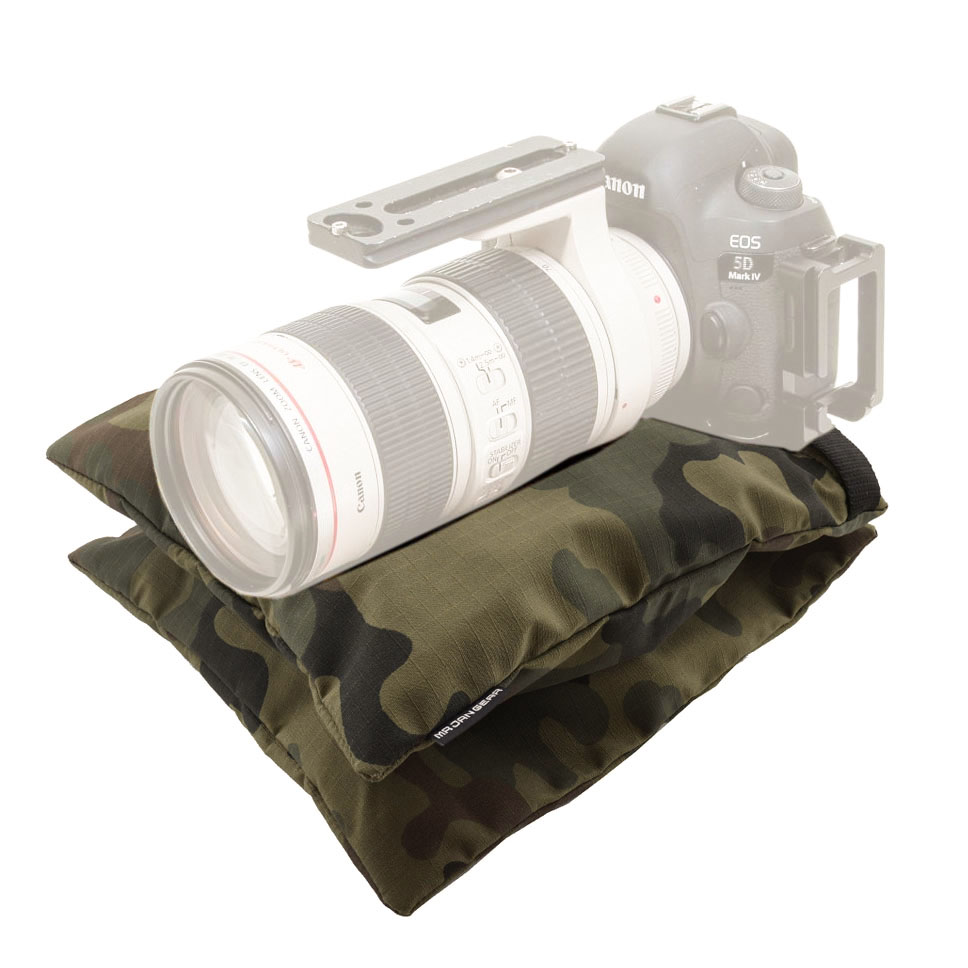
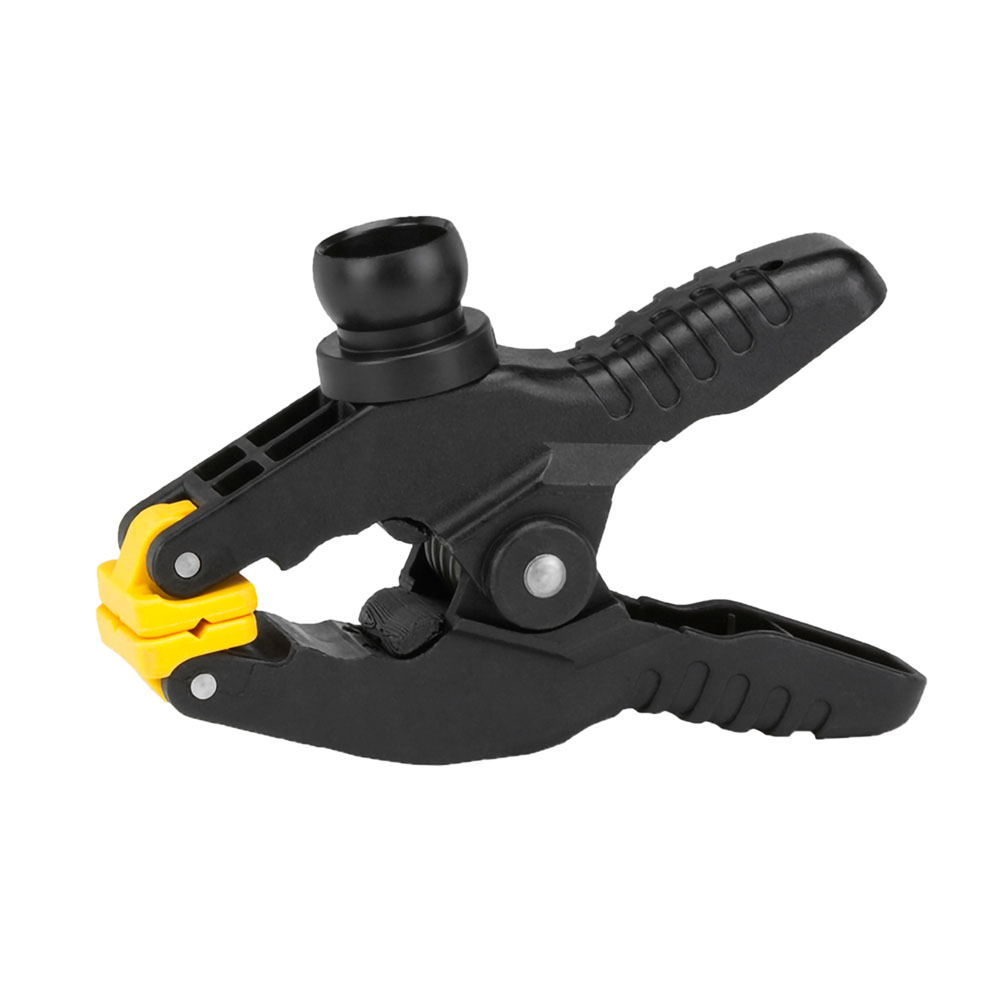
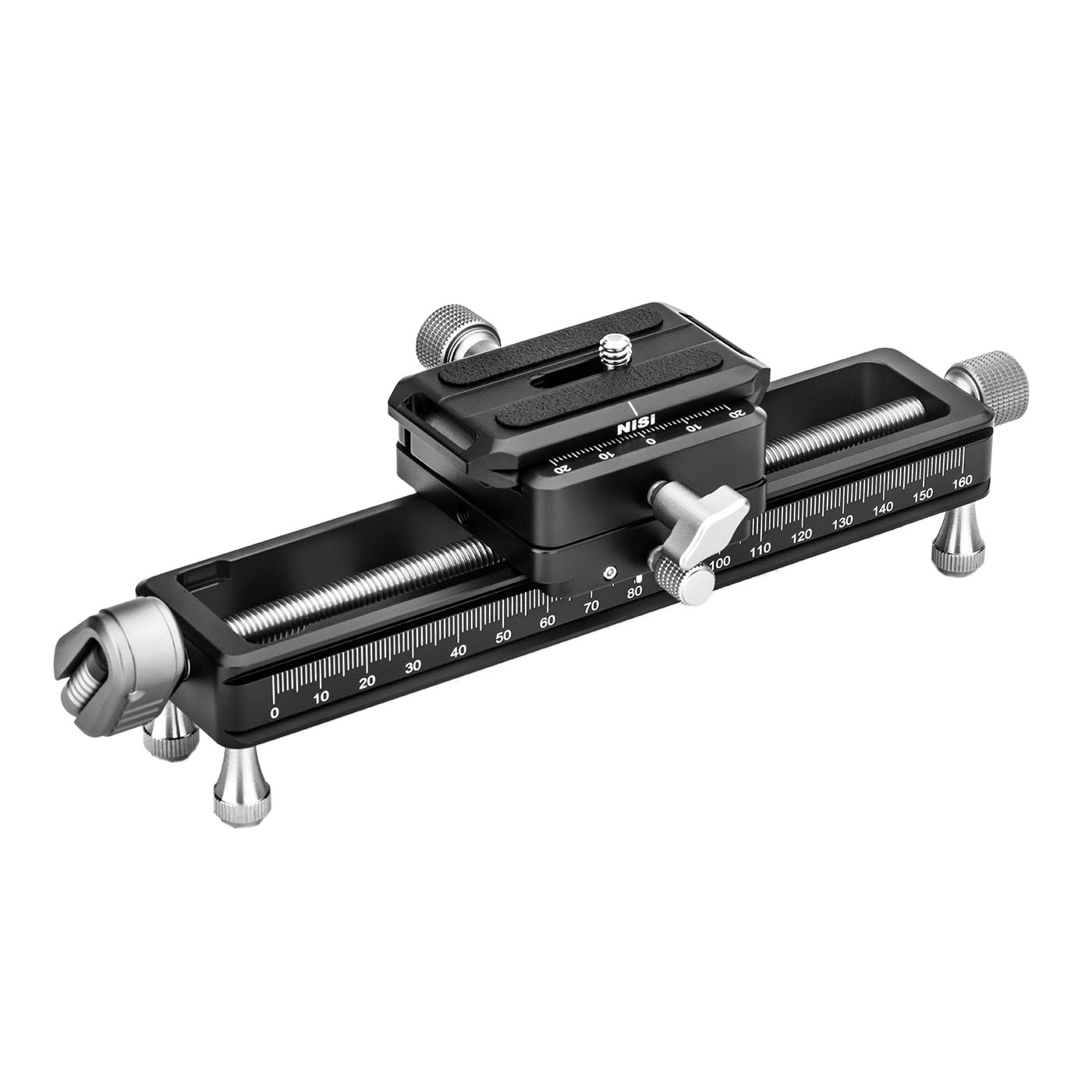
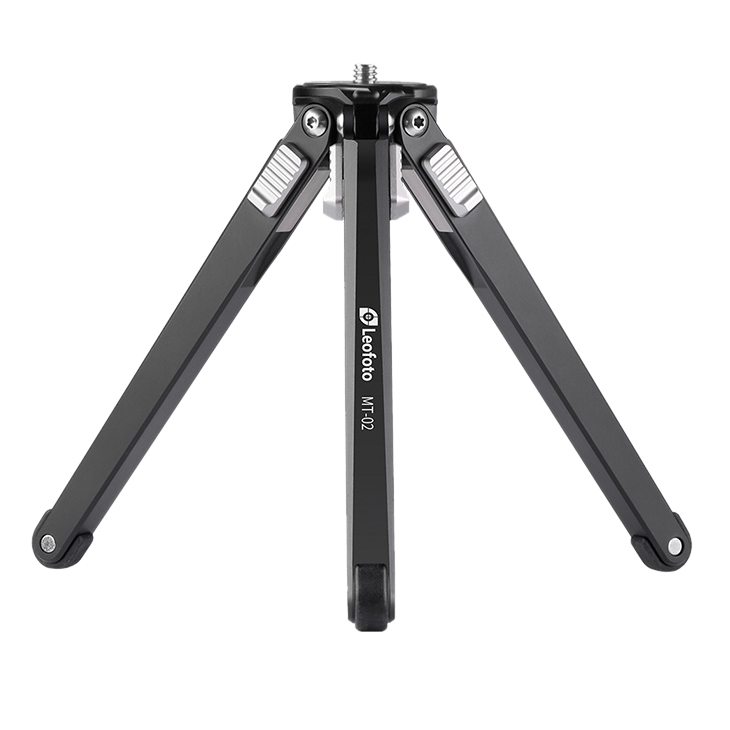
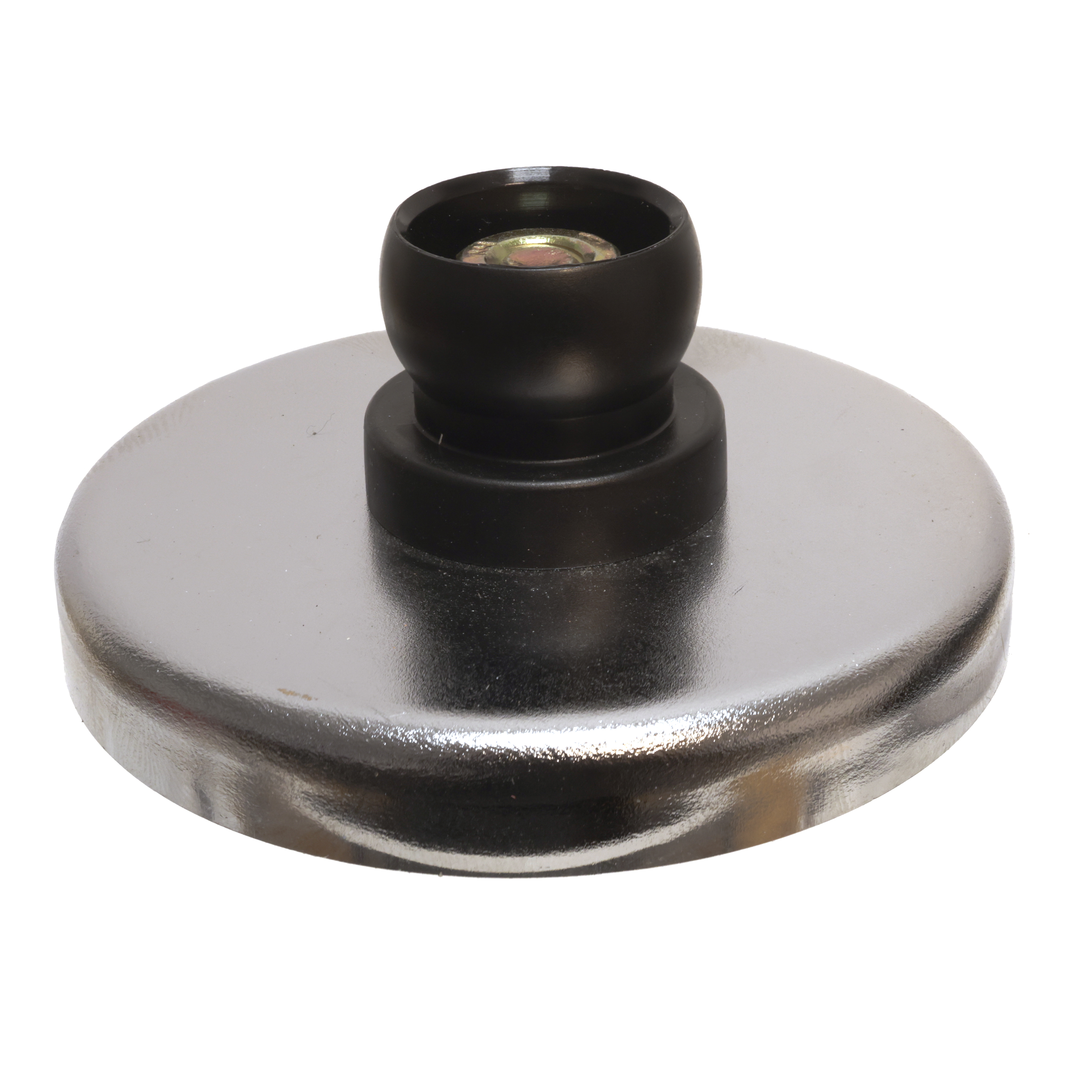
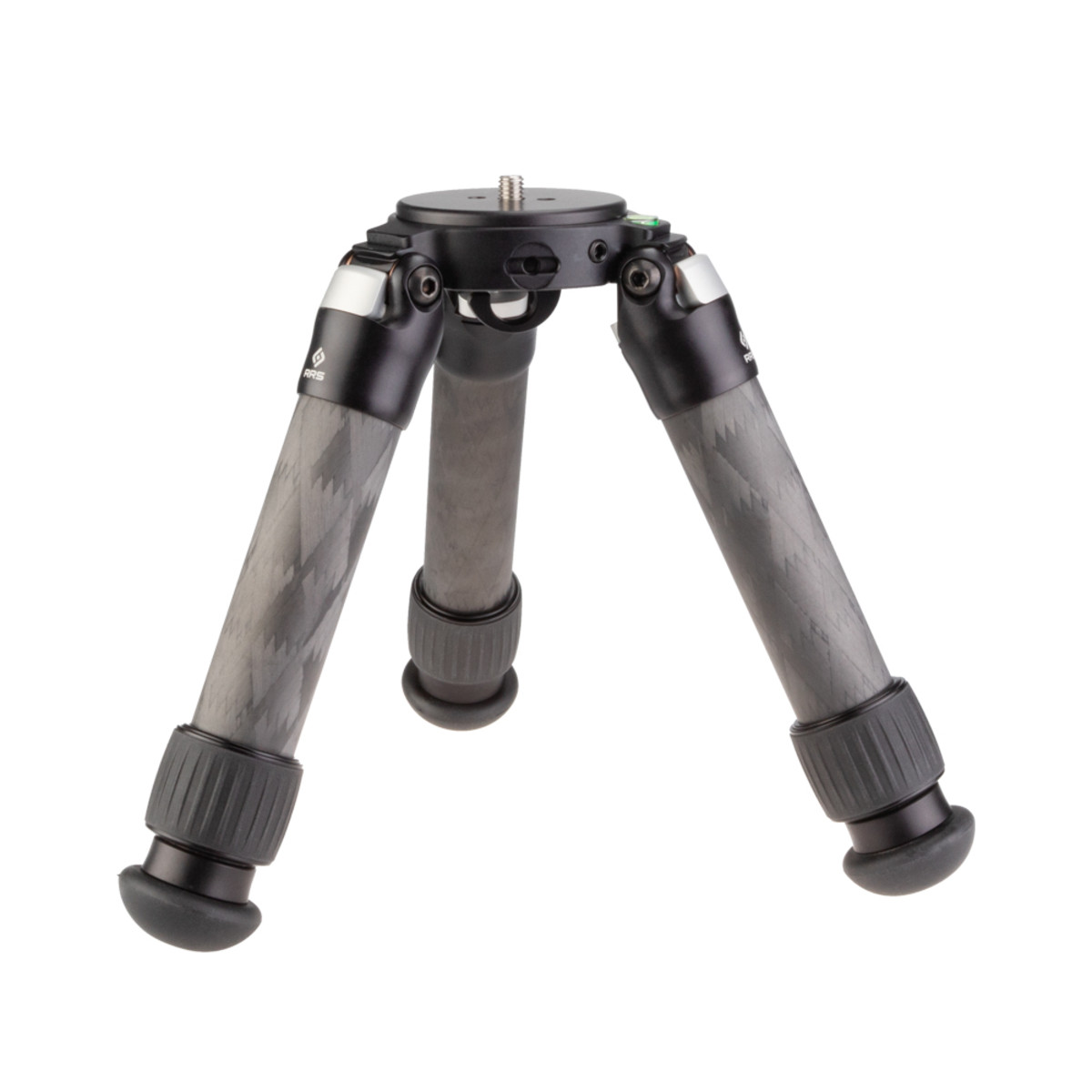
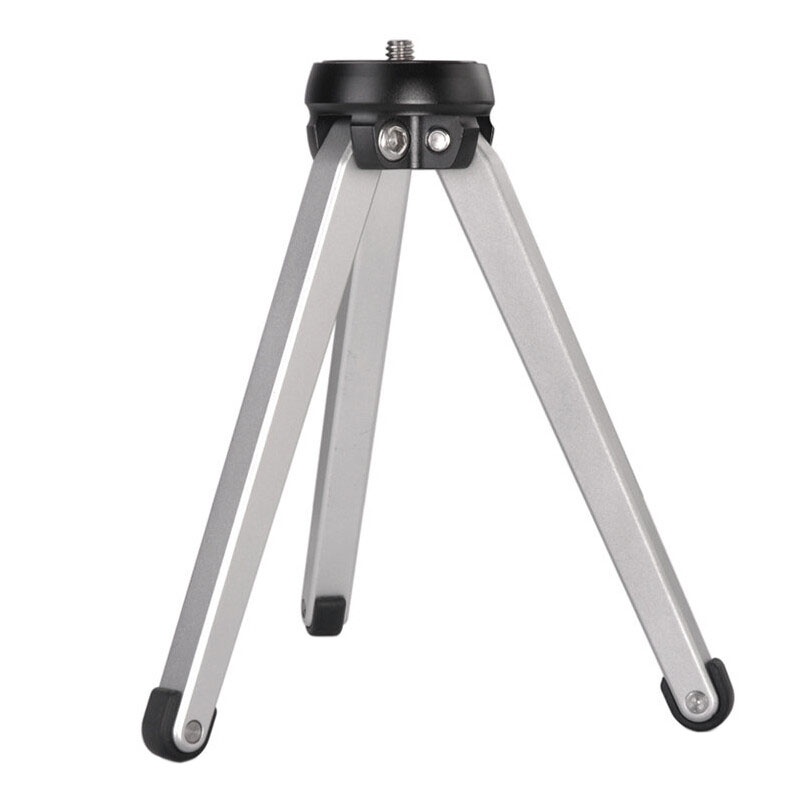
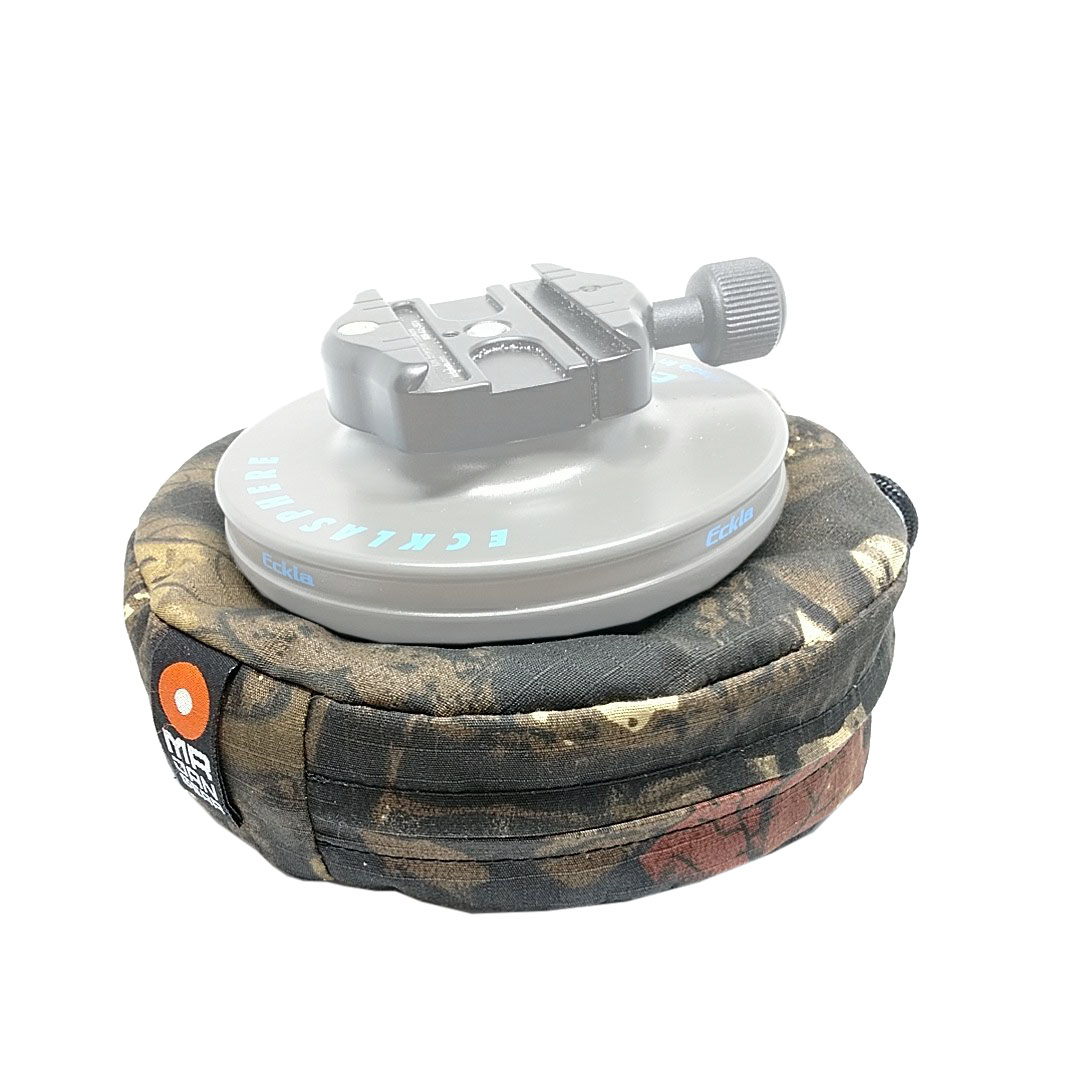
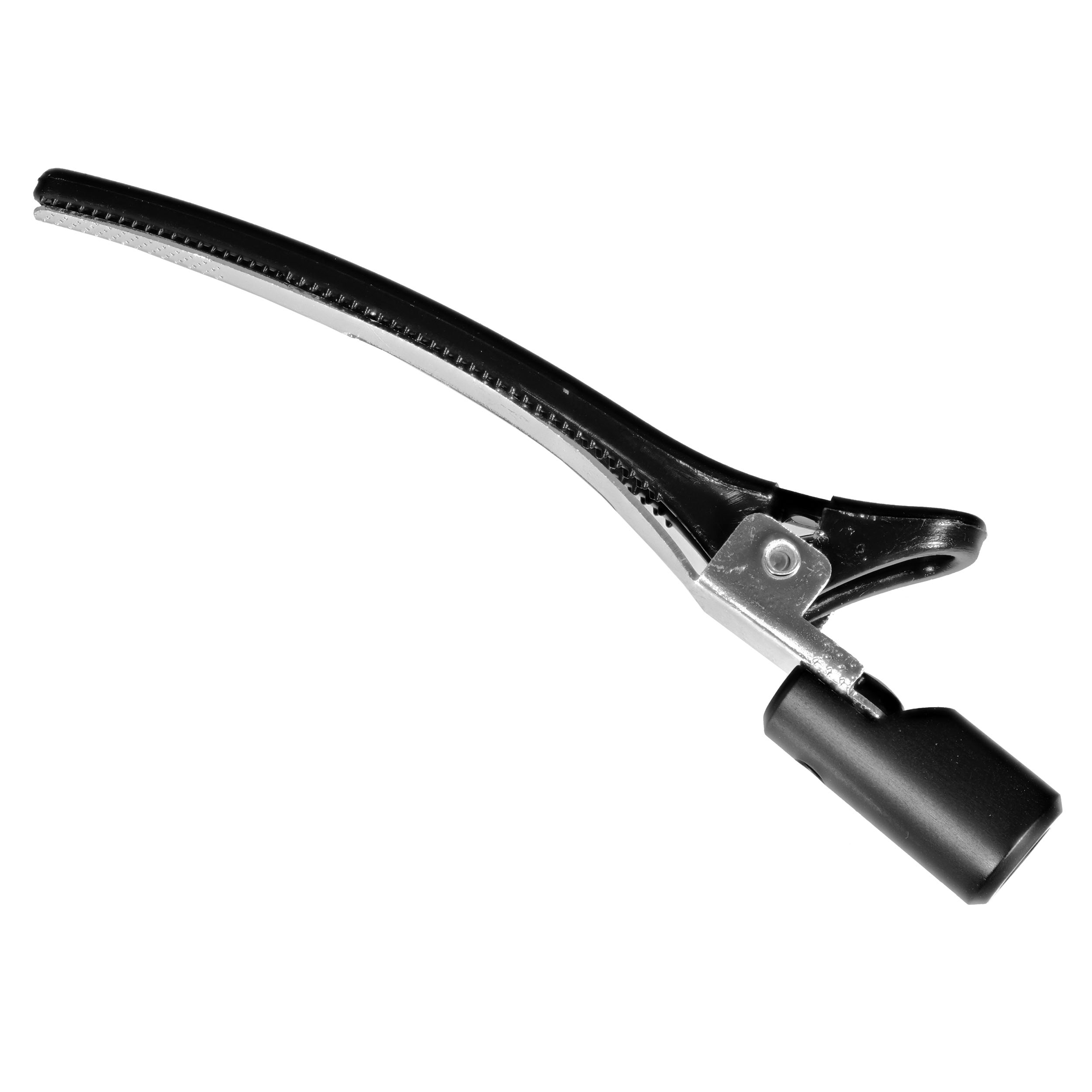
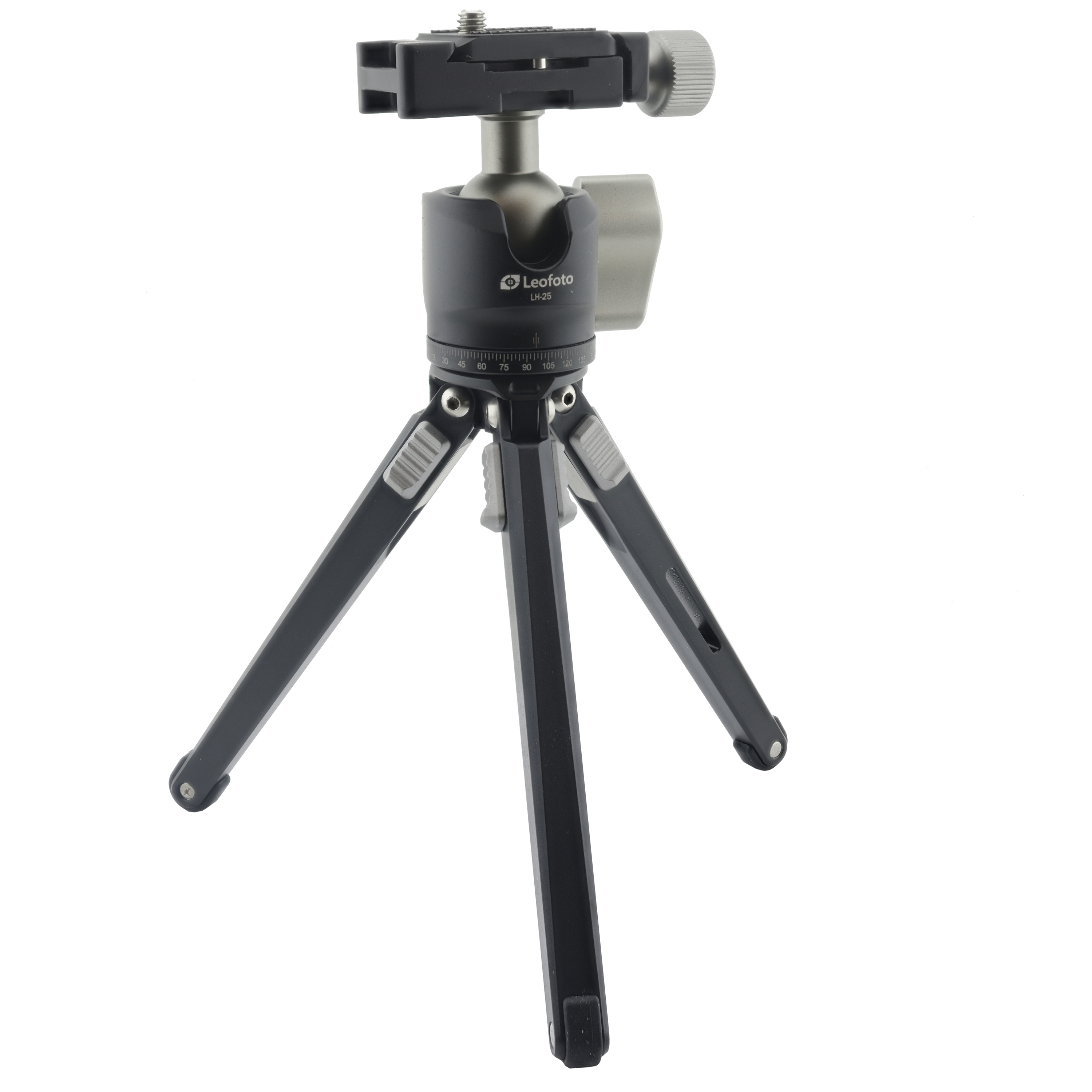
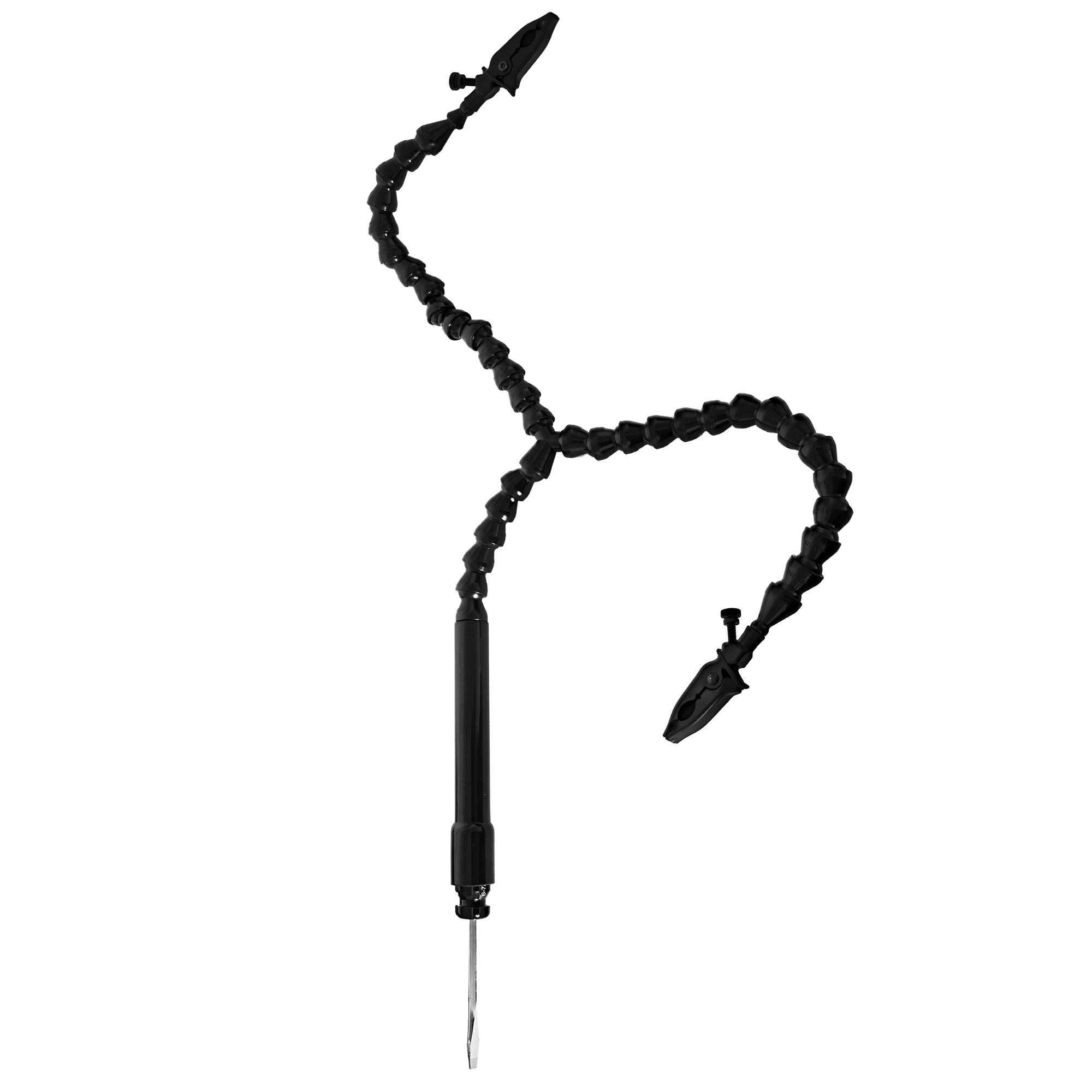
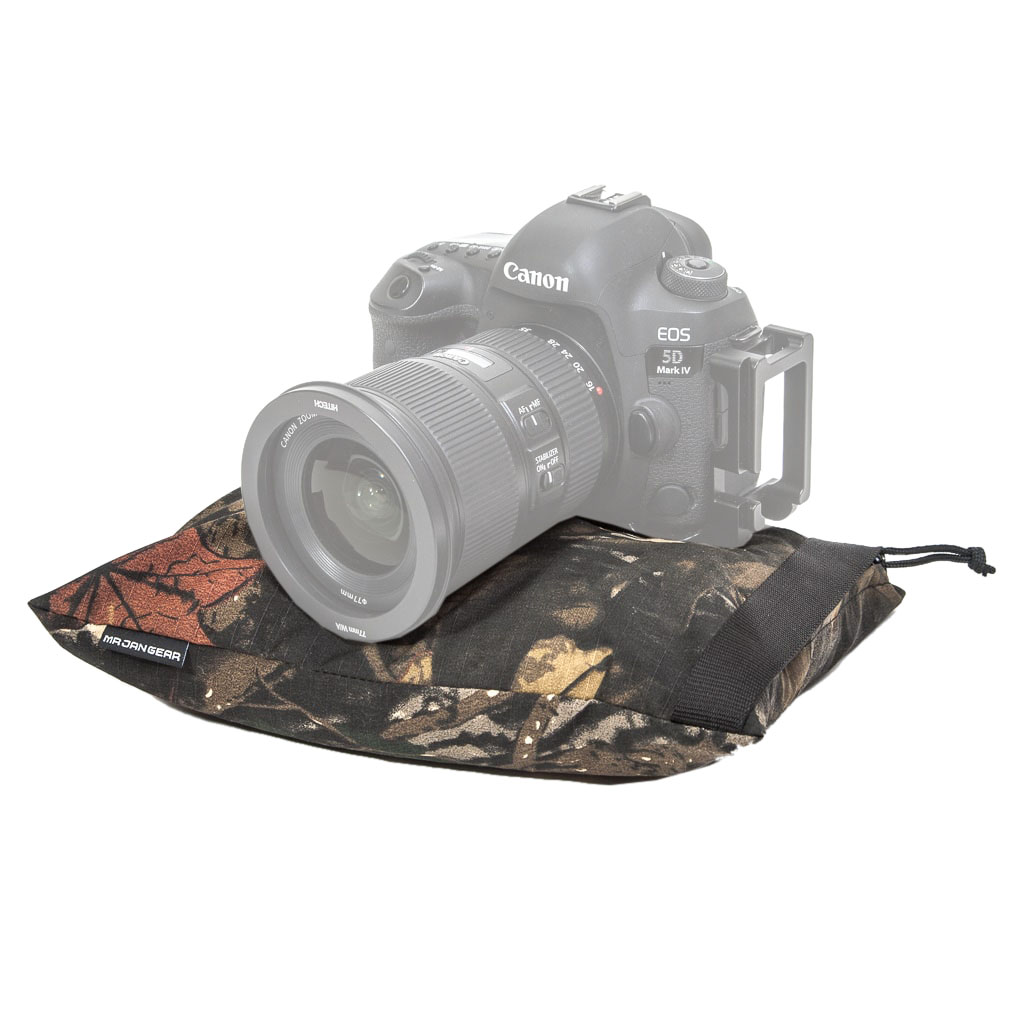
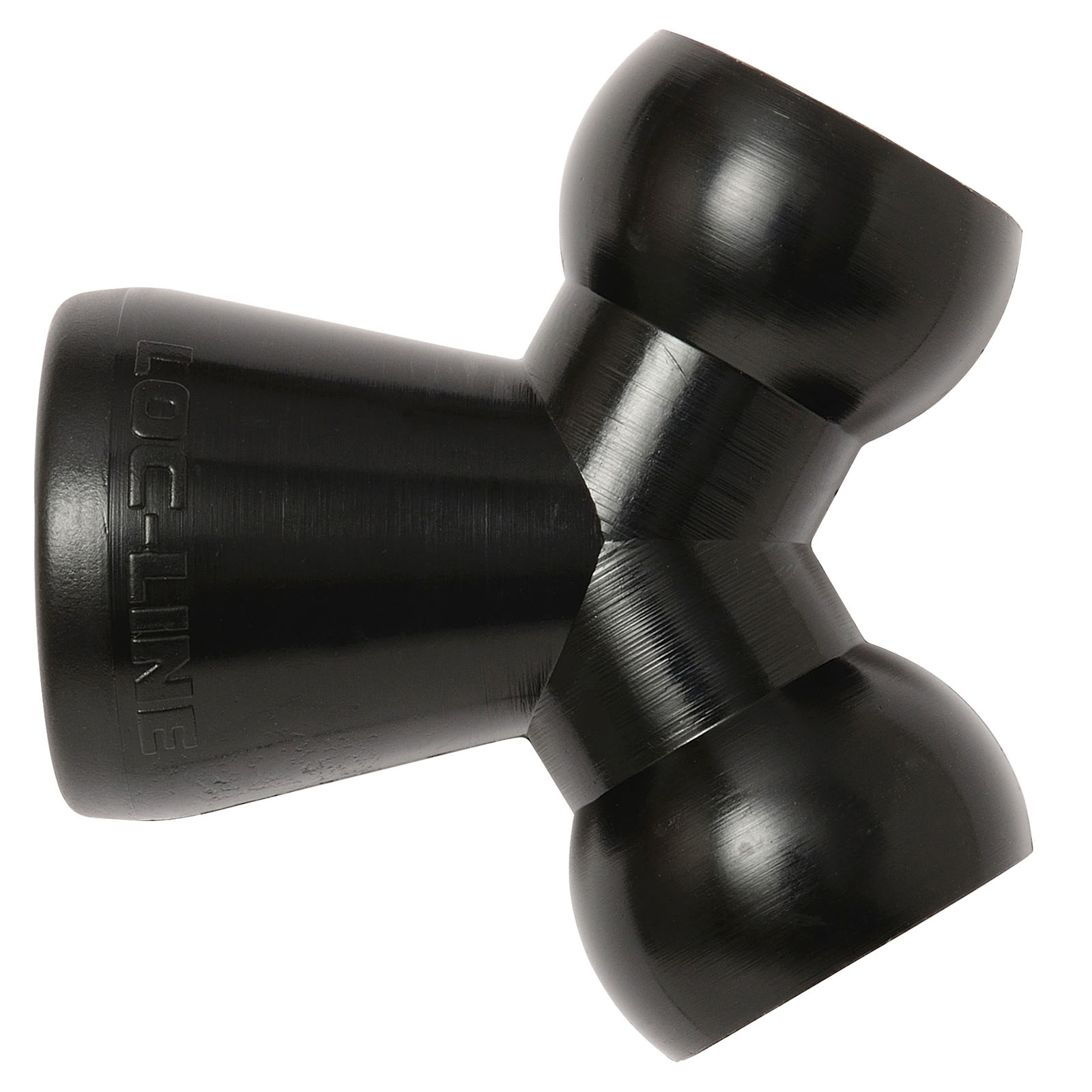
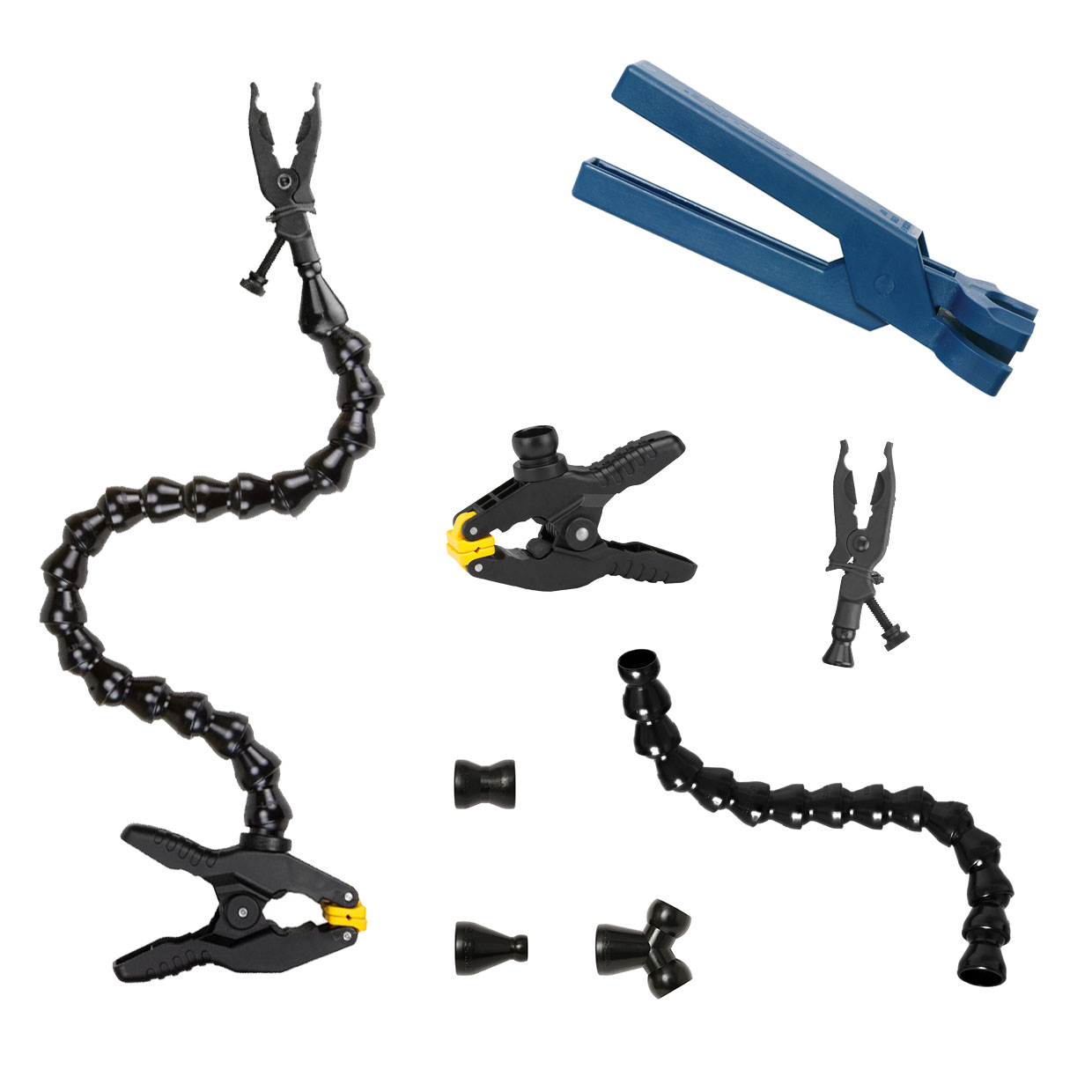
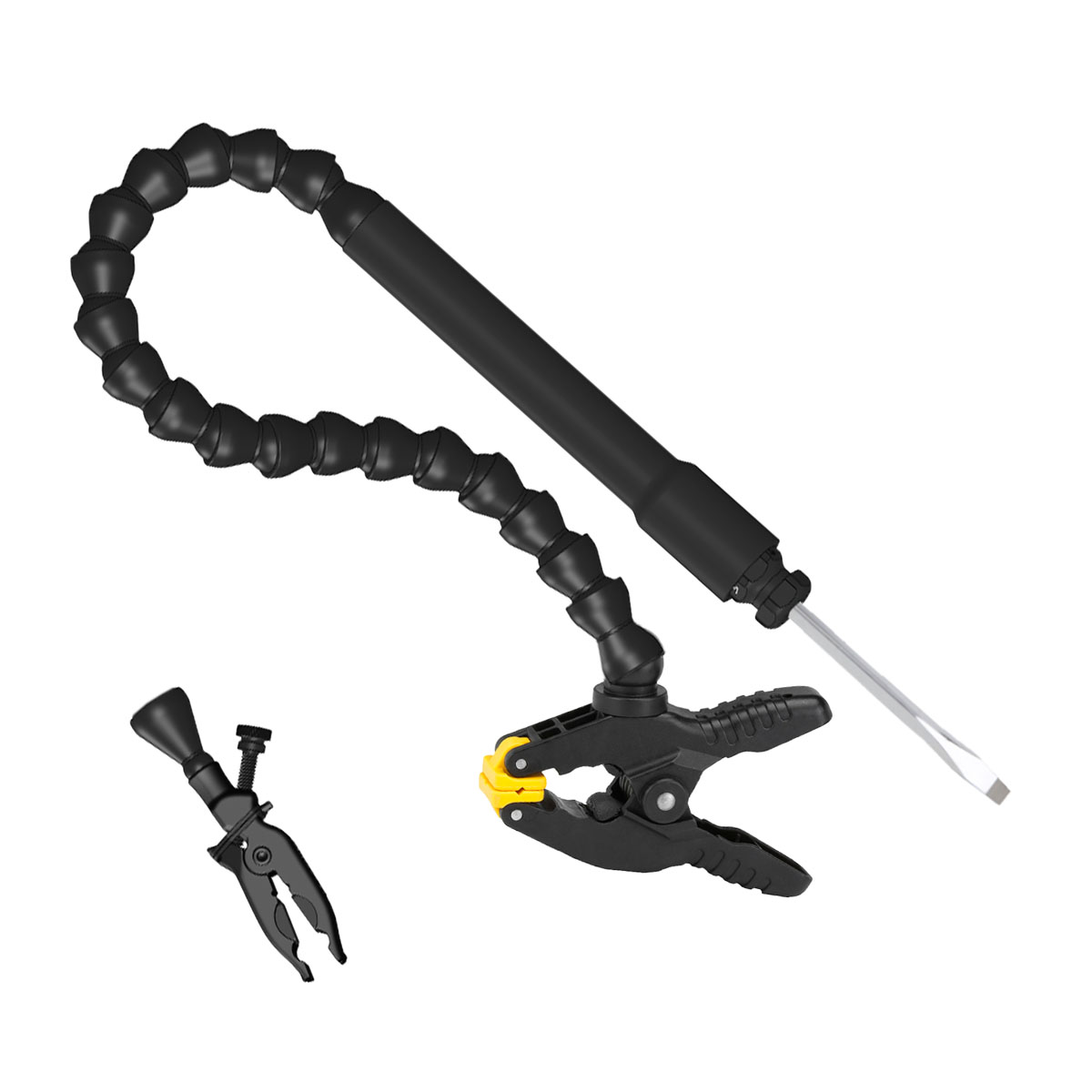
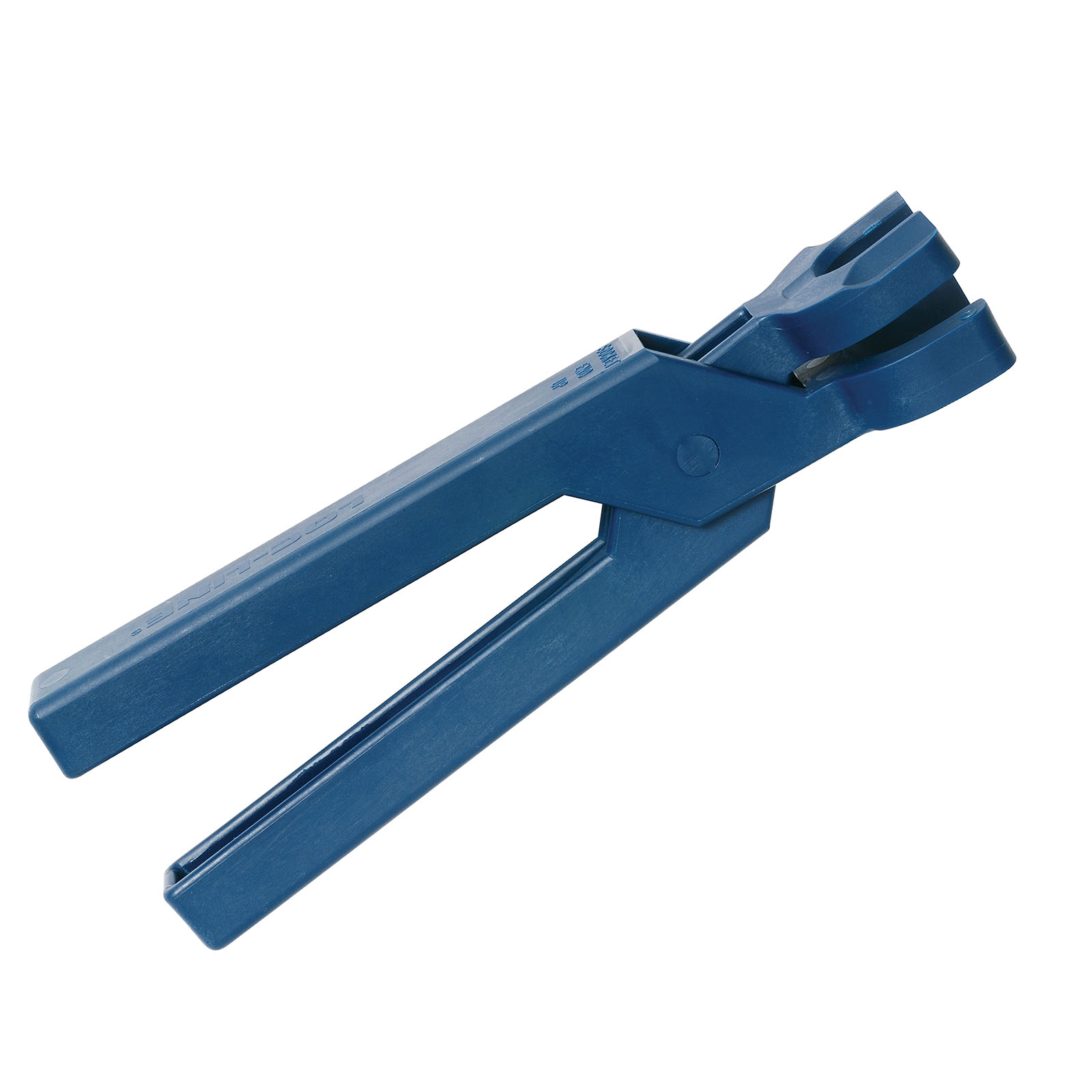
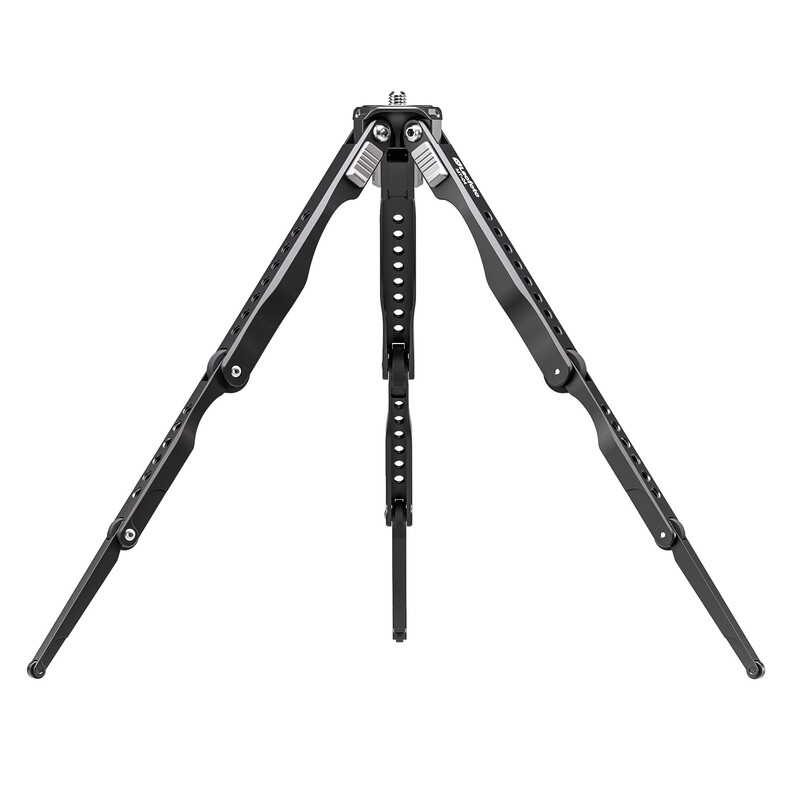
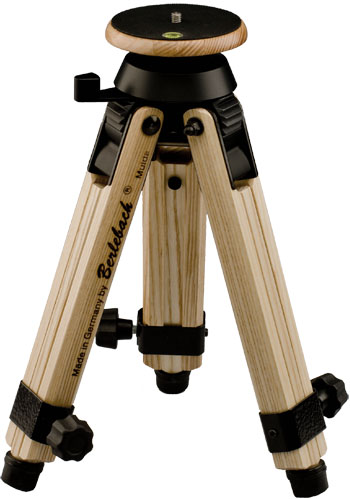
Macro accessories for detail lovers, your Macro category
Introduction
Sometimes you only notice while editing on the computer how much slipped away in your subject: a leaf out of place, a blurry insect, the focus just a tad off. This is exactly where the Macro category comes in: with well‑thought‑out macro accessories that help you photograph these tiny worlds in a more controlled, repeatable and, yes, simply more relaxed way.
Macro focusing rails
Precise focus control in the millimeter range
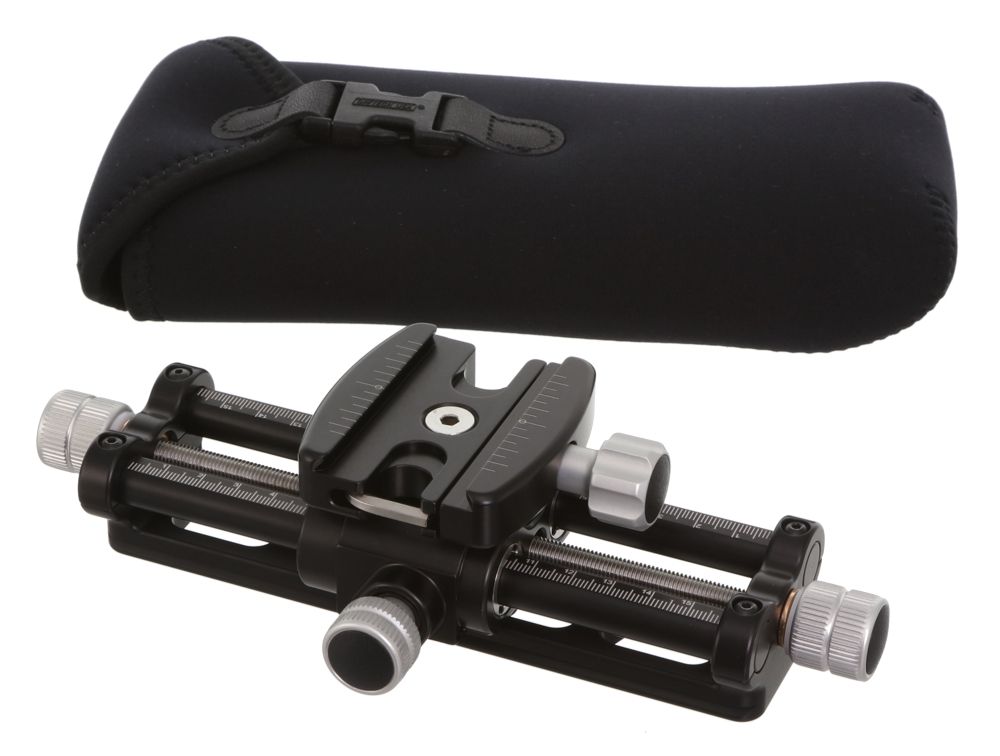
Without macro focusing rails, macro photography is often quite a fiddly affair. You know the situation: you want to place the focus exactly on the eye of a fly, you touch the tripod ever so slightly and bam, everything shifts. With a stable, finely adjustable macro rail, you move your camera forward and backward in a controlled way, often in fractions of a millimeter, and hit the plane of focus exactly where you want it.
Especially for focus stacking, where you build a single image with maximum depth of field from several shots with slightly shifted focus, a solid macro rail is practically essential. You can move the camera step by step, set reproducible distances, and don’t have to correct “by feel” for every single frame. That saves nerves, time and, honestly, quite a few frustrating failed attempts.
Macro accessories
Macro accessories for stable, clean setups
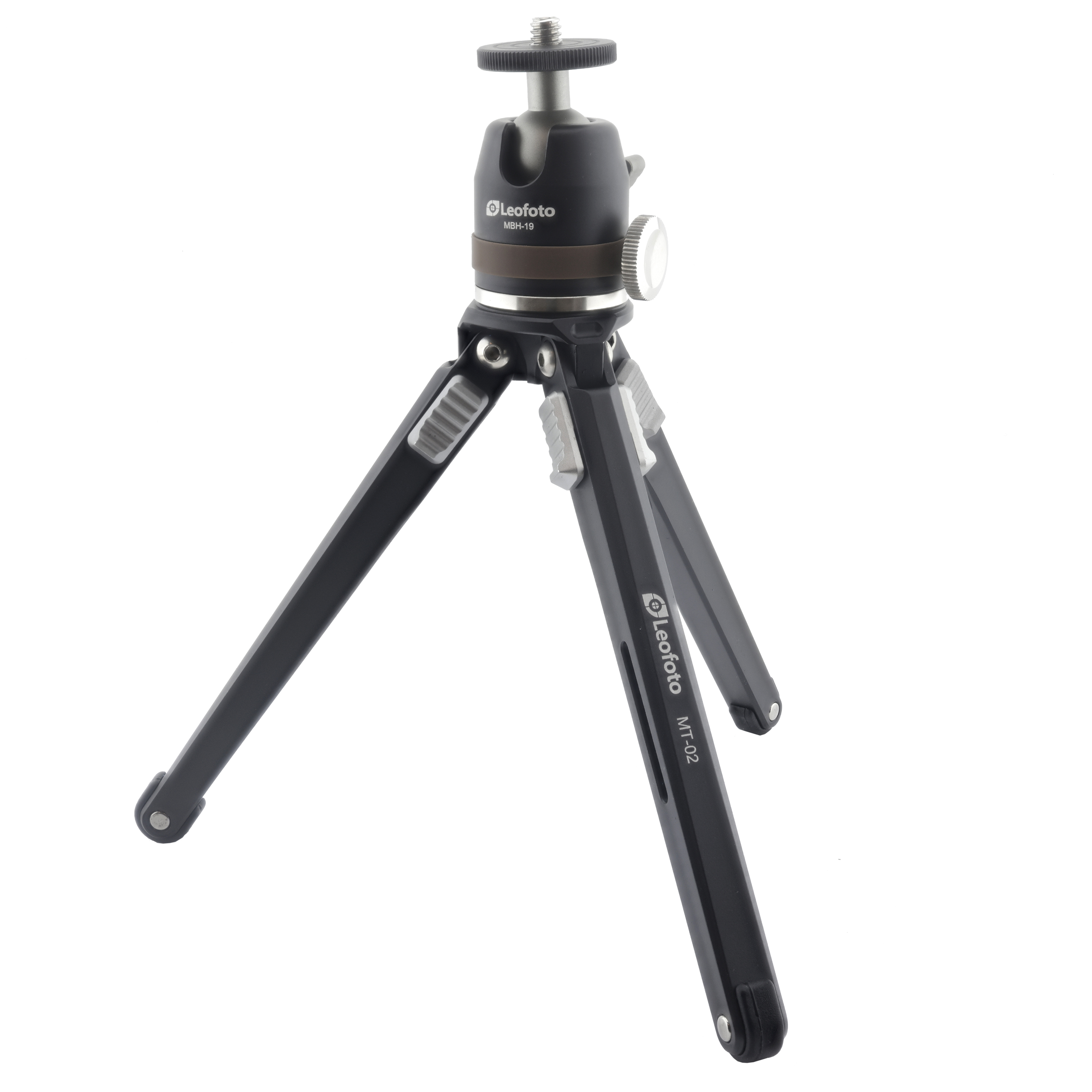
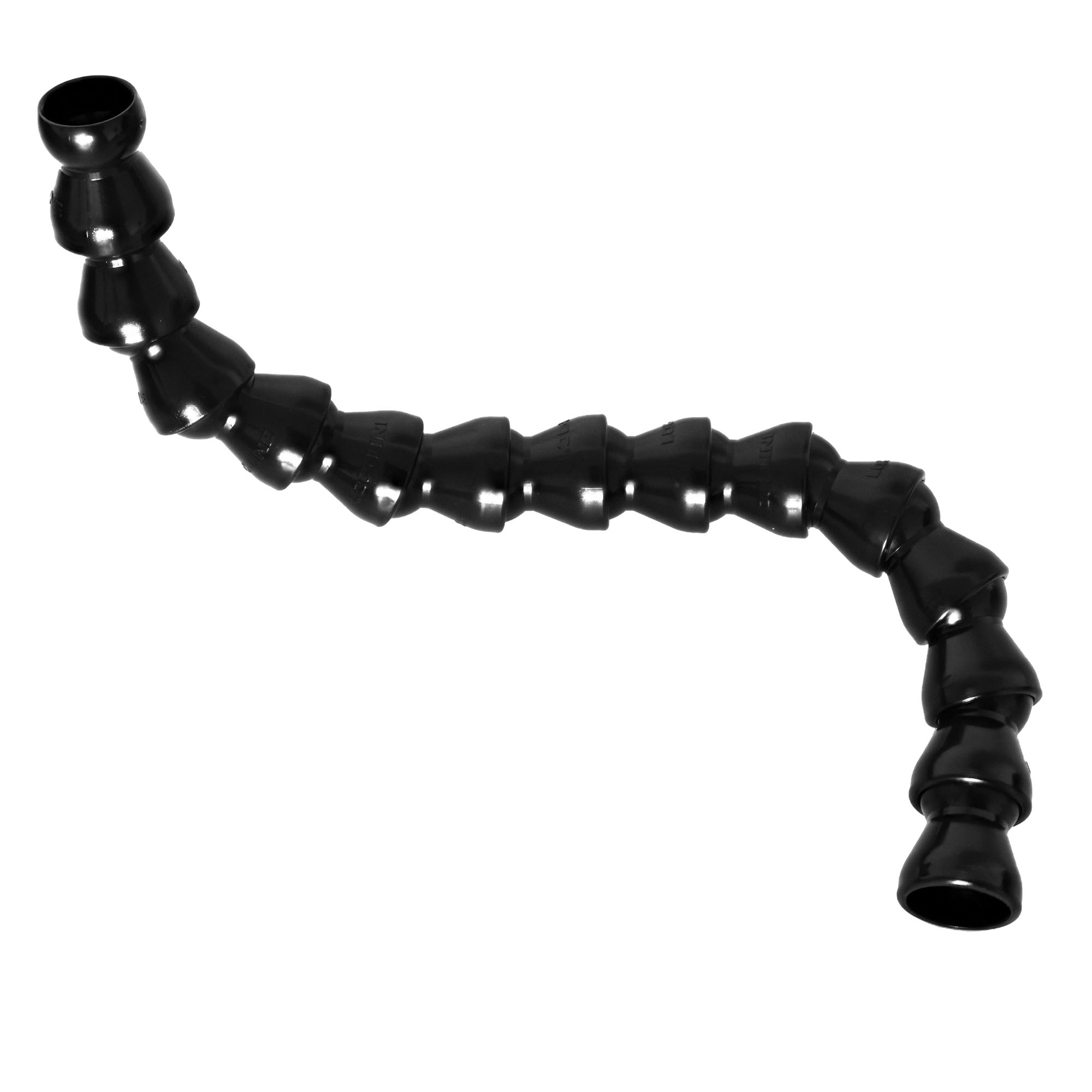
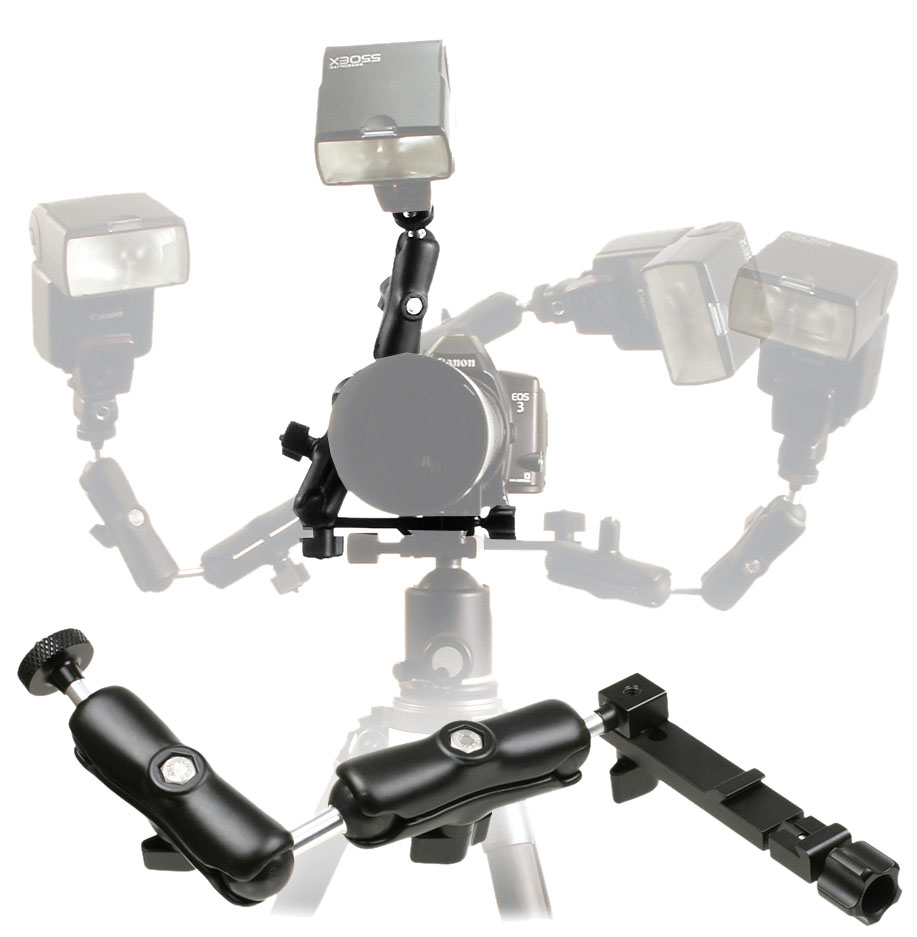
Besides the rail, the rest of the macro accessories play a bigger role than you might think at first. Small mounts, flexible arms, clamps, reflectors, diffusers – these are the unassuming little helpers that turn a wobbly improvised setup into a controllable macro setup.
Whether you’re shooting mushrooms in the forest, jewelry in a home studio, or technical components for product photos: with the right macro accessories you secure your subjects, control the light and reduce vibrations. And if you’ve ever tried to capture a leaf in the wind at 1:1 magnification, you know how valuable every form of stability is; even the slightest breath of air can ruin your sharpness.
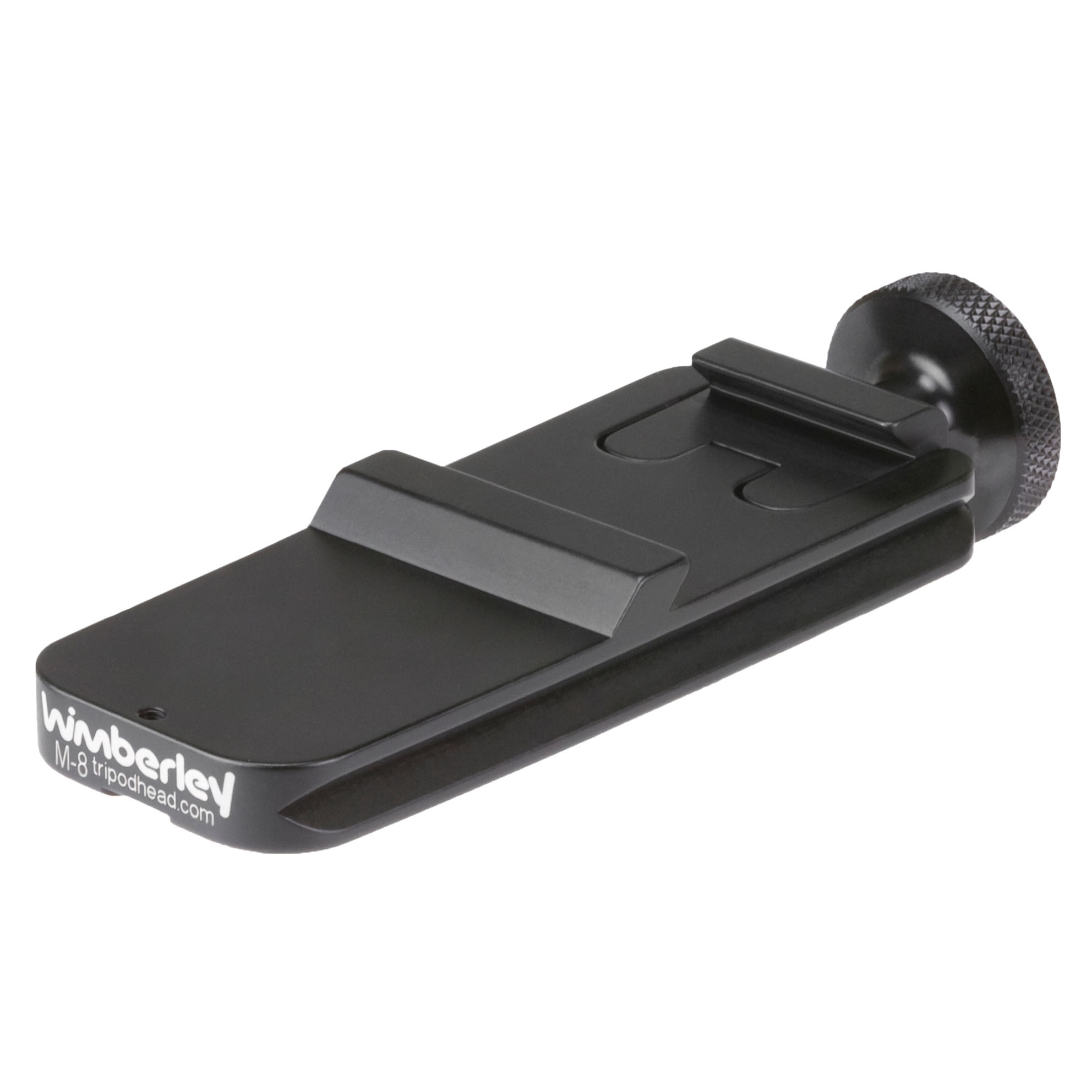
Wimberley Plamp plant clamp
The third (or fourth) pair of hands
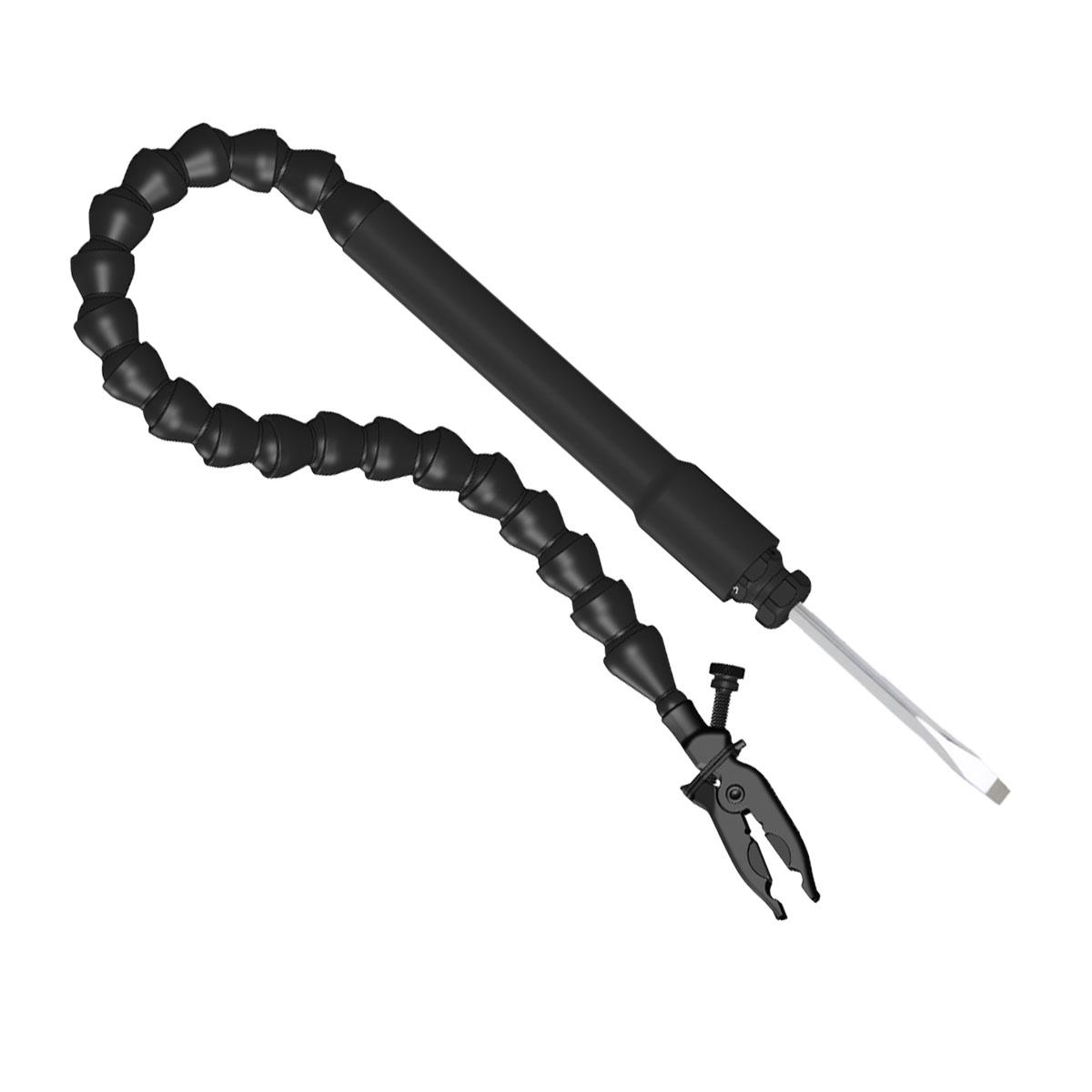
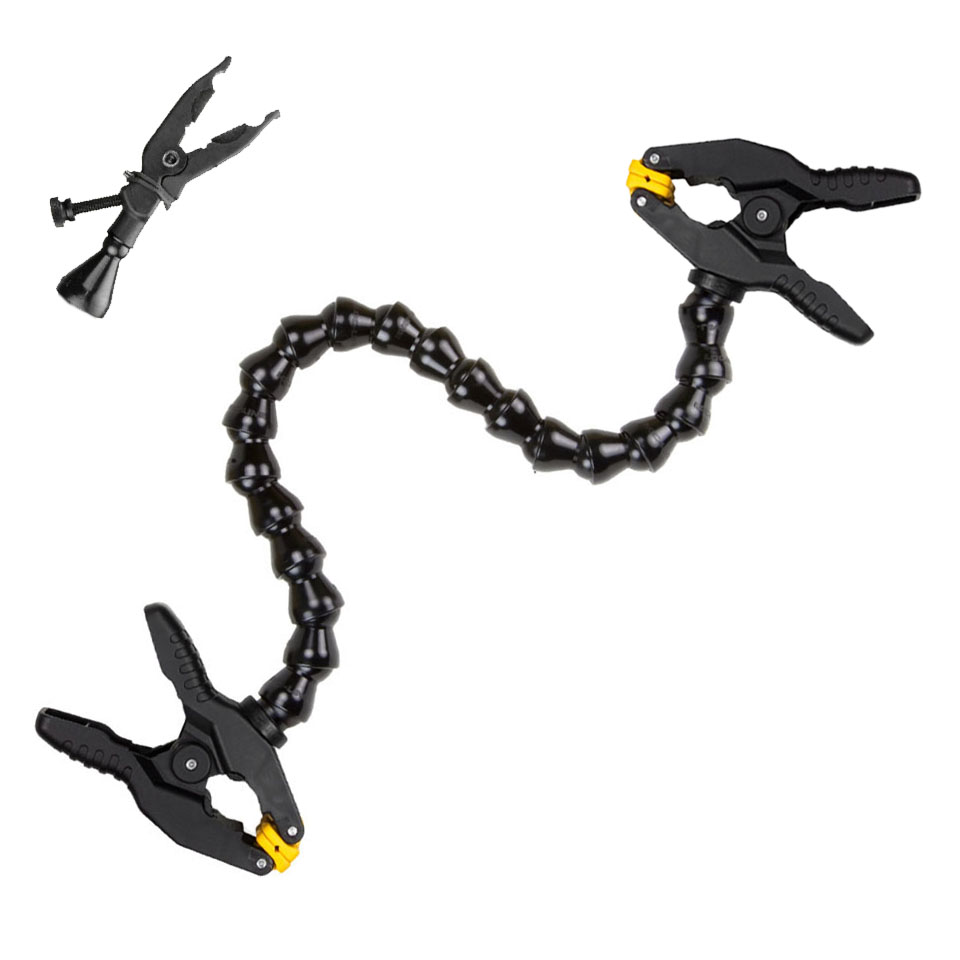
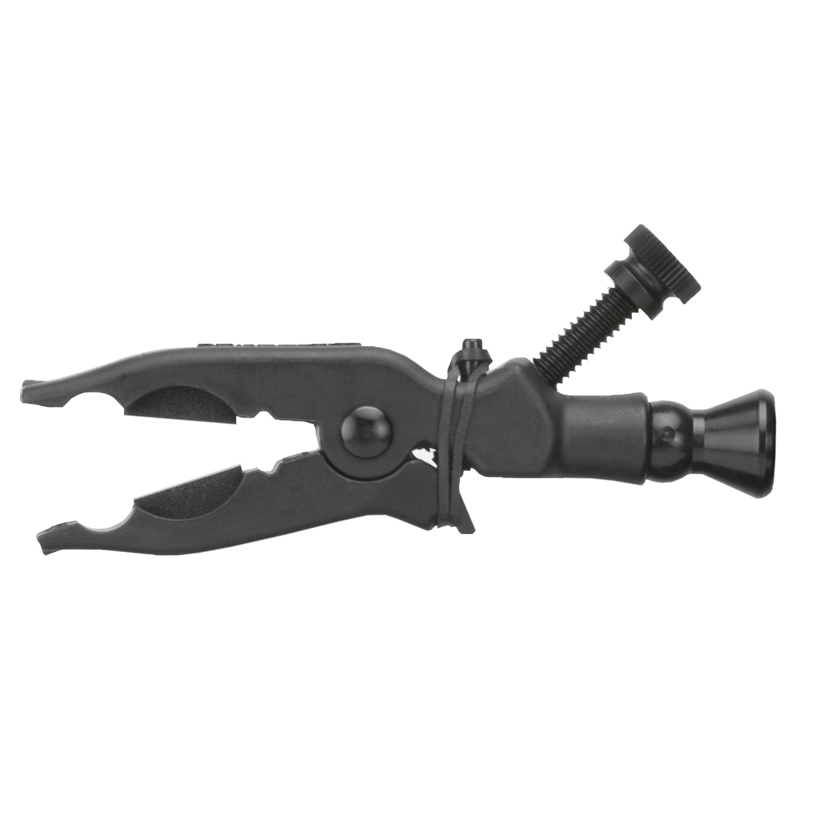
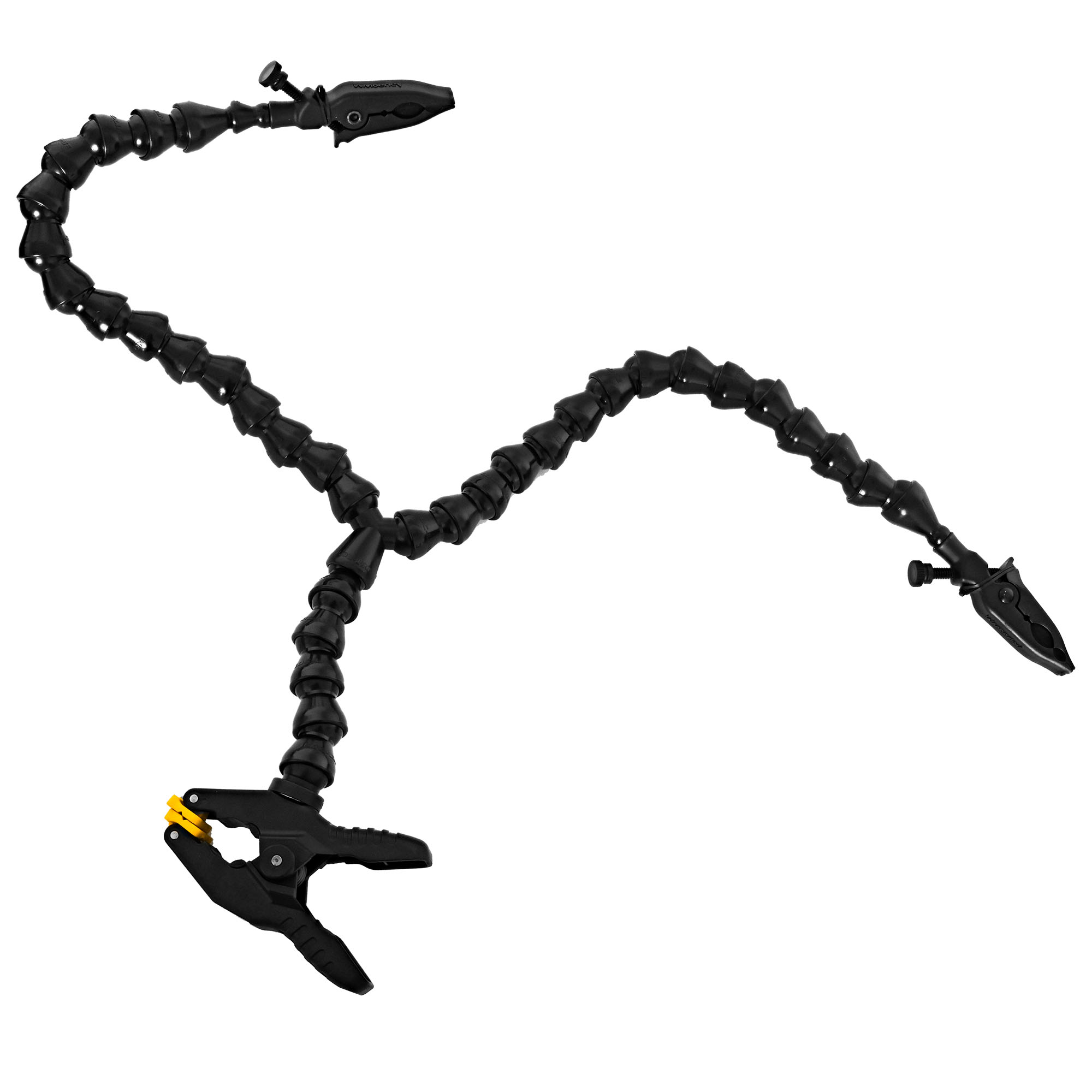
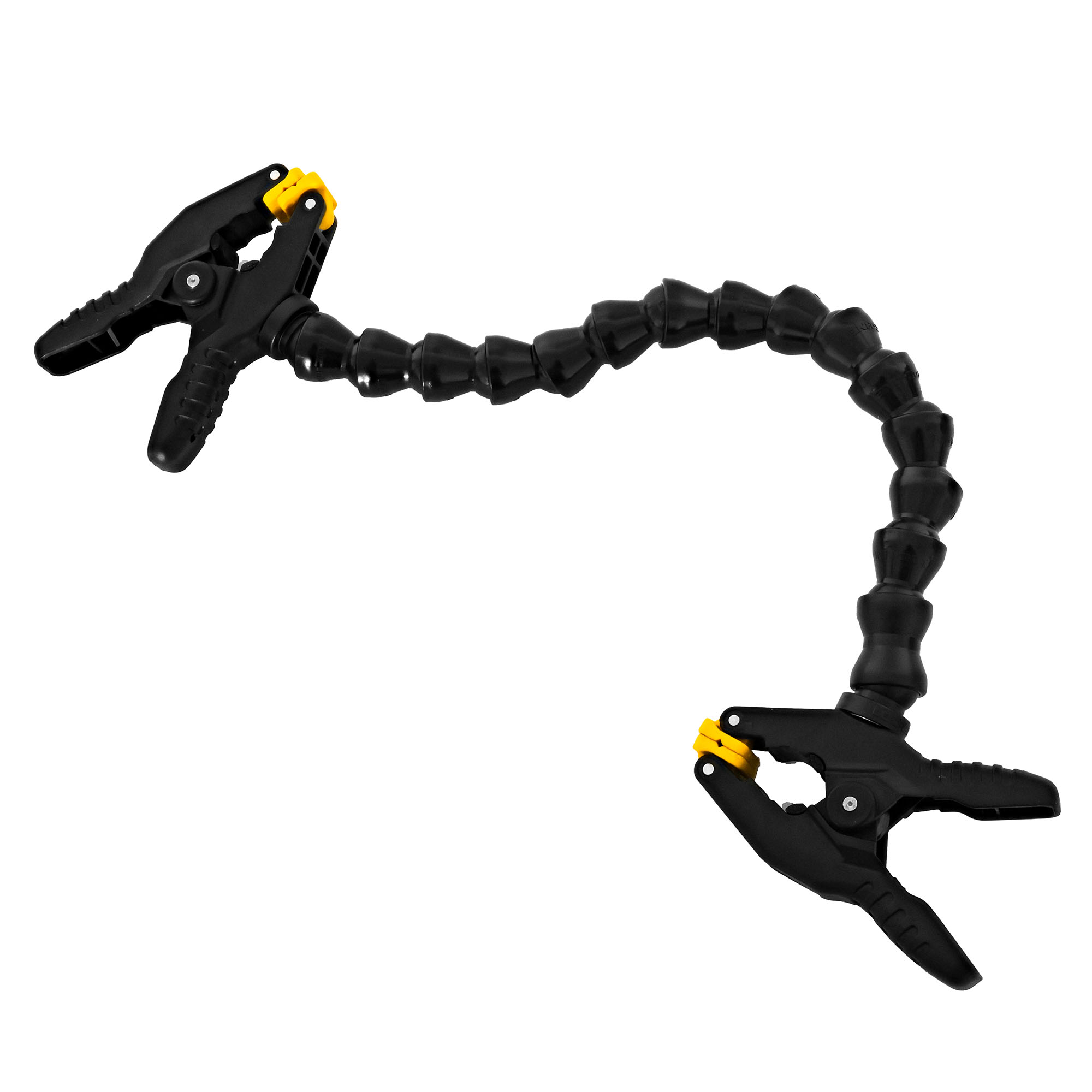
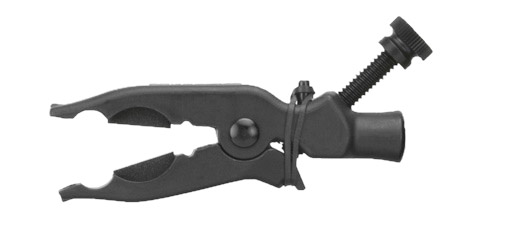
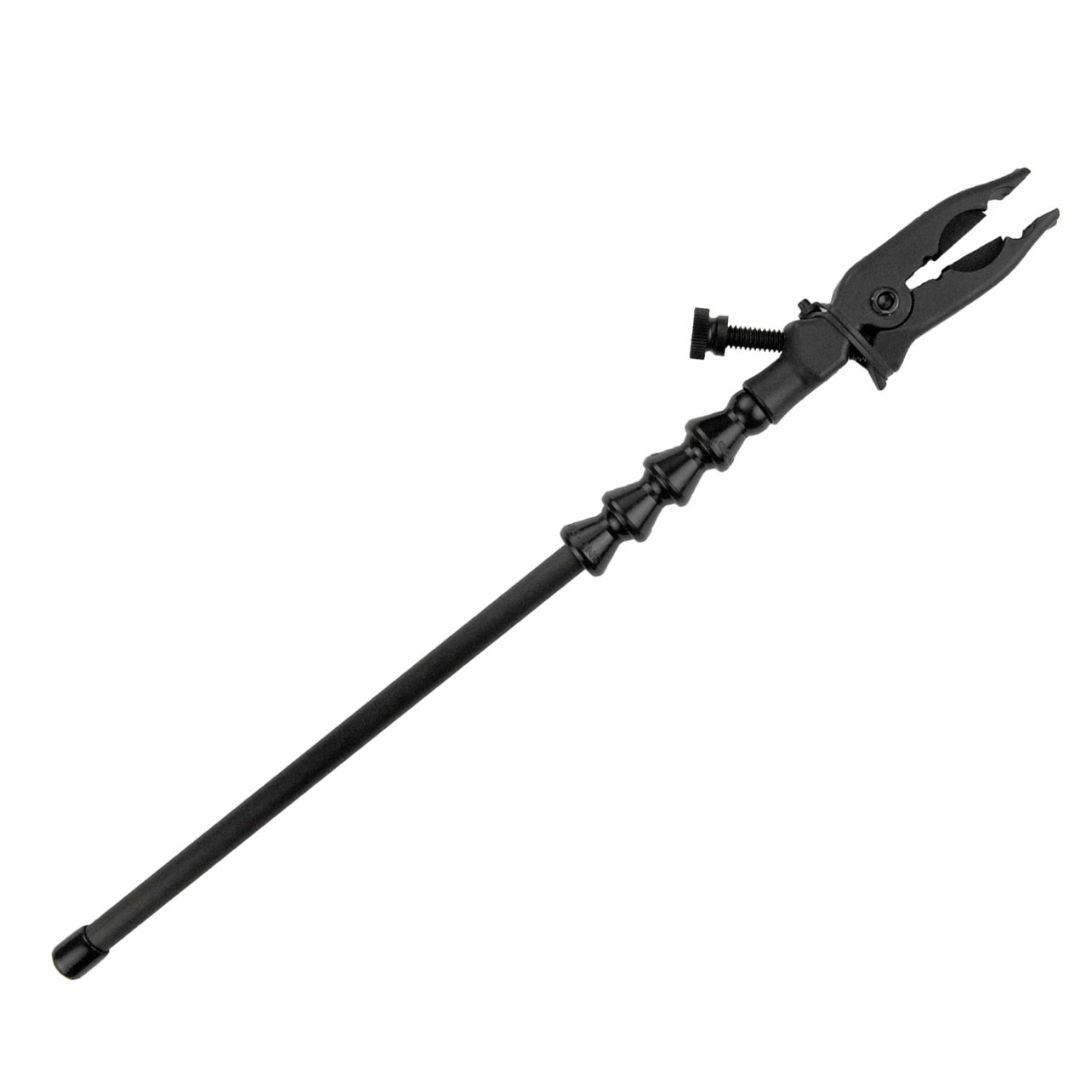
Particularly exciting, and in the field almost something of an insider tip, is the Wimberley Plamp plant clamp in various versions. It may sound unspectacular, but in practice it’s worth its weight in gold. This flexible clamp holds plants, leaves or thin branches exactly where you want them, without your hand getting into the frame or unnecessarily squeezing the subject.
With the Wimberley Plamp you can, for example, gently stabilize a stem to dampen movement in the wind, position a background card behind a blossom, or place a small reflector so that the shadows become softer. And yes, sometimes it simply holds that one stubborn leaf out of the frame that would otherwise keep cheekily intruding into your subject. A small thing, but extremely helpful.
Who is the Macro category for?
If you only occasionally snap a flower up close, you might still get by without all of this. But as soon as you notice that macro photography really has you hooked – insects, plants, textures, product details, food at close range – you’ll quickly realize: a good setup is at least as important as the lens.
In this Macro category you’ll therefore mainly find tools for photographers who want to plan their close‑ups deliberately and implement them in a reproducible way. So for you, if you say: “I don’t just want to get close somehow, I want controlled, sharp, repeatable results – and I don’t want to have to improvise half my household every single time.”
Why specialized macro accessories are worth it
Of course, you can jury‑rig many things yourself: stacks of books as a tripod replacement, clothespins, wire, tape. Sometimes that works. But especially with delicate subjects or longer sessions, it becomes clear why specially developed macro accessories make sense: they’re more stable, more finely adjustable, and gentler on your subject.
A high‑quality macro rail allows precise, jerk‑free movements. A well‑designed plant clamp like the Wimberley Plamp grips securely without leaving marks. And overall, your setup suddenly looks less like a “DIY basement” and more like a “well‑thought‑out macro workflow,” which ultimately also shows in your images.
Your path to better macro shots
Ultimately, none of this is about loving gear for its own sake, but about gaining more freedom in your creative process. When your subject is held still, your focus is spot on, and your light is controllable, you can concentrate on what really matters: image concept, composition, mood.
So take your time browsing through the Macro category, try out what suits your style, and gradually build your own reliable macro setup. Maybe you’ll start with a macro rail, later add macro accessories like clamps and arms, and eventually realize that you don’t even want to head out without your Wimberley Plamp anymore. It can happen.
BLOG posts
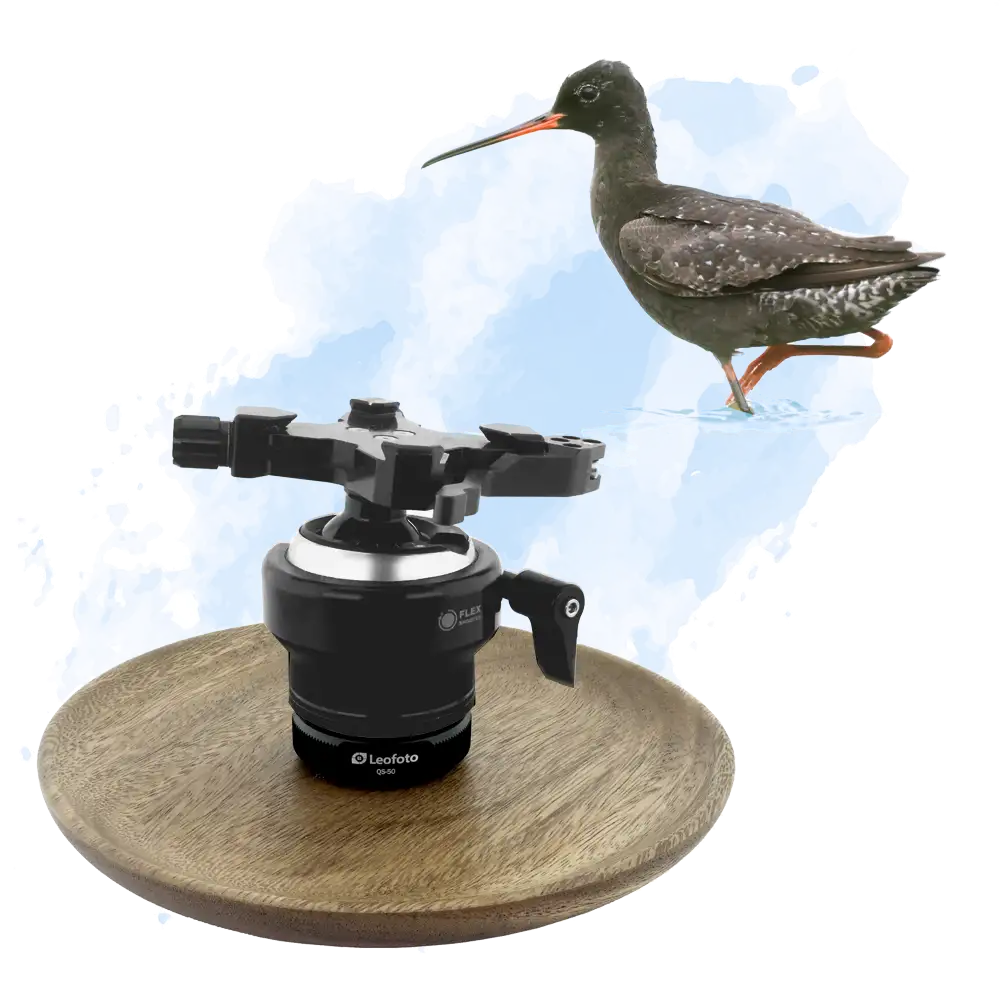
The bird migration has begun...
At the Baltic Sea, I have the opportunity to photograph waders both on the beach and at waters with shallow shorelines or flooded meadows.
On the beach, it is often enough to lie on your stomach and wait for the animals to come within photo distance.
It's quite differen...
not in stock, the item will be ordered for you
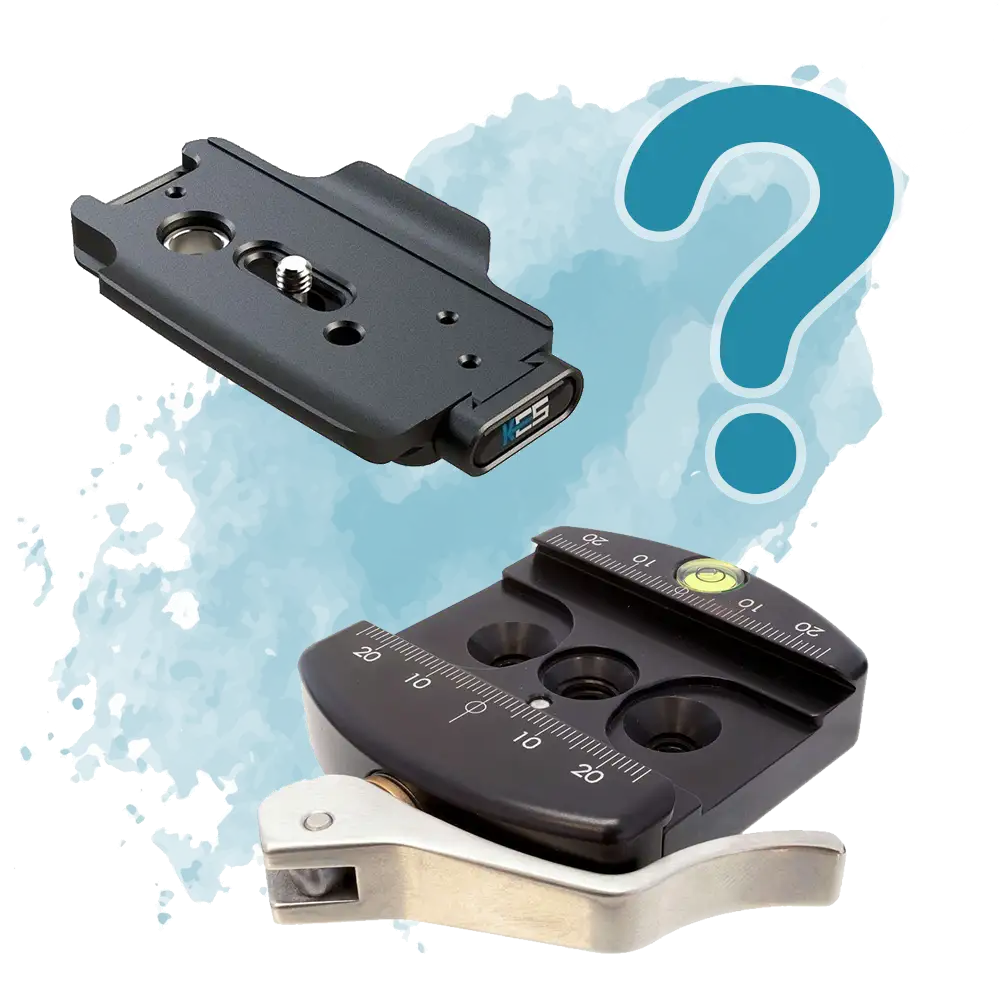
…unfortunately not very much.
In this post, we will gradually test and publish the compatibility of quick release components from various manufacturers.
Listed below, you will find which 38 mm dovetail systems are compatible with each other and which do not fit together.
For this, one must look f...
not in stock, the item will be ordered for you
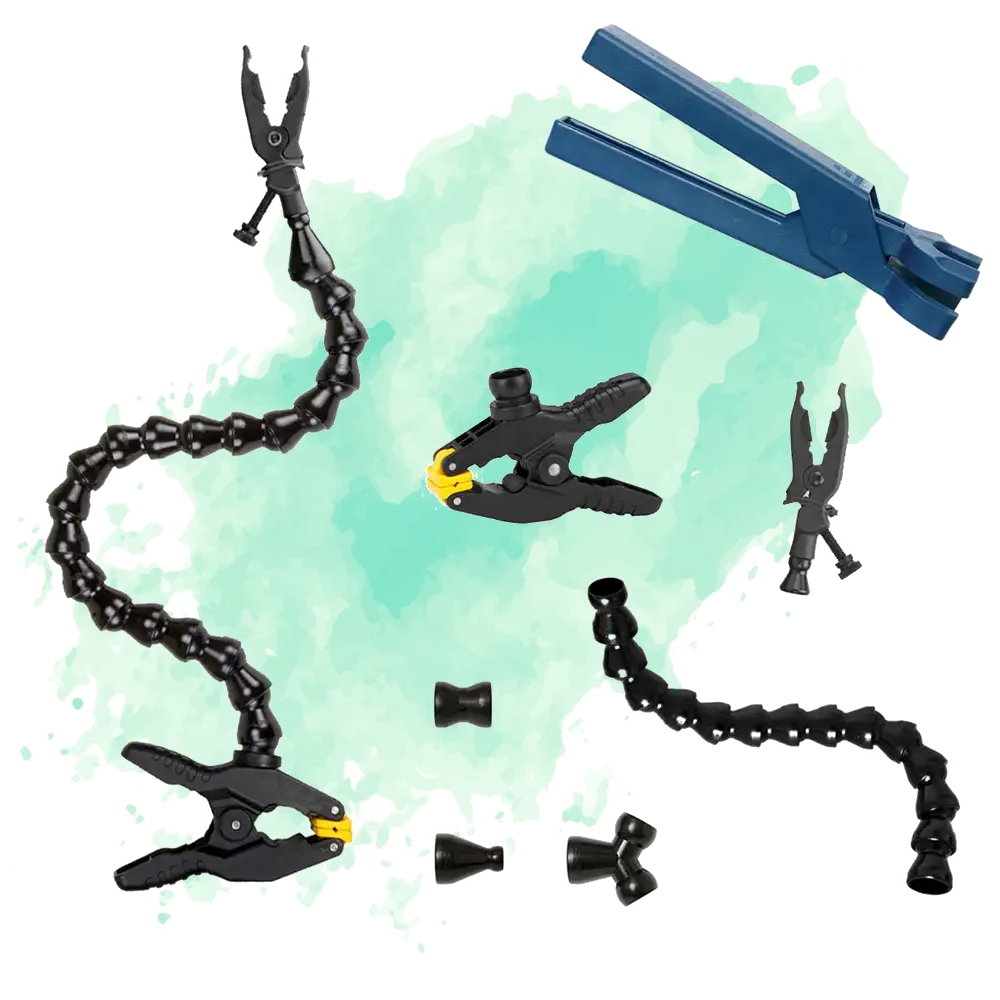
Macro accessories from Wimberley, the Plamp Family for precise macro photography Anyone who seriously engages in macro photography sooner or later stumbles over the same situation: the subject is beautiful, but the light isn’t right, a light breeze tugs at the blossom, and the diffuser is lying some...
not in stock, the item will be ordered for you
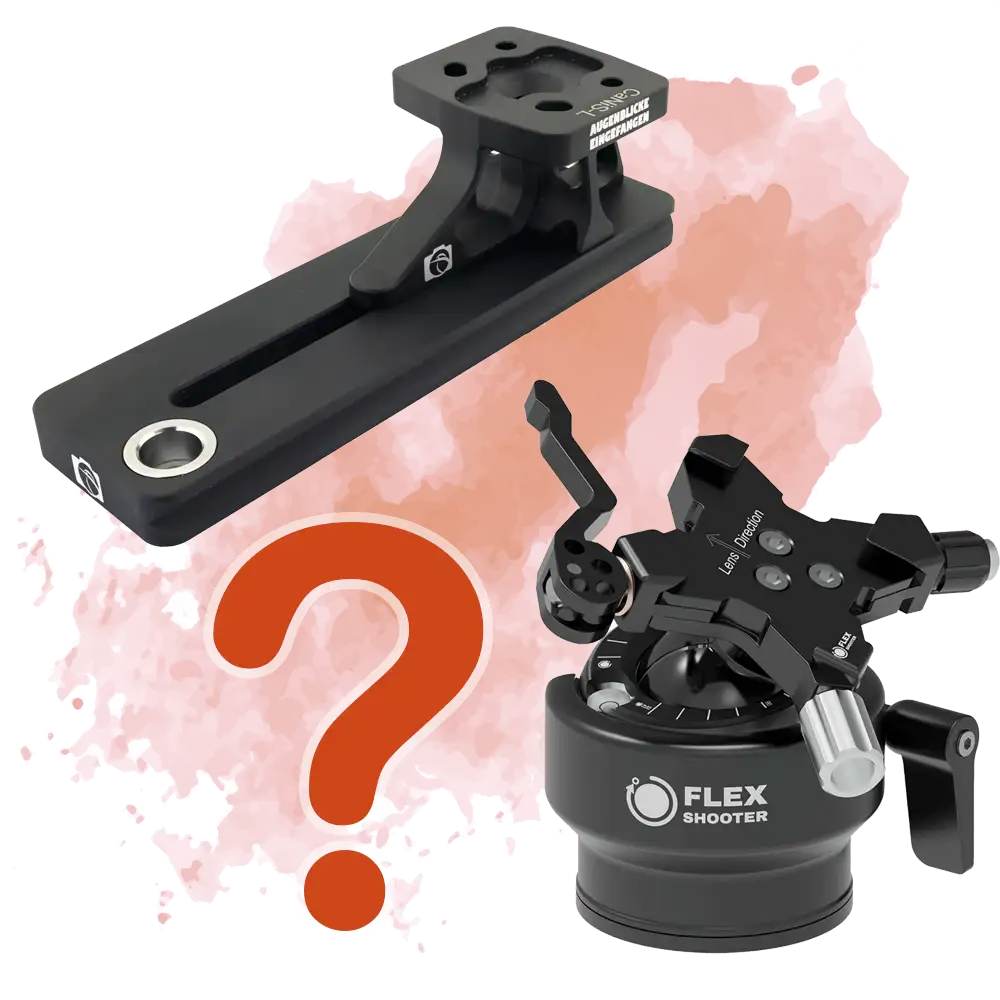
The Flexshooter tripod headsaccept almost all camera plates and L-brackets, lens plates and replacement feet with Arca-compatible profile with a width of 38 mm.
Flexshooters with lever clamp are a bit more tolerant; here you can readjust the clamp width so that your camera or lens sits really firmly ...
not in stock, the item will be ordered for you

Somehow the camera gear has to be carried.
But how do you attach the camera strap to your camera or your lens?
Traditionally, a carrying strap is attached to two lugs on the camera; with heavy lenses, a carrying strap is attached via lugs on the tripod collar.
This is often annoying,...
not in stock, the item will be ordered for you

Modular mounting system for camera backpacks
The MOLLE system on camera backpacks – modularity for photographers
The MOLLE system (Modular Lightweight Load-carrying Equipment) has also become established in the field of
photography in recent years.
Originally developed for the military, this modu...
not in stock, the item will be ordered for you

FAQ about the Flexshooter tripod head
When you start looking into the Flexshooter tripod head, the question usually isn’t whether to get one, but rather the famous “Yes, but which one exactly?
”.
In this FAQ about the Flexshooter tripod head we’ve collected the typical questions we get more frequen...
not in stock, the item will be ordered for you
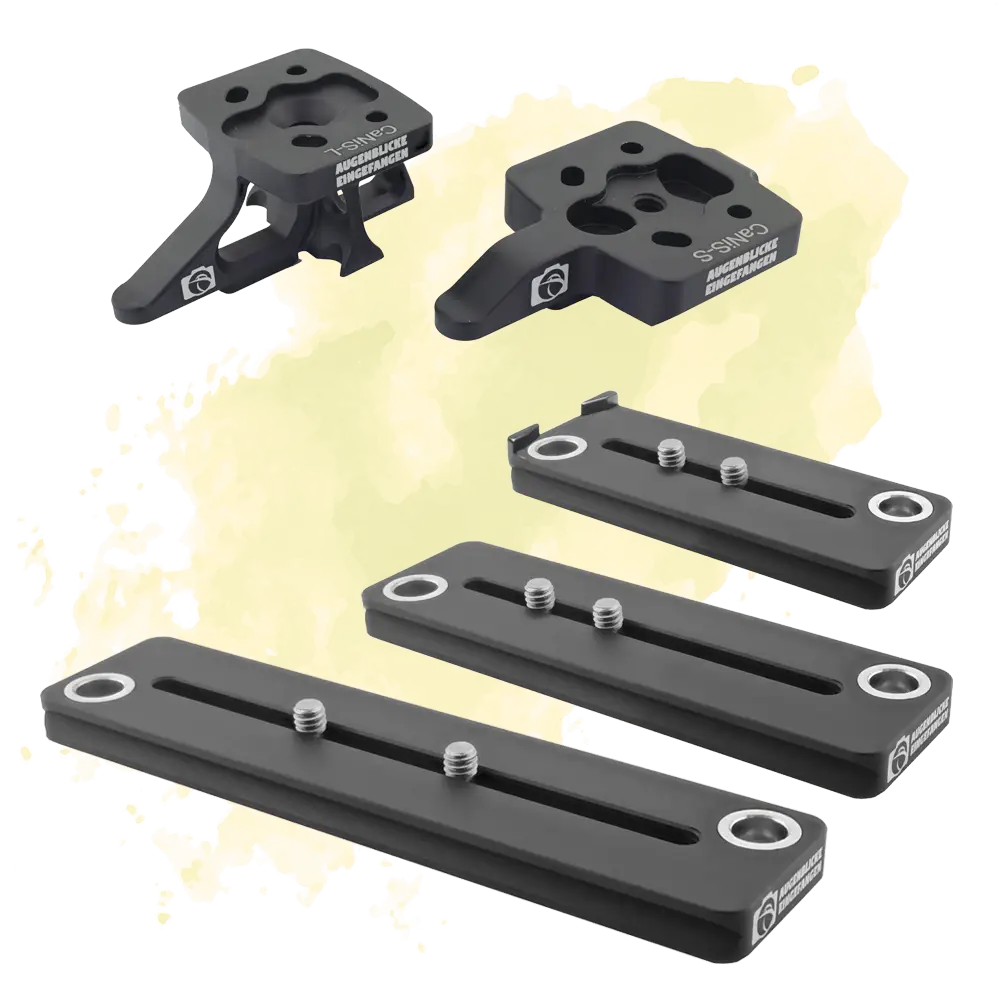
Discover the innovationModular replacement feet for telephoto lenses from Augenblicke-eingefangen
For ambitious photographers who are always looking for the perfect balance between stability and flexibility, the modular replacement feet from Augenblicke-eingefangen offer a modern solution.
These in...
not in stock, the item will be ordered for you
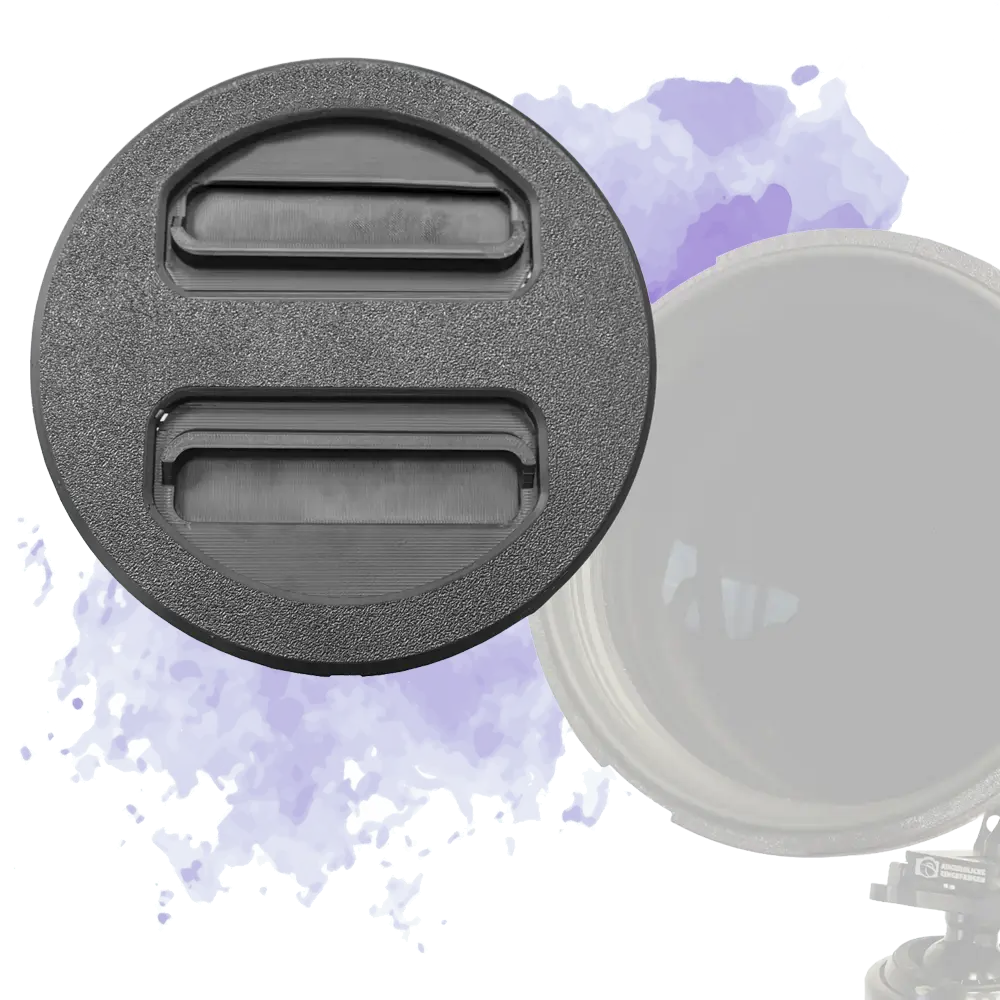
Snap-on lens caps for large telephoto lenses: BigLensCaps as a precisely fitting front element protection Anyone who photographs with large telephoto lenses, for example in wildlife, sports or nature photography, knows the problem: The front element of a super-telephoto lens is large, delicate an...
not in stock, the item will be ordered for you

Weatherproof protection for camera and lens, suitable solutions for outdoor and wildlife photography
Anyone who regularly shoots outdoors knows: the weather rarely sticks to your plans.
Especially in
wildlife, nature and sports photography, many of the most exciting images are created in rain, f...
not in stock, the item will be ordered for you

Telephoto Lens Covers in Everyday Wildlife Use: LensCoat vs.
Rolanpro (Tragopan) Compared
In professional wildlife photography, the telephoto lens is the central tool, but at the same time the most sensitive and expensive element of the equipment.
Super-telephoto lenses with focal lengths of 4...
not in stock, the item will be ordered for you

Wintry extreme cold as a photographic opportunity
Due to the frost that has persisted for a longer period this year, at times with double-digit sub-zero temperatures, this winter is very interesting for us nature photographers.
Icy scenes: rare subjects with a downside
There are subjects that are o...
not in stock, the item will be ordered for you

How to find the right tripod leg protector
It is relatively easy to find the right tripod leg protector for your tripod.
The LensCoat Wraps are available in two different versions (apart from the many sizes and camouflage patterns).
Measuring diameter and length
The sizes
You measure the diamete...
not in stock, the item will be ordered for you

Protective solution for the safe transport of large telephoto lenses
LensCoat TravelCoat, secure transport protection for large telephoto lenses
Large telephoto lenses are among the most valuable components of many photography kits.
Especially in
wildlife, nature and sports photography, long foca...
not in stock, the item will be ordered for you

Reliable protective cap for the sensitive front lens
The front lens of a lens is one of the most sensitive and at the same time most important components of your camera equipment.
Even small scratches, dust particles or impacts can impair image quality in the long term or make expensive repairs nece...
not in stock, the item will be ordered for you

Precise focus bracketing for later stacks
Exact macro focus brackets for later calculation of a stack are easy to create...
.
.
Important basics for clean results
...
.
if you follow some fundamental requirements.
Equipment used in macro photography
For macro photography I work with the Canon EOS R5, ...
not in stock, the item will be ordered for you

Important note about the previous Monostat foot and its replacement
Everything that characterized the Monostat foot can also be done by this new tripod foot, and some things even better, since it was designed from the outset for easier mounting with a 3/8" standard thread.
What made the Monostat foo...
not in stock, the item will be ordered for you